B2B integrators and OEM teams often need to match actuators, controllers, power supplies, handsets, wiring and mechanical interfaces. Whether an integrated package reduces engineering or assembly effort depends on how clearly those interfaces are defined and validated for the selected configuration.
A plug-and-play approach can reduce some integration work when the component set, interfaces and acceptance criteria are controlled, but it does not eliminate engineering validation.
Tabla de Contenidos
Los Costos Ocultos de las Soluciones de Movimiento Lineal Basadas en Componentes
Component-based sourcing can create additional integration tasks that should be measured explicitly rather than treated as hidden or inevitable costs:
Engineering time: actuator voltage/current, controller channels, feedback, connectors, communication/interface method, stroke and mechanical geometry must be matched. Record the actual review and validation effort for the project rather than assuming a multi-week penalty.
Wiring and integration: a actuador lineal, controller and power architecture may require harnesses, connectors, protection and interface circuitry. Whether these are custom or pre-defined depends on the selected products and system design.
Testing and troubleshooting: multi-vendor systems can introduce additional interface boundaries. Define test points and fault-isolation procedures so actuator, controller, supply, wiring and interface issues can be separated during validation and service.
Supply-chain management: multi-vendor sourcing can increase PO, lead-time and change-control coordination. Single-source sourcing can reduce some coordination, but concentration risk, component availability and replacement compatibility should also be reviewed.
An integrated motion package can be useful when its BOM, interfaces, wiring, controller settings and validation scope are defined in advance. “Plug-and-play” should describe that controlled integration boundary, not immediate deployment without project verification.
¿Qué Hace que un Sistema de Movimiento Lineal Sea Verdaderamente “Listo para Usar”?
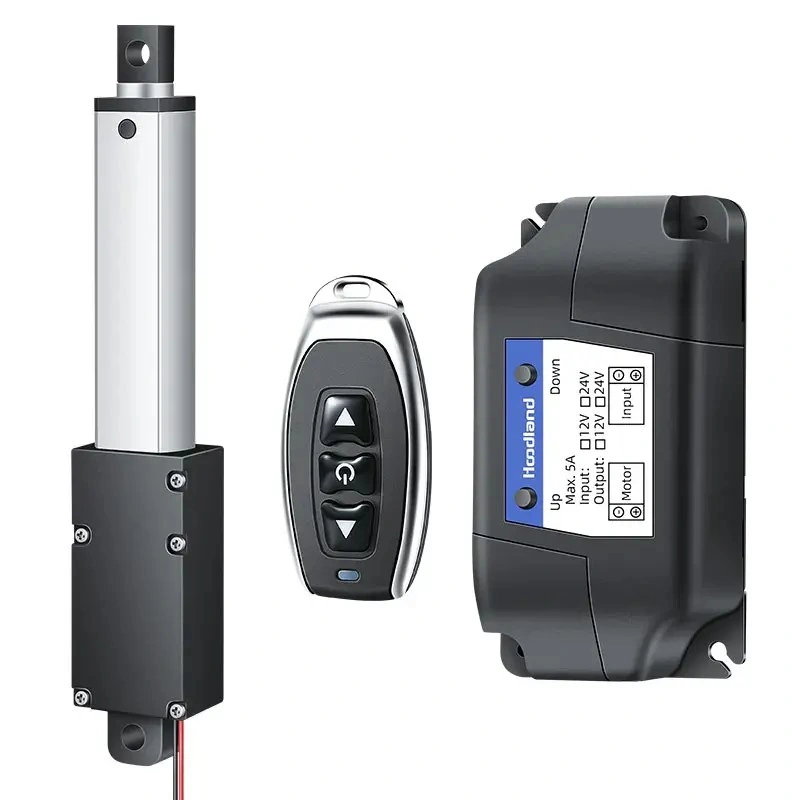
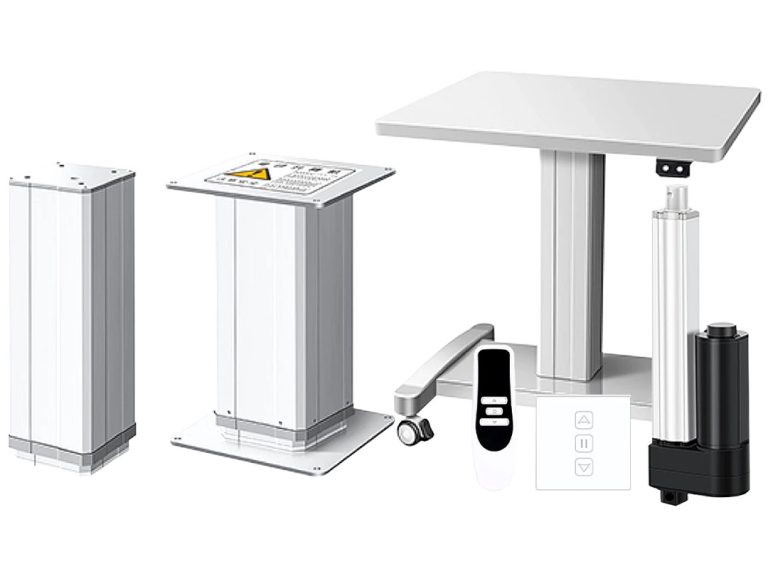
For this guide, a plug-and-play motion system means a defined component set with documented electrical, control and mechanical interfaces. An ActuLift package may combine the following components, subject to the selected configuration and project validation:
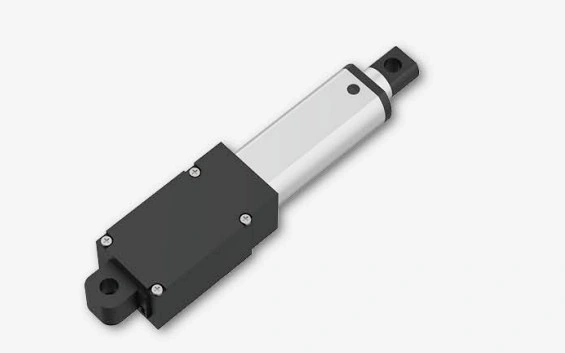
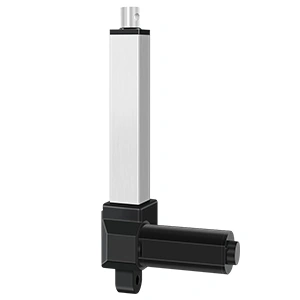
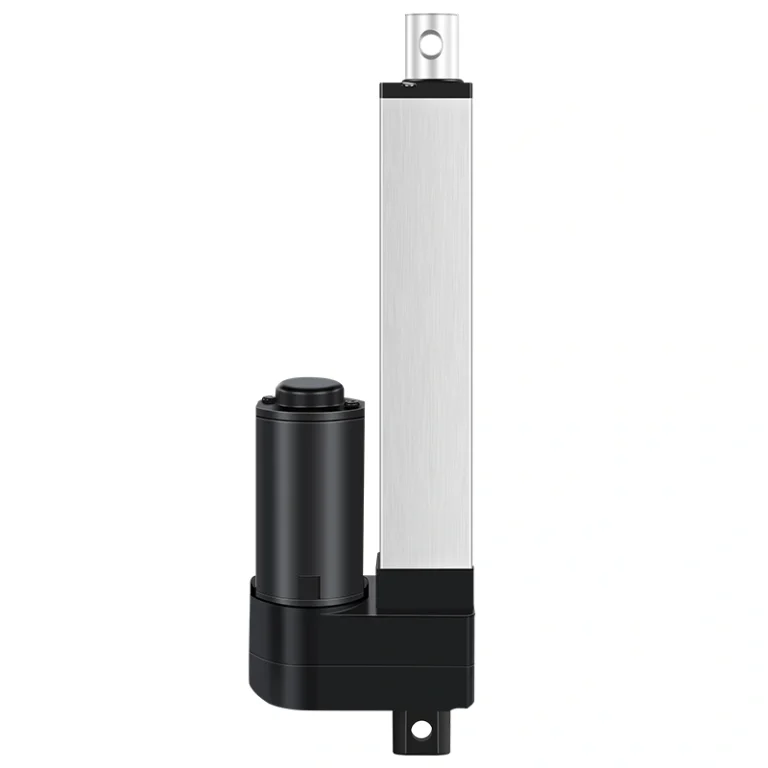
1. Actuator Use 12V o 24V actuator categories to identify candidates, then confirm voltage range, rated/peak current, load, stroke, speed, duty cycle, feedback, connector and controller compatibility for the exact build.
2. IPC4 controller El IPC4 is a configurable multi-channel 24V controller platform. Confirm channel count, actuator current, feedback, synchronization behavior, control method, wiring and enclosure for the selected actuator set.
3. Remote control / handset Use the los controles remotos y manos libres category to identify interface options, then confirm connector/protocol, power, button/display/memory functions and controller compatibility for the ordered configuration.
4. Power supply Size the supply for the documented voltage range, rated/peak current, simultaneous channel operation, wiring losses, protection and transient requirements. A bundled supply does not remove the need to verify these conditions.
Potential Integration Benefits to Measure
An integrated package may reduce some engineering, assembly, procurement or service effort, but the benefit should be measured against the project’s component-based baseline:
Engineering effort A defined actuator/controller/power/interface package can reduce compatibility research when the selected combination is documented. Measure specification review, prototype integration and validation hours rather than assuming weeks are removed.
Assembly effort Pre-defined connectors and harnesses may simplify assembly when the production BOM is controlled. Compare actual assembly time, rework and wiring-error rates on representative builds before claiming labor or field-failure reductions.
Prototype / launch timing A pre-defined package may shorten some integration steps, but certification, mechanical validation, firmware/control tuning, supplier qualification and production ramp still remain. Track actual project milestones before making a time-to-market claim.
Service boundary Single-source components can simplify escalation when the supplier accepts system-level responsibility, but troubleshooting still requires fault isolation and clear warranty scope. Confirm documentation, diagnostic method and replacement ownership in the commercial agreement.
Procurement structure A bundled system may reduce PO/vendor count, while also increasing supplier concentration. Compare lead time, MOQ, change control, replacement availability, second-source strategy and commercial terms for the actual program.
Eligiendo el Sistema de Movimiento Lineal Integrado Correcto
When evaluating an integrated motion package, verify the evidence behind its claimed interface and service boundary:
Compatibility evidence: request the exact approved component combination, wiring/connector definition, controller settings, load/current limits and system test scope. “Compatible” should be tied to a specific configuration.
Documentation: request system-level BOM, wiring diagrams, interface definitions, configuration limits, commissioning steps, fault codes where applicable and replacement compatibility.
Configuration range: verify which actuator sizes, loads, strokes, channels and interfaces are actually supported, and whether changing one element requires new validation.
Technical support: define who owns actuator, controller, power, wiring and integration questions; record escalation path, response expectations and engineering-change handling.
Warranty scope: confirm exactly which components and failure modes are covered, exclusions, replacement process and whether system-level integration issues are included.
¿Cuáles son las principales ventajas de un sistema de movimiento lineal listo para usar frente a la adquisición basada en componentes?
Potential advantages include fewer interface decisions, a controlled wiring/BOM package, simpler supplier coordination and a clearer support boundary. None is guaranteed: compare engineering hours, assembly time, rework, test effort, lead time and service data against the component-based baseline.
¿Se pueden personalizar los sistemas listos para usar para longitudes de carrera o capacidades de carga específicas?
A system may support configurable actuator stroke, load, speed or interfaces, but availability depends on the selected actuator/controller platform and quotation. Each changed configuration should be checked for current, duty cycle, wiring, controller and validation impact before approval.
¿Cómo mejora un sistema integrado la solución de problemas en el campo?
It can reduce the number of supplier boundaries when the actuator, controller, power and wiring package has one defined support owner. Troubleshooting still requires documented test points, fault isolation, revision control and replacement compatibility; do not assume standardized diagnostic codes or zero vendor-boundary issues.
La Conclusión
For B2B integrators and OEM teams, the choice is whether a controlled integrated package provides enough measurable value to justify its supplier, configuration and lifecycle tradeoffs compared with a component-based architecture.
An ActuLift package can be evaluated as one sourcing/integration option. Confirm the exact actuator, controller, handset, power, wiring, documentation and support scope; project-level mechanical, electrical and validation work still remains with the finished-system integrator.
Use measured engineering effort, assembly time, rework, validation, lead time and service data to determine whether an integrated package provides an advantage for the specific program.
Ready to define an integrated motion package? Use the ActuLift actuador lineal and controller categories to identify candidate components, then request a configuration review covering compatibility, wiring, controls and validation scope.
Sources & Evidence Boundary
Motion Control Tips — general motion-integration background; not evidence that a specific ActuLift package reduces time or cost.
IEEE Xplore — technical literature database; identify the actual paper and context before applying modular-integration findings to a specific OEM program.
Obtenga Perspectivas Expertas sobre Control del Movimiento Industrial
Seleccionar el actuador lineal eléctrico o columna de elevación es crítico para el rendimiento de su proyecto. Como fabricante profesional de Control de Movimiento y Automatización, nuestros ingenieros le ayudan a personalizar la capacidad de carga, la longitud de la carrera y las clasificaciones IP según su aplicación específica. Comparta sus requisitos técnicos para una solución a medida.
ActuLift apoya la personalización de extremo a extremo, desde el diseño estructural y los parámetros de recorrido hasta la marca y los acabados de la carcasa, ayudándote a construir una potente identidad de marca.
Respuesta rápida y prototipado
Entendemos la importancia de la rapidez en la adquisición B2B, utilizando flujos de trabajo de producción optimizados para asegurar respuestas eficientes desde el desarrollo de muestras hasta la entrega a granel.
Quality Documentation & Traceability
Quality and traceability requirements vary by project. Ask ActuLift for the applicable inspection records, product specifications, drawings and available compliance documentation for the selected model and order.