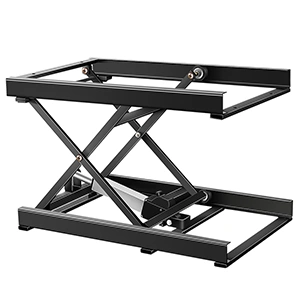
Built for slow, strong, controlled linear motion
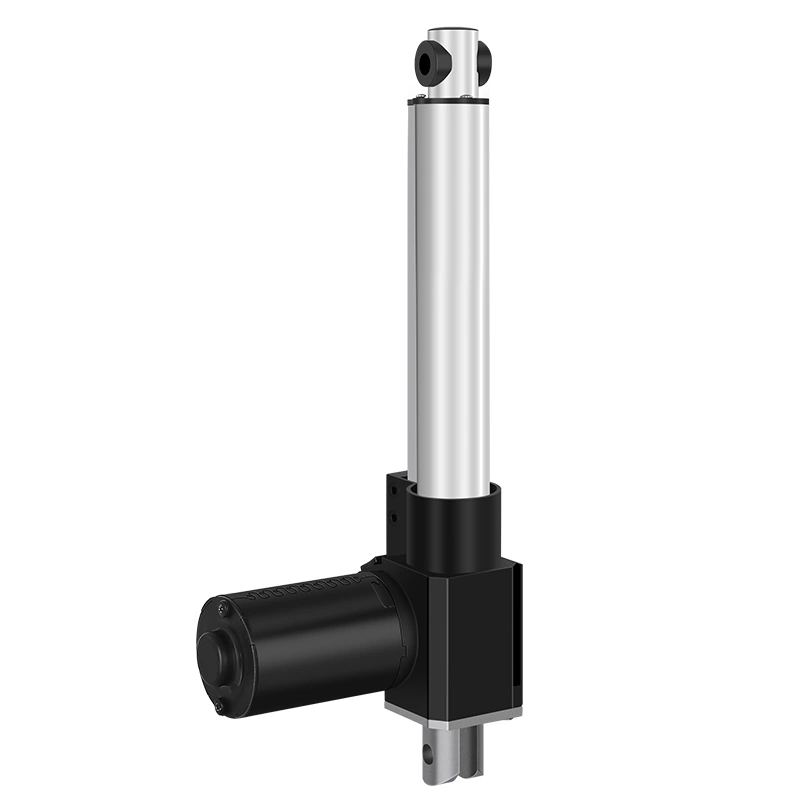
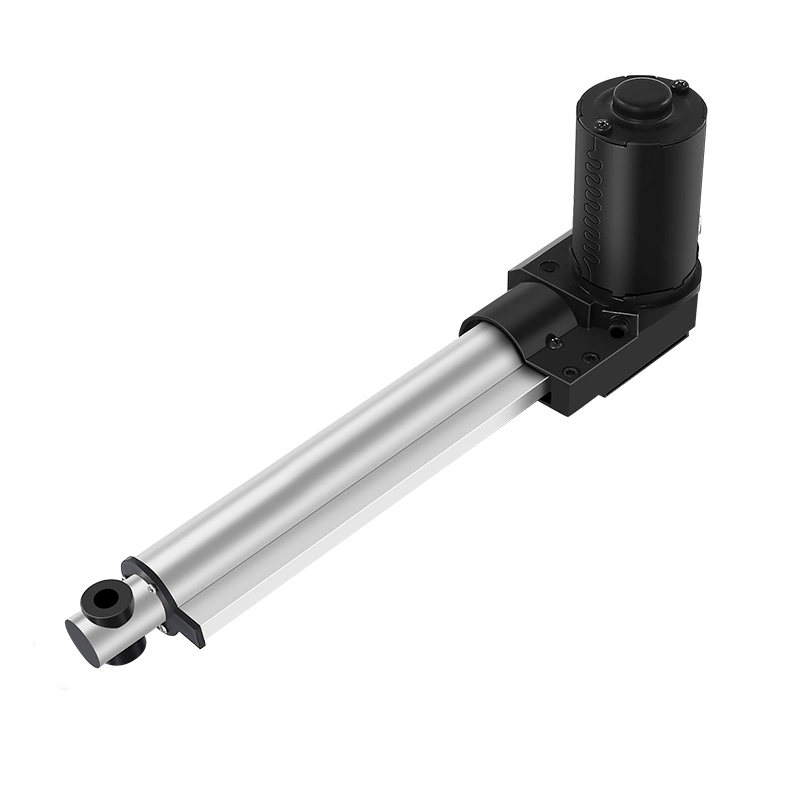
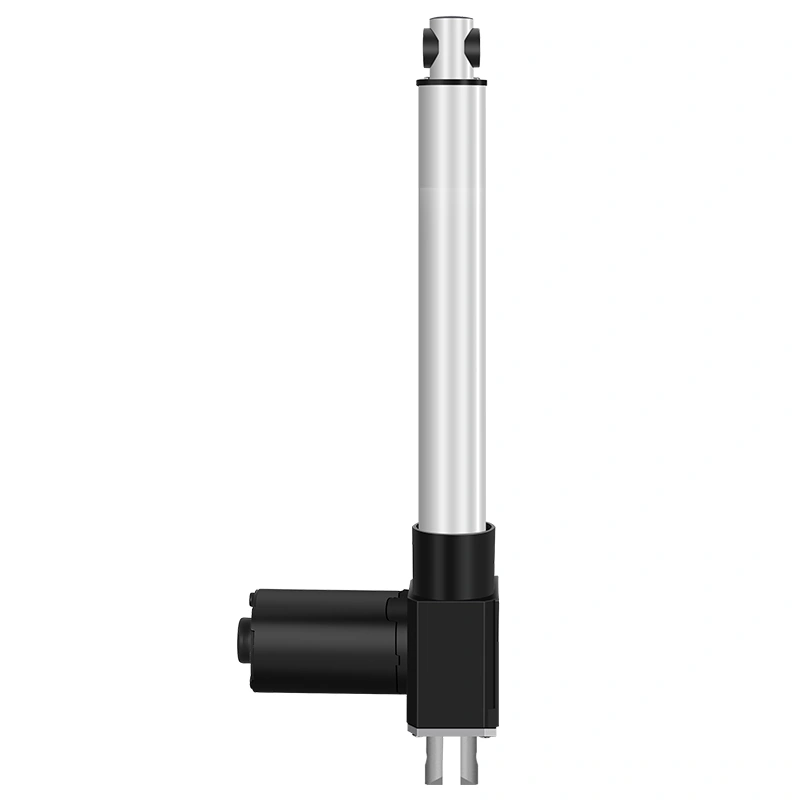
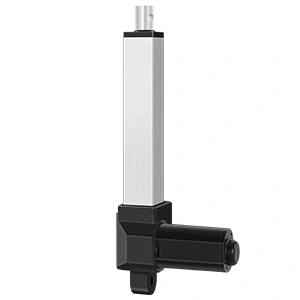
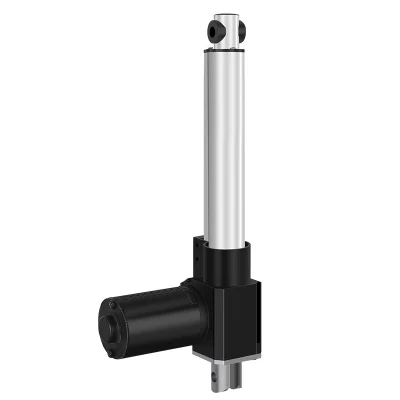
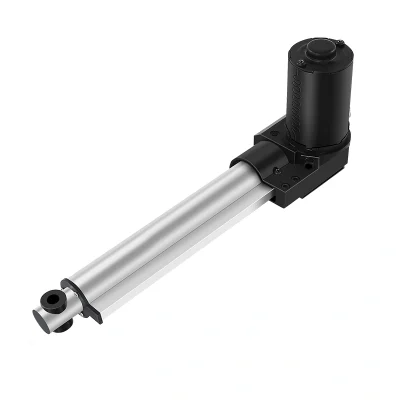
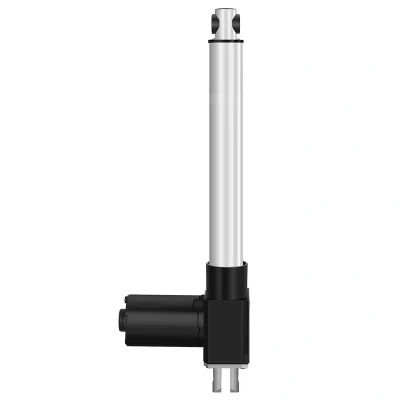
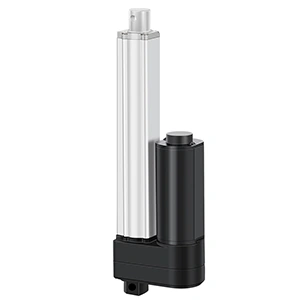
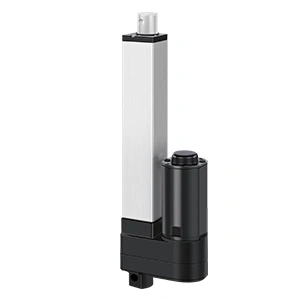
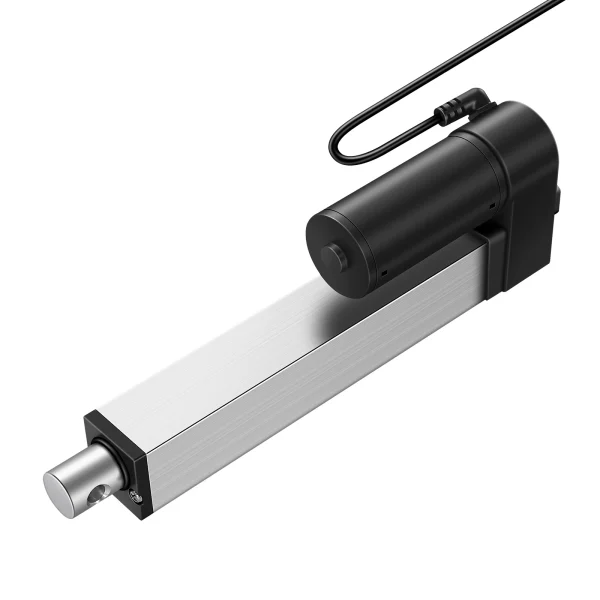
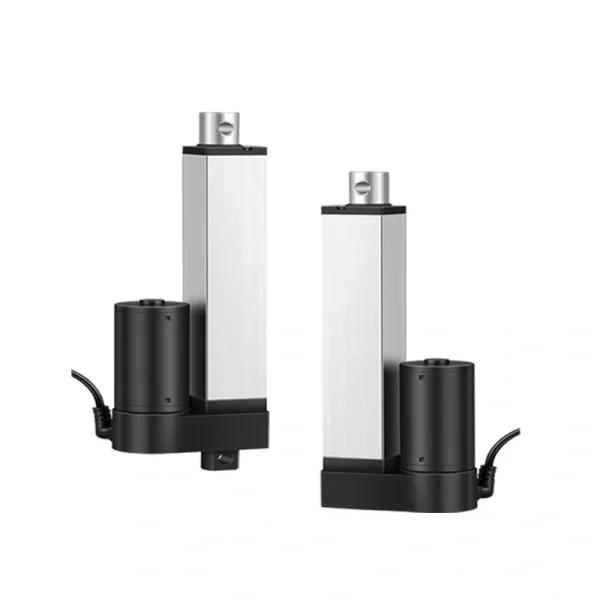
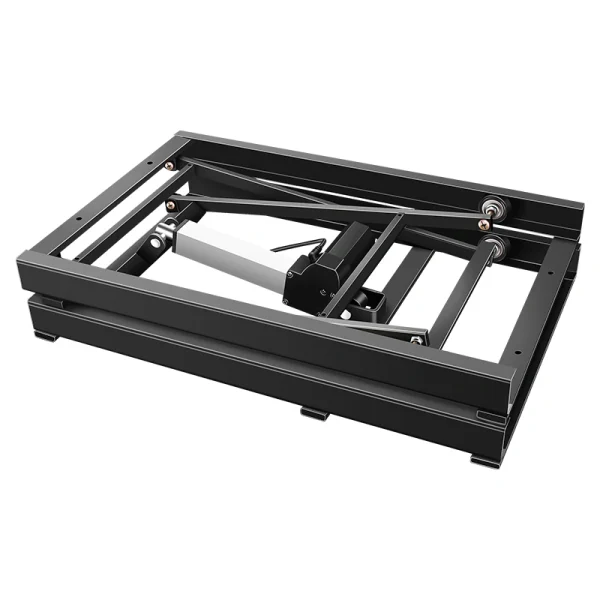
The IP6000 High Force Linear Actuator is a 12V DC or 24V DC electric actuator for equipment that needs controlled push/pull motion with serious force. The listed load capacity is 6000N, or 1349 pounds, in both push and pull direction. That makes it a good fit for OEM teams building medical beds, electric beds, lift-assist structures, furniture mechanisms, and industrial equipment where stable motion matters more than fast travel.
This is not a speed-first actuator. At full load, the listed speed is 3.5 millimeters per second. For procurement teams, that number is useful because it sets the right expectation early. If your equipment needs a heavy panel, bed section, platform, or linkage to move with control, the IP6000 belongs on the shortlist. If the project needs rapid cycling, you should check speed, duty cycle, heat rise, and controller settings with ActuLift engineering before sampling.
For nearby product families, buyers can compare ActuLift’s actuadores lineales de alta resistencia, Actuadores lineales de 12Vy Actuadores lineales de 24V. Those categories help engineering and purchasing teams compare force, voltage, stroke, controller fit, and protection level without treating every actuator as the same part.
Especificaciones del Producto
| Especificación | Detalles |
|---|
| Tensión de entrada | 12V DC/24V DC opcional |
| Capacidad de carga máxima | 6000N (1349 libras) empuje/tiro |
| Velocidad (sin carga/carga total) | 3.5 milímetros por segundo a carga completa |
| Longitud de recorrido | 50-800 milímetros (personalizable) |
| Nivel de protección | IP43 estándar, IP66 opcional |
| Temperatura de trabajo | -20 deg C to +60 deg C (-4 deg F to 140 deg F) |
| Nivel de ruido | <48 decibelios (silencio similar a una biblioteca) |
| Certificación | Cumple con las normativas CE, RoHS e ISO 9001 |
Why 6000N push/pull capacity changes the sourcing conversation
A 6000N actuator is usually bought for a real mechanical reason. The buyer may need to move a loaded bed section, hold a platform steady, lift a hinged frame, or push through a linkage with poor leverage at one part of the stroke. In those cases, the headline force rating is only the starting point.
Before a bulk order, confirm the load direction, stroke, installation distance, mounting angle, side-load risk, duty cycle, and available space around the actuator. A mechanism that looks simple on a drawing can behave very differently once brackets, friction, pivot geometry, and cable routing enter the picture. The IP6000 gives you the force range. Your final equipment test proves the fit.
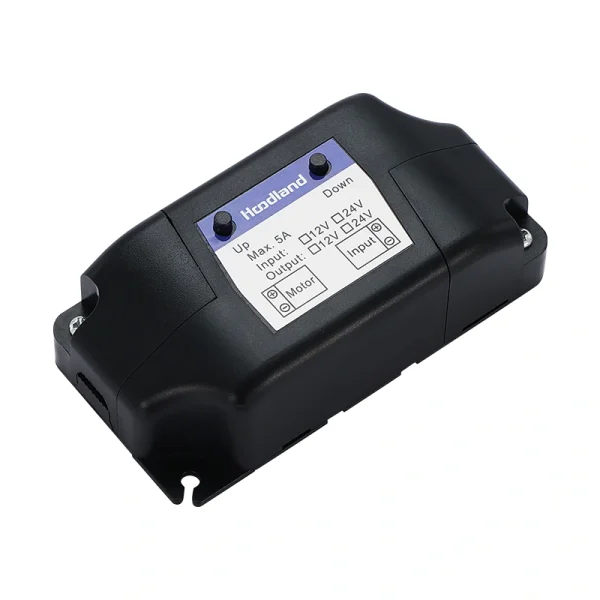
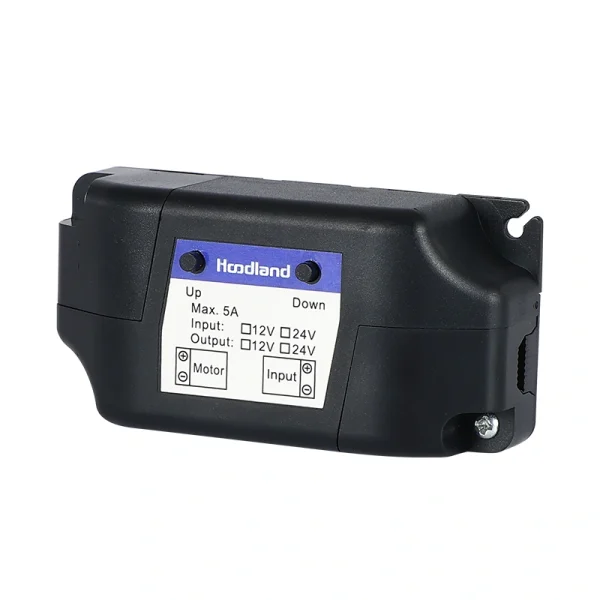
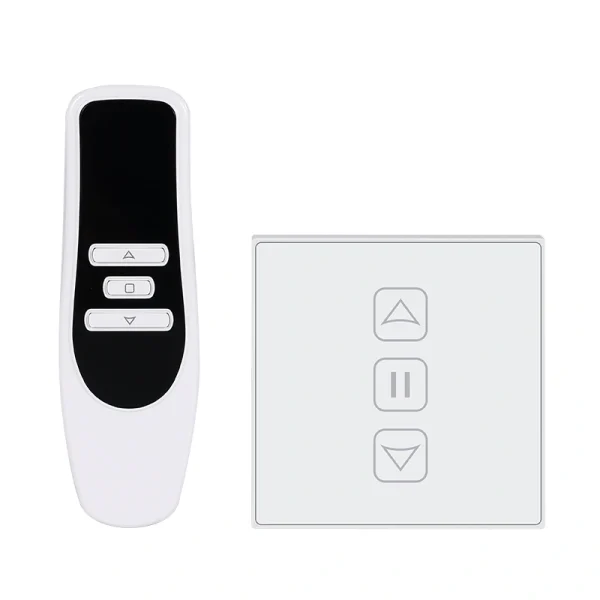
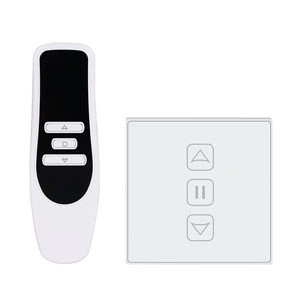
For full-system planning, ActuLift’s control boxes and controllers y los controles remotos y manos libres are useful companion categories. They matter when the actuator needs synchronized movement, a wired handset, a custom control panel, or feedback to the host equipment.
Voltage, stroke, and speed options for OEM projects
The IP6000 can be specified in 12V DC or 24V DC. That choice usually depends on the buyer’s power architecture. A 12V system may fit mobile equipment, battery-powered products, and compact control designs. A 24V system may suit equipment that already uses 24V control hardware or needs better current planning across a longer cable run. The right answer depends on the complete system, not the actuator alone.
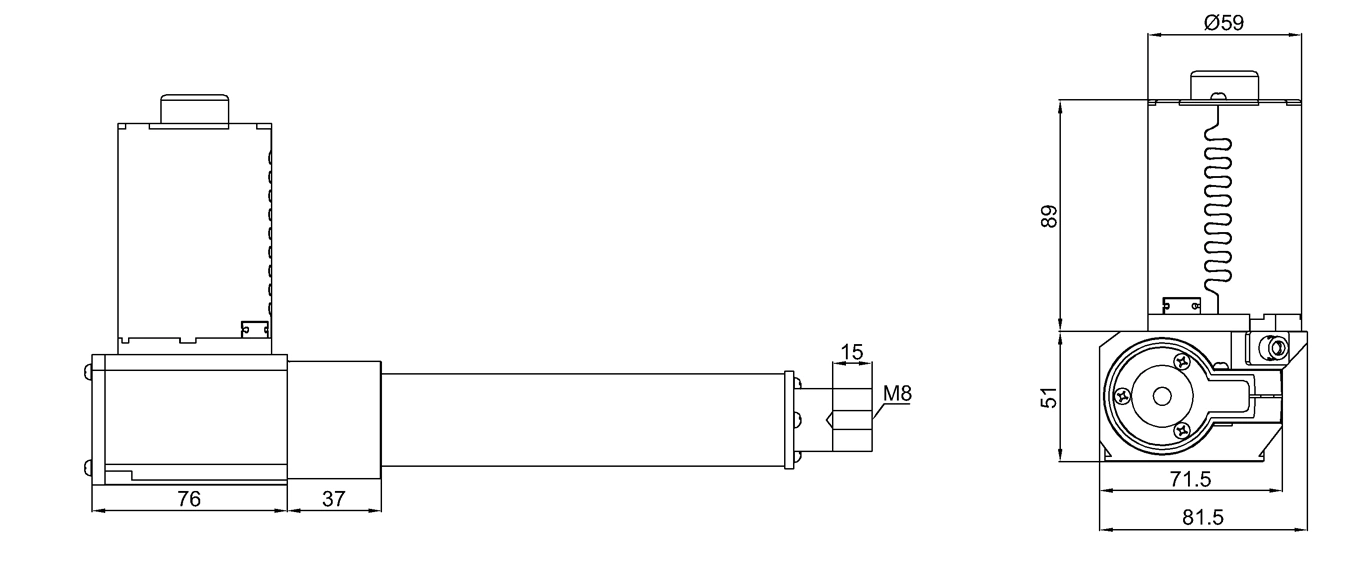
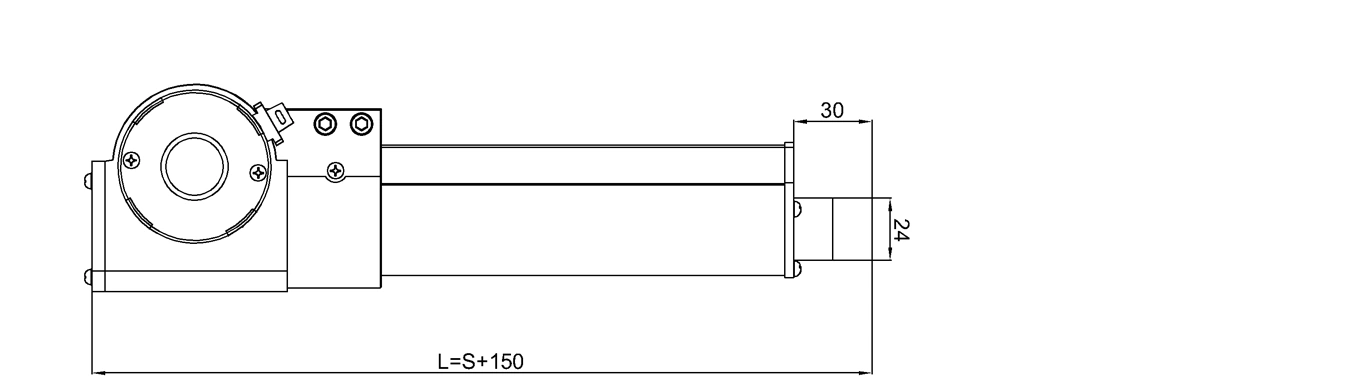
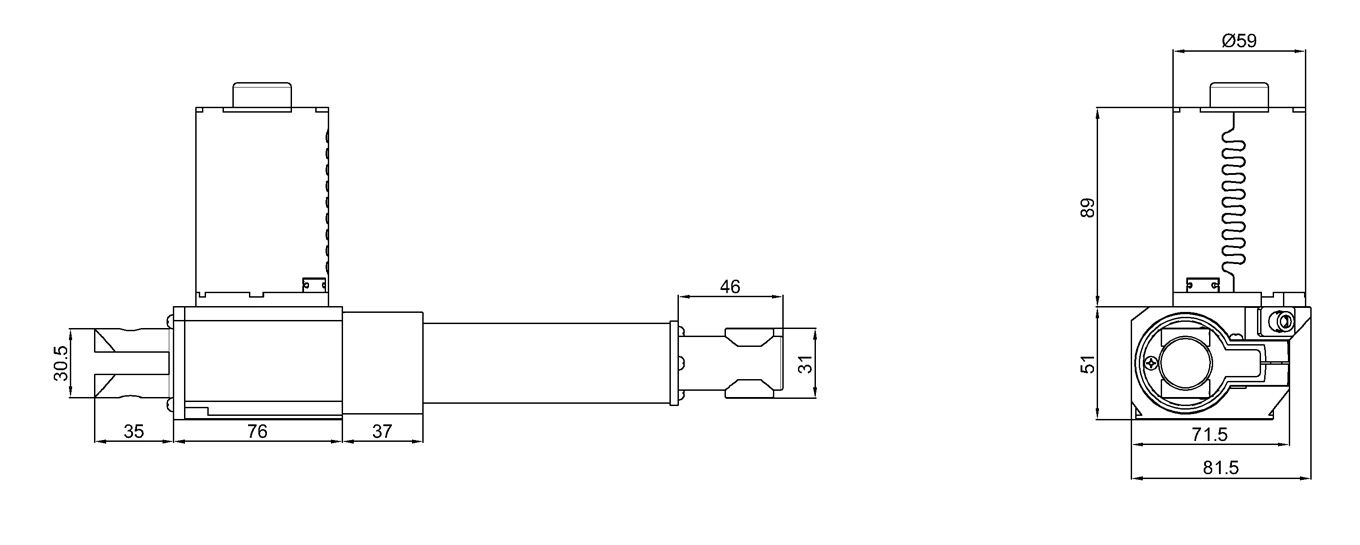
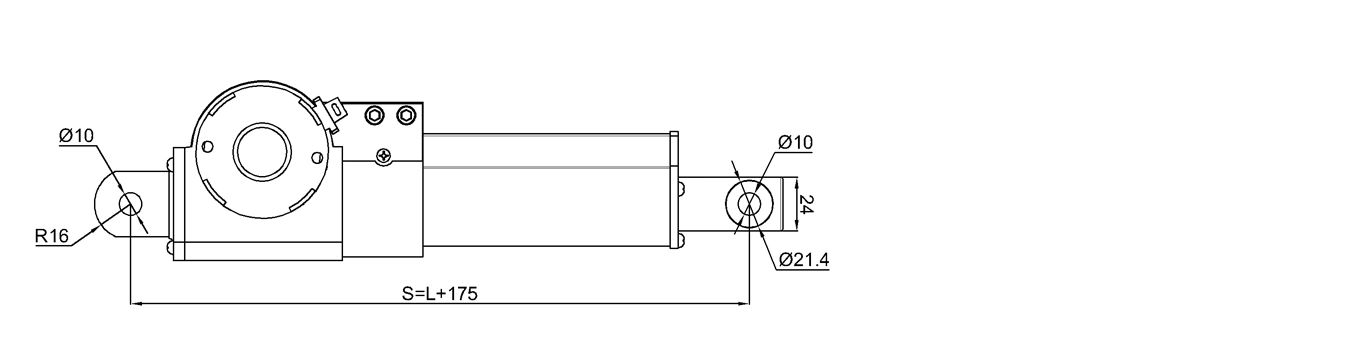
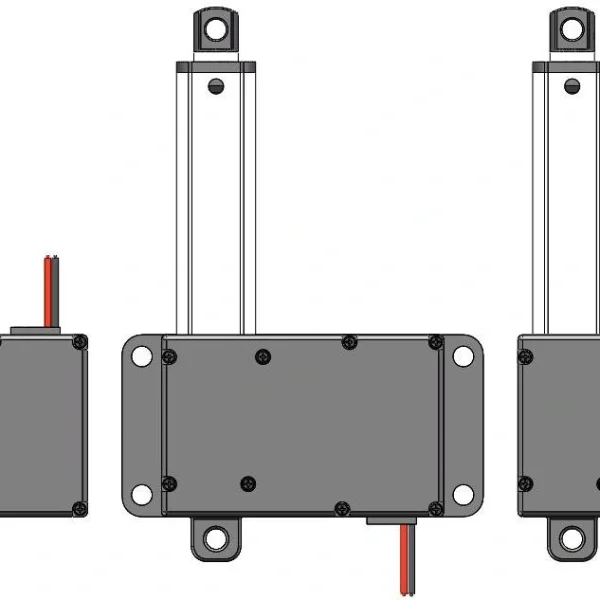
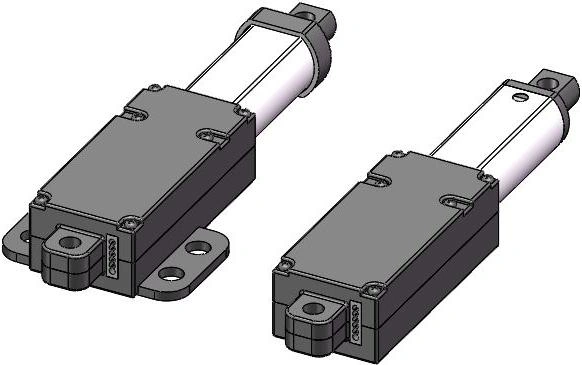
Travel length is customizable from 50 to 800 millimeters. That gives OEM buyers room to match the actuator to different equipment sizes without changing the product concept. Still, stroke length is not the same as installation length. The local IP6000 catalog notes drawing references where “L” means installation distance and “S” means stroke length. Send both values when you request a quotation.
The listed full-load speed is 3.5 millimeters per second. That slow speed makes sense for a high-force actuator. It gives the movement a controlled feel, which can be useful in equipment where the load should not jump, shake, or surprise the user.
Quiet operation for beds, furniture, and indoor equipment
The IP6000 is listed below 48 decibels, described in the brief as library-like quietness. That is a practical detail for medical beds, electric beds, and indoor equipment. Users notice actuator sound most when a product moves close to the body, inside a quiet room, or during repeated adjustment.
Noise still needs to be tested in the finished equipment. The actuator may be quiet on its own, but a metal frame, loose bracket, long linkage, hard floor, or resonant panel can make the whole product sound louder. During sample review, test the actuator inside the real assembly, under real load, with the real controller and mounting hardware. That is where small design issues show up.
IP43 standard protection, with IP66 when the project needs more
The standard protection level is IP43. For indoor equipment and covered mechanisms, that may be the practical baseline. If the actuator will face more dust, cleaning exposure, splash risk, or outdoor-like conditions, the optional IP66 configuration should be requested and documented before the project moves forward.
Do not treat “optional IP66” as automatic. Ask for the IP66 version, then confirm the cable outlet, connector, seal design, test document, and any limits on mounting direction. If the buyer’s project is strongly environment-driven, ActuLift’s actuadores lineales a prueba de agua page is a useful category reference, while the IP6000 page should keep the claim tied to its exact optional configuration.
Feedback and control options to confirm before sampling
The local IP6000 catalog mentions optional Hall sensor, magnetic switch, five-wire signal feedback, and upper-computer control. Those options are worth discussing early. A basic actuator may only need extend/retract control. A more advanced device may need position feedback, synchronized movement, limit confirmation, or a signal back to the main control board.
For OEM work, spell out the control requirement before the sample is built:
- Voltage: 12V DC or 24V DC.
- Load: push, pull, or both directions.
- Stroke: 50-800 millimeters.
- Speed: confirm the 3.5 mm/s full-load requirement.
- Protection: standard IP43 or optional IP66.
- Feedback: Hall sensor, magnetic switch, signal feedback, or no feedback.
- Control method: control box, handset, external controller, or host-system control.
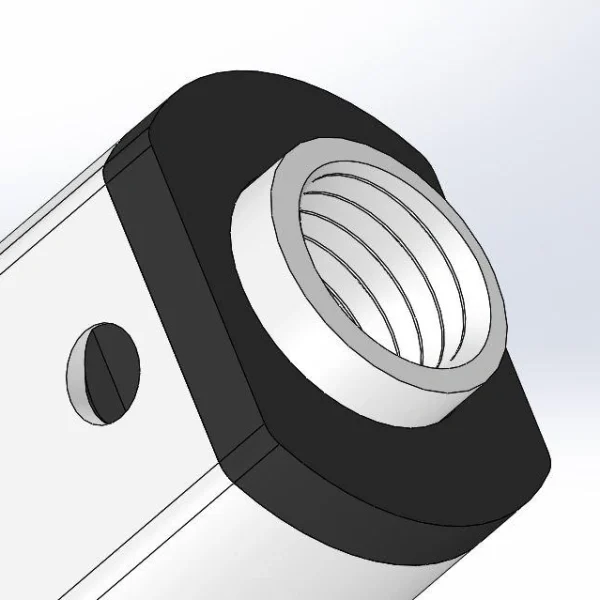
- Mechanical fit: bracket, pin size, installation distance, cable exit, and connector.
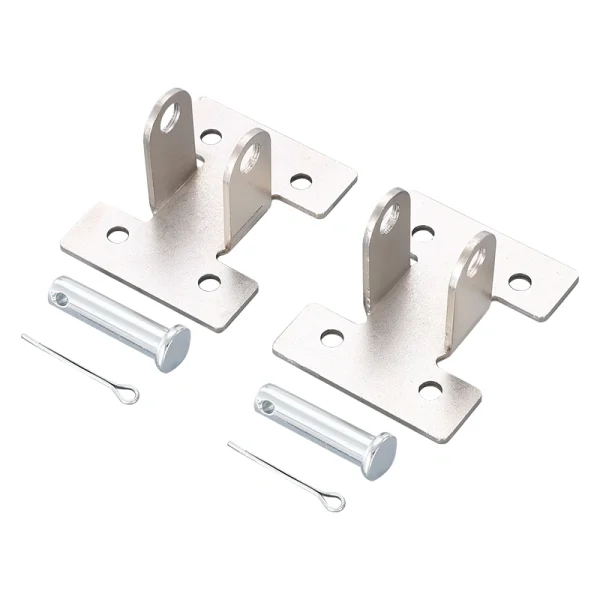
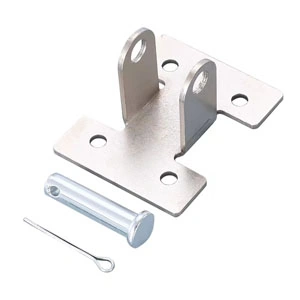
If the actuator needs a mounting set, review ActuLift’s — Ingeniería de movimiento a medida para before the drawing is locked. A small bracket mismatch can delay a sample more than the motor itself.
Compliance notes for wholesale and export buyers
The supplied certification line says the IP6000 is compliant with CE, RoHS, and ISO 9001 standards. Use that wording carefully in product listings. CE and RoHS should be tied to the electrical configuration and the documents supplied for the ordered model. ISO 9001 is best treated as manufacturer quality-system context, not as a promise that one actuator will fit every final device.
The European Commission explains that CE marking places responsibility on the manufacturer to assess conformity, prepare the technical file, issue the EU declaration of conformity, and affix the mark when applicable. EUR-Lex identifies RoHS Directive 2011/65/EU as the restriction of certain hazardous substances in electrical and electronic equipment. For buyers, the practical step is simple: ask for the exact files that match the voltage, stroke, control option, and protection level you plan to buy.
This may feel like paperwork, but it keeps the project clean. Engineering gets the drawing. Purchasing gets the specification. Compliance gets the file set. Nobody has to guess later.
Preguntas frecuentes para compradores
Is the IP6000 suitable for OEM equipment production?
Yes, when the equipment needs slow, high-force linear movement. The listed 6000N push/pull capacity, 12V/24V DC options, 50-800mm customizable travel, IP43 standard protection, optional IP66, and <48dB noise level make it suitable for B2B sampling. Final approval should happen in the buyer’s own assembly.
Can I choose 12V DC or 24V DC?
Yes. The supplied specification lists 12V DC and 24V DC as optional input voltages. Choose based on the control system, power supply, current plan, cable length, and equipment design.
Is 3.5 mm/s fast enough?
It depends on the application. For a 6000N actuator, 3.5 mm/s at full load points to controlled high-force movement, not fast adjustment. Test the speed with the real load and linkage before production.
Can the stroke be customized?
Sí. La longitud de viaje indicada es de 50-800 milímetros. Envíe el recorrido requerido, la distancia de instalación, el dibujo de montaje y la dirección de carga al solicitar un presupuesto.
¿Está incluido IP66 como estándar?
No. IP43 es estándar. IP66 es opcional. Pregunte por la configuración de IP66 y la documentación correspondiente si el proyecto necesita un nivel de protección más alto.
¿Qué documentos debo solicitar antes de realizar un pedido al por mayor?
Solicite la hoja de especificaciones, el dibujo, la definición del cableado, la opción de control, el estándar de inspección, el plan de embalaje, los archivos CE/RoHS, la documentación de la empresa ISO 9001 y cualquier documentación de prueba de IP66 si esa opción es seleccionada.
Por qué este producto funciona bien
El IP6000 funciona bien para compradores OEM que necesitan un movimiento fuerte, silencioso y controlado en un actuador de corriente continua. Su calificación de empuje/tirar de 6000N, entrada de 12V o 24V, recorrido personalizable de 50-800 mm, nivel de ruido <48dB, protección estándar IP43 y configuración opcional IP66 ofrecen a los ingenieros una base clara para pruebas de muestra, mientras que la documentación CE, RoHS e ISO 9001 respalda la obtención de origen para exportar.
Enlaces internos utilizados