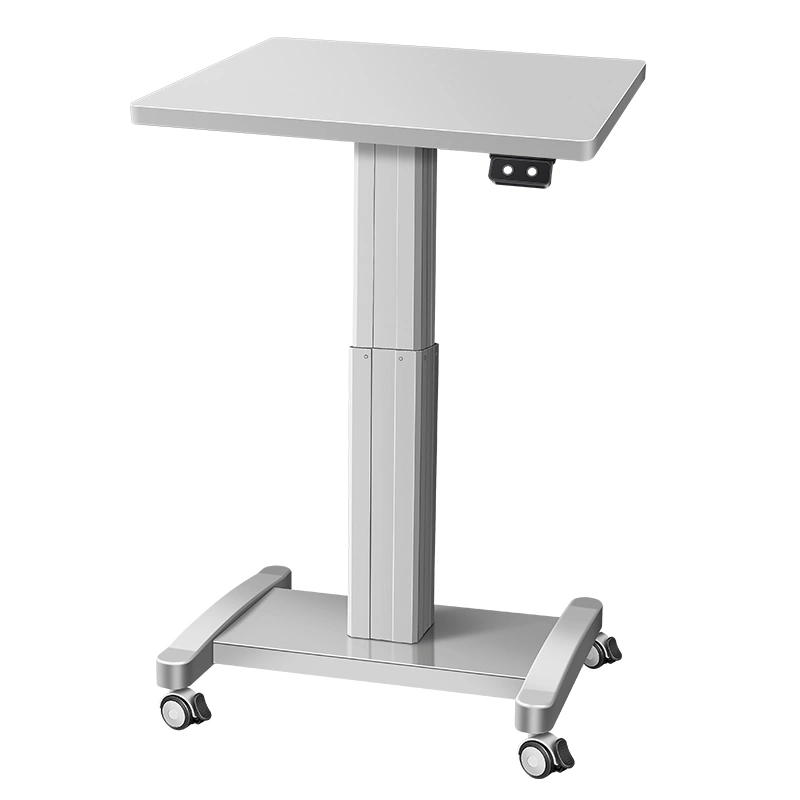
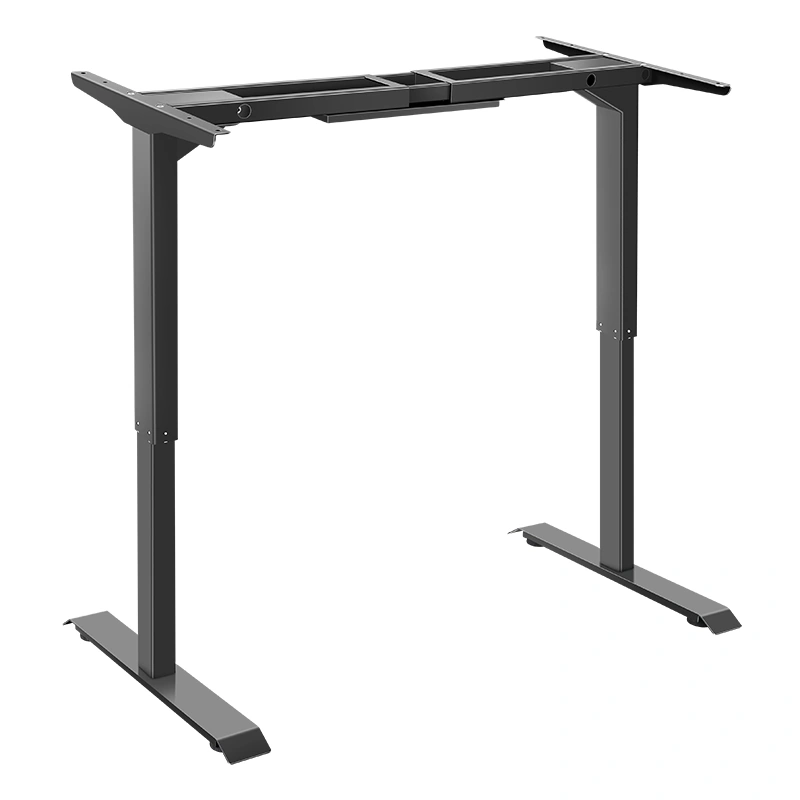
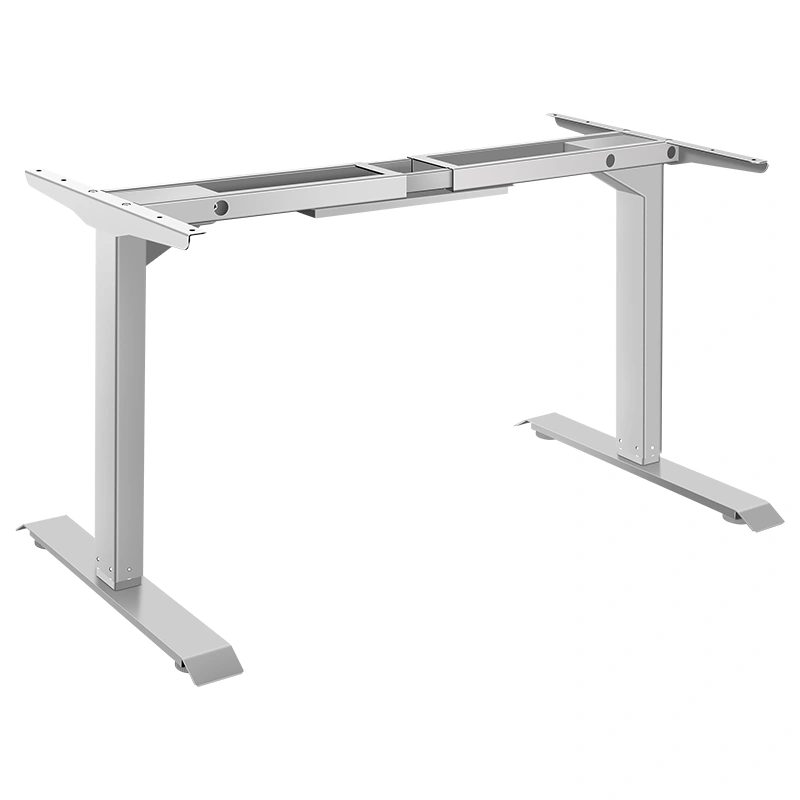
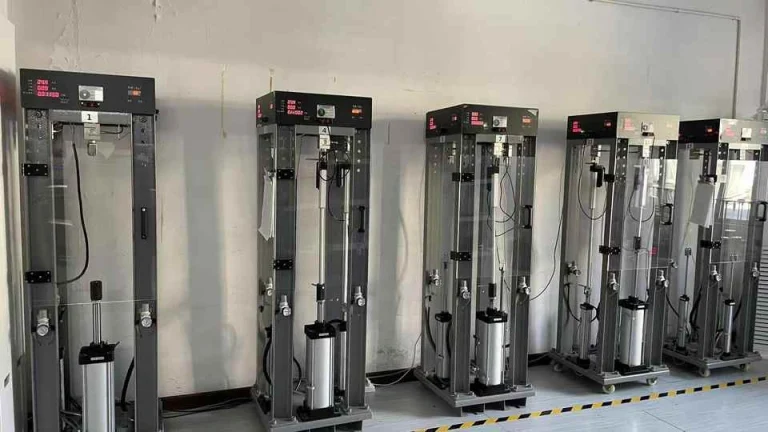
B2B buyers sourcing electric standing-desk frames should evaluate suppliers using documented product and project evidence rather than market-trend claims. Supplier selection can affect compatibility, service burden, quality consistency and commercial risk, but those outcomes depend on the actual product, contract, validation and deployment.
For B2B sourcing, evaluate both the frame and the supplier process: controlled specifications, sample approval, change control, test evidence, documentation, lead time, warranty terms, replacement compatibility and communication. Avoid assuming that supplier size, price tier or marketing language guarantees reliability.
Esta guía completa examina las siete características esenciales que cada comprador B2B debe evaluar al seleccionar un marco de escritorio de pie eléctrico proveedor. Ya seas un distribuidor de muebles, mayorista de equipos de oficina, o una empresa que amuebla múltiples ubicaciones, estos criterios te ayudarán a identificar fabricantes que ofrecen un verdadero valor.
Tabla de Contenidos
1. Capacidad de carga: La base de la fiabilidad
La capacidad de carga representa el peso máximo que un marco de escritorio de pie eléctrico puede soportar de manera segura y consistente. Esta especificación determina directamente qué superficies de escritorio y accesorios pueden usar tus clientes sin comprometer el rendimiento o la seguridad.
Qué buscar: Do not use a universal 150 lb or 200 lb threshold. Define the finished desk’s maximum distributed and eccentric payload, desktop/accessory mass, dynamic conditions and required safety margin, then request the selected frame’s rated load and test basis.
Por qué es importante para los compradores B2B: Commercial use can include varied loading, so the frame should be validated for the project’s actual payload and use pattern. A higher headline load rating does not by itself prove lower warranty rates, failure prevention, smooth motion or multi-year durability.
Criterios de evaluación: Request the rated load, load-distribution assumptions, speed/load relationship, duty-cycle basis, stability criteria and applicable test documentation. Do not convert “commercial” or “continuous” wording into a durability claim without the current test method and selected configuration.
2. Motores dobles: Potencia y rendimiento
Motor count is one architecture choice, not a direct measure of commercial quality. Single- and dual-motor systems can use different mechanics and controls; compare rated load, speed, duty cycle, synchronization method, noise, current and lifecycle evidence for the complete frame.
Qué buscar: For a dual-motor frame, confirm the motor/column architecture, controller, feedback, synchronization-error target, load distribution and fault behavior. Two motors do not automatically guarantee even load sharing, lower strain, longer life or consistent heavy-load performance.
Por qué es importante para los compradores B2B: Do not assume single-motor systems are inherently slower, noisier or shorter-lived, or that dual motors reduce service calls. Compare selected systems using equivalent load, geometry, duty cycle, noise and lifecycle evidence.
Criterios de evaluación: Ask for motor/controller specifications, speed under the required load, duty-cycle basis, current, synchronization method and validation records. Define the movement-time requirement for the project instead of using 1.5 in/s as a universal premium threshold; warranty terms are commercial terms, not proof of durability.
3. Funcionalidad anti-colisión y giroscopio: La seguridad es lo primero
Los modernos marcos de escritorios de pie eléctricos incorporan tecnologías avanzadas de seguridad que detectan y responden a obstáculos durante el ajuste de altura. Los sistemas anti-colisión (a veces llamados detección de obstáculos o funcionalidad de giroscopio) previenen accidentes, protegen el equipo y garantizan la seguridad del usuario en entornos de oficina concurridos.
Qué buscar: If anti-collision or obstruction detection is required, define the detection method, sensitivity, test obstacle, speed/load conditions, stopping/reversal behavior and residual-force acceptance criteria. Do not assume a universal millisecond response or sensor architecture.
Por qué es importante para los compradores B2B: Collision risk should be addressed through the complete desk risk assessment, including mechanical clearances, controls, obstruction behavior, user instructions and applicable safety requirements. Anti-collision is one possible risk-control function, not a guarantee against damage or injury.
Criterios de evaluación: Request the supplier’s anti-collision test method and validate representative samples using the actual desk geometry, load and operating speed. Record stop/reverse behavior, sensitivity and nuisance-trigger criteria against project-defined acceptance limits rather than “best system” language.
4. Operación de bajo ruido: Estándares de entorno profesional
En entornos de oficina profesionales, el ruido importa más de lo que la mayoría de los compradores se da cuenta. Un escritorio que chirría, gime o retumba durante el ajuste de altura interrumpe entornos de trabajo concentrados, crea momentos embarazosos en reuniones con clientes y señala mala calidad a usuarios exigentes.
Qué buscar: If acoustic performance matters, define a dB(A) target together with measurement distance, room/background noise, load, speed, height and test method. Do not use <50 dB as a universal premium threshold or infer the result from motor/gear marketing descriptions.
Por qué es importante para los compradores B2B: Noise can affect user experience in some workplaces, but acceptable levels are project-specific. Evaluate measured sound under representative desk conditions rather than treating quietness as a direct proxy for overall quality.
Criterios de evaluación: Request measured noise data and test a representative unit if acoustic performance is important. Motor type, gearing and lubrication strategy alone do not guarantee lower noise or maintenance; compare the complete frame under the specified load and operating conditions.
5. Capacidades de personalización: Satisfaciendo las diversas necesidades del cliente
La capacidad de personalizar los marcos de los escritorios eléctricos ajustables diferencia los productos de consumo de las ofertas premium. Los compradores B2B necesitan flexibilidad para adaptarse a los diversos requisitos de los clientes, preferencias de marca y necesidades específicas de aplicación en su base de clientes.
Qué buscar: Las opciones de personalización completas deben incluir rangos de ancho ajustables para acomodar varios tamaños de escritorio, opciones de color y acabado para la coherencia de la marca, configuraciones de panel de control, integración de gestión de cables y la capacidad de trabajar con diferentes materiales y grosores de escritorio.
Por qué es importante para los compradores B2B: Sus clientes no son todos iguales. Una sede corporativa necesita especificaciones diferentes a las de un espacio de coworking para startups. Una oficina de lujo requiere una estética diferente a la de una instalación que prioriza los costos. Los proveedores que ofrecen amplias opciones de personalización le permiten atender segmentos de mercado diversos sin gestionar múltiples relaciones con proveedores.
Criterios de evaluación: Revise el catálogo de personalización del proveedor y solicite muestras de pedidos personalizados anteriores. Evalúe las cantidades mínimas de pedido para configuraciones personalizadas; algunos fabricantes requieren volúmenes prohibitivos para una personalización significativa. El socio ideal ofrece flexibilidad sin primas excesivas.
6. Rango de ajuste de altura: Versatilidad ergonómica
El rango de ajuste de altura determina cuán bajo y cuán alto puede posicionarse la superficie de trabajo del escritorio. Esta especificación impacta directamente en la idoneidad ergonómica a lo largo de una fuerza laboral diversa con diferentes tipos de cuerpo, preferencias para sentarse y estar de pie, y requisitos de accesibilidad.
Qué buscar: Define the required work-surface height range from the target user population, desktop thickness, footwear/seating assumptions, accessibility needs and applicable ergonomic criteria. Do not use 24–50 inches or a 5th–95th percentile claim as a universal requirement. Confirm any display or memory functions separately.
Por qué es importante para los compradores B2B: An insufficient or poorly matched range can prevent some users from reaching the intended workstation setup. Evaluate the finished desk against the project’s ergonomic and accessibility requirements rather than making health-outcome claims from frame travel alone.
Criterios de evaluación: Verify minimum/maximum finished-desk height, usable travel, speed/load behavior and stability across the full required range. If memory presets are needed, confirm their number and behavior on the selected controller rather than assuming a 2–4-position standard.
7. Estabilidad y calidad de construcción: Diseñado para durar
Construction, joints, column guidance, base geometry and controls all influence finished-desk stability and durability. Service-life performance must be demonstrated under defined loads, cycles and acceptance criteria rather than inferred from appearance or material labels.
Qué buscar: Request material grades/thicknesses where relevant, controlled drawings, joint/fastener details, base and cross-frame geometry, column guidance and stability test criteria. Product weight or “industrial-grade” wording is not a substitute for structural evidence.
Por qué es importante para los compradores B2B: Stability and structural performance affect usability and service requirements, but failure rate, maintenance cost and customer outcomes depend on the complete product and deployment. Set measurable wobble/stability, load and cycle acceptance criteria for the finished desk.
Criterios de evaluación: Request material/specification records and applicable test evidence. If BIFMA, EN or other standards are cited, verify the exact standard/edition, product or configuration tested, test report or certificate scope, issuing body/lab and any limitations. Sample the production-intent frame; warranty terms are contractual terms, not independent proof of structural quality.
¿Por qué se prefiere un sistema de doble motor sobre un motor único para uso B2B?
It is not universally preferred. A dual-motor architecture can support particular desk geometries, but performance depends on motors, gearing, columns, controller, feedback, load distribution and synchronization. Compare single- and dual-motor frames using the same project load, speed, duty-cycle, noise, stability and lifecycle criteria.
¿Cuál es la importancia de la certificación BIFMA en los marcos de escritorios de pie?
First identify the exact BIFMA standard, edition and conformity route being claimed. Request the applicable test report or certificate and verify the product/configuration, test scope, issuing body or laboratory and validity. A generic “BIFMA certified” statement should not be treated as proof for every frame or requirement.
¿Cómo afecta la velocidad de ajuste a la experiencia del usuario?
Movement speed affects transition time, but there is no universal 1.5 in/s requirement. Define an acceptable full-stroke time and verify speed under the representative load together with noise, stability, current, duty cycle and control behavior.
Conclusión: Tomando una decisión informada para la adquisición B2B
Standing-desk frame sourcing should balance documented product requirements, customization scope, commercial terms, supplier controls and validation evidence. The seven topics in this guide are screening dimensions, not a ranking formula or proof that one supplier is “premium.”
Compare quoted price together with the approved specification, test/documentation scope, warranty terms, change control, replacement strategy, lead time and expected service burden. Neither the lowest nor the highest price is evidence of reliability or lifecycle value by itself.
Request production-intent samples, verify specifications and supporting documents, define acceptance criteria and confirm how engineering changes, nonconformities, replacements and support will be handled before volume purchasing.
Approve a supplier against your documented technical, quality, commercial and service requirements, with evidence tied to the actual frame configuration you intend to purchase.
For supplier review, request the controlled specification, drawings, test/compliance evidence, sample plan, MOQ, lead time, warranty/change-control terms and quotation for the intended frame configuration.
Obtenga Perspectivas Expertas sobre Control del Movimiento Industrial
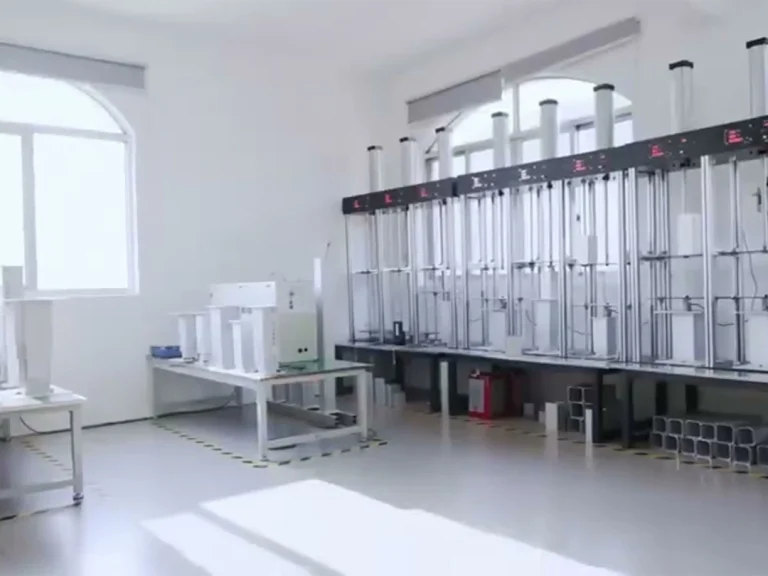
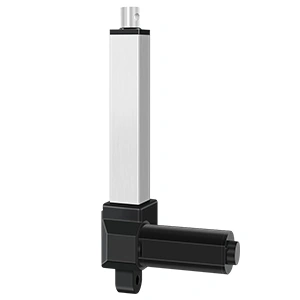
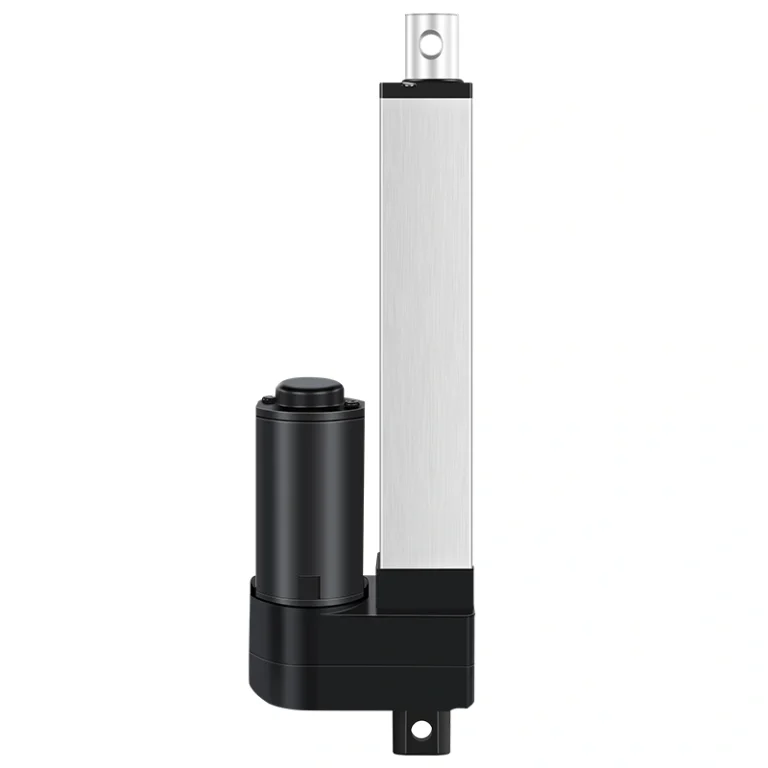
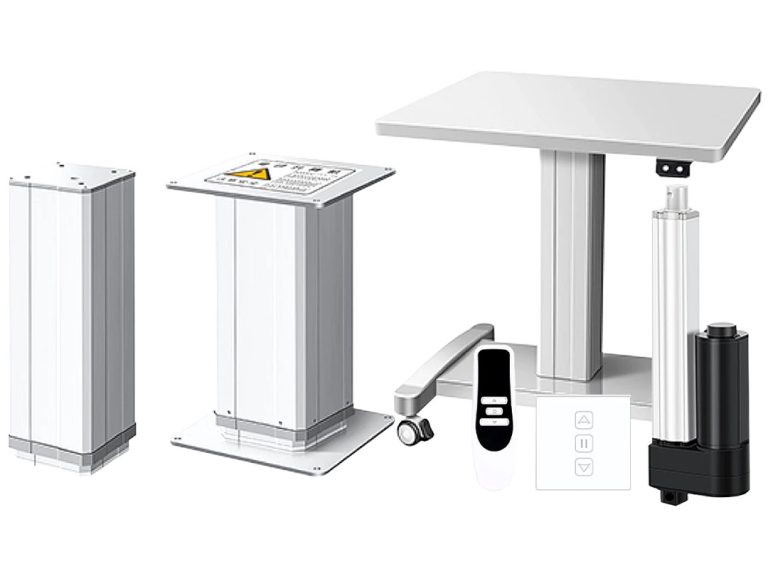
Seleccionar el actuador lineal eléctrico o columna de elevación es crítico para el rendimiento de su proyecto. Como fabricante profesional de Control de Movimiento y Automatización, nuestros ingenieros le ayudan a personalizar la capacidad de carga, la longitud de la carrera y las clasificaciones IP según su aplicación específica. Comparta sus requisitos técnicos para una solución a medida.
ActuLift apoya la personalización de extremo a extremo, desde el diseño estructural y los parámetros de recorrido hasta la marca y los acabados de la carcasa, ayudándote a construir una potente identidad de marca.
Respuesta rápida y prototipado
Entendemos la importancia de la rapidez en la adquisición B2B, utilizando flujos de trabajo de producción optimizados para asegurar respuestas eficientes desde el desarrollo de muestras hasta la entrega a granel.
Quality Documentation & Traceability
Quality and traceability requirements vary by project. Ask ActuLift for the applicable inspection records, product specifications, drawings and available compliance documentation for the selected model and order.