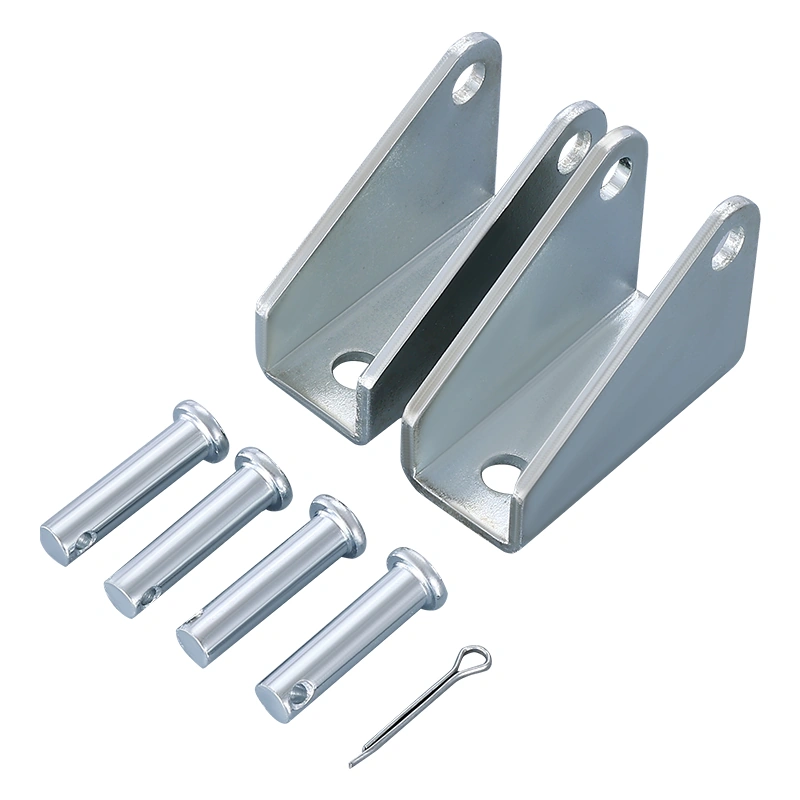
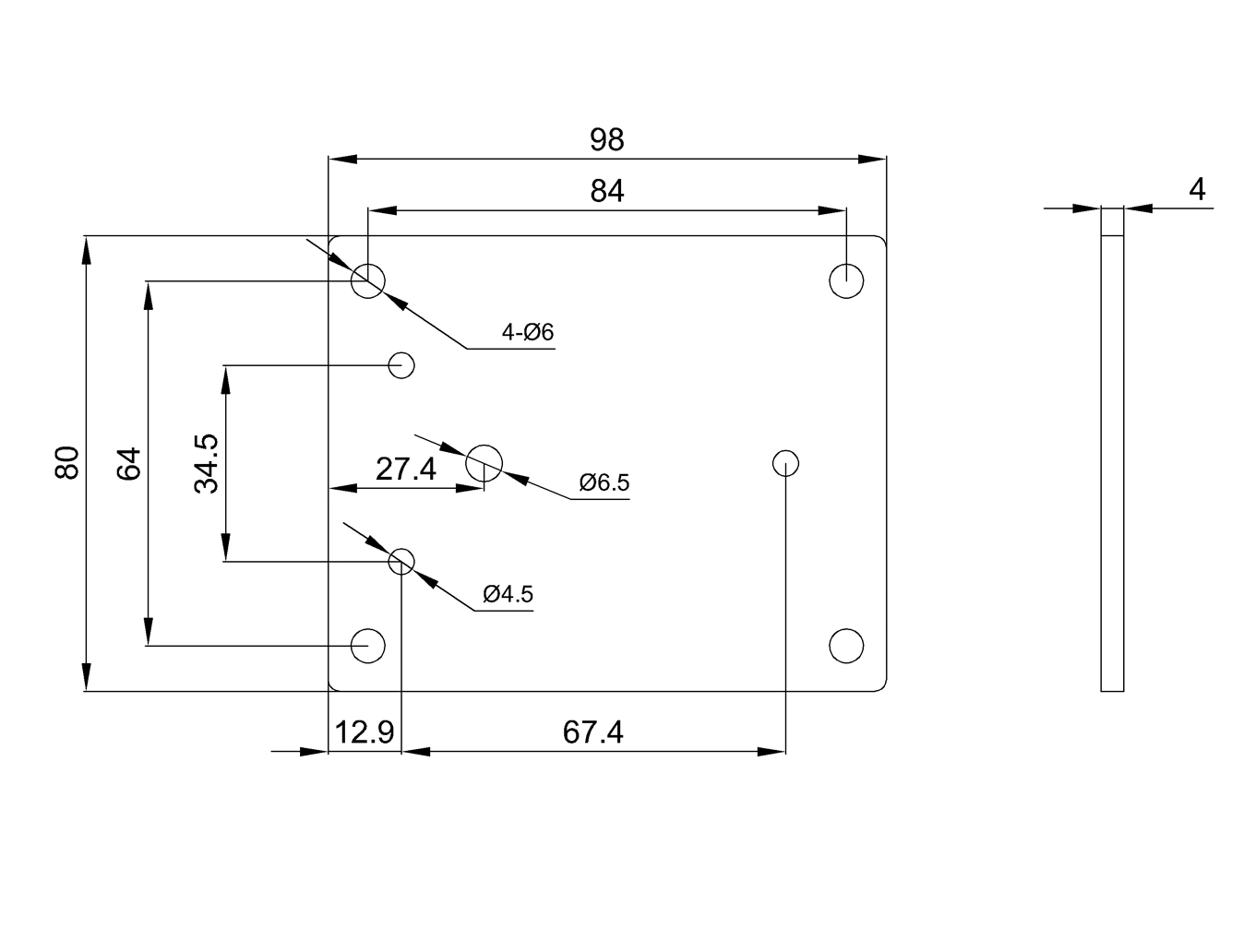
Mounting-bracket selection should begin with the actuator interface, load path, articulation, pin/fastener geometry, mounting surface, clearance, material/finish and approved drawing.
This guide compares H-Type, U-Type, Micro Mini and Flat Base bracket directions without treating the category name as proof of load capacity, material, fit or lifecycle.
Table des matières
Pourquoi les supports de montage sont importants
Linear actuators require a mounting arrangement that keeps the intended load path, alignment and articulation within the selected actuator and bracket limits. Review the bracket as part of the complete assembly, including:
Un alignement adéquat entre l'actionneur et la charge
Une transmission efficace de la force sans stress inutile
Un entretien facile accès lorsque des réparations sont nécessaires
Capacité de pivot pour les applications nécessitant un mouvement angulaire
Choisir de manière incorrecte signifie sacrifier la performance, la longévité, et potentiellement endommager l'ensemble de votre système.
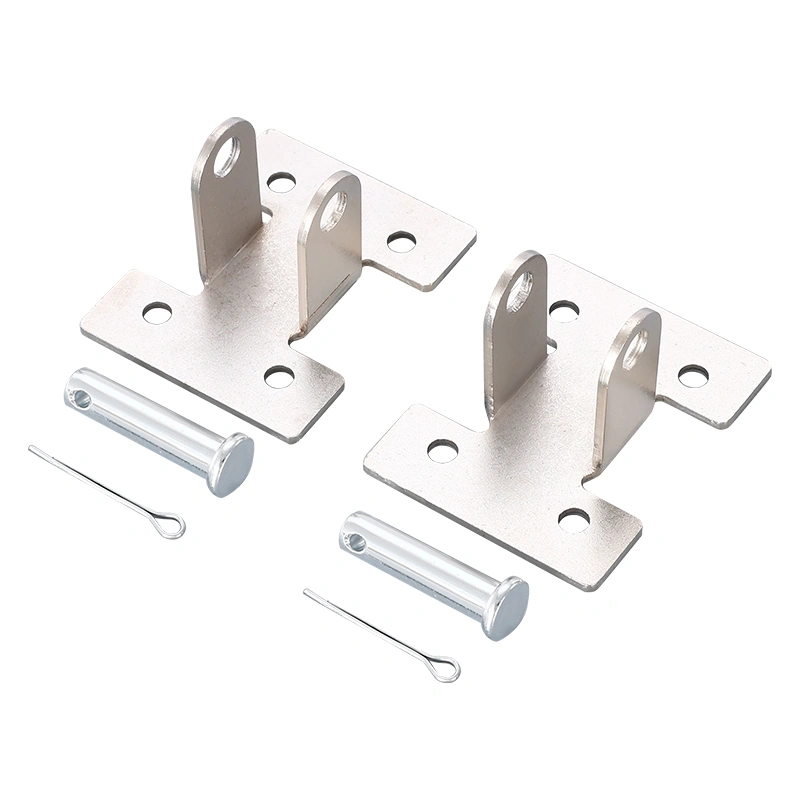
H-Type Brackets: Pivot-Mount Configuration Review
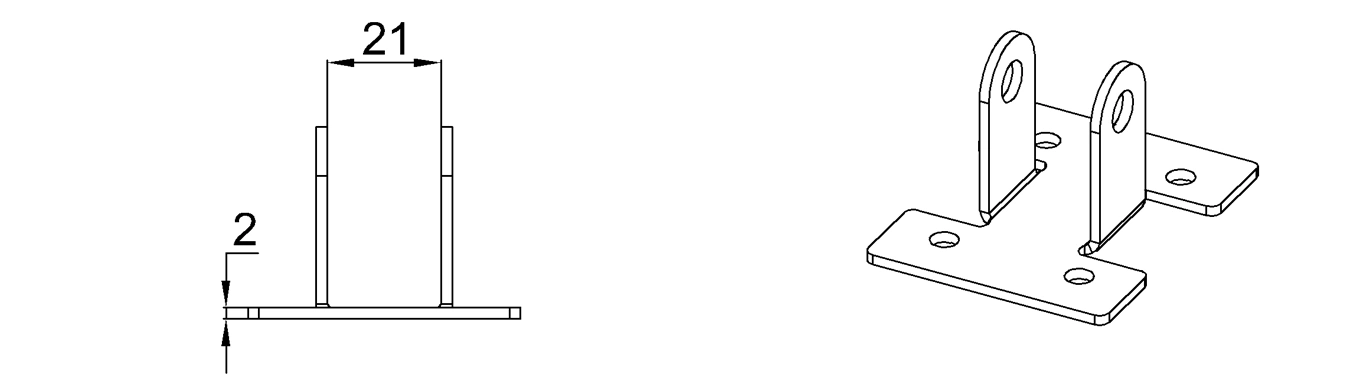
H-Type brackets are one pivot-mount option for actuator assemblies. Final stability, articulation and load capability depend on the selected bracket geometry, material, pin/fasteners, mounting surface and complete load path.
Caractéristiques Clés
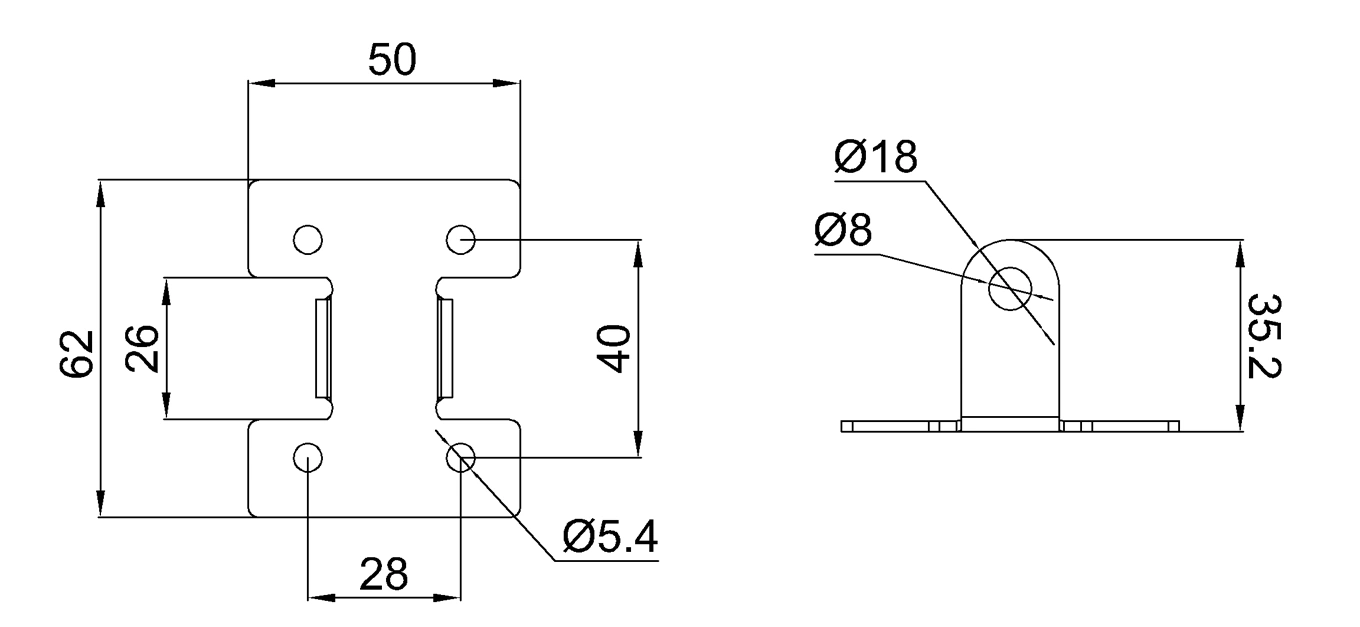
Pivot geometry must be confirmed from the approved actuator/bracket drawing and required articulation
Pin / hole dimensions must match the actuator interface, retention method and actual load case
Material / thickness / finish must be confirmed on the selected drawing or quotation
Hole pattern and clearance are configuration-specific; do not assume universal actuator compatibility
Applications
H-Type brackets can be evaluated in applications where the selected interface and load path fit the mechanism, including:
Automatisation industrielle—after load, articulation, fastener and mounting-surface requirements are validated
Care-related / regulated equipment—only after finished-device mechanical, safety and regulatory requirements are validated
Machinerie agricole—after vibration, contamination, load direction and environmental requirements are confirmed
Custom OEM projects—where the approved bracket drawing matches the actuator and assembly geometry
Avantages
Do not assume the H-Type shape automatically distributes load evenly, extends actuator life, preserves positioning precision or corrects misalignment. Review the actual joint geometry and load direction, and validate alignment and full-motion clearance in the production-intent assembly.
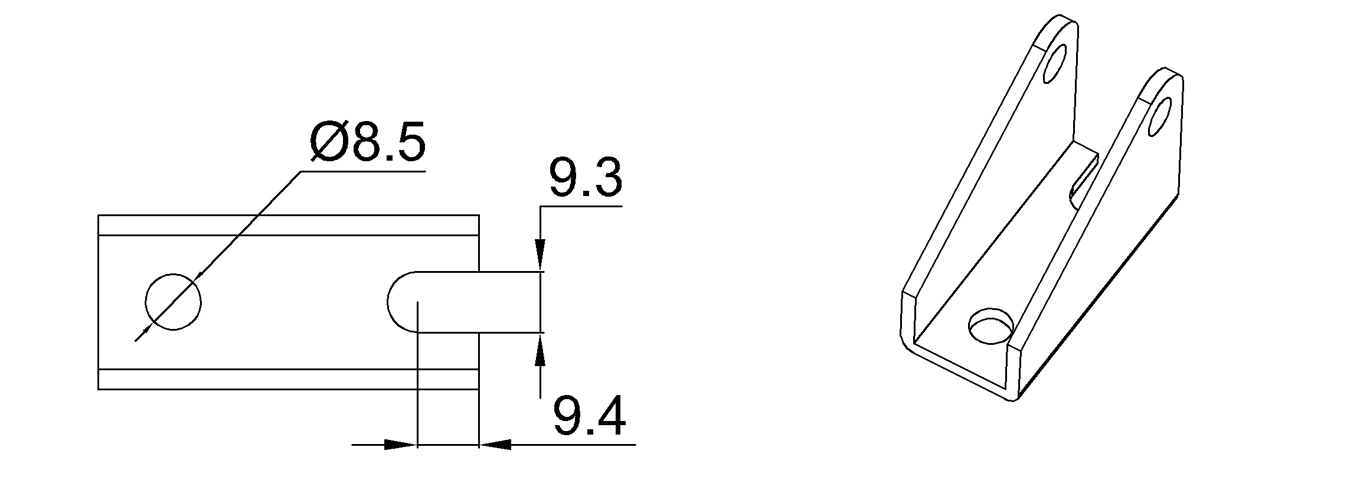
U-Type brackets are another pivot-mount configuration. Whether they provide a lower profile or suitable support depends on the selected dimensions, actuator interface, load path and surrounding clearance.
Caractéristiques Clés
Bracket construction must be confirmed from the selected drawing; rigidity depends on geometry, material and mounting
Package envelope should be checked against the mechanism’s actual clearance and articulation requirements
Orientation de montage must follow the approved bracket/actuator interface and load path
Material / coating must be confirmed for the selected order and environmental exposure
Applications
U-Type brackets can be evaluated where their geometry fits the mechanism, including:
Vehicle / mobile equipment—after shock, vibration, load and qualification requirements are defined
Marine-adjacent / corrosive environments—only after material, coating, salt/moisture and corrosion requirements are validated
Automatisation du mobilier—after interface, pinch/clearance, load and lifecycle requirements are confirmed
Space-constrained mechanisms—when the selected drawing actually fits the available envelope and articulation
Avantages
Do not infer lower weight, medium-duty capacity, easier installation or superiority over H-Type from the category name. Compare the approved H- and U-Type drawings against the actuator interface, load case, articulation, fasteners and available space.
Micro Mini brackets are intended for compact actuator assemblies, but package fit, load capability and serviceability must be confirmed for the selected bracket/actuator pair.
Caractéristiques Clés
Compact geometry must be confirmed from the approved drawing; do not assume a universal 10mm actuator-diameter limit
Material and mass depend on the selected bracket material, thickness and dimensions
Pivot / pin interface must match the selected actuator and required articulation
Material / finish options are subject to drawing and quotation approval
Applications
Micro brackets can be considered in compact mechanisms such as:
Robotics / automation—after interface, load, stiffness and clearance requirements are defined
Care-related / regulated equipment—only after finished-device mechanical, safety, cleaning and regulatory requirements are validated
Compact electronics / mechanisms—when the approved bracket geometry and load path fit the assembly
Custom prototypes—after actuator fit, pin size, hole spacing and allowable assembly load are confirmed
Avantages
Do not infer a special load capability from compact size. Confirm the allowable bracket and assembly load for the actual mounting geometry and selected material.
Flat Base brackets provide a stationary base interface for selected actuator assemblies. Their suitability depends on the actuator connection, base geometry, fasteners, mounting surface and force direction.
Caractéristiques Clés
Base interface must match the mounting surface, fastener pattern and controlled drawing
Actuator connection must be confirmed for pin/thread/interface geometry and full-motion clearance
Hole pattern is configuration-specific; confirm dimensions and fasteners before integration
Allowable load depends on bracket geometry, material, fasteners, force direction and mounting surface
Applications
Flat Base mounts can be evaluated where a fixed base interface matches the load path, including:
Linear mechanisms—when the base/interface geometry and articulation requirements are compatible
Push or pull mechanisms—only after the actual force direction and bracket/fastener load case are validated
Installations fixes—where the approved mounting surface and fasteners support the complete load case
Intégration OEM—after interface, drawing, material/finish and clearance requirements are frozen
Avantages
Do not infer cost, installation effort or reliability from the Flat Base category alone. Compare the approved bracket drawing and assembly method against the actual mechanism and service requirements.
Quick-Release Pins: Verify Retention, Load & Service Procedure
A quick-release pin can be considered when the bracket/actuator joint is designed for removable pin retention. It is not a universal bracket feature, and its load rating, retention method, clearance, inspection and service procedure must be verified for the selected assembly.
Comment ça marche
Quick-release pins use different retention mechanisms depending on design. Confirm the actual pin diameter, material, locking feature, retention indication, allowable shear/bending load and release procedure rather than assuming a spring-loaded button design.
Avantages
Service access A removable pin can simplify actuator removal in some assemblies when the surrounding geometry and safety procedure permit it. Measure the actual service time on the production-intent design rather than assuming a seconds-level replacement.
Downtime planning Any downtime benefit depends on lockout/tagout, access, load support, pin removal, alignment, replacement and recommissioning steps. Quantify the actual maintenance procedure before claiming reduced downtime.
Reconfiguration If actuator interchangeability is required, freeze the approved actuator/bracket/pin interfaces and verify that each permitted replacement maintains load, alignment, clearance and retention requirements.
Service economics Compare labor, tools, spare parts, access and validation requirements for the actual maintenance method. A quick-release pin does not inherently reduce lifecycle cost or extend equipment life.
Applications
Quick-release pins may be evaluated when controlled, repeated removal is part of the service concept, such as:
Production equipment where a validated removable joint supports the maintenance/changeover plan
Test fixtures where repeatable interface geometry and retention are controlled
Équipements mobiles only when transport/service procedures safely support actuator removal
Serviceable equipment where replacement compatibility, pin inspection and recommissioning are defined
Guide de comparaison : choisir le bon support
Bracket selection depends on the controlled drawing and actual assembly. Use this table as a review checklist rather than a fixed load/cost ranking:
Review area
Type H
Type U
Micro Mini
Base plate
Interface geometry
Confirm pivot/end interface from drawing
Confirm pivot/end interface from drawing
Confirm compact actuator interface
Confirm base and actuator interface
Articulation
Confirm required angular movement
Confirm required angular movement
Confirm required angular movement
Confirm whether articulation is required
Allowable load
Configuration-specific: derive from bracket geometry, material, pin/fasteners, force direction, mounting surface and complete assembly
Material / finish
Confirm on selected drawing, BOM or quotation; do not infer from bracket type
Package / clearance
Verify installed envelope
Verify installed envelope
Verify compact envelope
Verify base footprint and full-motion clearance
Commercial / service fit
Compare current quotation, installation procedure, inspection/replacement needs and configuration control
Quand choisir un support de type H
Projects where the approved H-Type interface, articulation and load case fit the actuator assembly
Projects whose required articulation matches the selected H-Type bracket drawing
Industrial projects only after material, environment, fastener and lifecycle requirements are validated
Quand choisir un support de type U
Projects where the selected U-Type geometry fits the available installation envelope
Applications where the approved U-Type drawing provides the required clearance and articulation
Any load class only after the actual U-Type bracket and assembly load case are verified
Quand choisir un support Micro Mini
Compact actuators whose interface matches the selected Micro Mini bracket drawing
Compact devices or robotics after stiffness, load and clearance requirements are validated
Applications whose load and positioning requirements are validated at assembly level; bracket size does not establish precision
Quand choisir un support à base plate
Mechanisms where the selected Flat Base interface and force direction are supported by the approved assembly
Fixed-base installations after articulation, alignment and full-motion clearance are confirmed
Projects where the current quotation and service method make the selected Flat Base configuration commercially suitable
Puis-je utiliser un support de type H pour une application industrielle à forte charge ?
Only after the selected H-Type bracket and complete assembly are verified for the actual load case. Confirm bracket geometry, material/thickness, pin or fastener dimensions, force direction, mounting surface, articulation and current drawing/test evidence; the H-Type label is not a high-load rating.
Quel est l'avantage principal d'un support de type U par rapport à un support de type H ?
There is no universal advantage. Compare the approved H- and U-Type drawings against the actuator interface, installation envelope, required articulation, load path, material/finish and service access. A U-Type may fit some packaging constraints, but that must be demonstrated by the selected geometry.
Ai-je besoin d'un support pivotant pour chaque installation ?
No. The required interface follows the mechanism. A Flat Base bracket can be considered when its base/actuator connection, alignment, force direction, fasteners and motion clearance fit the design; it is not automatically more stable or less expensive than a pivoting bracket.
Pourquoi devrais-je envisager une conception de goupille à dégagement rapide ?
Consider it when controlled actuator removal is part of the service plan and the pin/bracket joint has documented load, retention and inspection requirements. Any maintenance-time or downtime benefit should be measured on the actual assembly rather than assumed.
Conclusion
Bracket selection affects the actuator load path, alignment, articulation, clearance and serviceability. Compare H-Type, U-Type, Micro Mini and Flat Base options using the approved drawings and actual assembly requirements rather than fixed category rankings.
If a quick-release pin is proposed, verify its load/retention evidence and service procedure, then measure whether it provides a meaningful maintenance benefit for the actual equipment.
Ready to define a bracket requirement? Use the Supports et montages et Actionneurs linéaires categories to identify candidate parts, then confirm the matching drawing, load case, pin/fasteners, material/finish and full-motion clearance.
Sources & Evidence Boundary
H-Type current product page — verify actuator interface, bracket drawing, material, pin/fasteners and actual load path.
Obtenez des Aperçus d'Experts sur le Contrôle de Mouvement Industriel
Sélectionner le bon vérin linéaire électrique ou colonne de levage est crucial pour la performance de votre projet. En tant que fabricant professionnel de Contrôle de Mouvement & Automatisation, nos ingénieurs vous aident à personnaliser la capacité de charge, la longueur de course et les classes IP en fonction de votre application spécifique. Partagez vos exigences techniques pour une solution sur mesure.
ActuLift prend en charge la personnalisation de bout en bout, de la conception structurelle et des paramètres de course aux finitions de marque et de boîtier, vous aidant à construire une identité de marque puissante.
Réponse rapide et prototypage
Nous comprenons l'importance de la rapidité dans l'approvisionnement B2B, en utilisant des flux de production optimisés pour garantir des réponses efficaces du développement d'échantillons à la livraison en gros.
Quality Documentation & Traceability
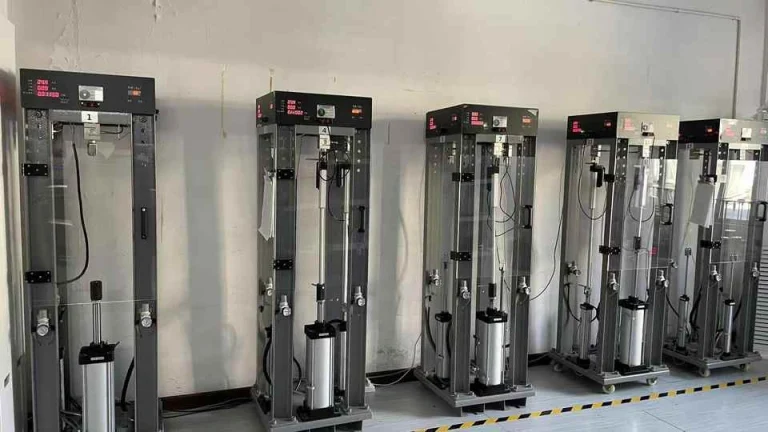
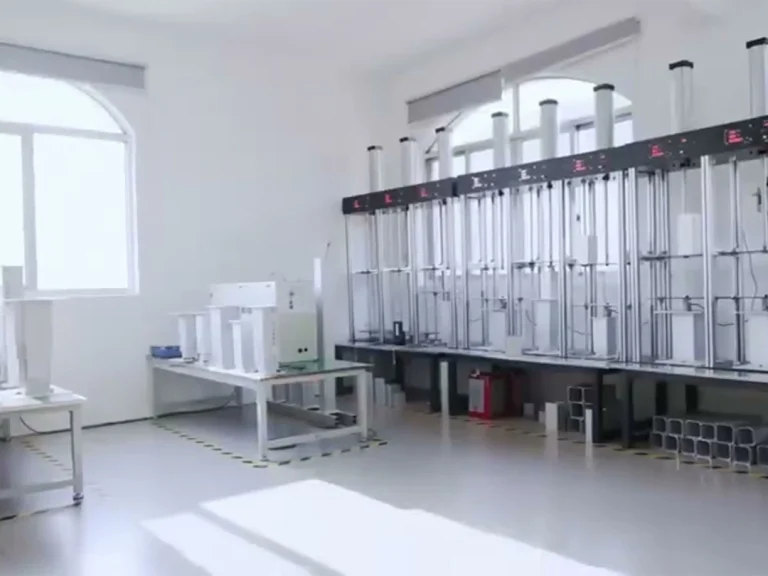
Quality and traceability requirements vary by project. Ask ActuLift for the applicable inspection records, product specifications, drawings and available compliance documentation for the selected model and order.