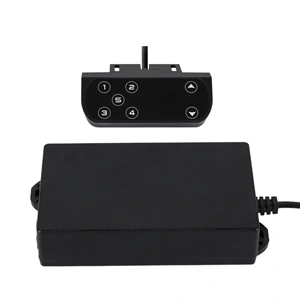
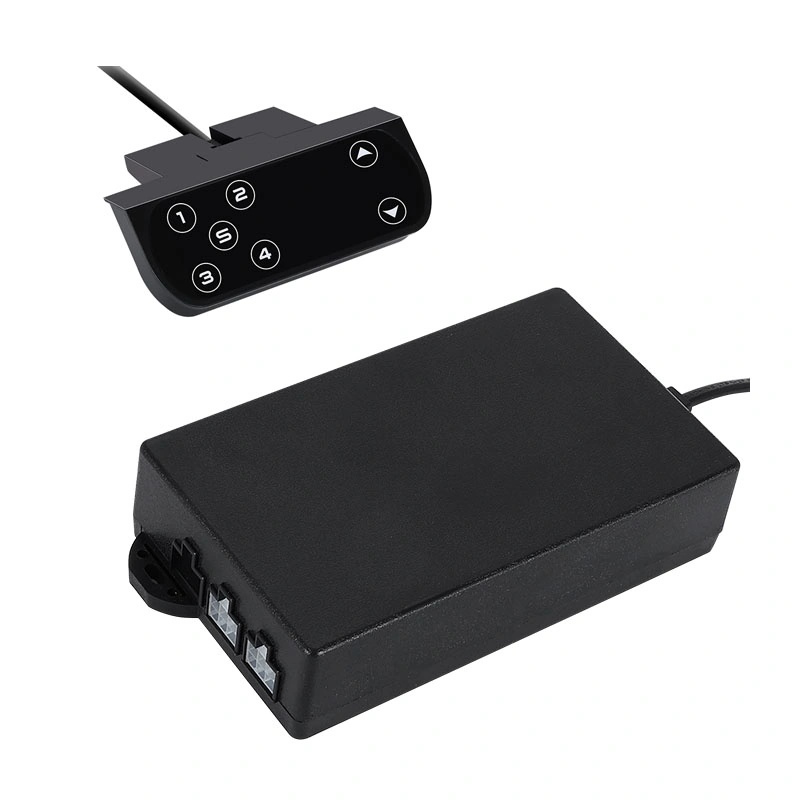
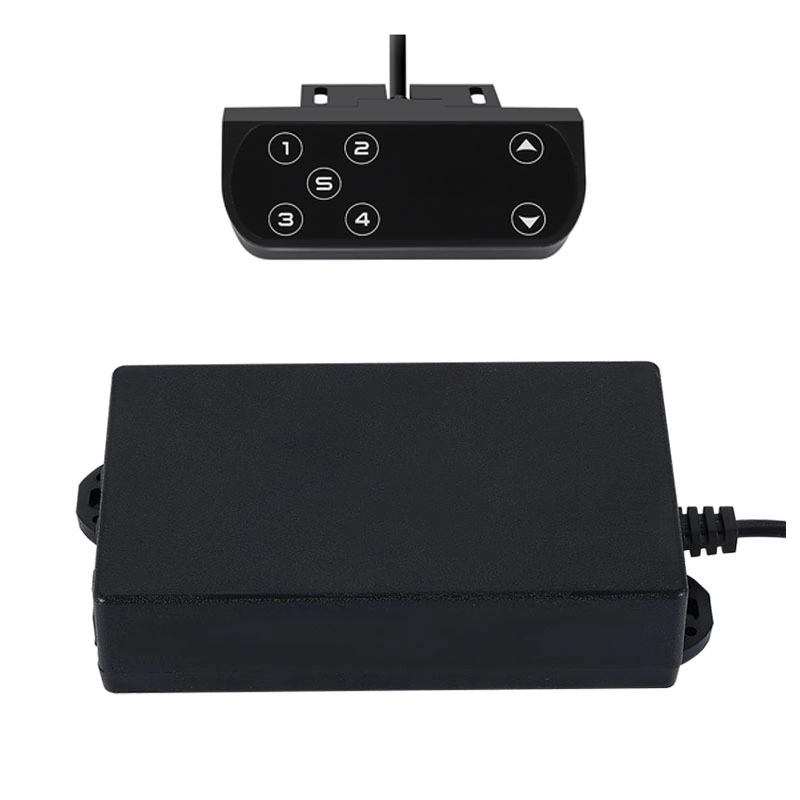
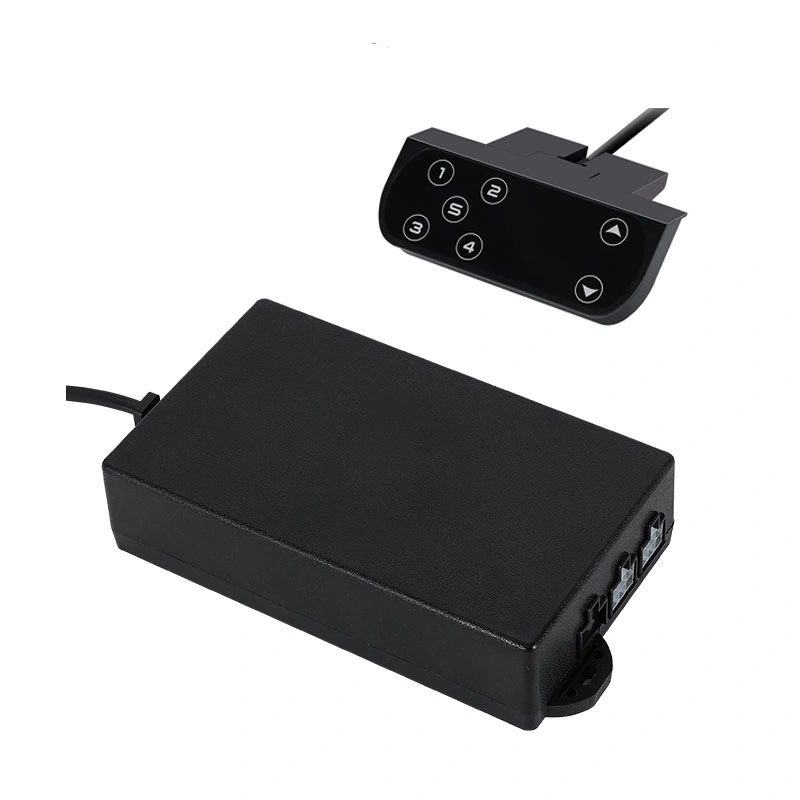
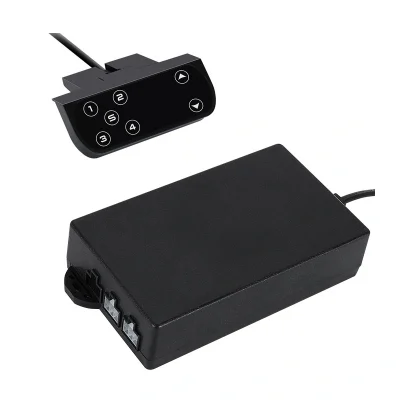
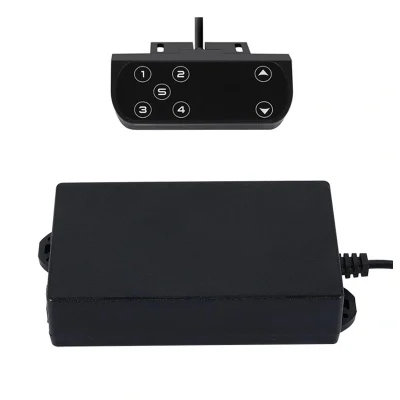
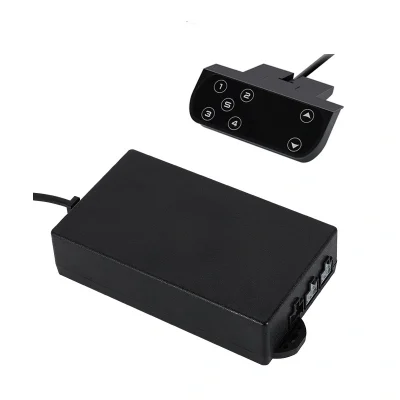
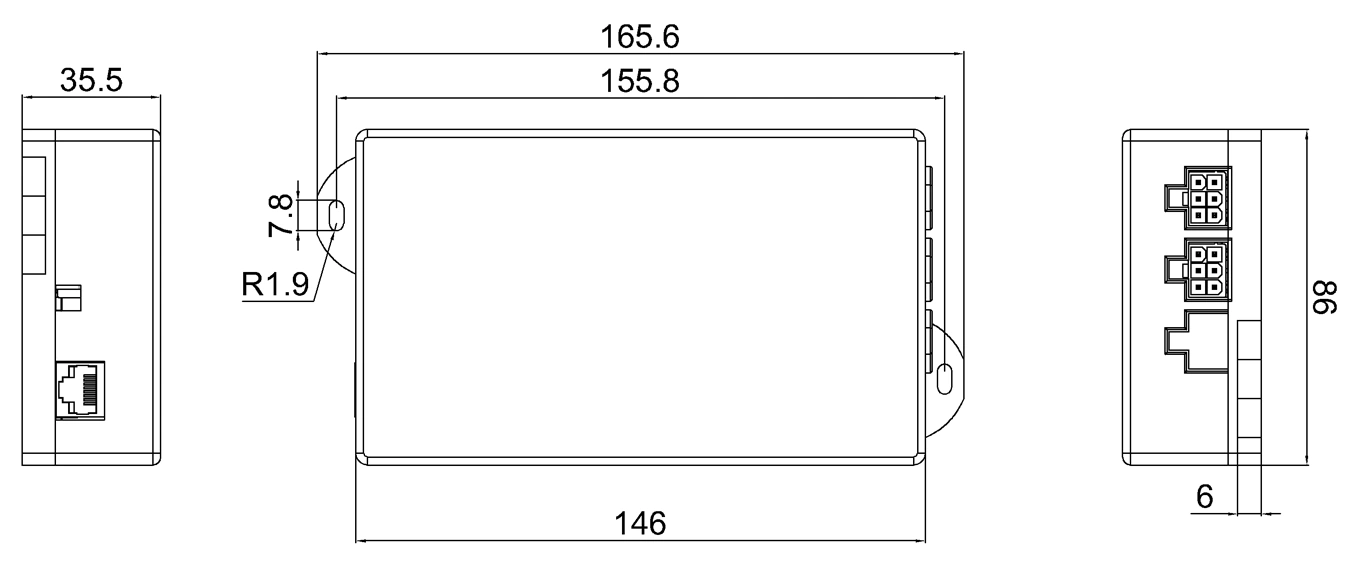
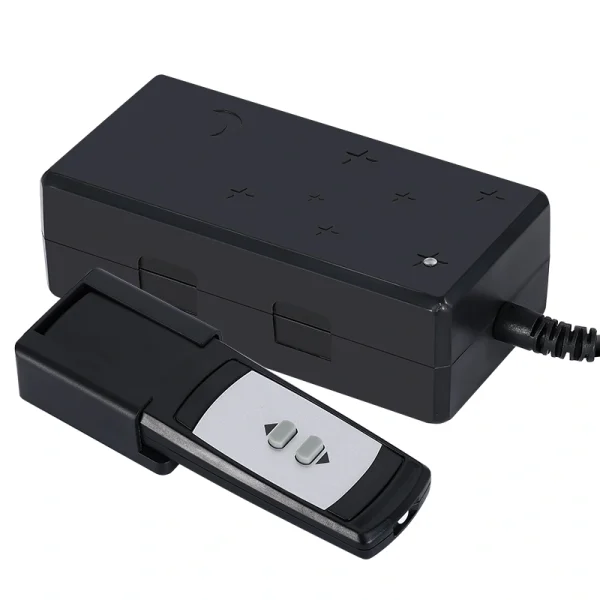
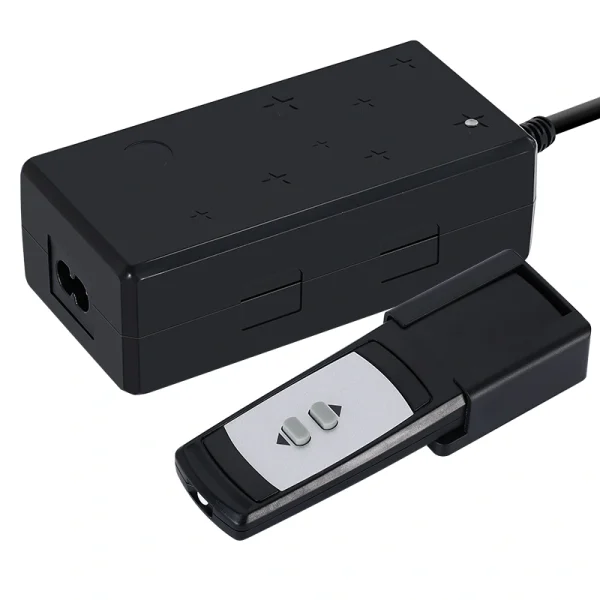
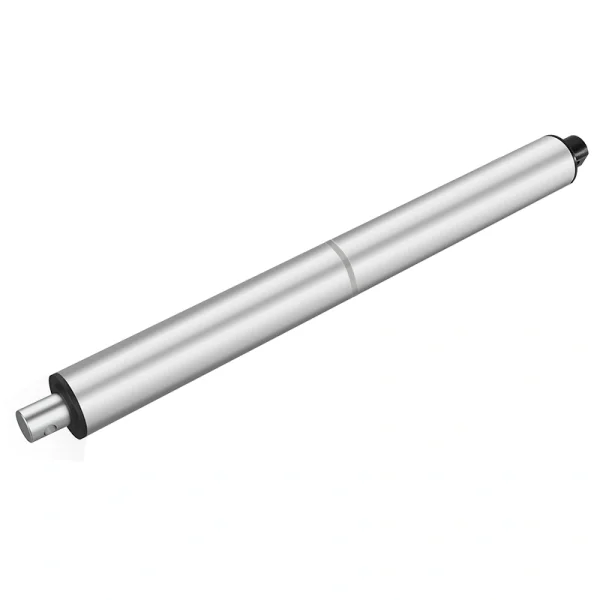
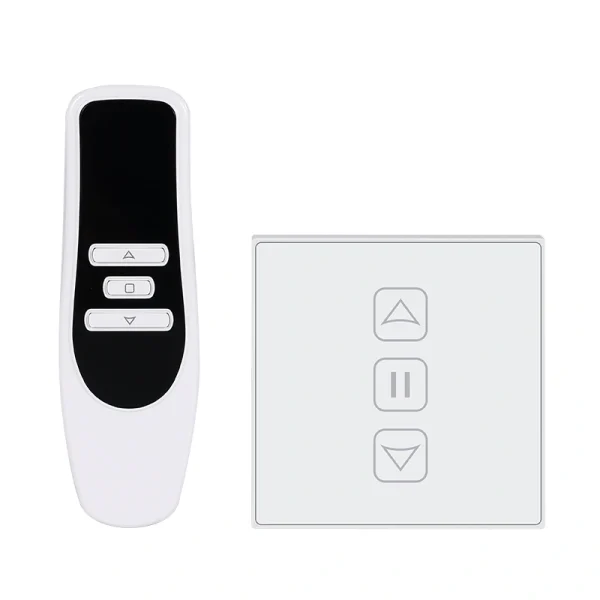
IPC2 linear actuator controller for two-actuator motion systems
The IPC2 Linear Actuator Controller is a compact control box for OEM equipment that needs coordinated linear motion. It takes 29V DC input and works with 24V actuator systems, so it fits many electric lifting, adjustment, and positioning projects without forcing buyers to redesign the whole power plan.
The main reason to choose IPC2 is simple: it can control up to 2 actuators at the same time. For manufacturers building lifting desks, TV lifts, adjustable medical furniture, automated cabinets, or compact industrial machines, that two-actuator capacity can keep the control architecture clean. One controller, one defined control point, and fewer loose decisions during assembly.
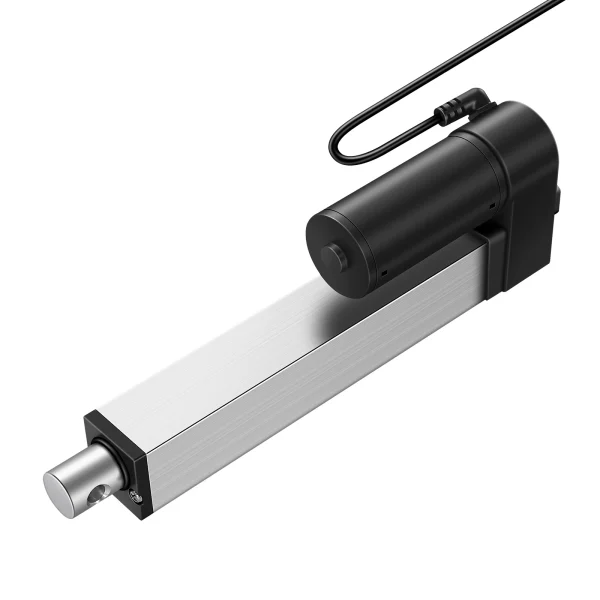
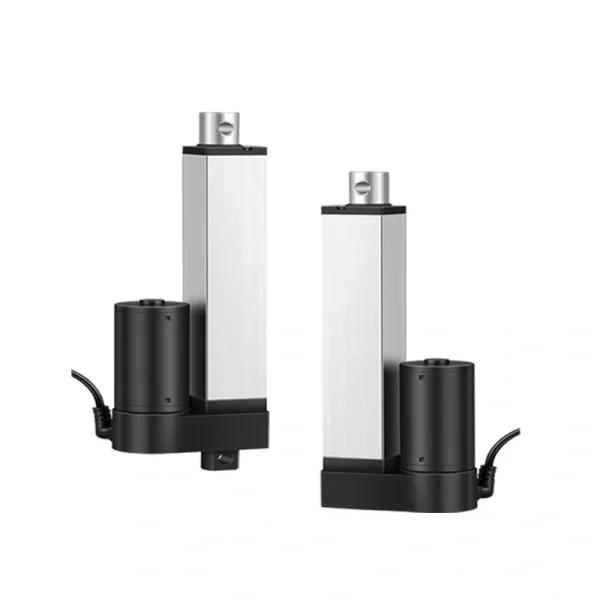
Based on the listed specs, the IPC2 is not the part that decides final speed or travel. Speed depends on the actuator you connect. Travel length comes from the actuator stroke and the OEM machine structure. That is useful for custom projects because the same controller can sit inside different motion builds, as long as voltage, actuator type, wiring, load, and control logic are matched before sampling.
For related system components, buyers can compare ActuLift Boîtiers de contrôle et contrôleurs, pair the controller with Actionneurs avec retour d'information/Contrôleur, or plan complete motion assemblies with Actionneurs linéaires 24V.
Specifications du produit
| Spécification | Détails |
|---|
| Nom du produit | Contrôleur d'actionneur linéaire IPC2 |
| Mode public | B-end gros/OEM |
| Tension d'entrée | Peut contrôler jusqu'à 2 actionneurs simultanément |
| 5000 N (1124 lbs) charge statique | Vitesse (vide / charge pleine) |
| Dépend de l'actionneur connecté | Longueur de course |
| Personnalisable via des composants de machine OEM | Niveau de protection IP66 |
| Niveau de protection IP | <45dB (fonctionnement silencieux) |
| Température de fonctionnement | -20 deg C à +60 deg C |
| Niveau de bruit | Basé sur nos |
| Certification | Conforme aux normes CE et RoHS |
Built for OEM integration, not one fixed catalog layout
IPC2 makes the most sense when your engineering team already knows the target motion: lift, tilt, extend, retract, open, close, or position. The controller gives you a controlled electrical interface for up to two actuators, while the actuator model and mechanical design decide the stroke, speed, load behavior, and mounting envelope.
That split is important. A buyer should not ask only, “How fast is IPC2?” A better question is, “Which actuator, under which load, with what stroke and duty cycle?” Once those details are clear, the controller can be matched to a practical machine layout.
For furniture and equipment projects, IPC2 can sit inside a broader actuator package that may include Télécommandes et terminaux, Electric Lifting Columns, and custom mounting parts such as Supports et montages.
IP66 protection for tougher equipment environments
The listed IP66 protection level gives IPC2 a stronger enclosure story than a basic indoor-only control box. IEC explains that IP ratings grade the enclosure against dust and liquids. In plain buyer language, that means IP66 is a specification you can use when the controller may face dust, splashing, cleaning routines, or damp operating areas.
Still, IP ratings should be checked against the real installation. Cable exits, connectors, mounting direction, and the final equipment enclosure can all affect field performance. For applications where moisture is a regular concern, buyers may also review ActuLift Actionneurs linéaires étanches so the controller and actuator protection levels make sense together.
Quiet control for furniture, healthcare, and workstation equipment
The <45dB noise level is useful for products where sound matters: sit-stand desks, patient-area equipment, home furniture, meeting-room furniture, and display lift systems. In these categories, the user does not want the control system to call attention to itself. Smooth movement matters, but quiet movement often matters just as much.
For procurement teams, the practical point is to test the whole system. The controller may support quiet operation, but the actuator, load, frame, mounting stiffness, and cable routing can change what the final product sounds like. Ask for a sample test using your actual actuator and machine structure when noise is part of the buying decision.
CE and RoHS wording for wholesale buyers
The IPC2 brief states that the controller is compliant with CE and RoHS standards. For B2B sourcing, that should be handled as a documentation checkpoint. CE marking is a manufacturer declaration that the product meets applicable EU legal requirements for CE marking. RoHS relates to restricted hazardous substances in electrical and electronic equipment.
Before a bulk order, ask for the matching Declaration of Conformity, RoHS statement, product label details, and any test reports tied to the exact IPC2 configuration you plan to buy. This keeps the claim useful and clean. It also avoids a common procurement headache: approving a sample based on one configuration, then receiving a different cable, enclosure, or label in production.
OEM buyer checklist
- Confirm the actuator model, rated voltage, load, stroke, and feedback type before matching IPC2.
- Check whether the final machine needs one actuator or two-actuator synchronized movement.
- Treat actuator speed as a system result, not a controller-only number.
- Confirm cable length, connector type, handset or remote-control interface, and mounting position.
- Check IP66 requirements together with connector sealing and final equipment enclosure design.
- Request CE and RoHS documentation for the exact ordered configuration.
- Test noise level in the finished machine, especially for office, furniture, medical, and home-use equipment.
Pourquoi ce produit fonctionne bien
IPC2 works well for OEM buyers who need a compact controller for up to two actuators without locking every project into one fixed stroke or speed. Its 29V DC input, 24V-system compatibility, IP66 rating, -20 deg C to +60 deg C range, quiet operation, and CE/RoHS compliance make it a practical control choice for custom lifting and adjustment equipment.
Liens internes utilisés