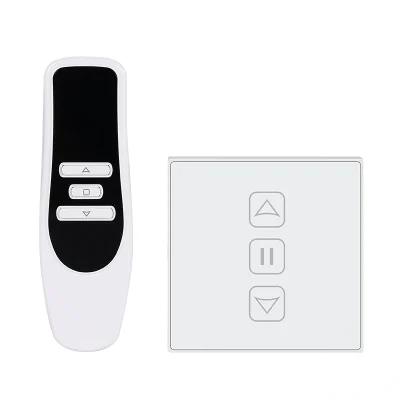
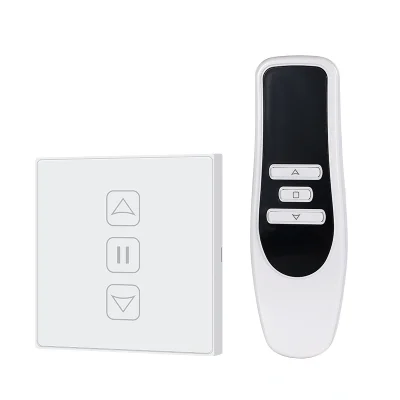
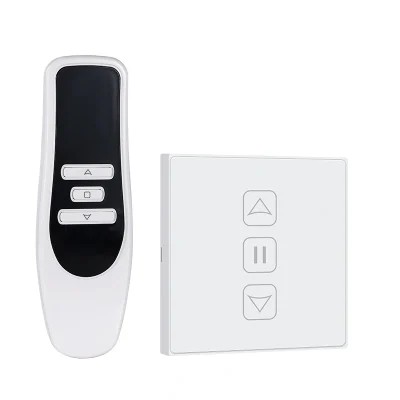
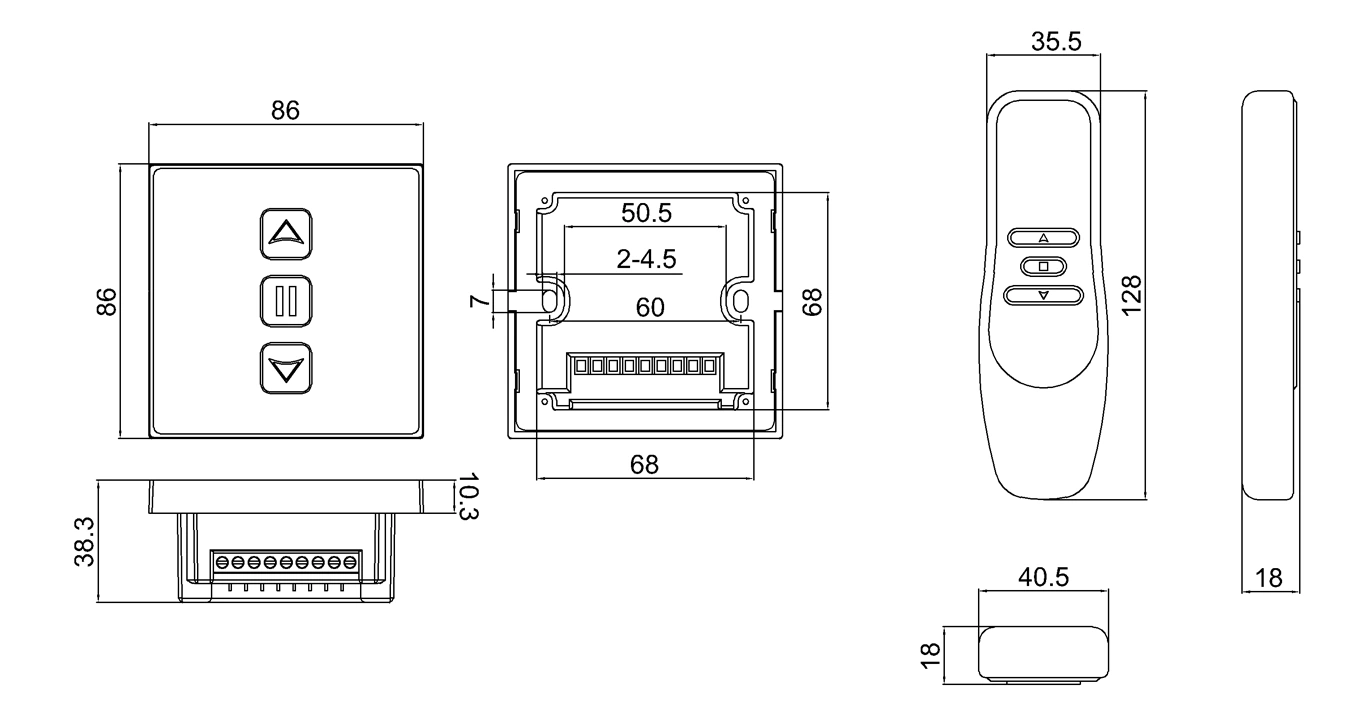
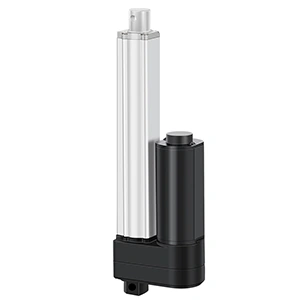
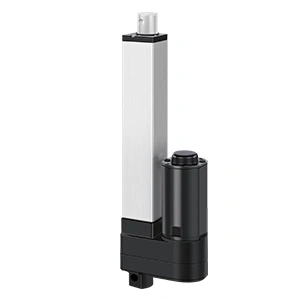
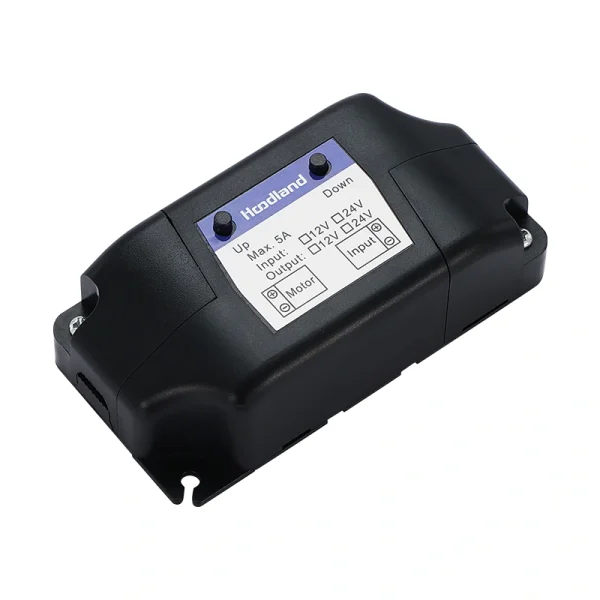
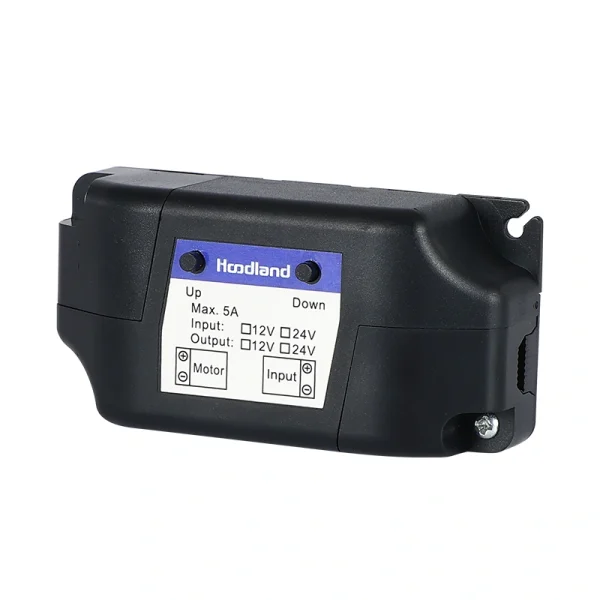
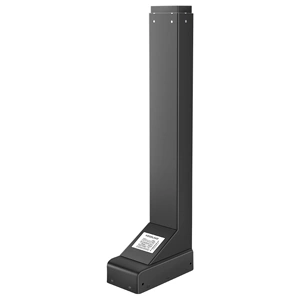
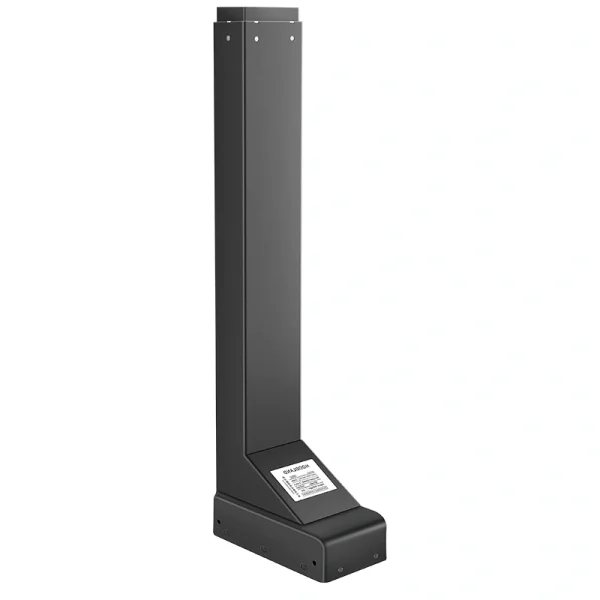
IPC1 linear actuator controller for flexible OEM motion control
IPC1 Linear Actuator Controller is built for OEM buyers who need one controller platform to support different actuator systems without making the electrical design messy. It accepts 12V, 24V, and 48V DC stabilized input, supports several control signals, and works with common feedback devices used in linear motion equipment.
For procurement teams, the useful part is the control flexibility. IPC1 can fit basic actuator movement, equipment-level command systems, and feedback-based motion projects. It is a good match for buyers sourcing control boxes and controllers, 12V linear actuators, 24V linear actuators, or actuators with feedback and controllers as one coordinated package.
The controller is also specified for IP65 protection, -20 ° C to+60 ° C working temperature, and <30dB operation. That keeps it relevant for indoor medical equipment, quiet furniture systems, industrial control panels, mobile equipment, and actuator assemblies that need cleaner wiring than a loose switch can provide.
Product specifications
| Specification | Details |
|---|
| Product name | IPC1 Linear Actuator Controller |
| Audience mode | B-end wholesale/OEM |
| Input voltage | 12V/24V/48V DC (stabilized) |
| Maximum continuous current | 10A -30A (please contact ActuLift Engineering Department for specific tolerances) |
| Control signal | PWM, RS485, CAN, 0-10V analog signal |
| Feedback support | Hall sensors, potentiometers, encoders |
| Protection level | IP65 (dustproof and waterproof) |
| Working temperature | -20 ° C to+60 ° C |
| Noise level | <30dB (silent operation, suitable for medical use) |
| Certification | Compliant with CE and RoHS standards |
Why OEM buyers choose IPC1
Many actuator-control problems start before production. A buyer chooses the actuator first, then discovers that the controller does not match the voltage, current, signal type, or feedback method. IPC1 gives your engineering team more room at that point.
The 12V/24V/48V DC input range helps when one equipment line uses compact 12V actuators, another uses 24V linear actuators, and a heavier project moves toward 48V DC. The controller still needs to be matched to the exact actuator, power supply, and duty requirement, but the voltage coverage makes early platform planning easier.
Current planning deserves a careful note. The listed maximum continuous current is 10A -30A, and the brief asks buyers to contact ActuLift Engineering Department for specific tolerances. Keep that step in the buying process. It protects the project from undersized control hardware, heat buildup, or a mismatch between peak current and continuous operating load.
For heavier motion packages, compare IPC1 requirements with heavy duty linear actuators during the first quotation stage. The actuator, controller, cable, and mounting layout should be reviewed together.
Control signals and feedback support
IPC1 supports PWM, RS485, CAN, and 0-10V analog signal. That mix is useful for B2B systems because not every customer controls motion the same way. Some projects need a simple command signal. Others connect to a PLC, embedded controller, equipment board, or vehicle-style CAN network.
Feedback support is just as important. IPC1 can work with Hall sensors, potentiometers, and encoders, according to the supplied brief. This matters when the buyer needs position information, repeatable travel, synchronized movement, or smoother system diagnostics.
In practical sourcing terms, do not only ask, “Can it move the actuator?” Ask these questions before sample approval:
- Which actuator voltage will the final equipment use?
- What is the rated load, peak current, and continuous current?
- Will the system use PWM, RS485, CAN, or 0-10V analog control?
- Does the actuator provide Hall, potentiometer, or encoder feedback?
- How long are the control and power cables?
- Will the controller sit near moisture, dust, cleaning spray, or vibration?
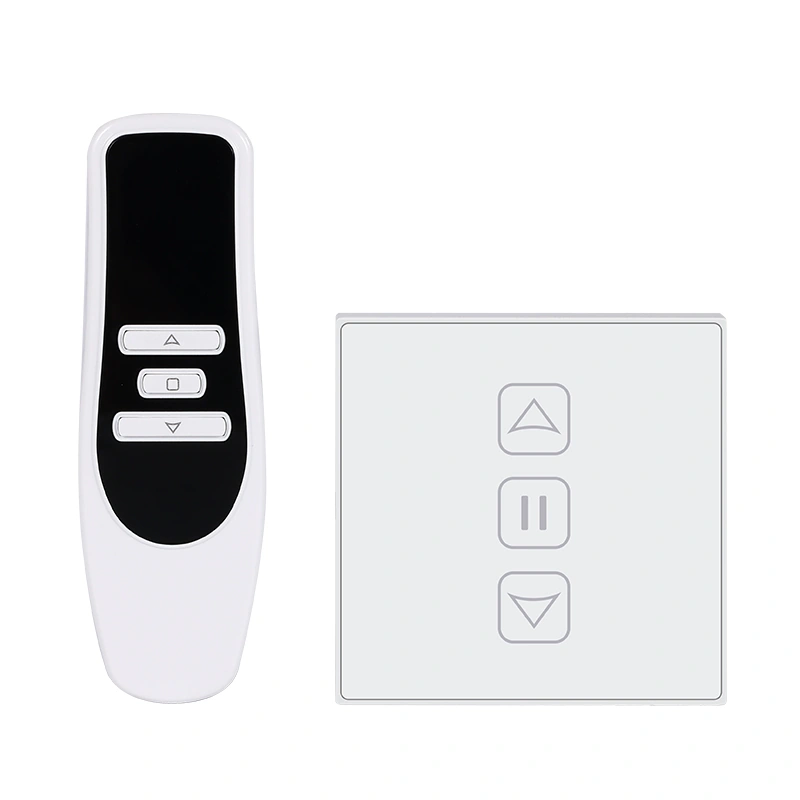
If the project includes user-facing controls, compare IPC1 with ActuLift remote controls and handsets so the electrical interface and operator interface are planned together.
IP65 protection and quiet operation
The user brief lists IPC1 as IP65, dustproof and waterproof. IEC explains that IP ratings grade an electrical enclosure against dust and liquid intrusion, so the rating is a useful reference for buyers working around dust, cleaning exposure, equipment cabinets, and semi-protected installations.
For production, the installation still matters. Confirm the cable exit, connector, enclosure seal, mounting angle, and final wiring harness. A controller enclosure can be well protected while the finished assembly loses protection through a poor cable route or an open connector.
The <30dB noise level also matters for quiet equipment. IPC1 is listed as suitable for silent operation and medical use. That is a strong fit for hospital beds, rehabilitation equipment, patient-support devices, quiet office furniture, and indoor automation. Still, test the whole system during sampling. The controller may be quiet, while the actuator, brackets, frame, or load path adds sound.
For wet or dust-prone actuator packages, review waterproof linear actuators with the controller. For vibration and frame-noise control, include brackets and mountings in the same design review.
Compliance and procurement notes
IPC1 is listed as compliant with CE and RoHS standards. For export orders, buyers should still request documents for the exact model and order configuration. CE marking is tied to conformity responsibility and technical documentation in the EEA. RoHS focuses on restricted hazardous substances in electrical and electronic equipment.
Before bulk order, ask for:
- IPC1 specification sheet for the selected voltage and current configuration.
- CE declaration or related conformity documents for the exact model.
- RoHS compliance statement or material support.
- Wiring diagram for PWM, RS485, CAN, or 0-10V analog signal.
- Feedback wiring details for Hall sensors, potentiometers, or encoders.
- IP65 test or protection explanation for the final enclosure and cable setup.
- Sample test plan covering current, temperature, noise, feedback, and actuator matching.
This is the boring part of procurement, but it saves money. A controller that looks fine on paper can still fail a project if the feedback type, current tolerance, or enclosure detail is confirmed too late.
Buyer FAQ
Can IPC1 support 12V, 24V, and 48V systems?
Yes. The supplied specification lists 12V/24V/48V DC stabilized input. For production, confirm the actuator voltage, power supply, cable length, and current tolerance with ActuLift Engineering Department.
What current rating should I use for quotation?
Use 10A -30A as the listed maximum continuous current range, then confirm the exact tolerance for your actuator and duty cycle. The brief specifically says to contact ActuLift Engineering Department for specific tolerances.
Which control signals does IPC1 support?
IPC1 supports PWM, RS485, CAN, and 0-10V analog signal. That makes it suitable for several equipment-control architectures, from analog command systems to bus-based industrial control.
Does IPC1 support feedback?
Yes. The supplied specification lists Hall sensors, potentiometers, and encoders. Confirm the exact feedback wiring and actuator compatibility before sample approval.
Is IPC1 suitable for medical equipment?
The brief lists <30dB silent operation and notes suitability for medical use. Buyers should still test the complete actuator system because the final sound depends on the actuator, frame, mounting, load, and installation.
What internal ActuLift categories should buyers compare?
Start with control boxes and controllers, 12V linear actuators, 24V linear actuators, actuators with feedback and controllers, waterproof linear actuators, remote controls and handsets, heavy duty linear actuators, and brackets and mountings.
Why this product works well
IPC1 works well for OEM buyers who need one actuator-controller platform across 12V, 24V, and 48V DC systems. Its PWM, RS485, CAN, and 0-10V signal support, feedback compatibility, IP65 protection, <30dB noise level, and CE/RoHS compliance make it practical for quiet medical, office, and industrial motion builds that need cleaner integration before bulk order.
Internal Links Used