¿Por Qué Mi Actuador Lineal Hace Ruido? 4 Causas y Soluciones
¿Luchando con un actuador lineal que hace ruido de molienda, clics o zumbidos? Aprende las 4 causas más comunes del ruido del actuador, desde la carga lateral hasta la falta de lubricación, y descubre consejos profesionales para restaurar un movimiento silencioso, suave y fiable a tus sistemas automatizados.
¿Tu actuador lineal está produciendo sonidos inusuales durante su operación? A change from the actuator’s normal sound can be a useful diagnostic signal, but the sound alone does not identify the root cause. Compare the symptom with load, mounting, power supply, lubrication, temperature and the selected model before deciding on a repair.
This guide covers four common causes of linear actuator noise and a practical inspection sequence. Grinding, clicking, humming, squeaking or rattling can have more than one cause, so confirm the mechanical and electrical condition before replacing parts.
Tabla de Contenidos
Comprender el Ruido del Actuador Lineal
Some operational sound is normal. The useful diagnostic signal is a change from the approved baseline for the same actuator, load, speed, mounting and environment. Unusual noise can justify inspection, but it should not be treated as proof of a specific fault without checking the mechanism and electrical supply.
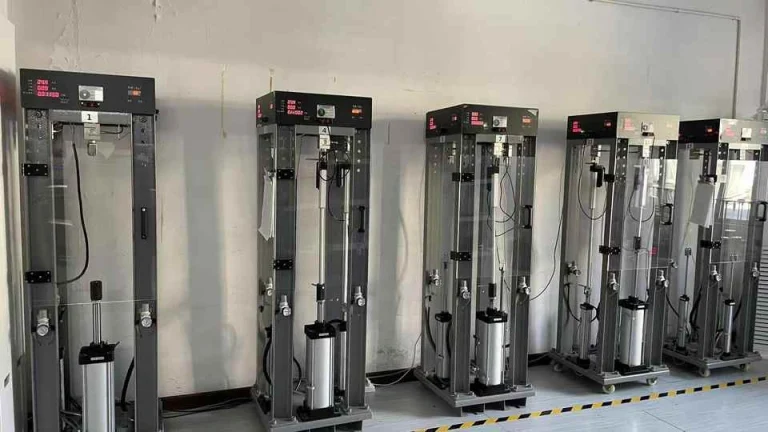
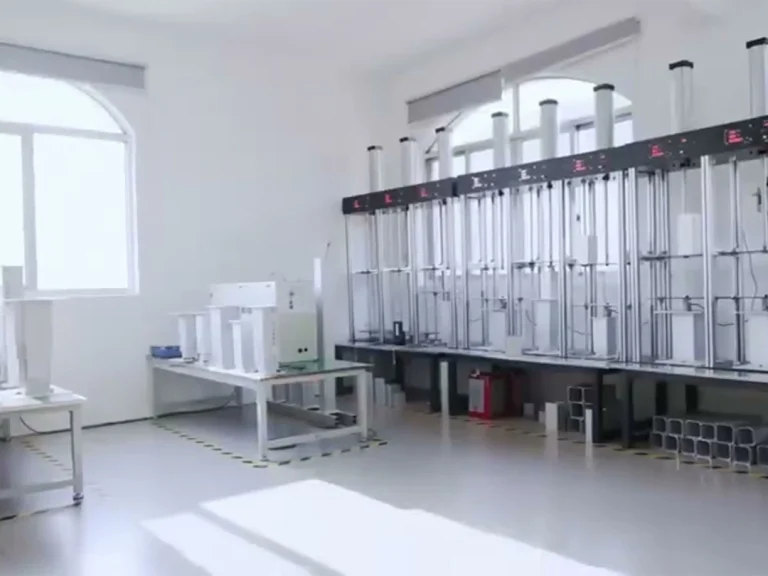
For actuator noise level testing, define any acoustic requirement as a measurable acceptance condition for the selected actuator and finished mechanism. Record the sound metric (for example dBA), microphone distance and position, load, speed, mounting structure, ambient/background noise and test environment. Do not assume one dB value applies to every ActuLift actuator or installation.
4 Causas Comunes del Ruido del Actuador Lineal
1. Carga Lateral
Qué es: La carga lateral ocurre cuando se aplica fuerza perpendicular a la línea de movimiento prevista del actuador, esencialmente empujando o tirando del actuador "de lado" en lugar de directamente a lo largo de su eje. Incluso pequeñas cantidades de carga lateral pueden aumentar significativamente la fricción y el desgaste.
Cómo causa ruido: Side load can increase binding, friction, wear and vibration, which may contribute to grinding, squeaking or scraping sounds. The resulting service-life impact depends on the side-load magnitude, mounting geometry, guides, actuator design, duty cycle and environment; do not apply a universal percentage reduction.
Causas comunes de carga lateral:
Colgar una carga del vástago del actuador
Ángulo de montaje incorrecto
Soportes o conexiones mal alineados
Usar el actuador para empujar/tirar en un desplazamiento
Soluciones:
Asegúrate de que las cargas estén siempre alineadas con el eje de movimiento del actuador
Verifica que las superficies de montaje sean paralelas y seguras
Considera usar una guía o soporte si el movimiento lateral es inevitable
2. Sobrecarga
Qué es: La sobrecarga ocurre cuando se le pide al actuador que mueva una carga que excede su capacidad nominal. Esto coloca un estrés excesivo en el motor, el tornillo de avance y los engranajes internos.
Cómo causa ruido: An overload, binding mechanism, insufficient supply voltage or controller/current-limit condition can produce humming, whining, intermittent movement or stalling. Treat the sound as a symptom and verify the actual load, mechanism freedom, voltage at the actuator under load and controller behavior.
Soluciones:
Siempre verifica los requisitos de carga antes de seleccionar un actuador
Inspeccione el controlador del motor para asegurarse de que funcione correctamente—visite nuestro control boxes and controllers para opciones compatibles
Qué es: Los problemas de instalación abarcan una variedad de problemas, desde montaje desalineado hasta componentes sueltos y cableado incorrecto.
Cómo causa ruido: Las piezas sueltas o desalineadas crean vibraciones, golpes y sonidos de clic durante la operación. Un cableado inadecuado puede causar un funcionamiento irregular del motor, lo que resulta en movimiento desigual y ruido.
Errores comunes de instalación:
Pernos de montaje sueltos
Posición del actuador desalineada
Cableado incorrecto o malas conexiones eléctricas
La superficie de montaje no es lo suficientemente rígida
Soluciones:
Ajuste todos los pernos de montaje y conexiones
Verifique que el actuador esté alineado correctamente con su ruta de carga
Revise las conexiones eléctricas para mayor seguridad y polaridad correcta
Asegúrese de que la superficie de montaje sea estable y pueda soportar el actuador sin vibraciones
Revise los manuales de instalación para su modelo de actuador específico
4. Falta de Lubricación / Desgaste Mecánico
Qué es: Los actuadores lineales contienen partes móviles—tornillos de compresión, rodamientos y engranajes—que requieren una lubricación adecuada para funcionar sin problemas. Con el tiempo, la lubricación puede degradarse y los componentes pueden desgastarse.
Cómo causa ruido: Insufficient or unsuitable lubrication can increase friction and noise, while wear in bearings, gears, screws, nuts or other components can also change the sound signature. Confirm the selected model’s lubrication requirements before applying lubricant or disassembling the actuator.
Síntomas de problemas de lubricación/desgaste:
Sonidos de molienda o raspado
Resistencia incrementada durante el movimiento
Movimiento desigual o abrupto
Soluciones:
Apply lubricant only where the selected actuator documentation permits it, using the specified lubricant and service method
Reemplace los rodamientos o bujes desgastados
If inspection confirms wear beyond the manufacturer’s service limit, follow the approved repair or replacement procedure
For long-term reliability, match the actuator, maintenance plan and service environment to the actual duty cycle and lifecycle requirement
Cómo Prevenir el Ruido del Actuador Lineal
La prevención siempre es mejor que la cura. Aquí hay algunos pasos proactivos para mantener sus actuadores funcionando en silencio:
Elija el actuador adecuado — Seleccione un actuador con capacidad de carga apropiada para su aplicación
Instale correctamente — Siga las pautas del fabricante y use el hardware de montaje adecuado
Mantenga regularmente — Revise periódicamente el montaje, la lubricación y las conexiones eléctricas
Define the noise requirement — If acoustic performance matters, specify the target sound-pressure level and the test conditions used to measure it
ActuLift: Tu Compañero para Movimiento Lineal Silencioso y Fiable
Noise can matter in offices, furniture, entertainment systems, care-related equipment and other OEM applications. Acoustic performance should be treated as a project requirement with an agreed test method. For care-related or regulated equipment, a noise result does not establish medical suitability or finished-device compliance.
Compare candidate actuadores lineales using the same load, speed, duty cycle, mounting structure, controller and acoustic test conditions. Request configuration-specific acoustic evidence when a dB limit is part of the acceptance criteria.
Need to compare actuator noise for an OEM project? Define the operating point and acoustic acceptance method before comparing candidate configurations.
Preguntas Frecuentes
Are some linear actuators quieter than others?
Yes, but acoustic performance depends on the complete configuration and test conditions. Motor, gearing, screw/nut design, bearings, lubrication, load, speed, mounting structure and enclosure can all affect measured sound. Compare candidates using the same defined test method rather than a universal dB claim.
¿Puede la lubricación solucionar un actuador ruidoso?
Sometimes, if the selected actuator is serviceable and the noise is related to insufficient or degraded lubrication. Use only the lubricant and service method specified for that model. Noise caused by wear, misalignment, overload, electrical issues or damaged components will require different corrective action.
¿Cuánto tiempo debería durar un actuador lineal?
There is no universal service-life figure. Life depends on load, stroke, speed, duty cycle, side load, environment, lubrication, control behavior and the actuator design. Define the required cycle/lifecycle target and confirm it with configuration-specific supplier or test evidence.
No deje que el ruido interrumpa su aplicación. Póngase en contacto con nuestro equipo para recomendaciones personalizadas o explore nuestros productos para encontrar el actuador lineal silencioso perfecto para sus necesidades.
Obtenga Perspectivas Expertas sobre Control del Movimiento Industrial
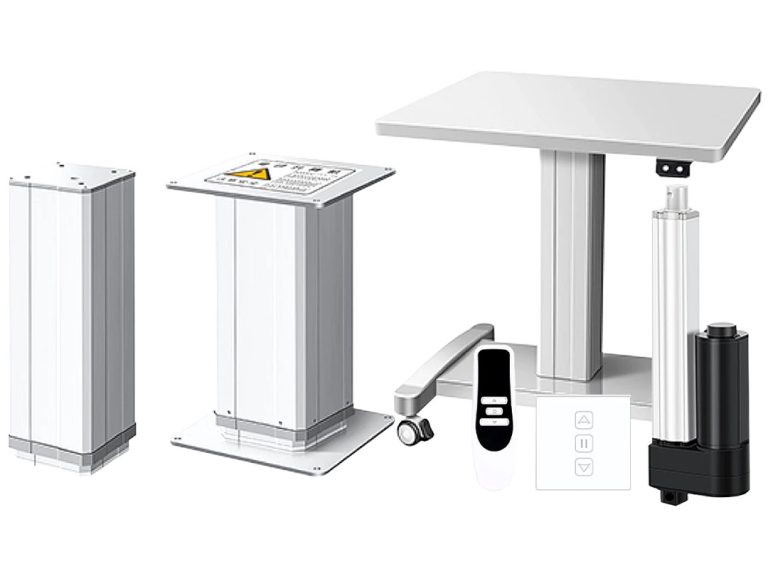
Seleccionar el actuador lineal eléctrico o columna de elevación es crítico para el rendimiento de su proyecto. Como fabricante profesional de Control de Movimiento y Automatización, nuestros ingenieros le ayudan a personalizar la capacidad de carga, la longitud de la carrera y las clasificaciones IP según su aplicación específica. Comparta sus requisitos técnicos para una solución a medida.
ActuLift apoya la personalización de extremo a extremo, desde el diseño estructural y los parámetros de recorrido hasta la marca y los acabados de la carcasa, ayudándote a construir una potente identidad de marca.
Respuesta rápida y prototipado
Entendemos la importancia de la rapidez en la adquisición B2B, utilizando flujos de trabajo de producción optimizados para asegurar respuestas eficientes desde el desarrollo de muestras hasta la entrega a granel.
Quality Documentation & Traceability
Quality and traceability requirements vary by project. Ask ActuLift for the applicable inspection records, product specifications, drawings and available compliance documentation for the selected model and order.