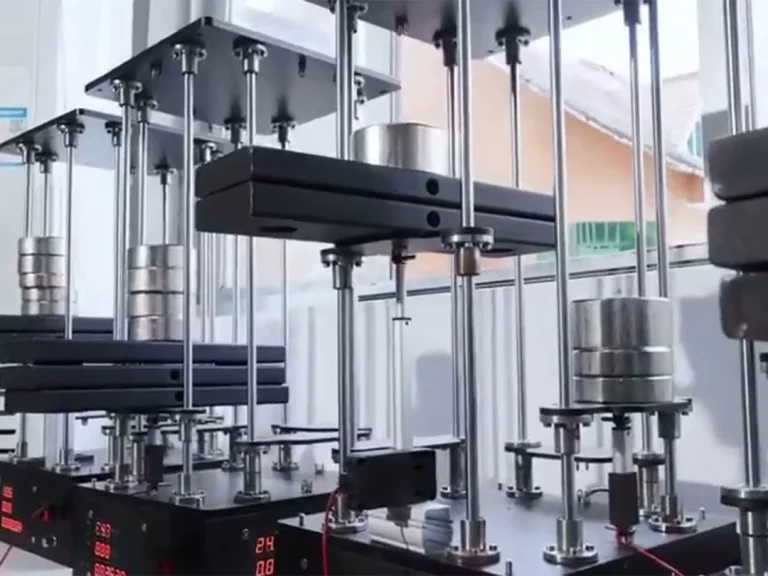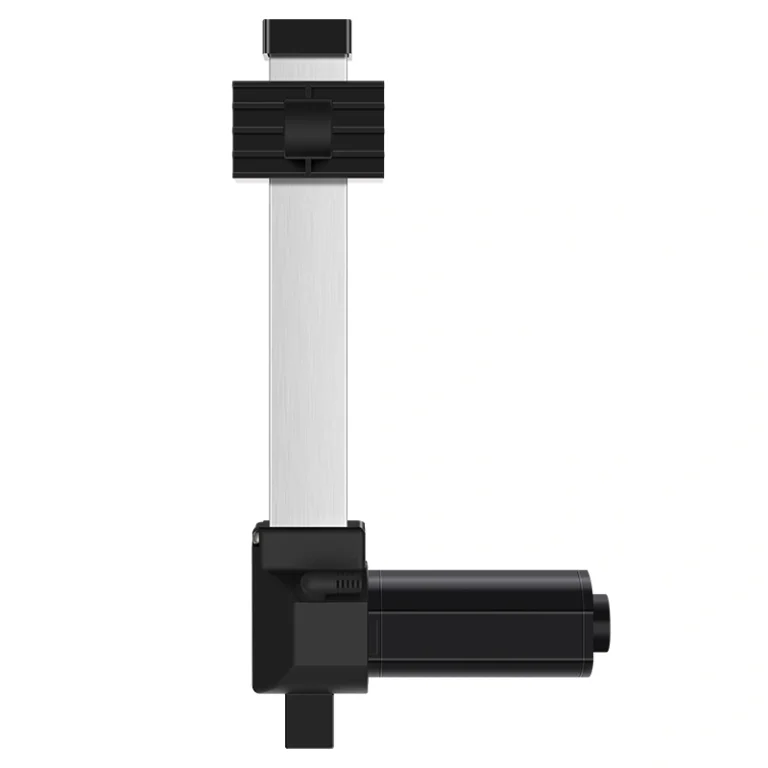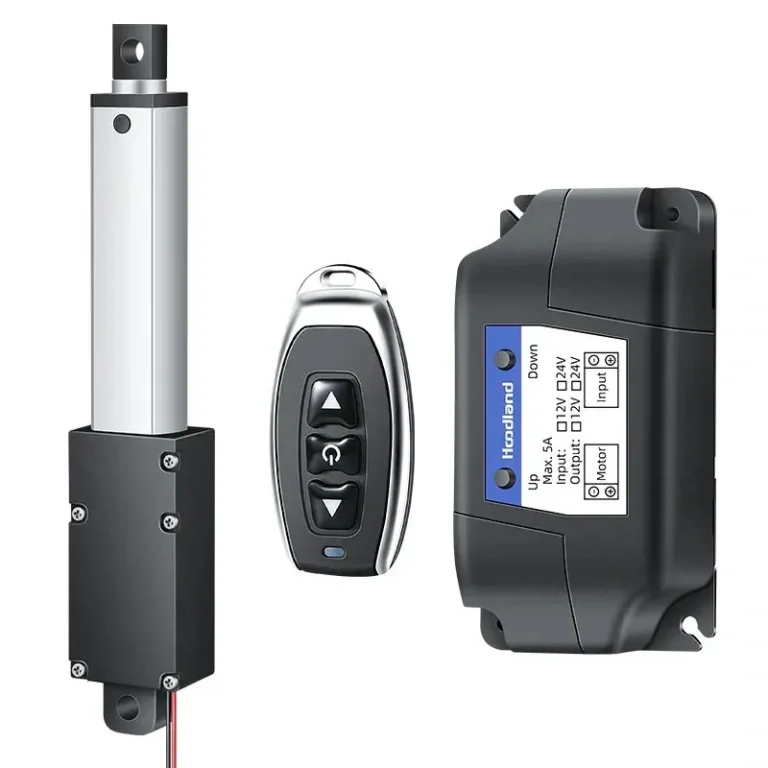


Learn how to choose an electric linear actuator by load, stroke, speed, voltage, duty cycle, feedback, IP rating, and mounting space for OEM and industrial equipment projects.

Actuator duty cycle explained: calculate ON/OFF time, understand why the reference interval is product-specific, and account for load, ambient conditions and thermal limits.

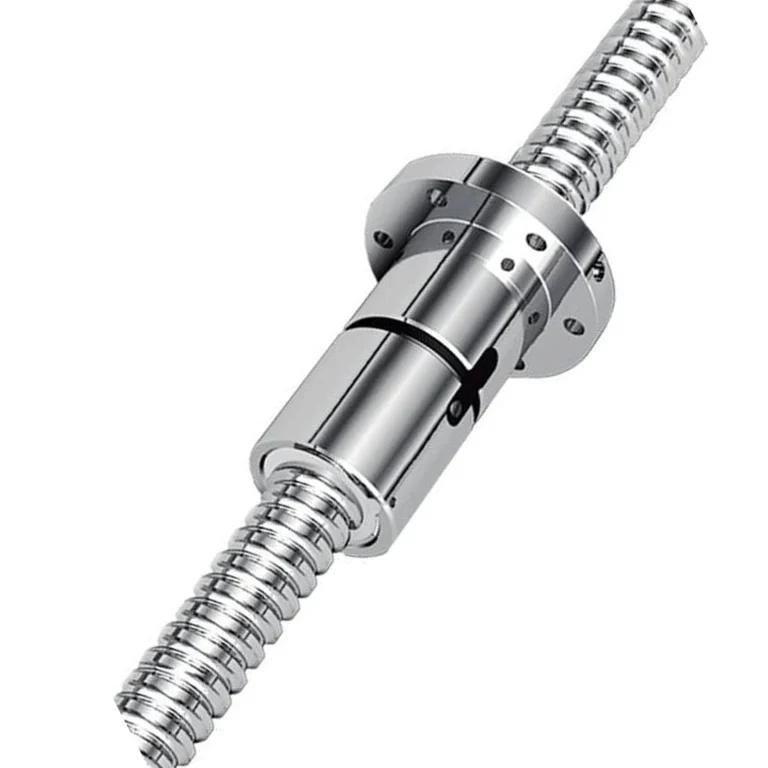
Learn how T-type (trapezoidal) lead screws convert rotary motion, when self-locking may occur, and how lead angle, friction, lubrication, efficiency, wear, backlash and load-holding trade-offs affect actuator selection.

Learn what static self-locking or holding force means in linear actuators, what can resist back-driving, and how screw geometry, gearing, brakes, load, lubrication, wear and temperature affect selection.

Descubre cómo los avanzados sistemas anti-colisión y los sensores de giroscopio están revolucionando la seguridad en el lugar de trabajo. Esta guía explora la lógica técnica detrás de los controladores IPC1 e IPC2 de ActuLift, detallando cómo la detección de obstáculos en tiempo real y el monitoreo de estabilidad protegen a los usuarios y equipos en entornos ergonómicos modernos.

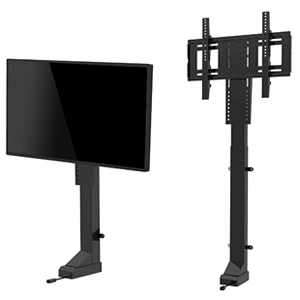
Plan a concealed TV-lift installation by cabinet geometry, screen/bracket load, stroke, retracted and extended dimensions, clearances, controls, cable routing, power, noise target, protection and documentation. IPTV is used as a configuration example; confirm commercial specifications on the product page.

¿Luchando con un actuador lineal que hace ruido de molienda, clics o zumbidos? Aprende las 4 causas más comunes del ruido del actuador, desde la carga lateral hasta la falta de lubricación, y descubre consejos profesionales para restaurar un movimiento silencioso, suave y fiable a tus sistemas automatizados.