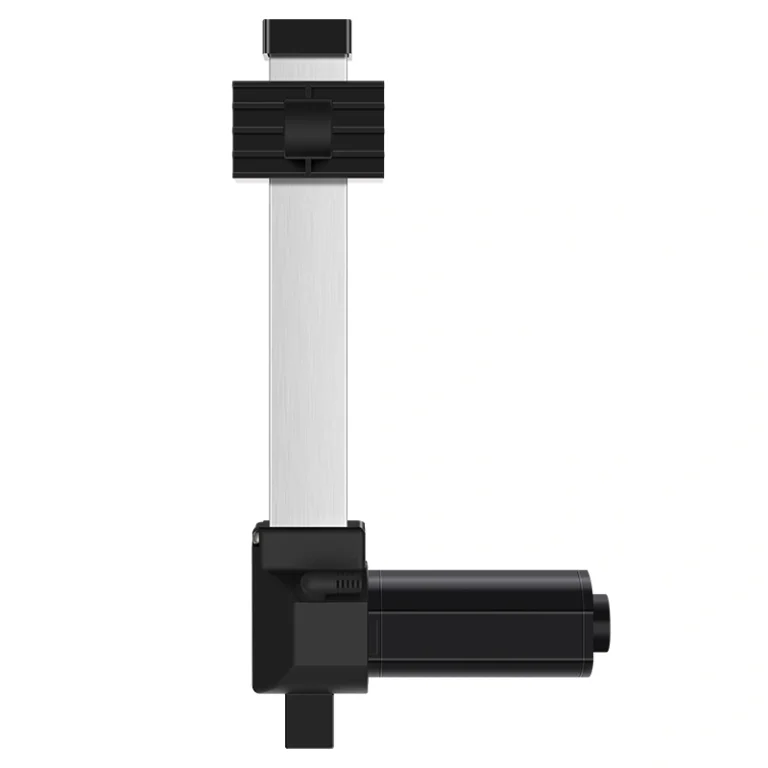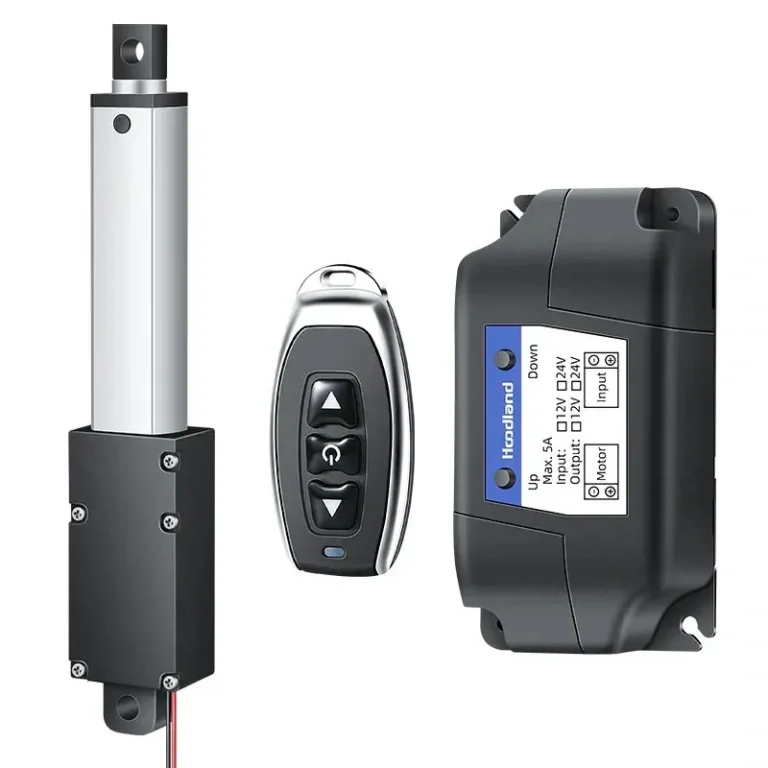


Learn how to choose an electric linear actuator by load, stroke, speed, voltage, duty cycle, feedback, IP rating, and mounting space for OEM and industrial equipment projects.

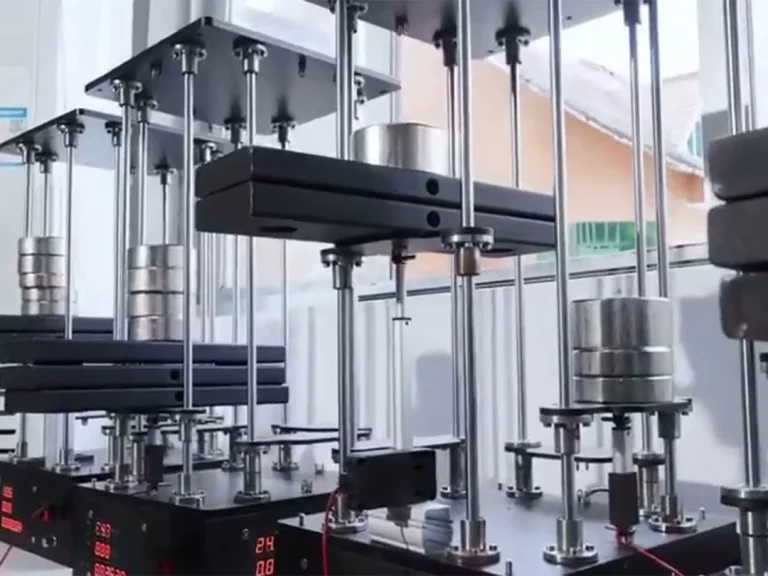
Confused by duty cycle ratings? Learn exactly what "10% duty cycle" means for your linear actuator, how to calculate ON/OFF times, and professional tips to prevent motor overheating and extend equipment life.

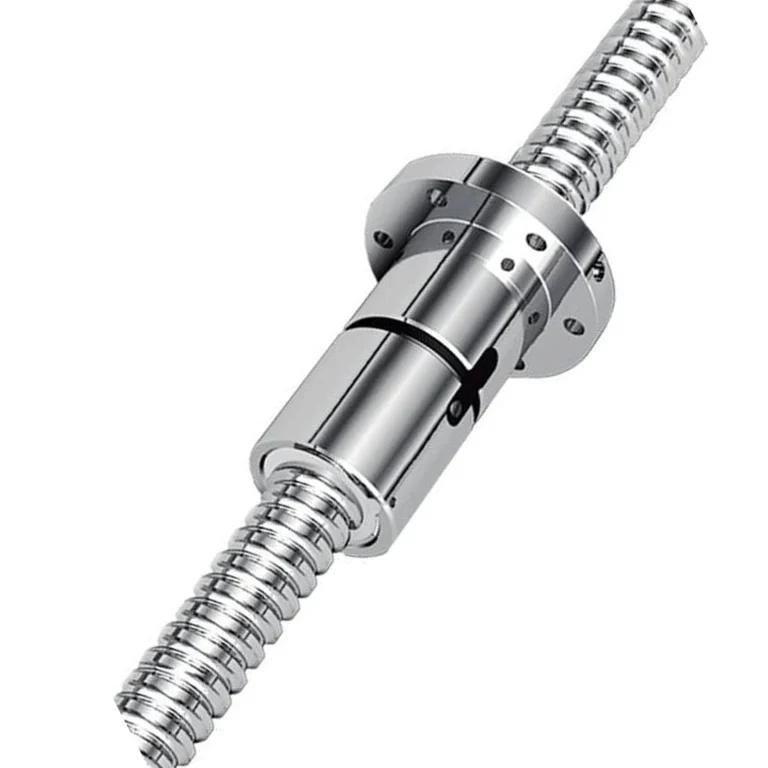
Learn how T-type (trapezoidal) lead screws convert rotary motion, when self-locking may occur, and how lead angle, friction, lubrication, efficiency, wear, backlash and load-holding trade-offs affect actuator selection.

Learn what static self-locking or holding force means in linear actuators, what can resist back-driving, and how screw geometry, gearing, brakes, load, lubrication, wear and temperature affect selection.

Discover how advanced anti-collision systems and gyroscope sensors are revolutionizing workplace safety. This guide explores the technical logic behind ActuLift’s IPC1 and IPC2 controllers, detailing how real-time obstacle detection and stability monitoring protect users and equipment in modern ergonomic environments.

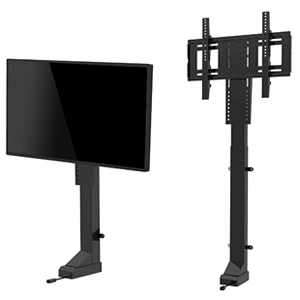
Plan a concealed TV-lift installation by cabinet geometry, screen/bracket load, stroke, retracted and extended dimensions, clearances, controls, cable routing, power, noise target, protection and documentation. IPTV is used as a configuration example; confirm commercial specifications on the product page.

Struggling with a grinding, clicking, or humming linear actuator? Learn the 4 most common causes of actuator noise—from side loading to lack of lubrication—and discover professional tips to restore quiet, smooth, and reliable motion to your automated systems.