

Learn how to choose an electric linear actuator by load, stroke, speed, voltage, duty cycle, feedback, IP rating, and mounting space for OEM and industrial equipment projects.

Actuator duty cycle explained: calculate ON/OFF time, understand why the reference interval is product-specific, and account for load, ambient conditions and thermal limits.

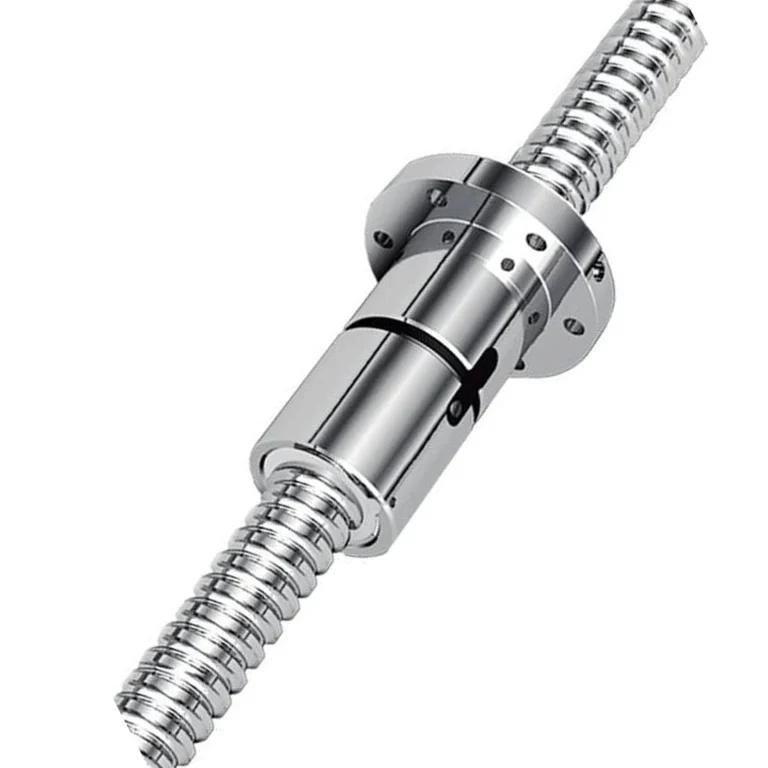
Learn how T-type (trapezoidal) lead screws convert rotary motion, when self-locking may occur, and how lead angle, friction, lubrication, efficiency, wear, backlash and load-holding trade-offs affect actuator selection.

Learn what static self-locking or holding force means in linear actuators, what can resist back-driving, and how screw geometry, gearing, brakes, load, lubrication, wear and temperature affect selection.

Temukan bagaimana sistem anti-tabrakan canggih dan sensor gyroscope merevolusi keselamatan di tempat kerja. Panduan ini menjelaskan logika teknis di balik pengendali IPC1 dan IPC2 ActuLift, merinci bagaimana deteksi hambatan waktu nyata dan pemantauan stabilitas melindungi pengguna dan peralatan di lingkungan ergonomis modern.

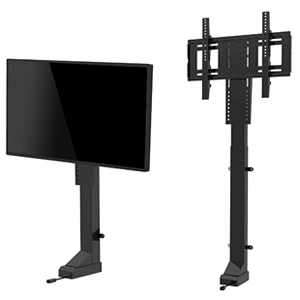
Plan a concealed TV-lift installation by cabinet geometry, screen/bracket load, stroke, retracted and extended dimensions, clearances, controls, cable routing, power, noise target, protection and documentation. IPTV is used as a configuration example; confirm commercial specifications on the product page.

Bergumul dengan aktuator linier yang mengeluarkan suara grinding, klik, atau hum? Pelajari 4 penyebab paling umum dari kebisingan aktuator—dari beban samping hingga kurangnya pelumasan—dan temukan tips profesional untuk mengembalikan gerakan yang tenang, halus, dan andal ke sistem otomatisasi Anda.