T-Type Lead Screws in Linear Actuators: Self-Locking Conditions & Trade-Offs
Learn how T-type (trapezoidal) lead screws convert rotary motion, when self-locking may occur, and how lead angle, friction, lubrication, efficiency, wear, backlash and load-holding trade-offs affect actuator selection.
When selecting a linear actuator, the transmission architecture affects efficiency, back-driving, speed, wear, backlash and load-holding behavior. T-type or trapezoidal lead screws use sliding contact between the screw and nut; self-locking may occur in some configurations, but it should be evaluated from lead angle, effective friction, lubrication, load, wear and the complete mechanism rather than assumed from the screw type alone.
This comprehensive guide explores how T-type lead screws work, their advantages and limitations, and how this technology should be evaluated within different ActuLift actuator configurations.
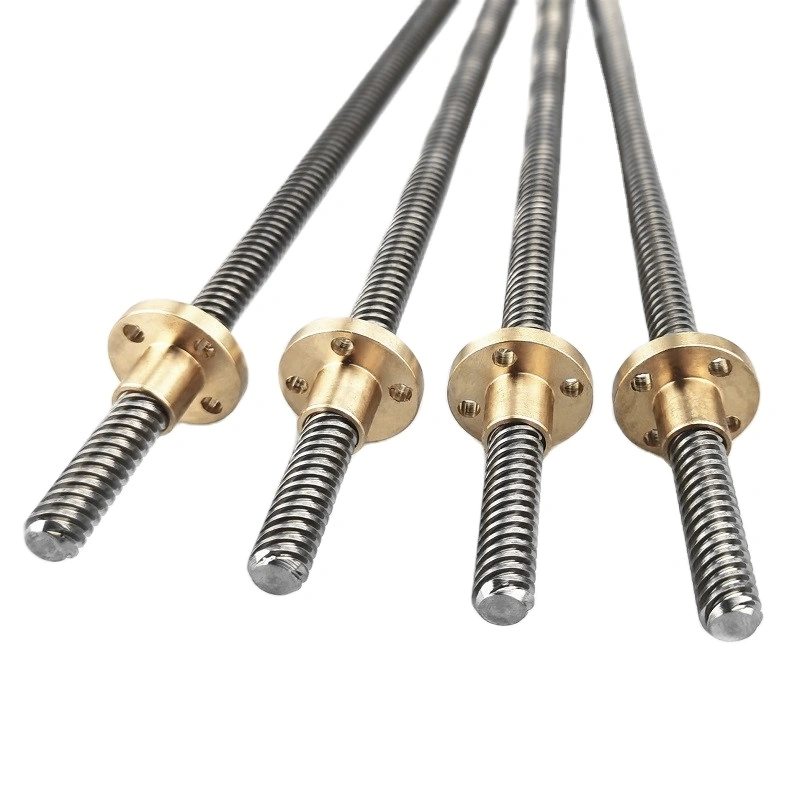
Sekrup pemandu tipe T memiliki profil benang trapezoidal yang khas dengan sudut sisi 30 derajat di setiap sisi. Geometri benang ini—distandarisasi dalam DIN 103 untuk benang trapezoidal—menciptakan bagian atas dan bawah yang datar dengan sisi miring, membedakannya dari benang V yang ditemukan dalam pengikat konvensional.
Bentuk trapezoidal memiliki beberapa tujuan rekayasa kritis:
Area Kontak yang Meningkat: Permukaan benang datar menyediakan permukaan bantalan yang lebih besar dibandingkan dengan benang V, mendistribusikan beban lebih efektif di seluruh keterlibatan benang
Risiko Penguncian yang Berkurang: Geometri ini mencegah efek penguncian yang dapat terjadi dengan benang V di bawah beban kompresif yang berat
Sederhananya dalam Pembuatan: Profil yang sederhana relatif mudah untuk diproses menjadi toleransi yang presisi, berkontribusi pada keandalan dan efisiensi biaya
Sekrup pemandu tipe T diproduksi dari berbagai bahan termasuk baja tahan karat, aluminium, dan baja karbon, masing-masing menawarkan kombinasi kekuatan, ketahanan terhadap korosi, dan karakteristik berat yang berbeda.
Cara Kerja Sekrup Pemandu T-Tipe dalam Aktuator Linier
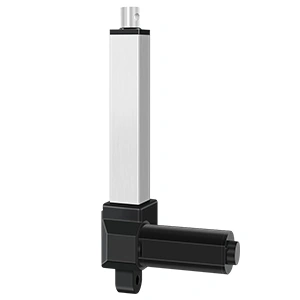
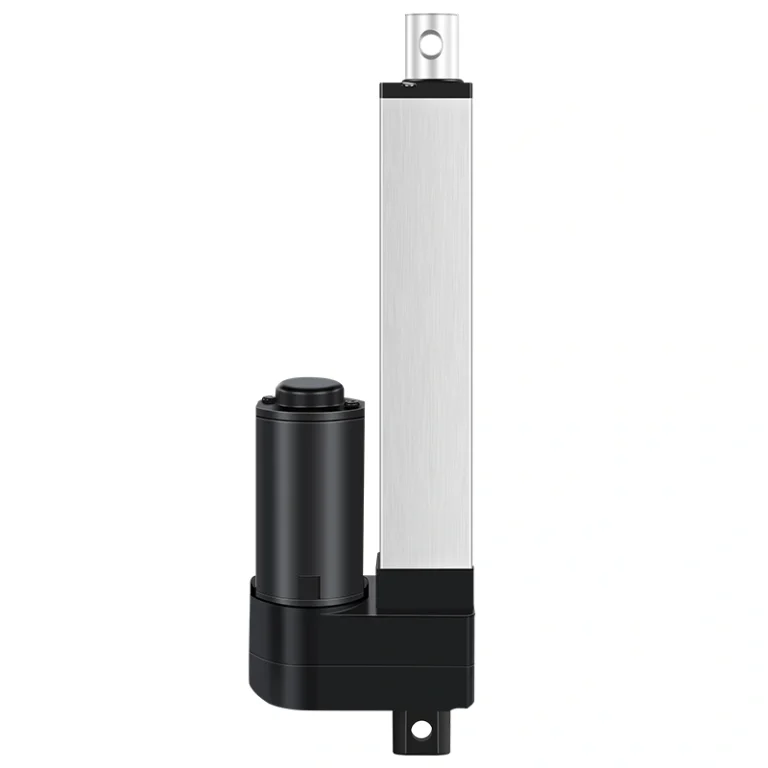
Dalam aktuator linier, sekrup pemandu tipe T mengubah gerakan motor rotasi menjadi gerakan linier. Ketika motor memutar poros sekrup, mur yang terlibat dengan benang bergerak di sepanjang spindel, mendorong atau menarik poros keluaran aktuator.
Prinsip kerja bergantung pada geometri benang helical:
Input Rotasi: Motor listrik (AC atau DC) menggerakkan poros sekrup pemandu
Keterlibatan Benang: Mur bergerak di sepanjang benang helical
Keluaran Linier: Gerakan rotasi menjadi perpindahan linier
Transmisi Gaya: Keuntungan mekanis dari benang mengalikan torsi input menjadi gaya linier
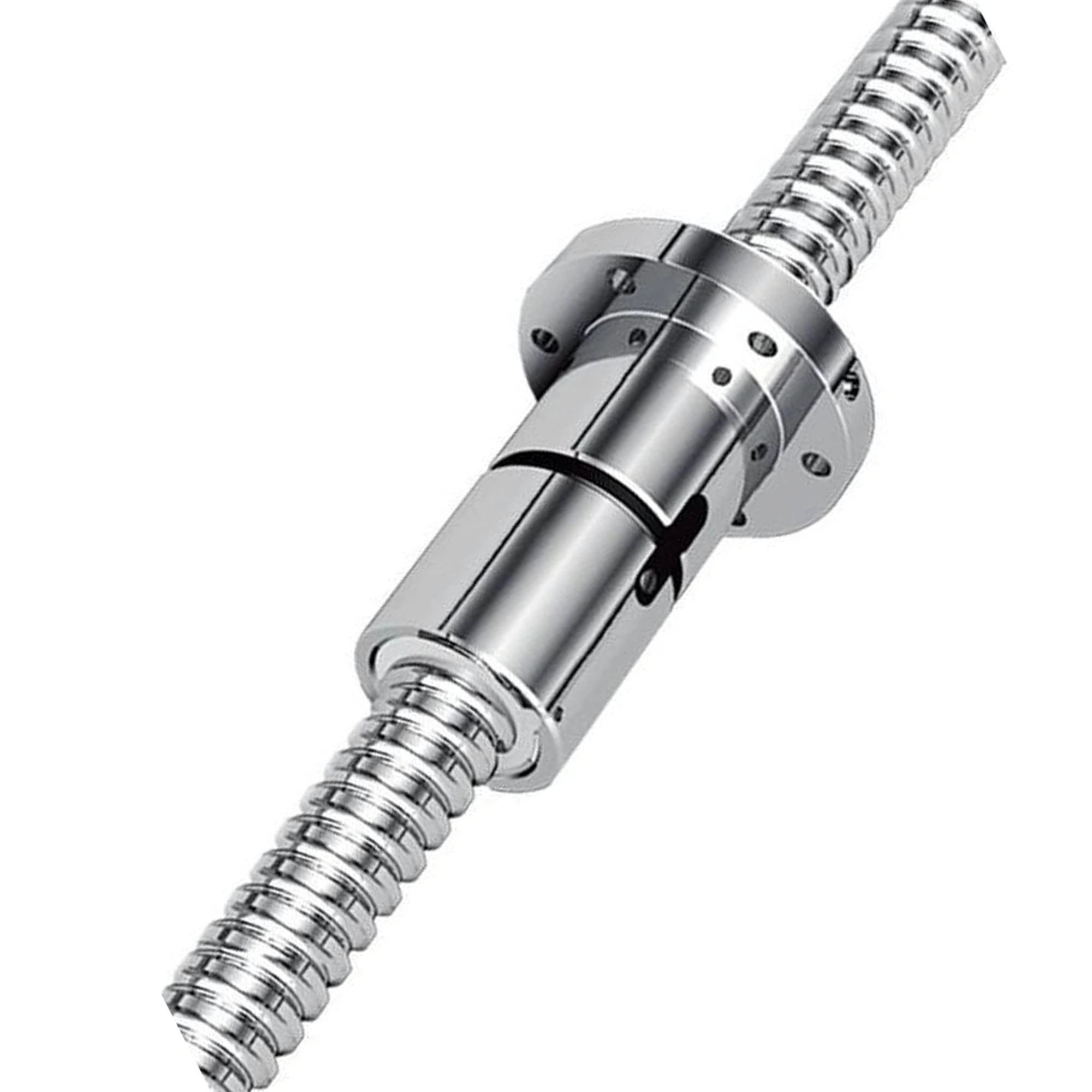
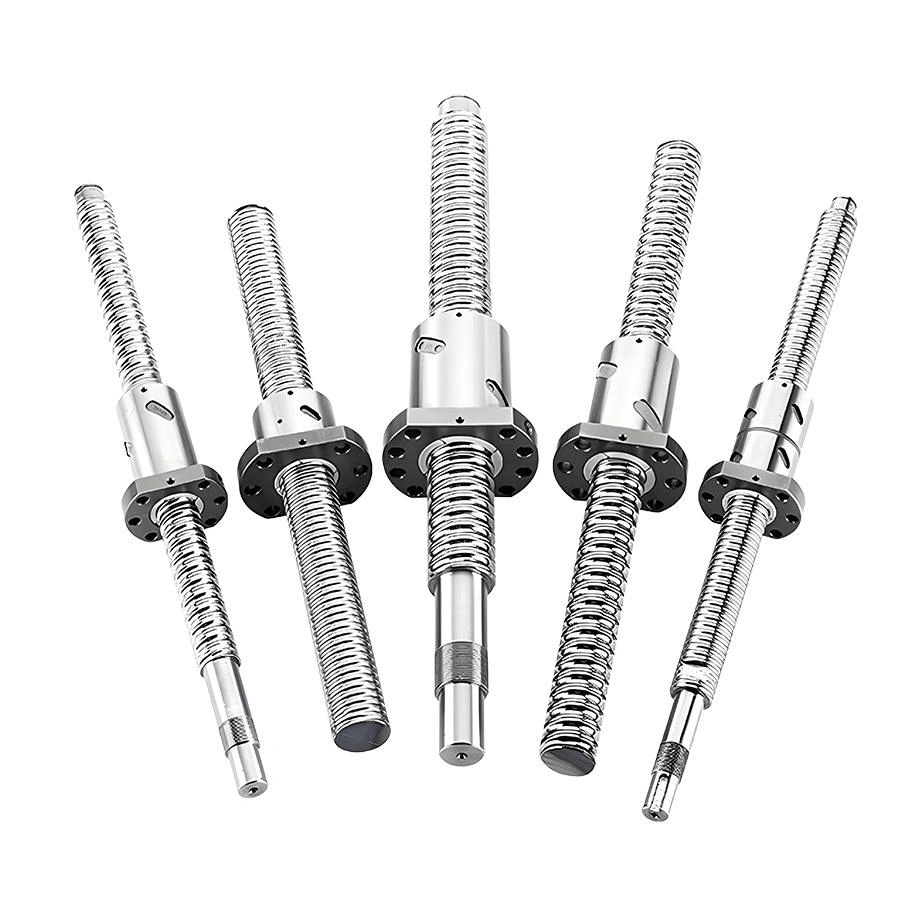
Efisiensi konversi ini tergantung pada beberapa faktor: langkah benang, pitch, koefisien gesekan antara bahan sekrup dan mur, serta kondisi pelumasan. Berbeda dengan sekrup bola yang menggunakan elemen bergerak, sekrup pemandu tipe T bekerja melalui gesekan selip antara benang sekrup dan bagian dalam mur.
Self-Locking Conditions and Back-Driving
Salah satu karakteristik paling signifikan dari sekrup pemandu tipe T adalah kemampuan mengunci diri mekanis—sebuah sifat yang menjadikannya sangat penting untuk aplikasi kritis keselamatan.
Memahami Pengunci Diri
Self-locking means the lead screw maintains its position when rotational force is removed. Under suitable design and friction conditions, the axial load may not readily back-drive the screw. This must be verified for the selected mechanism rather than assumed from the thread family alone. This occurs due to the friction inherent in the sliding contact between the trapezoidal threads.
Kondisi mengunci diri ditentukan oleh hubungan antara sudut pemandu dan sudut gesekan:
Sudut Pemandu: Kemiringan heliks, ditentukan oleh pitch dan diameter benang
Sudut Gesekan: Ditentukan oleh koefisien gesekan antara bahan mur dan sekrup
A lower lead angle relative to the effective friction angle can increase resistance to back-driving. Because friction changes with material pairing, lubrication, wear, temperature, vibration and load, there is no universal lead-angle threshold that guarantees self-locking for every actuator.
Mengapa Pengunci Diri Penting
For applications where the actuator must hold position after power removal—or where unexpected back-driving could create a hazard—define and validate the required holding behavior:
Power-Off Holding: Confirm how much movement is permitted after power loss and validate the selected actuator at the required load and orientation
Static Holding: A validated passive holding condition may reduce the need for continuous motor torque, but actual system power and safety behavior depend on the selected design
System Design: A separate brake, restraint, feedback method or other safety function may still be required by the finished mechanism
Vertical Applications: Evaluate static holding, back-driving, orientation, safety factor and power-off behavior before approval
Potential resistance to back-driving can be useful in vertical or holding applications, but safety-critical positioning must be validated at the complete-system level.
Kapasitas Beban: Sekrup T-Tipe vs. Sekrup Bola
Memahami karakteristik beban dari berbagai teknologi sekrup sangat penting untuk pilihan aplikasi yang tepat.
Kapasitas Beban Statis vs. Dinamis
Static holding load and dynamic moving load are different ratings. Their relationship is design-specific and must be confirmed for the selected screw, nut, gearing and actuator.
Allowable moving and holding loads depend on screw diameter, nut engagement, materials, bearings, housing, duty cycle, load direction, temperature and test method.
Analisis Perbandingan
Karakteristik
What to verify
Efficiency
Configuration-specific geometry, preload, lubrication, load and speed
Back-driving / holding
Lead, friction, gearing, orientation, load, wear and brake strategy
Static / dynamic load
Separate rated values and test conditions for the selected actuator
Precision / backlash
Nut design, manufacturing tolerance, wear, preload and feedback/control method
Kecepatan
Critical speed, heat, lubrication, load and duty-cycle limits
Lifecycle
Defined load, stroke, speed, environment, lubrication and acceptance target
How T-Type Screws Can Fit Load-Holding Applications
T-type lead screw systems can be evaluated for load-holding applications such as:
Pengangkatan Berat: Press industri, lift, dan penempatan mesin berat
Gerakan Vertikal: Aplikasi di mana beban harus ditahan melawan gravitas
Aplikasi Berbasis Gaya: Di mana gaya penahan lebih penting daripada kecepatan atau presisi
Area kontak yang lebih besar antara ulir trapesium mendistribusikan beban di seluruh area permukaan yang lebih besar, mengurangi konsentrasi stres dan memungkinkan peringkat beban statis yang lebih tinggi.
Keuntungan Sekrup Pemandu T-Tipe
1. Self-Locking Is Condition-Dependent
Self-locking behavior is condition-dependent. Confirm the selected screw geometry, friction condition, gearing, load, orientation, lubrication and wear state before relying on passive position holding.
2. Kapasitas Beban Statis Tinggi
A T-type screw system may provide useful static holding capacity, but the allowable static-to-dynamic load relationship must be confirmed from the selected actuator design and test conditions.
3. Efektivitas Biaya
Proses manufaktur yang lebih sederhana dan tidak adanya lintasan bola presisi membuat sekrup pemandu T-type jauh lebih ekonomis dibandingkan alternatif sekrup bola. Untuk aplikasi yang tidak memerlukan presisi sangat tinggi, keuntungan biaya ini cukup besar.
4. Daya Tahan dan Ketahanan Lama
Profil ulir yang kokoh resisten terhadap deformasi di bawah beban berat, dan desain yang sederhana meminimalkan mode kegagalan. Dengan pelumasan yang baik, sekrup pemandu T-type memberikan layanan yang dapat diandalkan selama periode yang panjang.
5. Pemeliharaan Sederhana
Tanpa elemen bergulir yang kompleks atau sistem sirkulasi bola yang rapuh, sekrup pemandu T-type lebih toleran terhadap kontaminasi dan memerlukan pemeliharaan yang kurang khusus.
6. Operasi Halus pada Kecepatan Rendah
Untuk aplikasi yang memerlukan gerakan terkontrol dan presisi pada kecepatan rendah, sekrup pemandu T-type memberikan gerakan yang halus dan dapat diprediksi tanpa potensi goyangan atau ketidakstabilan dari sekrup bola pada kecepatan rendah.
Keterbatasan dan Pertimbangan
Efisiensi Lebih Rendah
Sliding friction can reduce efficiency relative to a rolling-element screw, but the actual efficiency of either system depends on geometry, preload, lubrication, load, speed and the selected design. This means:
Daya masukan lebih banyak diperlukan untuk gaya keluaran yang sama
Lebih banyak pembangkitan panas selama operasi
Konsumsi energi lebih tinggi untuk aplikasi siklus terus-menerus
Kecepatan dan Presisi Terbatas
T-type lead screws are not designed for high-speed operation. Permissible speed and positioning performance are configuration-dependent. Verify screw critical speed, heat generation, backlash, nut design, feedback method and the complete actuator specification for the intended operating point.
Gesekan dan Keausan Lebih Tinggi
Kontak sliding menghasilkan lebih banyak gesekan daripada elemen bergulir, yang berpotensi menyebabkan keausan lebih cepat dalam aplikasi siklus tinggi. Pelumasan yang tepat sangat penting untuk memaksimalkan umur layanan.
Pertimbangan Backlash
Jarak ulir dan keausan dapat menyebabkan backlash (main) seiring waktu. Untuk aplikasi yang memerlukan minim backlash, penyetelan atau pemeliharaan berkala mungkin diperlukan.
Applications Where T-Type Lead Screws May Fit
T-type lead screws can be suitable for multiple applications when their load, speed, wear, backlash and holding characteristics match the project requirements.
Sistem Pengangkatan Industri
Heavy-duty lifting platforms, scissor lifts and industrial presses can be candidates for T-type screw systems when the required moving load, static holding, back-driving, duty cycle and brake strategy have been verified for the complete mechanism.
Lift TV dan Peralatan Teater Rumah
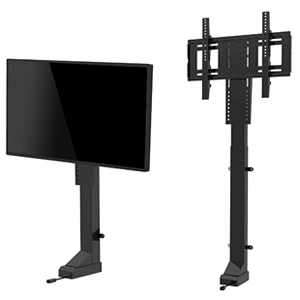
For television lifts, projector lifts and motorized mounting systems, define the required power-off holding behavior and validate the selected mechanism. Do not assume a T-type screw alone prevents movement or satisfies the finished product’s safety requirements.
Meja Berdiri dan Furnitur Ergonomis
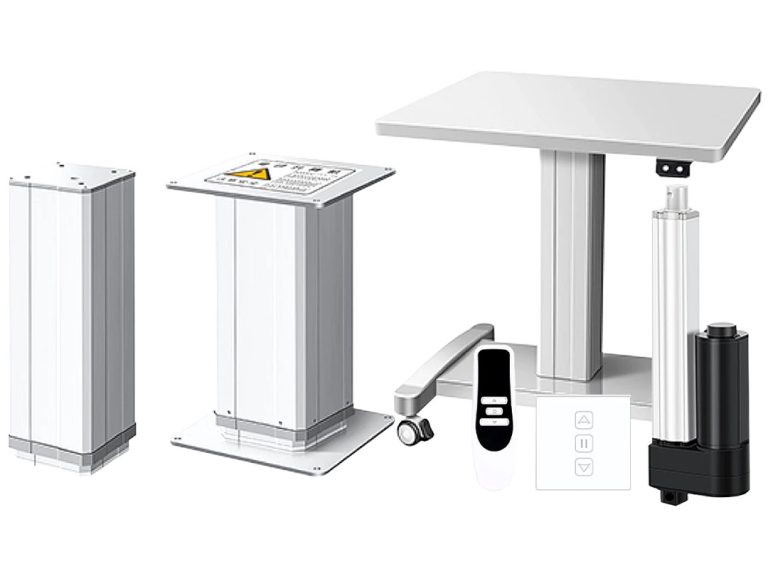
Adjustable-height workstations require controlled motion and reliable holding under their intended loads. T-type screw systems can be evaluated for these requirements, with noise, synchronization and holding verified on the complete desk configuration.
Peralatan Medis dan Kesehatan
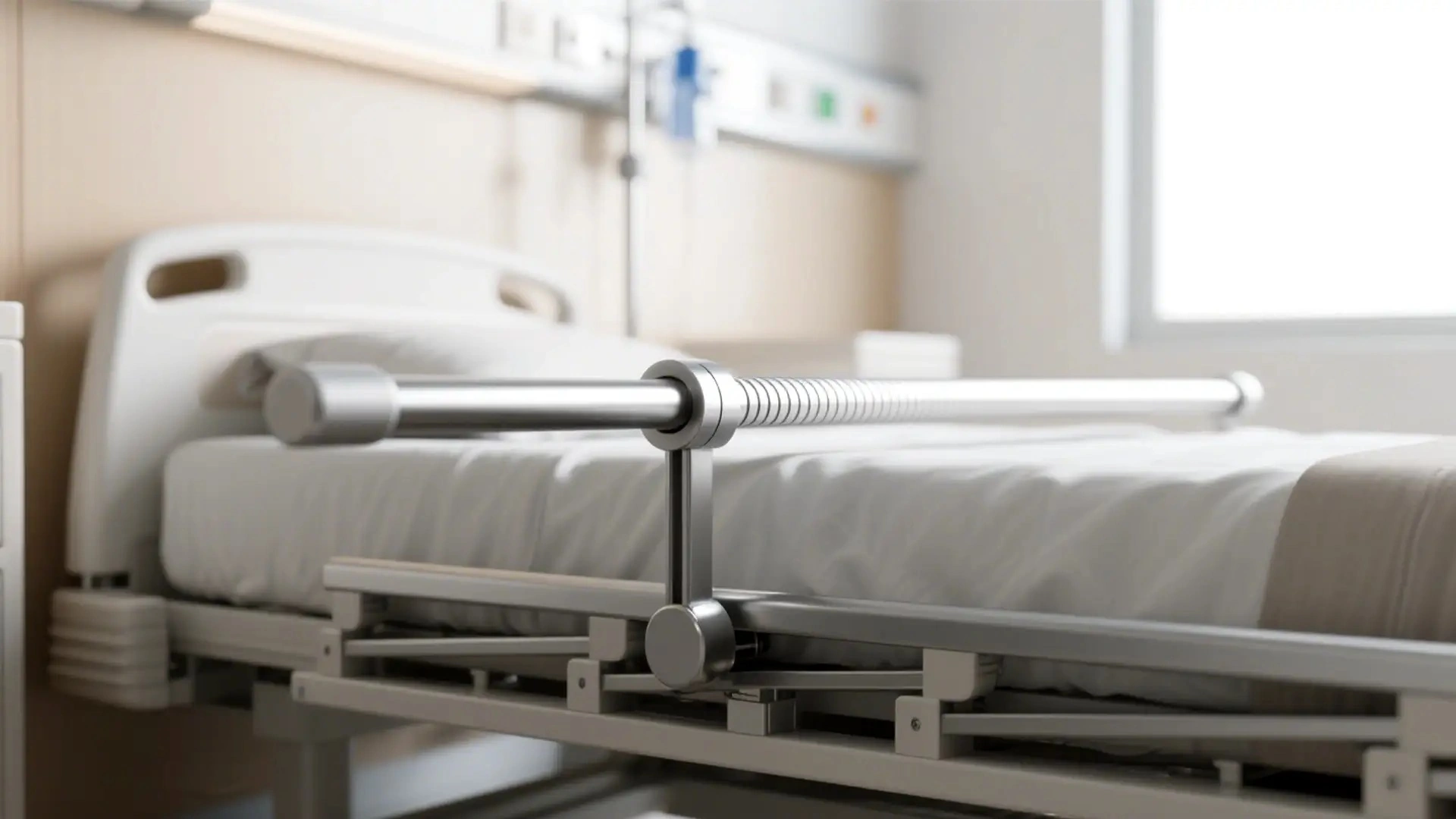
Care-related or medical equipment requires a finished-system safety architecture. A T-type screw may contribute to holding behavior, but it does not by itself establish fail-safe operation, patient safety or regulatory compliance during a power failure.
Mesin Pertanian dan Luar Ruangan
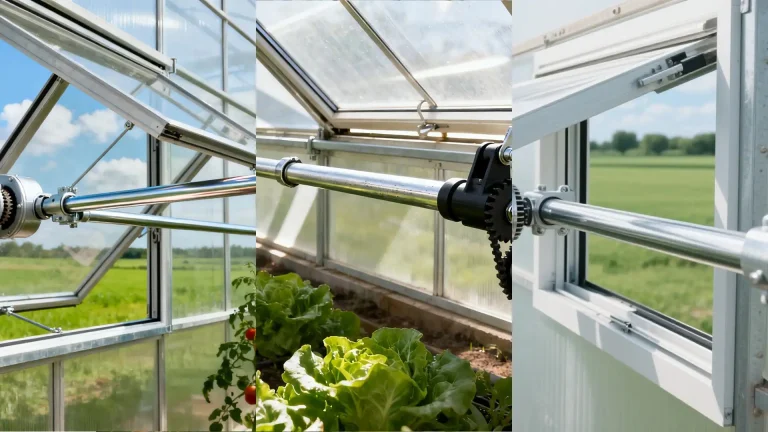
Daya tahan dan cost-effectiveness dari sekrup pemandu T-type membuatnya cocok untuk peralatan pertanian, sistem otomatisasi luar ruangan, dan aplikasi di mana kebutuhan presisi sedang tetapi keandalan adalah hal yang penting.
Otomasi Industri
Untuk sistem otomatis yang memerlukan pemposisian yang dapat diandalkan dengan kebutuhan presisi yang sedang, sekrup pemandu T-type menawarkan solusi ekonomis yang mudah diintegrasikan dengan kontrol motor standar.
How to Evaluate Screw Type Across ActuLift Product Lines
ActuLift offers multiple actuator families and configurations. Screw type, gearing and holding behavior should be confirmed for the selected model rather than assumed across the complete portfolio.
Treating Holding as a System Requirement
Resistance to back-driving can support a system’s holding strategy, but end-user safety depends on the complete mechanism, load case, controls, braking or restraint strategy, fault behavior and application-specific validation.
Mengoptimalkan untuk Aplikasi Dunia Nyata
Many applications do not require the same efficiency, speed or precision targets. When holding behavior, cost or packaging are important, compare T-type and ball-screw options against the actual operating requirements instead of assuming one architecture is universally optimal.
Rentang Produk yang Komprehensif
ActuLift offers multiple voltage, load and control families. Confirm the screw type, gearing, moving and holding load, stroke, speed, feedback and environmental requirements for each selected product rather than assuming a common T-type drivetrain across all 12V, 24V or heavy-duty categories.
Efisiensi Biaya untuk Pelanggan
Cost, reliability, installation and maintenance depend on the selected actuator configuration and production requirements. Do not assume a single transmission technology is standardized across all ActuLift product families.
Rekayasa Berfokus pada Keandalan
A simpler screw-and-nut architecture can reduce component complexity, but failure modes, troubleshooting and long-term performance still depend on materials, lubrication, wear, load, environment and the complete actuator design. For customers requiring Otomasi Industri solusi, keandalan ini sangat penting.
Memilih Aktuator Linier yang Tepat
Saat mengevaluasi aktuator linier untuk aplikasi Anda, pertimbangkan faktor-faktor ini:
Consider T-Type Lead Screw Actuators When:
A validated resistance-to-back-driving or holding condition is required
Menahan beban statis lebih penting daripada kecepatan dinamis
Biaya-efektivitas adalah prioritas
The project’s positioning accuracy and backlash requirements match the selected screw and control system
Aplikasi melibatkan beban vertikal
Kesederhanaan dan keandalan sangat dihargai
Pertimbangkan Aktuator Sekrup Bola Ketika:
Higher efficiency is a primary design objective
Tighter positioning accuracy or lower backlash is required
Operasi kecepatan tinggi diperlukan
Aplikasi memungkinkan sistem pengereman aktif
For applications involving human interaction, vertical loads or safety-relevant positioning, compare candidate actuator architectures against the actual load, speed, holding, duty-cycle, lifecycle and risk-control requirements before selection.
Apa perbedaan utama antara sekrup pemandu T-tipe dan sekrup bola?
T-type screws use sliding thread contact, while ball screws use recirculating rolling elements. A T-type design may provide more resistance to back-driving under some conditions; a ball-screw system often needs a separate holding strategy. Exact efficiency, load and holding behavior depend on the selected design.
Does a T-type lead screw automatically self-lock?
No. Self-locking and back-driving depend on thread geometry, friction, lubrication, materials, load, orientation, gearing, wear and the complete drivetrain. Confirm the selected actuator under the project conditions.
Do T-type lead screws require maintenance?
Maintenance depends on screw and nut materials, lubrication system, contamination, load, speed and cycle profile. Follow the selected actuator’s inspection and lubrication requirements rather than assuming a universal interval.
Can T-type lead screws be used at high speed?
Allowable speed depends on screw diameter and lead, unsupported length, critical speed, lubrication, heat generation, load and duty cycle. Compare the selected T-type, ball-screw or other drive system against the required operating point.
Kesimpulan
T-type (trapezoidal) lead screws are an established transmission technology that can be useful where their friction, load, speed, wear and holding characteristics fit the application. While ball screws offer higher efficiency and precision for specialized applications, the correct choice depends on the complete load case, required efficiency, speed, backlash, holding behavior, lifecycle and system-level safety architecture.
Across ActuLift’s aktuator linier range, transmission and holding behavior are configuration-specific. The appropriate screw and drive architecture should be selected from the project’s load, speed, duty-cycle, backlash, holding and safety requirements, then validated on the chosen build.
Apakah Anda merancang perangkat medis, mesin industri, atau produk konsumen, memahami kekuatan sekrup pemandu tipe T membantu Anda memilih teknologi aktuator yang tepat untuk kebutuhan spesifik Anda.
Sumber
Standar ISO 2901/DIN 103: Spesifikasi teknis untuk ulir sekrup trapesium metrik, mendefinisikan geometri yang digunakan dalam aktuator ActuLift.
Desain Mesin - Panduan Aktuator Linier: Sumber daya industri yang dapat diandalkan untuk membandingkan efisiensi mekanis sekrup pemandu vs. sekrup bola.
Dapatkan Pandangan Para Ahli tentang Kontrol Gerakan Industri
Memilih yang tepat aktuator linier listrik atau kolom pengangkat sangat penting untuk kinerja proyek Anda. Sebagai seorang profesional Produsen Kontrol Gerakan & Otomatisasi, insinyur kami membantu Anda menyesuaikan kapasitas beban, panjang langkah, dan rating IP berdasarkan aplikasi spesifik Anda. Bagikan persyaratan teknis Anda untuk solusi yang disesuaikan.
ActuLift mendukung kustomisasi dari awal hingga akhir, mulai dari desain struktural dan parameter jalur hingga branding dan penyelesaian casing, membantu Anda membangun identitas merek yang kuat.
Respons Cepat & Prototyping
Kami memahami pentingnya kecepatan dalam pengadaan B2B, memanfaatkan alur kerja produksi yang dioptimalkan untuk memastikan respons efisien dari pengembangan sampel hingga pengiriman massal.
Quality Documentation & Traceability
Quality and traceability requirements vary by project. Ask ActuLift for the applicable inspection records, product specifications, drawings and available compliance documentation for the selected model and order.