T-Type Lead Screws in Linear Actuators: Self-Locking Conditions & Trade-Offs
Learn how T-type (trapezoidal) lead screws convert rotary motion, when self-locking may occur, and how lead angle, friction, lubrication, efficiency, wear, backlash and load-holding trade-offs affect actuator selection.
When selecting a linear actuator, the transmission architecture affects efficiency, back-driving, speed, wear, backlash and load-holding behavior. T-type or trapezoidal lead screws use sliding contact between the screw and nut; self-locking may occur in some configurations, but it should be evaluated from lead angle, effective friction, lubrication, load, wear and the complete mechanism rather than assumed from the screw type alone.
This comprehensive guide explores how T-type lead screws work, their advantages and limitations, and how this technology should be evaluated within different ActuLift actuator configurations.
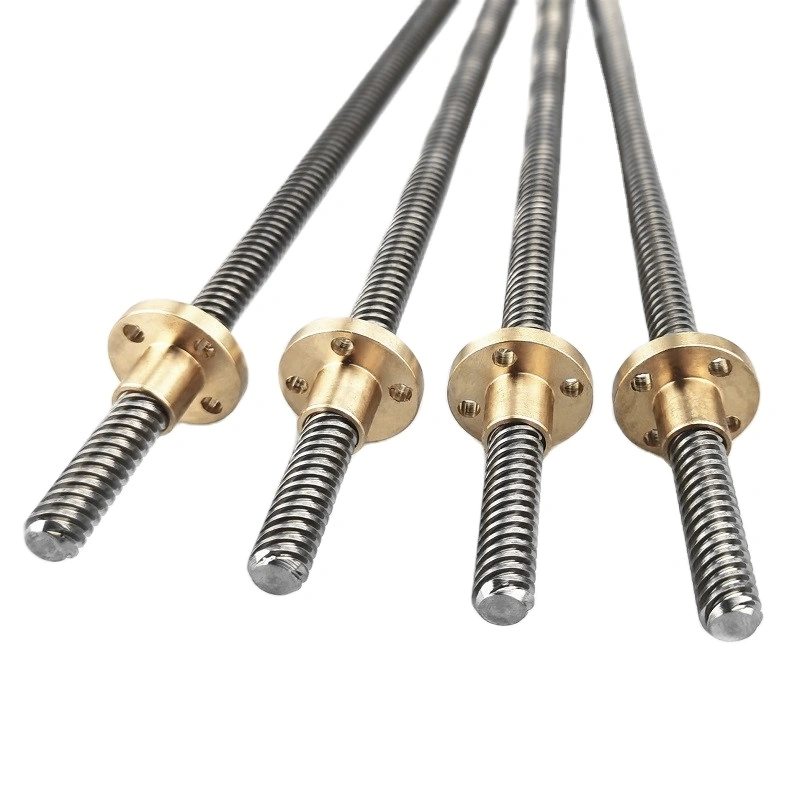
تتميز براغي الرصاص من النوع T بملف خيوط شبه منحرف مميز بزاوية جانب 30 درجة على كل جانب. تخلق هذه الهندسة للخيط - المعتمدة في DIN 103 للخيوط شبه المنحرفة - قمة مسطحة وقاع مسطح مع جوانب مائلة ، مما يميزها عن الخيوط V الموجودة في الأجهزة السريعة التقليدية.
تخدم الشكل شبه المنحرف عدة أغراض هندسية حاسمة:
زيادة منطقة الاتصال: توفر الأسطح المسطحة للخيوط مناطق تحميل أكبر مقارنةً بالخيوط V ، مما يوزع الأحمال بشكل أكثر فعالية عبر التفاعل الكامل للخيط
تقليل خطر الانزلاق: تمنع الهندسة تأثير الانزلاق الذي يمكن أن يحدث مع الخيوط V تحت الأحمال الضاغطة الثقيلة
بسيط في التصنيع: إن التصميم البسيط نسبيًا سهل التشغيل بدقة ، مما يساهم في الموثوقية والكفاءة من حيث التكلفة
تُصنع براغي الرصاص من النوع T من مواد متنوعة تشمل الفولاذ المقاوم للصدأ والألومنيوم والفولاذ الكربوني ، حيث تقدم كل منها تركيبات مختلفة من القوة ومقاومة التآكل وخصائص الوزن.
كيف تعمل براغي القياس من النوع T في المحركات الخطية
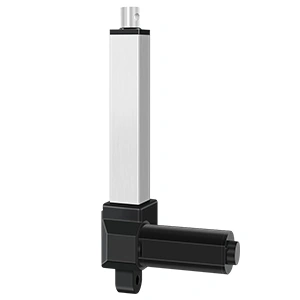
في مشغل خطي ، تقوم برغي الرصاص من النوع T بتحويل حركة المحرك الدورانية إلى حركة خطية. عندما يقوم المحرك بدوران عمود البرغي ، تتحرك الجوزة المرتبطة بالخيوط على طول المغزل ، مما يدفع أو يسحب عمود الإخراج للمشغل.
ترابط الخيوط: تتحرك الجوزة على طول الخيوط الحلزونية
إخراج خطي: تتحول الحركة الدورانية إلى إزاحة خطية
نقل القوة: ميكانيكية الخيوط تضاعف عزم المدخلات إلى قوة خطية
تعتمد كفاءة هذا التحويل على عدة عوامل: ارتفاع الخيط ، الخطوة ، معامل الاحتكاك بين مواد البرغي والجوزة ، وظروف التشحيم. على عكس براغي الكرات التي تستخدم العناصر الدوارة ، تعمل براغي الرصاص من النوع T من خلال الاحتكاك الانزلاقي بين خيوط البرغي ومحتوى الجوزة.
Self-Locking Conditions and Back-Driving
تعتبر واحدة من أكثر الخصائص أهمية في براغي الرصاص من النوع T هي قدرتها على القفل الذاتي - خاصية تجعلها لا غنى عنها للتطبيقات التي تتطلب أماناً عالياً.
فهم القفل الذاتي
Self-locking means the lead screw maintains its position when rotational force is removed. Under suitable design and friction conditions, the axial load may not readily back-drive the screw. This must be verified for the selected mechanism rather than assumed from the thread family alone. This occurs due to the friction inherent in the sliding contact between the trapezoidal threads.
يتم تحديد حالة القفل الذاتي بناءً على العلاقة بين زاوية القيادة وزاوية الاحتكاك:
زاوية القيادة: ميل الحلزون، محدد بخطوة الخيط وقطرها
زاوية الاحتكاك: محددة بمعامل الاحتكاك بين مواد الجوزة والبرغي
A lower lead angle relative to the effective friction angle can increase resistance to back-driving. Because friction changes with material pairing, lubrication, wear, temperature, vibration and load, there is no universal lead-angle threshold that guarantees self-locking for every actuator.
لماذا يعتبر القفل الذاتي مهمًا
For applications where the actuator must hold position after power removal—or where unexpected back-driving could create a hazard—define and validate the required holding behavior:
Power-Off Holding: Confirm how much movement is permitted after power loss and validate the selected actuator at the required load and orientation
Static Holding: A validated passive holding condition may reduce the need for continuous motor torque, but actual system power and safety behavior depend on the selected design
System Design: A separate brake, restraint, feedback method or other safety function may still be required by the finished mechanism
Vertical Applications: Evaluate static holding, back-driving, orientation, safety factor and power-off behavior before approval
Potential resistance to back-driving can be useful in vertical or holding applications, but safety-critical positioning must be validated at the complete-system level.
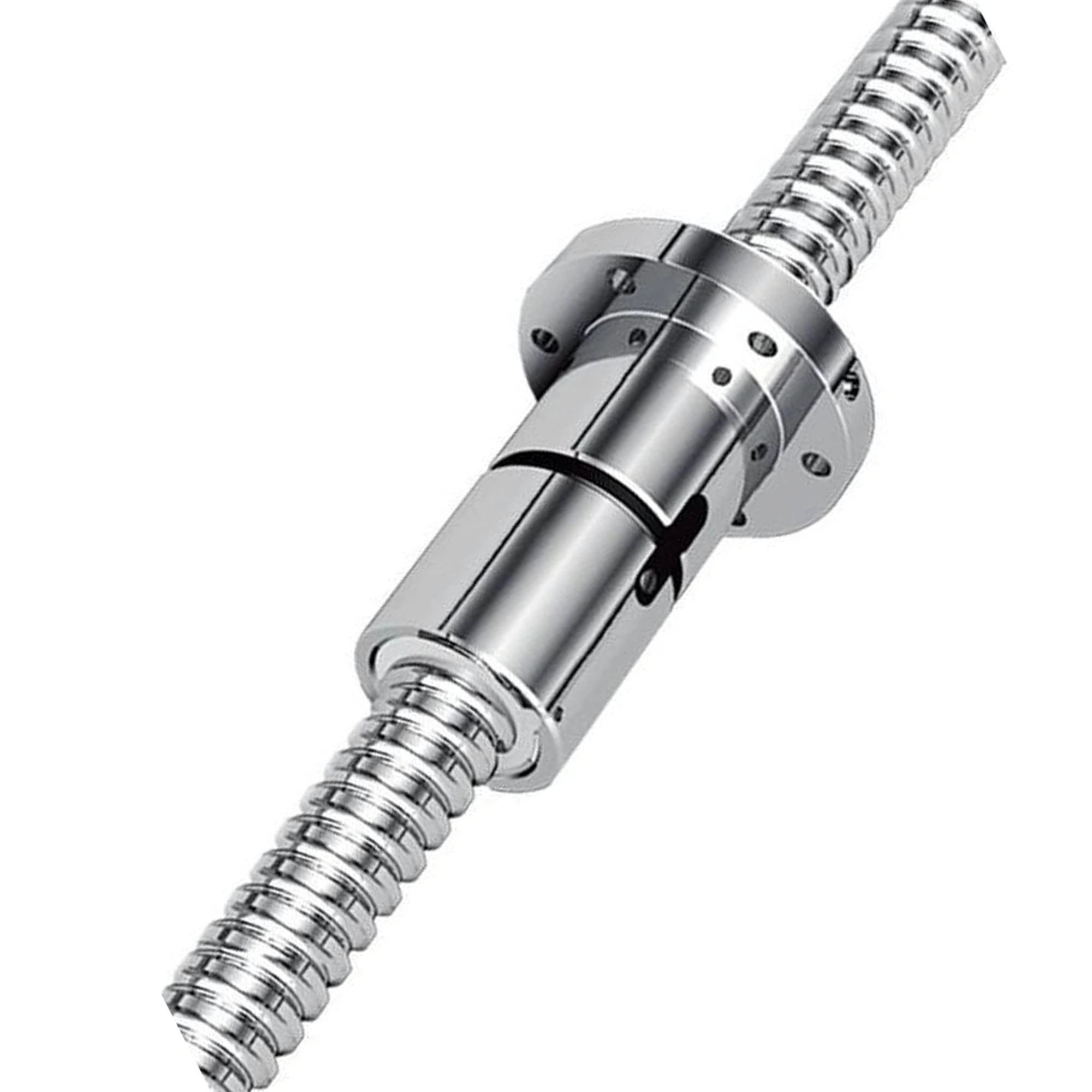
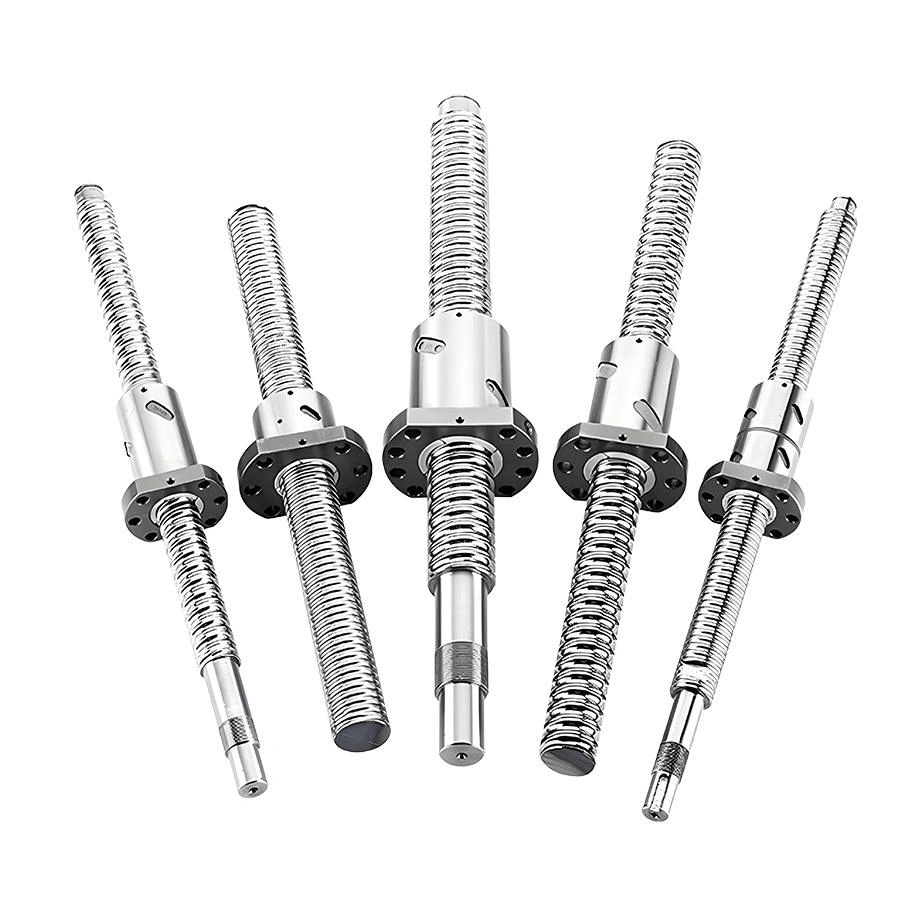
قدرة التحمل: النوع T مقابل براغي الكرة
فهم خصائص الحمل لتقنيات البراغي المختلفة أمر أساسي للاختيار الصحيح للتطبيق.
قدرة التحمل الثابتة مقابل القدرة الديناميكية
Static holding load and dynamic moving load are different ratings. Their relationship is design-specific and must be confirmed for the selected screw, nut, gearing and actuator.
Allowable moving and holding loads depend on screw diameter, nut engagement, materials, bearings, housing, duty cycle, load direction, temperature and test method.
تحليل مقارن
الخصائص
What to verify
Efficiency
Configuration-specific geometry, preload, lubrication, load and speed
Back-driving / holding
Lead, friction, gearing, orientation, load, wear and brake strategy
Static / dynamic load
Separate rated values and test conditions for the selected actuator
Precision / backlash
Nut design, manufacturing tolerance, wear, preload and feedback/control method
السرعة
Critical speed, heat, lubrication, load and duty-cycle limits
Lifecycle
Defined load, stroke, speed, environment, lubrication and acceptance target
How T-Type Screws Can Fit Load-Holding Applications
T-type lead screw systems can be evaluated for load-holding applications such as:
رفع الأحمال الثقيلة: المكابس الصناعية، والرافعات، وتحديد موقع المعدات الثقيلة
الحركة الرأسية: التطبيقات التي يجب فيها تثبيت الأحمال ضد الجاذبية
تطبيقات التركيز على القوة: حيث تكون قوة التثبيت أكثر أهمية من السرعة أو الدقة
توزع المنطقة الكبيرة من الاتصال بين الخيوط شبه المنحرف الأحمال عبر مساحة سطح أكبر، مما يقلل من تركيزات الضغط ويمكّن من تصنيفات تحميل ثابت أعلى.
مزايا براغي القياس من النوع T
1. Self-Locking Is Condition-Dependent
Self-locking behavior is condition-dependent. Confirm the selected screw geometry, friction condition, gearing, load, orientation, lubrication and wear state before relying on passive position holding.
2. قدرة تحمل ثابتة عالية
A T-type screw system may provide useful static holding capacity, but the allowable static-to-dynamic load relationship must be confirmed from the selected actuator design and test conditions.
3. فعالية من حيث التكلفة
تجعل عملية التصنيع الأبسط وغياب المسارات الكروية الدقيقة مسامير الرصاص من النوع T أكثر اقتصادا بكثير من البدائل الكروية. بالنسبة للتطبيقات التي لا تتطلب دقة عالية جدًا، فإن هذه الميزة الاقتصادية كبيرة.
4. متانة وطول عمر
تقاوم ملف الخيط القوي التشوه تحت الأحمال الثقيلة، ويقلل التصميم البسيط من أوضاع الفشل. مع التشحيم المناسب، توفر مسامير الرصاص من النوع T خدمة موثوقة على مدى فترات طويلة.
5. صيانة بسيطة
من دون عناصر دوران معقدة أو أنظمة إعادة تدوير كروية دقيقة، تكون مسامير الرصاص من النوع T أكثر تسامحًا مع التلوث وتتطلب صيانة أقل تخصصًا.
6. تشغيل سلس عند سرعات منخفضة
للتطبيقات التي تتطلب حركة مضبوطة ودقيقة وبسرعات منخفضة، توفر مسامير الرصاص من النوع T حركة سلسة ومرتقبة دون إمكانية حدوث ضجيج أو عدم استقرار للكروات بسرعات منخفضة.
القيود والاعتبارات
كفاءة أقل
Sliding friction can reduce efficiency relative to a rolling-element screw, but the actual efficiency of either system depends on geometry, preload, lubrication, load, speed and the selected design. This means:
مزيد من الطاقة المدخلة مطلوبة لنفس قوة الخروج
زيادة توليد الحرارة أثناء التشغيل
استهلاك طاقة مرتفع لتطبيقات الدفع المستمر
سرعة ودقة محدودة
T-type lead screws are not designed for high-speed operation. Permissible speed and positioning performance are configuration-dependent. Verify screw critical speed, heat generation, backlash, nut design, feedback method and the complete actuator specification for the intended operating point.
احتكاك وتأكل أعلى
يخلق الاتصال الانزلاقي احتكاكًا أكثر من عناصر الدوران، مما قد يؤدي إلى تآكل أسرع في التطبيقات عالية الدورات. إن التشحيم المناسب ضروري لتعظيم عمر الخدمة.
اعتبارات الخلوص
يمكن أن يؤدي فراغ الخيط والتآكل إلى إدخال ردود فعل (تلاعب) بمرور الوقت. بالنسبة للتطبيقات التي تتطلب الحد الأدنى من التلاعب، قد يكون التعديل الدوري أو الصيانة ضروريًا.
Applications Where T-Type Lead Screws May Fit
T-type lead screws can be suitable for multiple applications when their load, speed, wear, backlash and holding characteristics match the project requirements.
أنظمة الرفع الصناعية
Heavy-duty lifting platforms, scissor lifts and industrial presses can be candidates for T-type screw systems when the required moving load, static holding, back-driving, duty cycle and brake strategy have been verified for the complete mechanism.
رفع التلفاز ومعدات المسرح المنزلي
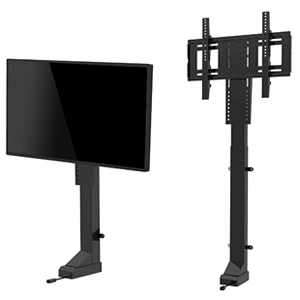
For television lifts, projector lifts and motorized mounting systems, define the required power-off holding behavior and validate the selected mechanism. Do not assume a T-type screw alone prevents movement or satisfies the finished product’s safety requirements.
المكاتب الواقفة والأثاث المريح
Adjustable-height workstations require controlled motion and reliable holding under their intended loads. T-type screw systems can be evaluated for these requirements, with noise, synchronization and holding verified on the complete desk configuration.
المعدات الطبية والرعاية الصحية
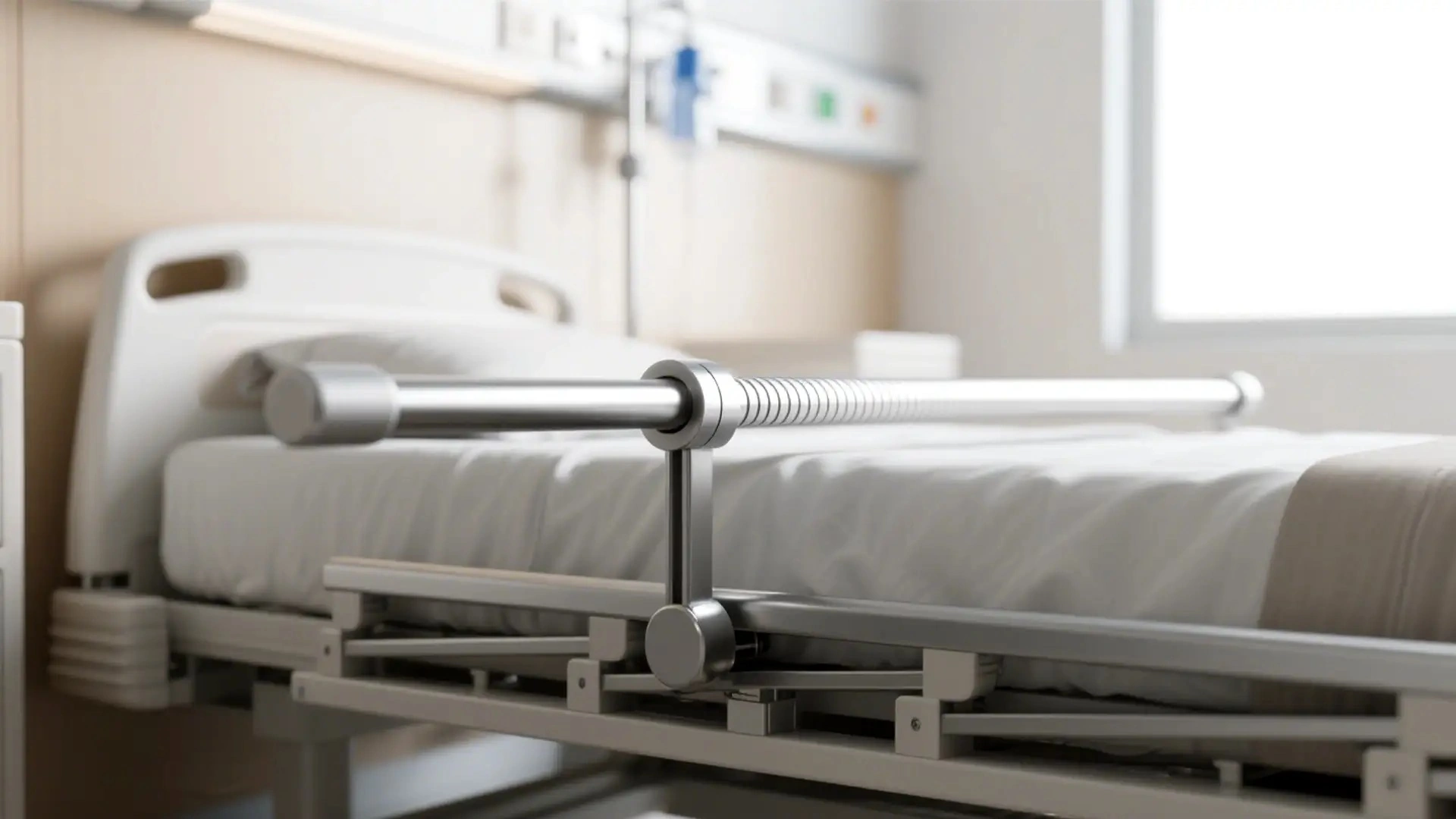
Care-related or medical equipment requires a finished-system safety architecture. A T-type screw may contribute to holding behavior, but it does not by itself establish fail-safe operation, patient safety or regulatory compliance during a power failure.
الآلات الزراعية والخارجية
تجعل المتانة والجدوى الاقتصادية لمسامير الرصاص من النوع T مناسبة للمعدات الزراعية، والأنظمة الآلية الخارجية، والتطبيقات التي تكون فيها متطلبات الدقة متوسطة ولكن الاعتمادية أساسية.
الأتمتة الصناعية
بالنسبة للأنظمة الآلية التي تتطلب تحديد موثوق مع متطلبات دقة متوسطة، تقدم مسامير الرصاص من النوع T حلًا اقتصاديًا يتكامل بسهولة مع وحدات التحكم الكهربائية القياسية.
How to Evaluate Screw Type Across ActuLift Product Lines
ActuLift offers multiple actuator families and configurations. Screw type, gearing and holding behavior should be confirmed for the selected model rather than assumed across the complete portfolio.
Treating Holding as a System Requirement
Resistance to back-driving can support a system’s holding strategy, but end-user safety depends on the complete mechanism, load case, controls, braking or restraint strategy, fault behavior and application-specific validation.
تحسين التطبيقات الواقعية
Many applications do not require the same efficiency, speed or precision targets. When holding behavior, cost or packaging are important, compare T-type and ball-screw options against the actual operating requirements instead of assuming one architecture is universally optimal.
نطاق منتجات شامل
ActuLift offers multiple voltage, load and control families. Confirm the screw type, gearing, moving and holding load, stroke, speed, feedback and environmental requirements for each selected product rather than assuming a common T-type drivetrain across all 12V, 24V or heavy-duty categories.
كفاءة التكلفة للعملاء
Cost, reliability, installation and maintenance depend on the selected actuator configuration and production requirements. Do not assume a single transmission technology is standardized across all ActuLift product families.
هندسة تركز على الاعتمادية
A simpler screw-and-nut architecture can reduce component complexity, but failure modes, troubleshooting and long-term performance still depend on materials, lubrication, wear, load, environment and the complete actuator design. For customers requiring الأتمتة الصناعية حلول، فإن هذه الاعتمادية أمر أساسي.
اختيار المحرك الخطي المناسب
عند تقييم المشغلات الخطية لتطبيقك، ضع في اعتبارك هذه العوامل:
Consider T-Type Lead Screw Actuators When:
A validated resistance-to-back-driving or holding condition is required
احتجاز الحمل الساكن أكثر أهمية من السرعة الديناميكية
تكلفة الفعالية هي أولوية
The project’s positioning accuracy and backlash requirements match the selected screw and control system
يتضمن التطبيق أحمالاً عمودية
تُقدَّر البساطة والموثوقية
اعتبر محركات براغي الكرة عندما:
Higher efficiency is a primary design objective
Tighter positioning accuracy or lower backlash is required
تشغيل عالي السرعة ضروري
يسمح التطبيق بأنظمة كبح نشطة
For applications involving human interaction, vertical loads or safety-relevant positioning, compare candidate actuator architectures against the actual load, speed, holding, duty-cycle, lifecycle and risk-control requirements before selection.
ما الفرق الرئيسي بين برغي قياس من النوع T وبرغي كرة؟
T-type screws use sliding thread contact, while ball screws use recirculating rolling elements. A T-type design may provide more resistance to back-driving under some conditions; a ball-screw system often needs a separate holding strategy. Exact efficiency, load and holding behavior depend on the selected design.
Does a T-type lead screw automatically self-lock?
No. Self-locking and back-driving depend on thread geometry, friction, lubrication, materials, load, orientation, gearing, wear and the complete drivetrain. Confirm the selected actuator under the project conditions.
Do T-type lead screws require maintenance?
Maintenance depends on screw and nut materials, lubrication system, contamination, load, speed and cycle profile. Follow the selected actuator’s inspection and lubrication requirements rather than assuming a universal interval.
Can T-type lead screws be used at high speed?
Allowable speed depends on screw diameter and lead, unsupported length, critical speed, lubrication, heat generation, load and duty cycle. Compare the selected T-type, ball-screw or other drive system against the required operating point.
الخاتمة
T-type (trapezoidal) lead screws are an established transmission technology that can be useful where their friction, load, speed, wear and holding characteristics fit the application. While ball screws offer higher efficiency and precision for specialized applications, the correct choice depends on the complete load case, required efficiency, speed, backlash, holding behavior, lifecycle and system-level safety architecture.
Across ActuLift’s مشغل خطي range, transmission and holding behavior are configuration-specific. The appropriate screw and drive architecture should be selected from the project’s load, speed, duty-cycle, backlash, holding and safety requirements, then validated on the chosen build.
سواء كنت تصميم جهاز طبي أو آلة صناعية أو منتج استهلاكي، فإن فهم مزايا براغي القياس من النوع T يساعدك على اختيار تقنية المشغل المناسبة لمتطلباتك المحددة.
المصادر
معايير ISO 2901 / DIN 103: المواصفات الفنية لملفات اللولب المعشوق المترية، تحدد الهندسة المستخدمة في مشغلات ActuLift.
اختيار محرك خطي كهربائي أو عمود الرفع أمر حاسم لأداء مشروعك. بصفتك محترفًا مصنع لتكنولوجيا التحكم في الحركة والأوتوماتيكية، يساعدك مهندسونا في تخصيص سعة الحمولة وطول الشوط وتصنيفات IP بناءً على تطبيقك المحدد. شارك متطلباتك الفنية للحصول على حل مخصص.
تدعم أكتوليفت التخصيص من البداية إلى النهاية، من التصميم الهيكلي ومعلمات الشوط إلى العلامة التجارية واللمسات النهائية للحالات، مما يساعدك على بناء هوية علامة تجارية قوية.
استجابة سريعة ونماذج أولية
نفهم أهمية السرعة في الشراء بين الشركات، باستخدام تدفقات إنتاج محسّنة لضمان استجابة فعالة من تطوير العينات إلى التسليم بالجملة.
Quality Documentation & Traceability
Quality and traceability requirements vary by project. Ask ActuLift for the applicable inspection records, product specifications, drawings and available compliance documentation for the selected model and order.