T-Type Lead Screws in Linear Actuators: Self-Locking Conditions & Trade-Offs
Learn how T-type (trapezoidal) lead screws convert rotary motion, when self-locking may occur, and how lead angle, friction, lubrication, efficiency, wear, backlash and load-holding trade-offs affect actuator selection.
When selecting a linear actuator, the transmission architecture affects efficiency, back-driving, speed, wear, backlash and load-holding behavior. T-type or trapezoidal lead screws use sliding contact between the screw and nut; self-locking may occur in some configurations, but it should be evaluated from lead angle, effective friction, lubrication, load, wear and the complete mechanism rather than assumed from the screw type alone.
This comprehensive guide explores how T-type lead screws work, their advantages and limitations, and how this technology should be evaluated within different ActuLift actuator configurations.
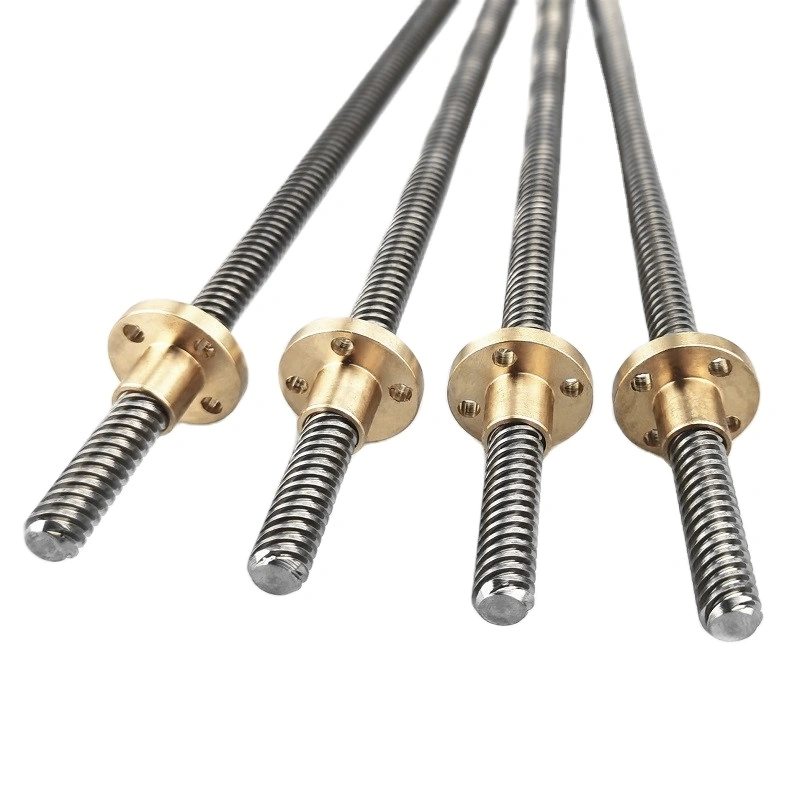
Винты типа T имеют характерный трапецеидальный профиль резьбы с углом наклона 30 градусов с каждой стороны. Эта геометрия резьбы — стандартизированная в DIN 103 для трапецеидальных резьб — создает сплюснутую верхнюю и нижнюю части с наклонными сторонами, отличая ее от V-резьб, которые встречаются в стандартных крепежах.
Трапециевидная форма служит нескольким критически важным инженерным целям:
Увеличенная площадь контакта: Плоские поверхности резьбы обеспечивают большие опорные поверхности по сравнению с V-резьбами, более эффективно распределяя нагрузки по всему контакту резьбы.
Сниженный риск заедания: Геометрия предотвращает эффект заедания, который может возникать с V-резьбами под тяжелыми сжимающими нагрузками.
Простота производства: Простая форма относительно легка в обработке до точных допусков, что способствует надежности и экономической эффективности.
Винты типа T изготавливаются из различных материалов, включая нержавеющую сталь, алюминий и углеродную сталь, каждый из которых предлагает различные комбинации прочности, устойчивости к коррозии и характеристик веса.
Как работают Т-образные винты в линейных актуаторах
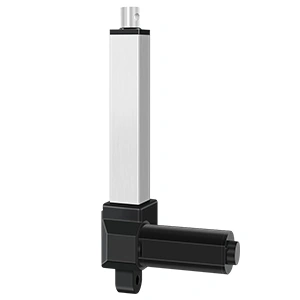
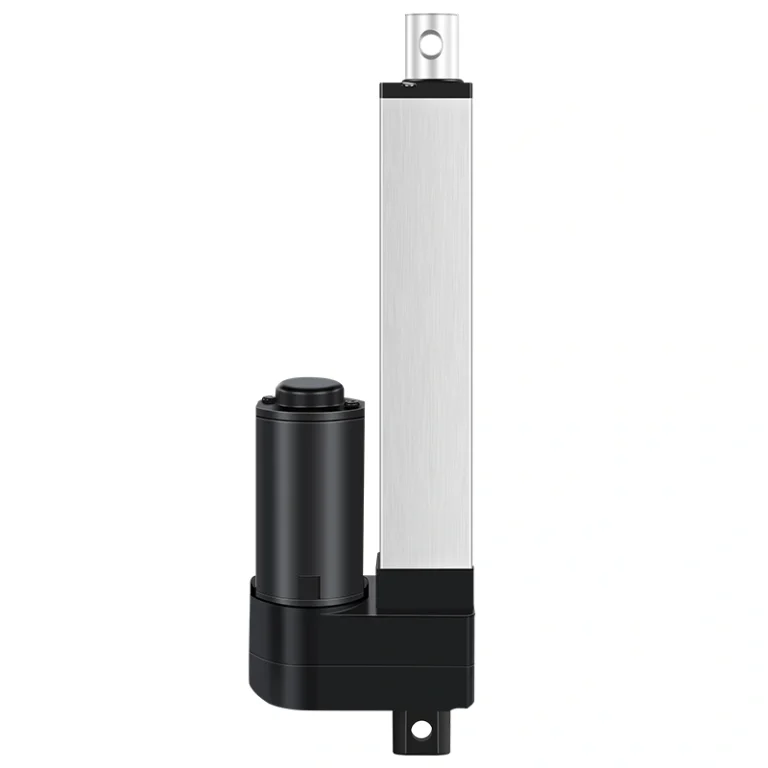
В линейном приводе винт типа T преобразует вращательное движение мотора в линейное движение. Когда мотор вращает вал винта, гайка, зацепленная с резьбой, движется вдоль шпинделя, толкая или тянув выходной вал привода.
Принцип работы основывается на геометрии спиральной резьбы:
Вращательный ввод: Электродвигатель (переменный или постоянный) приводит в действие вал винта.
Взаимодействие резьбы: Гайка движется по спиральным резьбам.
Линейный вывод: Вращательное движение становится линейным смещением.
Передача силы: Механическое преимущество резьбы умножает входной момент на линейную силу.
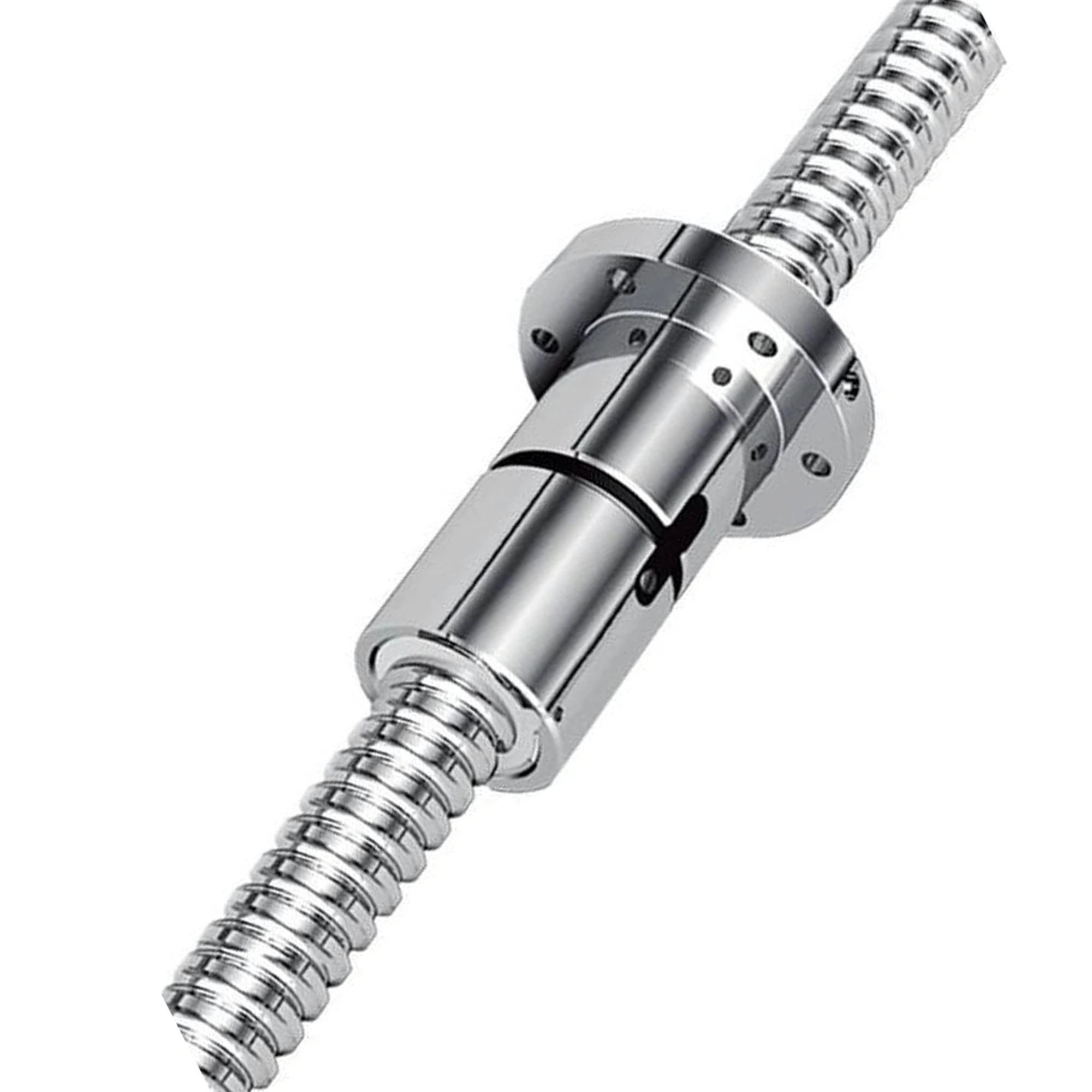
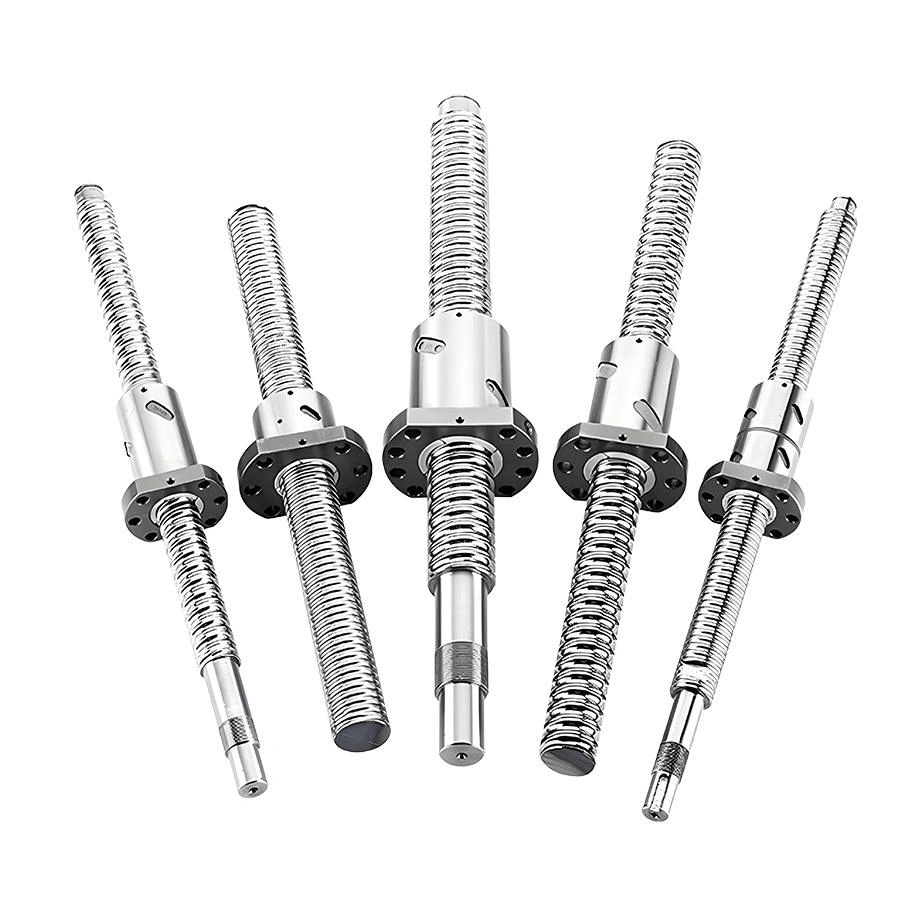
Эффективность этого преобразования зависит от нескольких факторов: шаг резьбы, питч, коэффициент трения между материалами винта и гайки, и условия смазки. В отличие от шариковых винтов, которые используют роликовые элементы, винты типа T работают через скользящее трение между резьбами винта и внутренним пространством гайки.
Self-Locking Conditions and Back-Driving
Одной из самых значительных характеристик винтов типа T является их механическая самозаклинивающая способность — свойство, которое делает их незаменимыми для приложений, критически важным для безопасности.
Понимание самозатягивания
Self-locking means the lead screw maintains its position when rotational force is removed. Under suitable design and friction conditions, the axial load may not readily back-drive the screw. This must be verified for the selected mechanism rather than assumed from the thread family alone. This occurs due to the friction inherent in the sliding contact between the trapezoidal threads.
Условия самозаклинивания определяются соотношением между углом шага и углом трения:
Угол шага: Наклон спирали, определяется шагом резьбы и диаметром.
Угол трения: Определяется коэффициентом трения между материалами гайки и винта.
A lower lead angle relative to the effective friction angle can increase resistance to back-driving. Because friction changes with material pairing, lubrication, wear, temperature, vibration and load, there is no universal lead-angle threshold that guarantees self-locking for every actuator.
Почему самозатягивание имеет значение
For applications where the actuator must hold position after power removal—or where unexpected back-driving could create a hazard—define and validate the required holding behavior:
Power-Off Holding: Confirm how much movement is permitted after power loss and validate the selected actuator at the required load and orientation
Static Holding: A validated passive holding condition may reduce the need for continuous motor torque, but actual system power and safety behavior depend on the selected design
System Design: A separate brake, restraint, feedback method or other safety function may still be required by the finished mechanism
Vertical Applications: Evaluate static holding, back-driving, orientation, safety factor and power-off behavior before approval
Potential resistance to back-driving can be useful in vertical or holding applications, but safety-critical positioning must be validated at the complete-system level.
Нагрузочная способность: Т-образные против шариковых винтов
Понимание характеристик нагрузки различных технологий винтов имеет решающее значение для правильного выбора приложения.
Статическая против динамической нагрузки
Static holding load and dynamic moving load are different ratings. Their relationship is design-specific and must be confirmed for the selected screw, nut, gearing and actuator.
Allowable moving and holding loads depend on screw diameter, nut engagement, materials, bearings, housing, duty cycle, load direction, temperature and test method.
Сравнительный анализ
Характеристика
What to verify
Efficiency
Configuration-specific geometry, preload, lubrication, load and speed
Back-driving / holding
Lead, friction, gearing, orientation, load, wear and brake strategy
Static / dynamic load
Separate rated values and test conditions for the selected actuator
Precision / backlash
Nut design, manufacturing tolerance, wear, preload and feedback/control method
Скорость
Critical speed, heat, lubrication, load and duty-cycle limits
Lifecycle
Defined load, stroke, speed, environment, lubrication and acceptance target
How T-Type Screws Can Fit Load-Holding Applications
T-type lead screw systems can be evaluated for load-holding applications such as:
Тяжелых подъемов: Промышленные прессы, подъемники и позиционирование тяжелой техники
Вертикального движения: Применения, где грузы должны удерживаться под действием силы тяжести
Приложения, ориентированные на силу: Где удерживающая сила важнее скорости или точности
Большая контактная поверхность между трапециевидными резьбами распределяет нагрузки по большей площади, уменьшая концентрацию напряжений и позволяя повышать статические грузовые характеристики.
Преимущества Т-образных винтов
1. Self-Locking Is Condition-Dependent
Self-locking behavior is condition-dependent. Confirm the selected screw geometry, friction condition, gearing, load, orientation, lubrication and wear state before relying on passive position holding.
2. Высокая статическая нагрузочная способность
A T-type screw system may provide useful static holding capacity, but the allowable static-to-dynamic load relationship must be confirmed from the selected actuator design and test conditions.
3. Рентабельность
Проще говоря, процесс изготовления и отсутствие точных шариковых дорожек делают винты типа T значительно более экономичными, чем альтернативы с шариковыми винтами. Для приложений, не требующих ультравысокой точности, это ценовое преимущество значительное.
4. Долговечность и продолжительный срок службы
Устойчивый профиль резьбы противостоит деформации под тяжелыми нагрузками, а простая конструкция минимизирует режимы отказа. При надлежащем смазывании винты типа T обеспечивают надежную службу в течение длительного времени.
5. Простота обслуживания
Без сложных роликовых элементов или деликатных систем рециркуляции шариков винты типа T более прощают загрязнения и требуют менее специализированного обслуживания.
6. Плавная работа на низких скоростях
Для приложений, требующих контролируемого, точного движения на низких скоростях, винты типа T обеспечивают плавное, предсказуемое движение без потенциальных ударов шариковых винтов или нестабильности на низких скоростях.
Ограничения и соображения
Низкая эффективность
Sliding friction can reduce efficiency relative to a rolling-element screw, but the actual efficiency of either system depends on geometry, preload, lubrication, load, speed and the selected design. This means:
Большее входящее питание требуется для той же выходной силы
Большее выделение тепла во время работы
Большее потребление энергии для непрерывных циклических приложений
Ограниченная скорость и точность
T-type lead screws are not designed for high-speed operation. Permissible speed and positioning performance are configuration-dependent. Verify screw critical speed, heat generation, backlash, nut design, feedback method and the complete actuator specification for the intended operating point.
Большее трение и износ
Скользящий контакт создает больше трения, чем роликовые элементы, что потенциально может привести к быстрому износу в высокоциклических приложениях. Правильное смазывание необходимо для максимизации срока службы.
Соображения по обратному люфту
Допуск резьбы и износ могут со временем привести к возникновению люфта (игры). Для приложений, требующих минимального люфта, может потребоваться периодическая регулировка или обслуживание.
Applications Where T-Type Lead Screws May Fit
T-type lead screws can be suitable for multiple applications when their load, speed, wear, backlash and holding characteristics match the project requirements.
Промышленные подъемные системы
Heavy-duty lifting platforms, scissor lifts and industrial presses can be candidates for T-type screw systems when the required moving load, static holding, back-driving, duty cycle and brake strategy have been verified for the complete mechanism.
Подъемники для телевизоров и оборудование для домашних кинотеатров
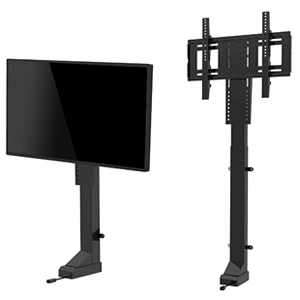
For television lifts, projector lifts and motorized mounting systems, define the required power-off holding behavior and validate the selected mechanism. Do not assume a T-type screw alone prevents movement or satisfies the finished product’s safety requirements.
Стенды для работы и эргономичная мебель
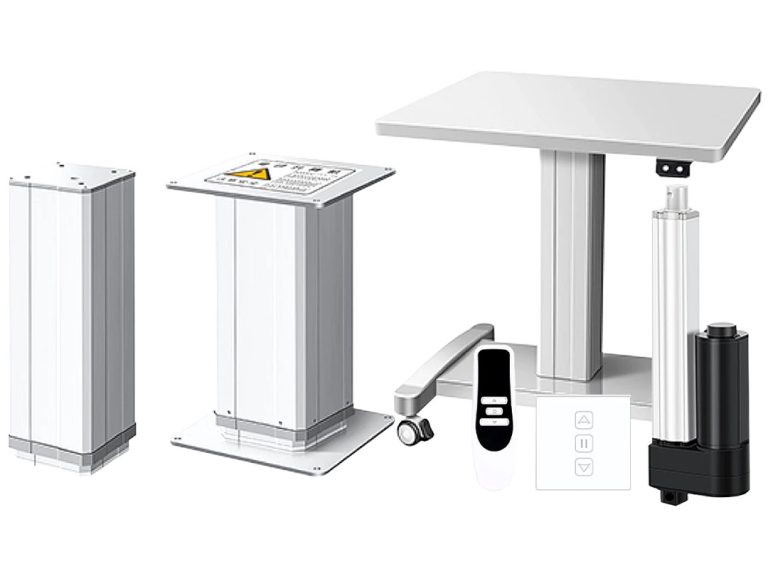
Adjustable-height workstations require controlled motion and reliable holding under their intended loads. T-type screw systems can be evaluated for these requirements, with noise, synchronization and holding verified on the complete desk configuration.
Медицинское и здравоохранительное оборудование
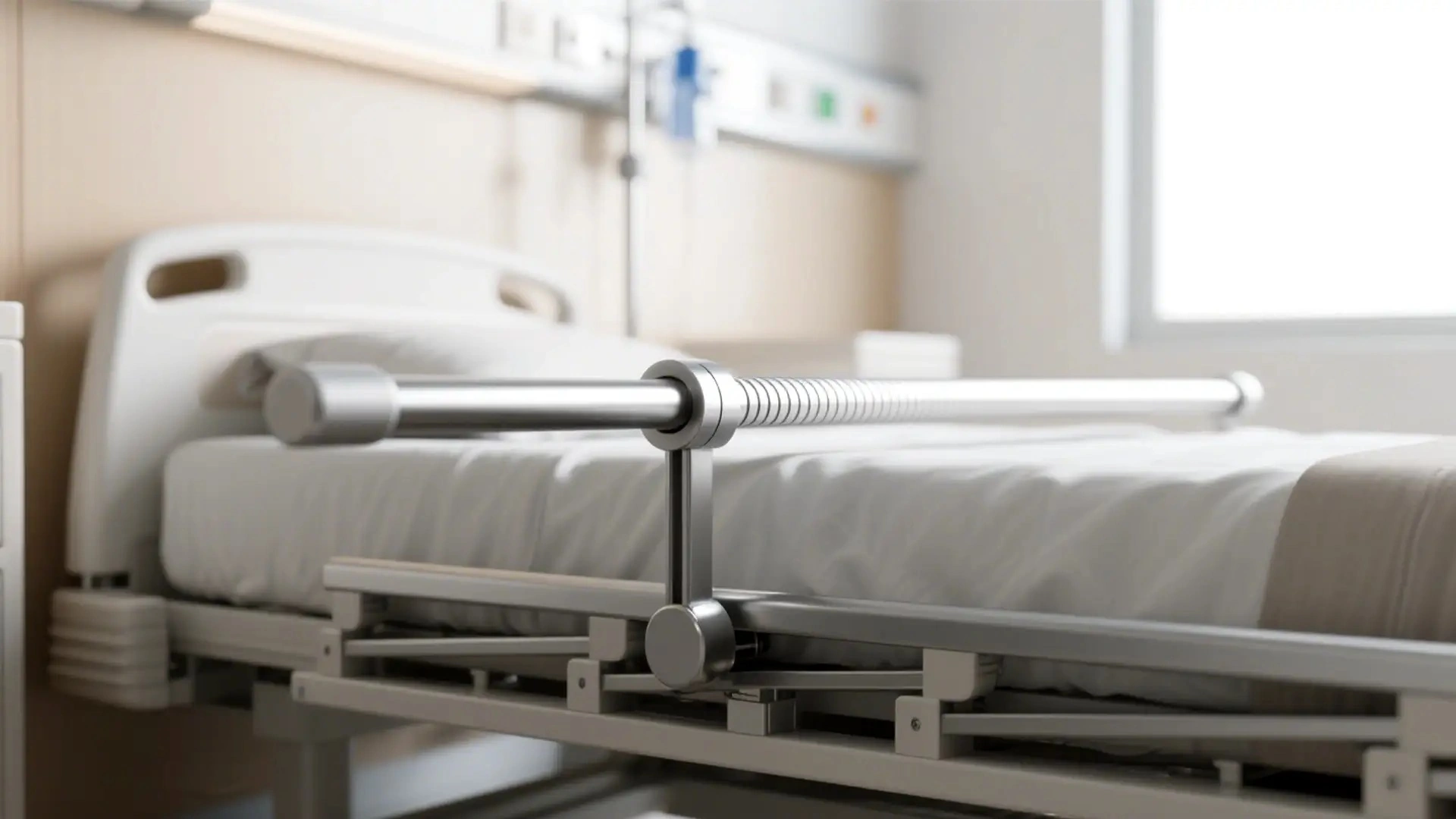
Care-related or medical equipment requires a finished-system safety architecture. A T-type screw may contribute to holding behavior, but it does not by itself establish fail-safe operation, patient safety or regulatory compliance during a power failure.
Сельскохозяйственная и уличная техника
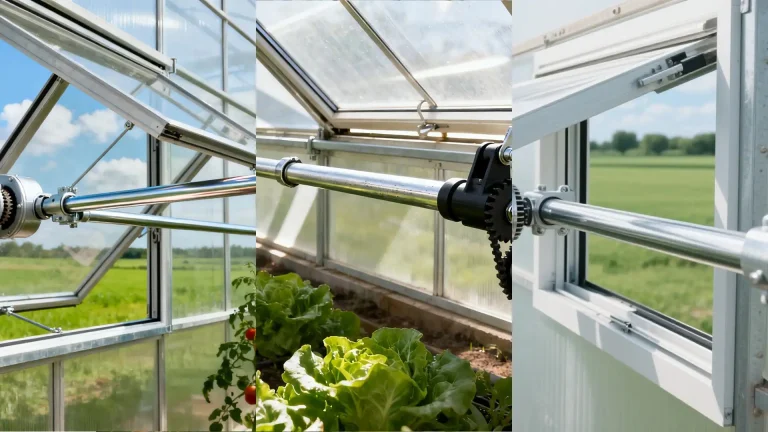
Долговечность и экономичность винтов типа T делают их подходящими для сельскохозяйственного оборудования, автоматизированных систем на открытом воздухе и приложений, где требования к точности умеренные, но надежность имеет первостепенное значение.
Промышленная автоматизация
Для автоматизированных систем, требующих надежного позиционирования с умеренными требованиями к точности, винты типа T предлагают экономичное решение, которое легко интегрируется со стандартными Управление моторами.
How to Evaluate Screw Type Across ActuLift Product Lines
ActuLift offers multiple actuator families and configurations. Screw type, gearing and holding behavior should be confirmed for the selected model rather than assumed across the complete portfolio.
Treating Holding as a System Requirement
Resistance to back-driving can support a system’s holding strategy, but end-user safety depends on the complete mechanism, load case, controls, braking or restraint strategy, fault behavior and application-specific validation.
Оптимизация для реальных приложений
Many applications do not require the same efficiency, speed or precision targets. When holding behavior, cost or packaging are important, compare T-type and ball-screw options against the actual operating requirements instead of assuming one architecture is universally optimal.
Комплексный ассортимент продукции
ActuLift offers multiple voltage, load and control families. Confirm the screw type, gearing, moving and holding load, stroke, speed, feedback and environmental requirements for each selected product rather than assuming a common T-type drivetrain across all 12V, 24V or heavy-duty categories.
Экономия затрат для клиентов
Cost, reliability, installation and maintenance depend on the selected actuator configuration and production requirements. Do not assume a single transmission technology is standardized across all ActuLift product families.
Инженерное проектирование с фокусом на надежность
A simpler screw-and-nut architecture can reduce component complexity, but failure modes, troubleshooting and long-term performance still depend on materials, lubrication, wear, load, environment and the complete actuator design. For customers requiring Промышленная автоматизация это надежность имеет решающее значение.
Выбор правильного линейного актуатора
При оценке линейных актуаторов для вашего приложения учитывайте эти факторы:
Consider T-Type Lead Screw Actuators When:
A validated resistance-to-back-driving or holding condition is required
Статическая удерживающая способность важнее динамической скорости
Экономическая эффективность является приоритетом
The project’s positioning accuracy and backlash requirements match the selected screw and control system
Приложение включает вертикальные нагрузки
Ценятся простота и надежность
Рассмотрите актуаторы со шариковыми винтами, когда:
Higher efficiency is a primary design objective
Tighter positioning accuracy or lower backlash is required
Необходима работа на высокой скорости
Приложение допускает активные тормозные системы
For applications involving human interaction, vertical loads or safety-relevant positioning, compare candidate actuator architectures against the actual load, speed, holding, duty-cycle, lifecycle and risk-control requirements before selection.
В чем основное отличие между Т-образным винтом и шариковым винтом?
T-type screws use sliding thread contact, while ball screws use recirculating rolling elements. A T-type design may provide more resistance to back-driving under some conditions; a ball-screw system often needs a separate holding strategy. Exact efficiency, load and holding behavior depend on the selected design.
Does a T-type lead screw automatically self-lock?
No. Self-locking and back-driving depend on thread geometry, friction, lubrication, materials, load, orientation, gearing, wear and the complete drivetrain. Confirm the selected actuator under the project conditions.
Do T-type lead screws require maintenance?
Maintenance depends on screw and nut materials, lubrication system, contamination, load, speed and cycle profile. Follow the selected actuator’s inspection and lubrication requirements rather than assuming a universal interval.
Can T-type lead screws be used at high speed?
Allowable speed depends on screw diameter and lead, unsupported length, critical speed, lubrication, heat generation, load and duty cycle. Compare the selected T-type, ball-screw or other drive system against the required operating point.
Заключение
T-type (trapezoidal) lead screws are an established transmission technology that can be useful where their friction, load, speed, wear and holding characteristics fit the application. While ball screws offer higher efficiency and precision for specialized applications, the correct choice depends on the complete load case, required efficiency, speed, backlash, holding behavior, lifecycle and system-level safety architecture.
Across ActuLift’s линейный актуатор range, transmission and holding behavior are configuration-specific. The appropriate screw and drive architecture should be selected from the project’s load, speed, duty-cycle, backlash, holding and safety requirements, then validated on the chosen build.
Независимо от того, разрабатываете ли вы медицинское устройство, промышленную машину или потребительский продукт, понимание сильных сторон винтов типа T поможет вам выбрать правильную технологию актуатора для ваших конкретных требований.
Источники
Стандарты ISO 2901/DIN 103: Технические спецификации для метрических трапецеидальных резьб, определяющие геометрию, используемую в актуаторах ActuLift.
Получите экспертные рекомендации по промышленному управлению движением
Выбор правильного электрического линейного актуатора или подъемную колонну критически важен для производительности вашего проекта. Как профессиональный Производитель управления движением и автоматизации, наши инженеры помогут вам настроить грузоподъемность, длину хода и рейтинги IP в зависимости от ваших конкретных приложений. Поделитесь своими техническими требованиями для индивидуального решения.
ActuLift поддерживает полную индивидуализацию, от структурного проектирования и параметров хода до брендинга и отделки корпусов, помогая вам создать мощную идентичность бренда.
Быстрый ответ и прототипирование
Мы понимаем важность скорости в B2B закупках, используя оптимизированные производственные потоки для обеспечения эффективных ответов от разработки образцов до массовых поставок.
Quality Documentation & Traceability
Quality and traceability requirements vary by project. Ask ActuLift for the applicable inspection records, product specifications, drawings and available compliance documentation for the selected model and order.