T-Type Lead Screws in Linear Actuators: Self-Locking Conditions & Trade-Offs
Learn how T-type (trapezoidal) lead screws convert rotary motion, when self-locking may occur, and how lead angle, friction, lubrication, efficiency, wear, backlash and load-holding trade-offs affect actuator selection.
When selecting a linear actuator, the transmission architecture affects efficiency, back-driving, speed, wear, backlash and load-holding behavior. T-type or trapezoidal lead screws use sliding contact between the screw and nut; self-locking may occur in some configurations, but it should be evaluated from lead angle, effective friction, lubrication, load, wear and the complete mechanism rather than assumed from the screw type alone.
This comprehensive guide explores how T-type lead screws work, their advantages and limitations, and how this technology should be evaluated within different ActuLift actuator configurations.
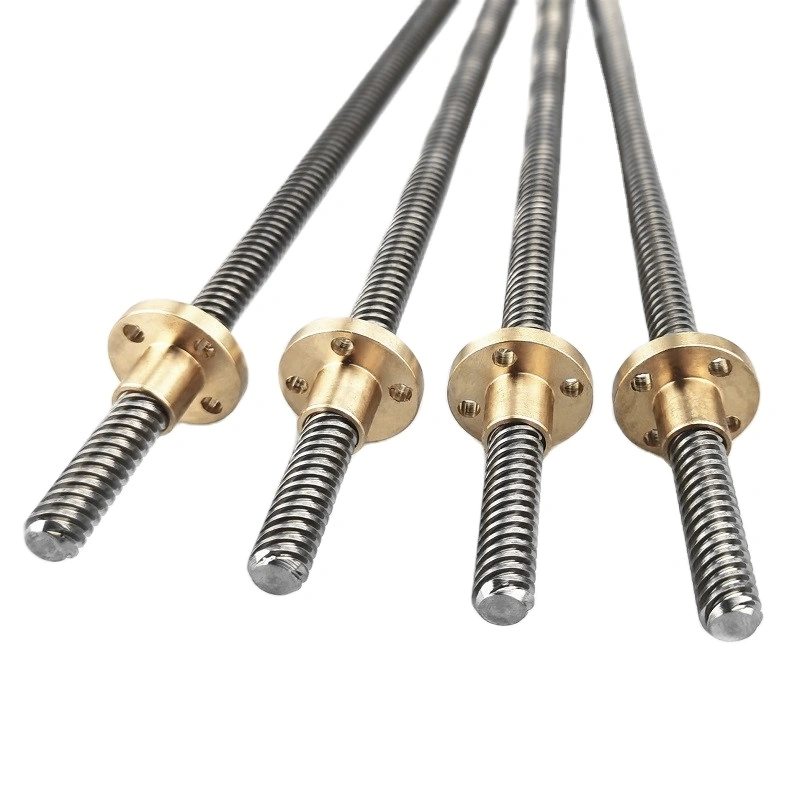
Vít dẫn loại T có hình dạng ren hình thang đặc trưng với góc cạnh 30 độ ở mỗi bên. Hình học ren này - đã được tiêu chuẩn hóa trong DIN 103 cho các ren hình thang - tạo ra bề mặt phẳng trên và dưới với các cạnh nghiêng, phân biệt nó với các ren dạng V được tìm thấy trong các vật cố định thông thường.
Hình dạng hình thang phục vụ một số mục đích kỹ thuật quan trọng:
Diện Tích Tiếp Xúc Tăng: Các bề mặt ren phẳng cung cấp diện tích chống đỡ lớn hơn so với các ren dạng V, phân phối tải tốt hơn trên toàn bộ sự tiếp xúc của ren.
Giảm Rủi Ro Kẹt Vít: Hình học ngăn chặn hiệu ứng kẹt có thể xảy ra với các ren dạng V dưới tải nén nặng.
Đơn Giản Trong Sản Xuất: Hình dạng đơn giản tương đối dễ dàng để gia công đến độ chính xác, góp phần vào độ tin cậy và hiệu quả chi phí.
Các vít dẫn loại T được sản xuất từ nhiều vật liệu khác nhau, bao gồm thép không gỉ, nhôm và thép carbon, mỗi loại cung cấp các sự kết hợp khác nhau về độ bền, khả năng chống ăn mòn và đặc tính trọng lượng.
Cách hoạt động của Bục vít T-Type trong bộ truyền động tuyến tính
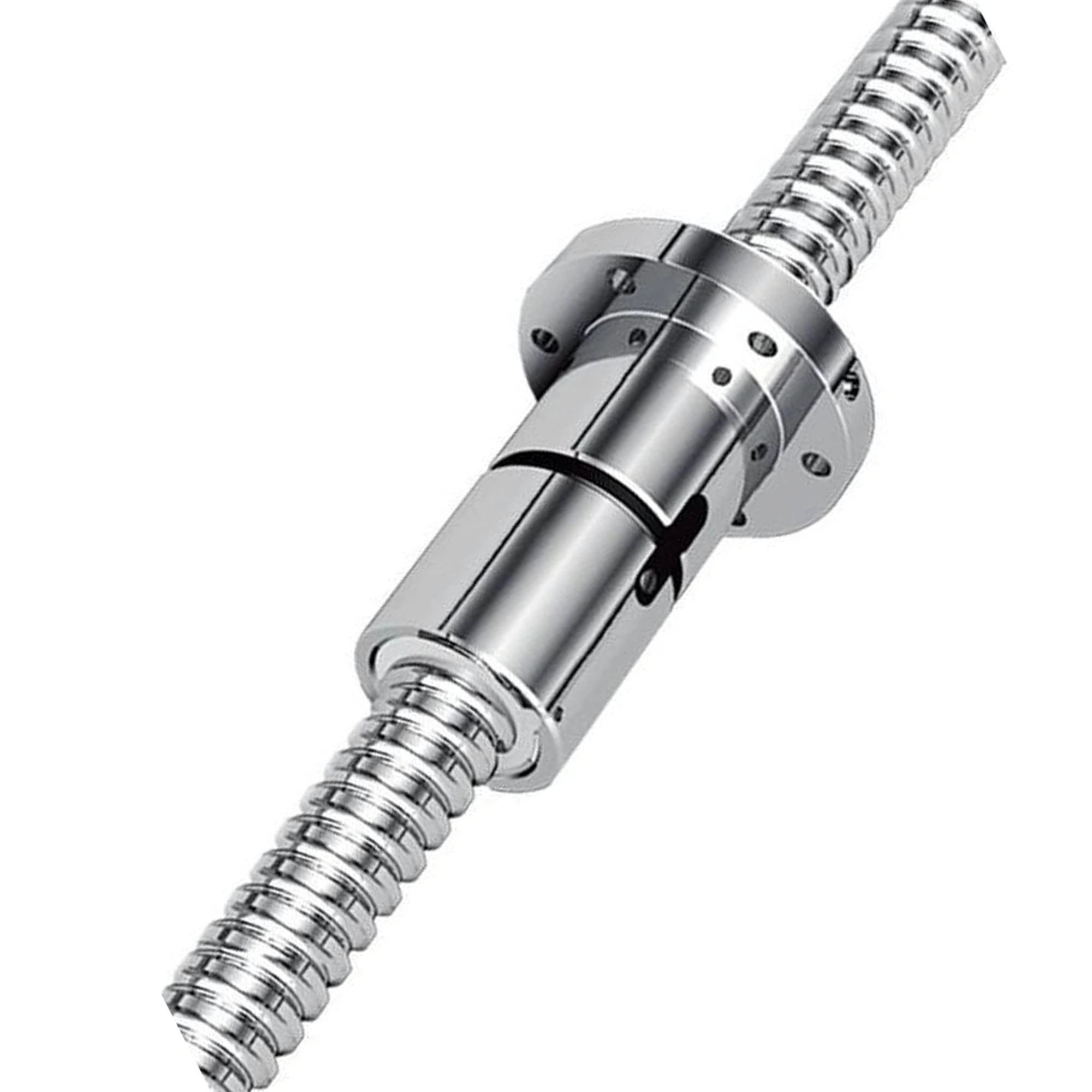
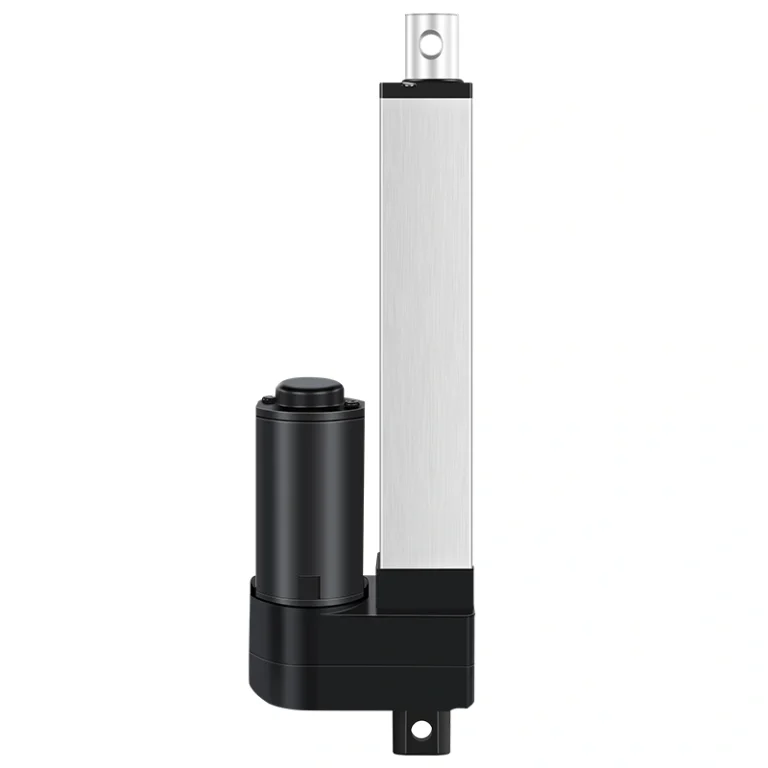
Trong một bộ điều khiển tuyến tính, vít dẫn loại T chuyển đổi chuyển động quay của động cơ thành chuyển động tuyến tính. Khi động cơ quay trục vít, các đai ốc kết hợp với các ren di chuyển dọc theo trục chính, đẩy hoặc kéo trục đầu ra của bộ điều khiển.
Nguyên lý hoạt động dựa trên hình học ren xoắn:
Đầu Vào Quay: Một động cơ điện (AC hoặc DC) lái trục vít dẫn.
Sự Kết Nối Ren: Đai ốc lăn dọc theo các ren xoắn.
Đầu Ra Tuyến Tính: Chuyển động quay trở thành dịch chuyển tuyến tính.
Truyền Tải Lực: Lợi thế cơ khí của ren nhân nhiều mô-men xoắn đầu vào thành lực tuyến tính.
Hiệu quả của việc chuyển đổi này phụ thuộc vào một số yếu tố: bước ren, bước ren, hệ số ma sát giữa các vật liệu vít và đai ốc, và điều kiện bôi trơn. Khác với các vít bi sử dụng các yếu tố lăn, các vít dẫn loại T hoạt động thông qua ma sát trượt giữa các ren vít và bên trong đai ốc.
Self-Locking Conditions and Back-Driving
Một trong những đặc điểm quan trọng nhất của các vít dẫn loại T là khả năng tự khóa cơ học - một thuộc tính khiến chúng trở nên không thể thiếu cho các ứng dụng quan trọng về an toàn.
Hiểu về tự khóa
Self-locking means the lead screw maintains its position when rotational force is removed. Under suitable design and friction conditions, the axial load may not readily back-drive the screw. This must be verified for the selected mechanism rather than assumed from the thread family alone. This occurs due to the friction inherent in the sliding contact between the trapezoidal threads.
Điều kiện tự khóa được xác định bởi mối quan hệ giữa góc dẫn và góc ma sát:
Góc Dẫn: Độ dốc của xoắn ốc, được xác định bởi bước ren và đường kính.
Góc Ma Sát: Được xác định bởi hệ số ma sát giữa các vật liệu đai ốc và vít.
A lower lead angle relative to the effective friction angle can increase resistance to back-driving. Because friction changes with material pairing, lubrication, wear, temperature, vibration and load, there is no universal lead-angle threshold that guarantees self-locking for every actuator.
Tại sao tự khóa lại quan trọng
For applications where the actuator must hold position after power removal—or where unexpected back-driving could create a hazard—define and validate the required holding behavior:
Power-Off Holding: Confirm how much movement is permitted after power loss and validate the selected actuator at the required load and orientation
Static Holding: A validated passive holding condition may reduce the need for continuous motor torque, but actual system power and safety behavior depend on the selected design
System Design: A separate brake, restraint, feedback method or other safety function may still be required by the finished mechanism
Vertical Applications: Evaluate static holding, back-driving, orientation, safety factor and power-off behavior before approval
Potential resistance to back-driving can be useful in vertical or holding applications, but safety-critical positioning must be validated at the complete-system level.
Khả năng chịu tải: Bục vít T-Type so với Bục vít bi
Hiểu các đặc tính tải của các công nghệ vít khác nhau là cần thiết cho việc lựa chọn ứng dụng chính xác.
Khả năng chịu tải tĩnh so với động
Static holding load and dynamic moving load are different ratings. Their relationship is design-specific and must be confirmed for the selected screw, nut, gearing and actuator.
Allowable moving and holding loads depend on screw diameter, nut engagement, materials, bearings, housing, duty cycle, load direction, temperature and test method.
Phân tích so sánh
Đặc điểm
What to verify
Efficiency
Configuration-specific geometry, preload, lubrication, load and speed
Back-driving / holding
Lead, friction, gearing, orientation, load, wear and brake strategy
Static / dynamic load
Separate rated values and test conditions for the selected actuator
Precision / backlash
Nut design, manufacturing tolerance, wear, preload and feedback/control method
Tốc độ
Critical speed, heat, lubrication, load and duty-cycle limits
Lifecycle
Defined load, stroke, speed, environment, lubrication and acceptance target
How T-Type Screws Can Fit Load-Holding Applications
T-type lead screw systems can be evaluated for load-holding applications such as:
Nâng nặng: Các máy ép công nghiệp, thang máy, và định vị máy móc nặng
Chuyển động thẳng đứng: Ứng dụng nơi tải trọng phải được giữ lại chống lại trọng lực
Ứng dụng tập trung lực: Nơi lực giữ quan trọng hơn tốc độ hoặc độ chính xác
Diện tích tiếp xúc lớn hơn giữa các ren thang hình thang phân phối lực lên nhiều bề mặt hơn, giảm nồng độ căng thẳng và cho phép đánh giá tải tĩnh cao hơn.
Lợi ích của Bục vít T-Type
1. Self-Locking Is Condition-Dependent
Self-locking behavior is condition-dependent. Confirm the selected screw geometry, friction condition, gearing, load, orientation, lubrication and wear state before relying on passive position holding.
2. Khả năng chịu tải tĩnh cao
A T-type screw system may provide useful static holding capacity, but the allowable static-to-dynamic load relationship must be confirmed from the selected actuator design and test conditions.
3. Tính hiệu quả về chi phí
Quy trình sản xuất đơn giản hơn và sự thiếu hụt các đường ray bi chính xác khiến bu lông dẫn kiểu T tiết kiệm kinh tế hơn đáng kể so với các thay thế bằng bu lông bi. Đối với các ứng dụng không yêu cầu độ chính xác cực cao, lợi thế chi phí này là đáng kể.
4. Độ bền và tuổi thọ
Hình dạng ren chắc chắn chống lại sự biến dạng dưới tải trọng nặng, và thiết kế đơn giản giảm thiểu các chế độ hỏng hóc. Với việc bôi trơn đúng cách, bu lông dẫn kiểu T cung cấp dịch vụ đáng tin cậy trong thời gian dài.
5. Bảo trì đơn giản
Không có các phần tử lăn phức tạp hoặc hệ thống tái tuần hoàn bi tinh tế, bu lông dẫn kiểu T cho phép chịu đựng ô nhiễm tốt hơn và yêu cầu bảo trì ít chuyên biệt hơn.
6. Vận hành mượt mà ở tốc độ thấp
Đối với các ứng dụng yêu cầu chuyển động có kiểm soát và chính xác ở tốc độ thấp, bu lông dẫn kiểu T cung cấp chuyển động mượt mà, dự đoán mà không có khả năng cho tiếng ồn hay không ổn định của bu lông bi ở tốc độ thấp.
Giới hạn và các yếu tố cần xem xét
Hiệu suất thấp hơn
Sliding friction can reduce efficiency relative to a rolling-element screw, but the actual efficiency of either system depends on geometry, preload, lubrication, load, speed and the selected design. This means:
Nhiều năng lượng đầu vào hơn cần cho cùng một lực đầu ra
Nhiều nhiệt tạo ra trong quá trình vận hành
Tiêu thụ năng lượng cao hơn cho các ứng dụng cycling liên tục
Tốc độ và độ chính xác giới hạn
T-type lead screws are not designed for high-speed operation. Permissible speed and positioning performance are configuration-dependent. Verify screw critical speed, heat generation, backlash, nut design, feedback method and the complete actuator specification for the intended operating point.
Ma sát và sự mài mòn cao hơn
Tiếp xúc trượt tạo ra nhiều ma sát hơn các phần tử lăn, có thể dẫn đến sự mài mòn nhanh hơn trong các ứng dụng vòng lặp cao. Việc bôi trơn đúng cách là cần thiết để tối đa hóa vòng đời dịch vụ.
Cân nhắc về độ trễ
Khoảng cách ren và sự mài mòn có thể gây ra độ chơi theo thời gian. Đối với các ứng dụng yêu cầu độ chơi tối thiểu, điều chỉnh hoặc bảo trì định kỳ có thể cần thiết.
Applications Where T-Type Lead Screws May Fit
T-type lead screws can be suitable for multiple applications when their load, speed, wear, backlash and holding characteristics match the project requirements.
Hệ thống nâng công nghiệp
Heavy-duty lifting platforms, scissor lifts and industrial presses can be candidates for T-type screw systems when the required moving load, static holding, back-driving, duty cycle and brake strategy have been verified for the complete mechanism.
Cáp truyền hình và thiết bị rạp chiếu phim tại nhà
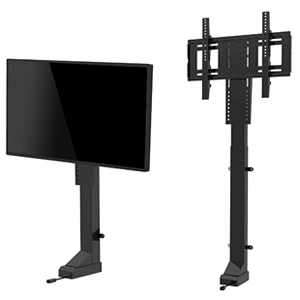
For television lifts, projector lifts and motorized mounting systems, define the required power-off holding behavior and validate the selected mechanism. Do not assume a T-type screw alone prevents movement or satisfies the finished product’s safety requirements.
Bàn đứng và nội thất công thái học
Adjustable-height workstations require controlled motion and reliable holding under their intended loads. T-type screw systems can be evaluated for these requirements, with noise, synchronization and holding verified on the complete desk configuration.
Thiết bị y tế và chăm sóc sức khỏe
Care-related or medical equipment requires a finished-system safety architecture. A T-type screw may contribute to holding behavior, but it does not by itself establish fail-safe operation, patient safety or regulatory compliance during a power failure.
Máy móc nông nghiệp và ngoài trời
Sự bền bỉ và hiệu quả chi phí của bu lông dẫn kiểu T làm cho chúng phù hợp cho thiết bị nông nghiệp, hệ thống tự động ngoài trời và các ứng dụng có yêu cầu độ chính xác vừa phải nhưng độ tin cậy là rất quan trọng.
Tự động hóa công nghiệp
Đối với các hệ thống tự động yêu cầu định vị đáng tin cậy với yêu cầu độ chính xác vừa phải, bu lông dẫn kiểu T cung cấp một giải pháp kinh tế có thể tích hợp dễ dàng với các điều khiển động cơ tiêu chuẩn.
How to Evaluate Screw Type Across ActuLift Product Lines
ActuLift offers multiple actuator families and configurations. Screw type, gearing and holding behavior should be confirmed for the selected model rather than assumed across the complete portfolio.
Treating Holding as a System Requirement
Resistance to back-driving can support a system’s holding strategy, but end-user safety depends on the complete mechanism, load case, controls, braking or restraint strategy, fault behavior and application-specific validation.
Tối ưu hóa cho các ứng dụng thực tế
Many applications do not require the same efficiency, speed or precision targets. When holding behavior, cost or packaging are important, compare T-type and ball-screw options against the actual operating requirements instead of assuming one architecture is universally optimal.
Dòng sản phẩm toàn diện
ActuLift offers multiple voltage, load and control families. Confirm the screw type, gearing, moving and holding load, stroke, speed, feedback and environmental requirements for each selected product rather than assuming a common T-type drivetrain across all 12V, 24V or heavy-duty categories.
Hiệu quả chi phí cho khách hàng
Cost, reliability, installation and maintenance depend on the selected actuator configuration and production requirements. Do not assume a single transmission technology is standardized across all ActuLift product families.
Kỹ thuật tập trung vào độ tin cậy
A simpler screw-and-nut architecture can reduce component complexity, but failure modes, troubleshooting and long-term performance still depend on materials, lubrication, wear, load, environment and the complete actuator design. For customers requiring Tự động hóa công nghiệp các giải pháp, độ tin cậy này là điều cần thiết.
Chọn bộ truyền động tuyến tính phù hợp
Khi đánh giá các bộ truyền động tuyến tính cho ứng dụng của bạn, hãy xem xét những yếu tố này:
Consider T-Type Lead Screw Actuators When:
A validated resistance-to-back-driving or holding condition is required
Khả năng giữ tải tĩnh quan trọng hơn tốc độ động
Chi phí hiệu quả là ưu tiên hàng đầu
The project’s positioning accuracy and backlash requirements match the selected screw and control system
Ứng dụng liên quan đến tải trọng thẳng đứng
Sự đơn giản và độ tin cậy được đánh giá cao
Xem xét bộ truyền động Bục vít bi khi:
Higher efficiency is a primary design objective
Tighter positioning accuracy or lower backlash is required
Vận hành tốc độ cao là cần thiết
Ứng dụng cho phép các hệ thống phanh chủ động
For applications involving human interaction, vertical loads or safety-relevant positioning, compare candidate actuator architectures against the actual load, speed, holding, duty-cycle, lifecycle and risk-control requirements before selection.
Sự khác biệt chính giữa Bục vít T-Type và Bục vít bi là gì?
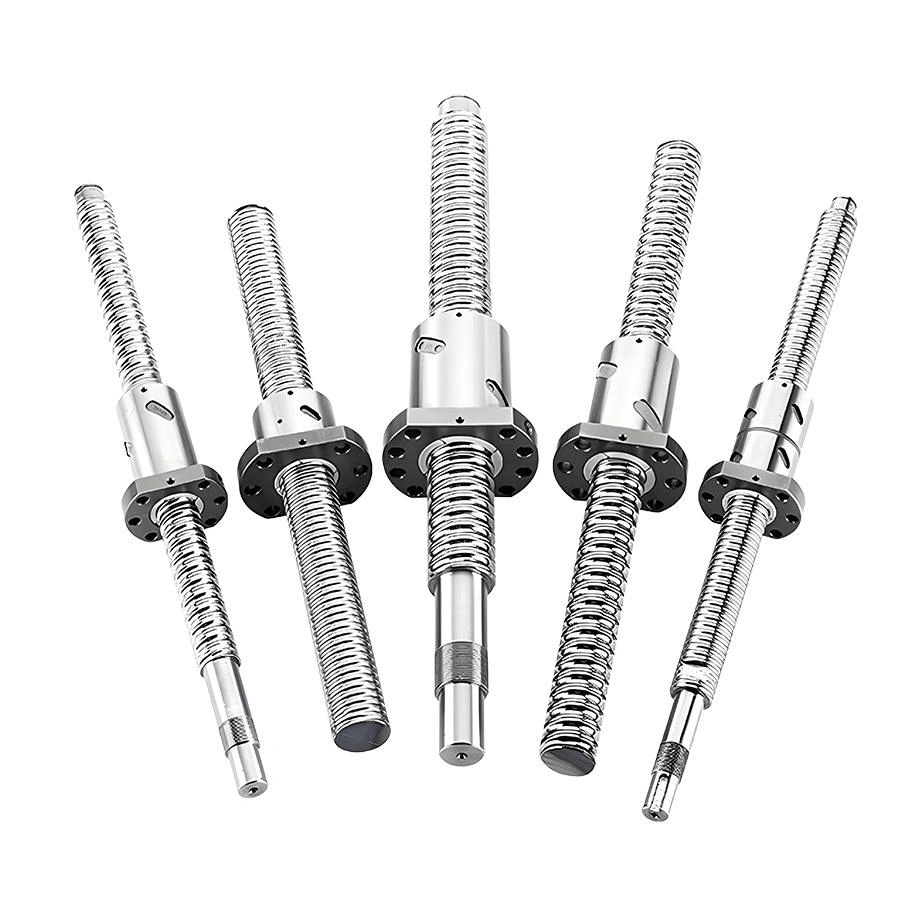
T-type screws use sliding thread contact, while ball screws use recirculating rolling elements. A T-type design may provide more resistance to back-driving under some conditions; a ball-screw system often needs a separate holding strategy. Exact efficiency, load and holding behavior depend on the selected design.
Does a T-type lead screw automatically self-lock?
No. Self-locking and back-driving depend on thread geometry, friction, lubrication, materials, load, orientation, gearing, wear and the complete drivetrain. Confirm the selected actuator under the project conditions.
Do T-type lead screws require maintenance?
Maintenance depends on screw and nut materials, lubrication system, contamination, load, speed and cycle profile. Follow the selected actuator’s inspection and lubrication requirements rather than assuming a universal interval.
Can T-type lead screws be used at high speed?
Allowable speed depends on screw diameter and lead, unsupported length, critical speed, lubrication, heat generation, load and duty cycle. Compare the selected T-type, ball-screw or other drive system against the required operating point.
Kết luận
T-type (trapezoidal) lead screws are an established transmission technology that can be useful where their friction, load, speed, wear and holding characteristics fit the application. While ball screws offer higher efficiency and precision for specialized applications, the correct choice depends on the complete load case, required efficiency, speed, backlash, holding behavior, lifecycle and system-level safety architecture.
Across ActuLift’s bộ truyền động tuyến tính range, transmission and holding behavior are configuration-specific. The appropriate screw and drive architecture should be selected from the project’s load, speed, duty-cycle, backlash, holding and safety requirements, then validated on the chosen build.
Dù bạn đang thiết kế một thiết bị y tế, máy công nghiệp hay sản phẩm tiêu dùng, hiểu rõ những ưu điểm của ốc vít dạng T giúp bạn chọn công nghệ bộ truyền động phù hợp với yêu cầu cụ thể của bạn.
Nguồn
Tiêu chuẩn ISO 2901/DIN 103: Thông số kỹ thuật cho các ren vít hình thang mét, xác định hình học được sử dụng trong các bộ truyền động ActuLift.
ActuLift hỗ trợ tùy chỉnh từ đầu đến cuối, từ thiết kế cấu trúc và tham số hành trình đến thương hiệu và hoàn thiện vỏ, giúp bạn xây dựng bản sắc thương hiệu mạnh mẽ.
Phản hồi nhanh & Tạo mẫu
Chúng tôi hiểu tầm quan trọng của tốc độ trong việc mua sắm B2B, sử dụng quy trình sản xuất được tối ưu hóa để đảm bảo phản hồi hiệu quả từ phát triển mẫu đến giao hàng số lượng lớn.
Quality Documentation & Traceability
Quality and traceability requirements vary by project. Ask ActuLift for the applicable inspection records, product specifications, drawings and available compliance documentation for the selected model and order.