T-Type Lead Screws in Linear Actuators: Self-Locking Conditions & Trade-Offs
Learn how T-type (trapezoidal) lead screws convert rotary motion, when self-locking may occur, and how lead angle, friction, lubrication, efficiency, wear, backlash and load-holding trade-offs affect actuator selection.
When selecting a linear actuator, the transmission architecture affects efficiency, back-driving, speed, wear, backlash and load-holding behavior. T-type or trapezoidal lead screws use sliding contact between the screw and nut; self-locking may occur in some configurations, but it should be evaluated from lead angle, effective friction, lubrication, load, wear and the complete mechanism rather than assumed from the screw type alone.
This comprehensive guide explores how T-type lead screws work, their advantages and limitations, and how this technology should be evaluated within different ActuLift actuator configurations.
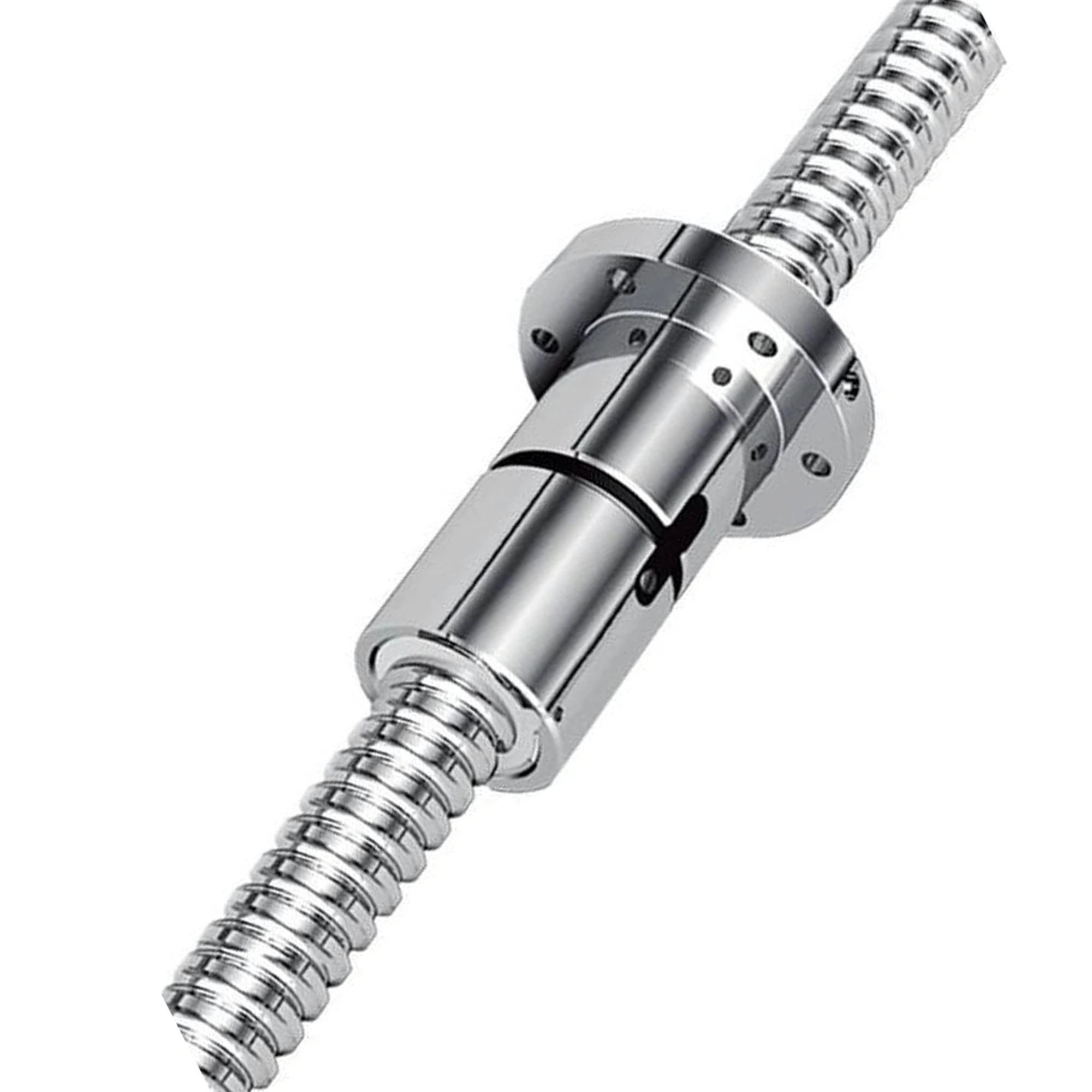
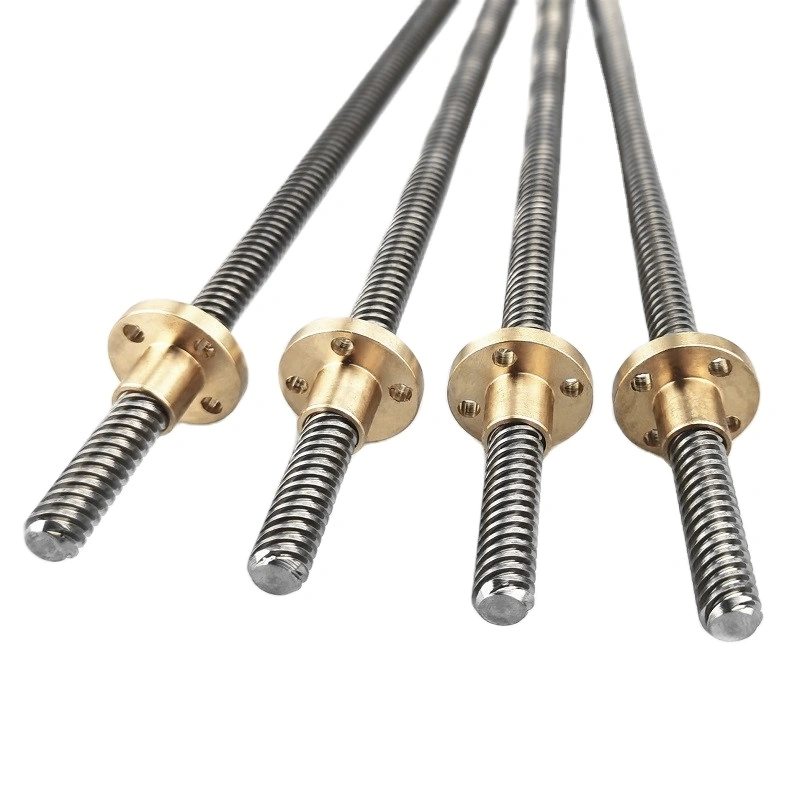
T tipi dişli vidalar, her iki tarafta 30 derecelik bir yan açısına sahip belirgin bir trapezoidal diş profiline sahiptir. Bu diş geometrisi—trapezoidal dişler için DIN 103'te standartlaştırılmıştır—düz bir üst ve alt yüzey ile eğimli yanlar oluşturur, bu da onu geleneksel bağlantı elemanlarında bulunan V dişlerinden ayırır.
Trapezoidal şekil birkaç kritik mühendislik amacı taşır:
Artırılmış Temas Alanı: Düz diş yüzeyleri, V dişlerine kıyasla daha büyük yatak yüzeyleri sağlar, yükleri tüm diş temasına daha etkili bir şekilde dağıtır.
Azaltılmış Sıkışma Riski: Geometri, ağır sıkıştırma yükleri altında V dişleri ile meydana gelebilecek sıkışma etkisini önler.
Üretim Basitliği: Düzgün profil, hassas toleranslara işlenmesi göreceli olarak kolaydır, güvenilirlik ve maliyet etkinliğine katkıda bulunur.
T tipi dişli vidalar, her biri farklı güç, korozyon direnci ve ağırlık özellikleri kombinasyonları sunan paslanmaz çelik, alüminyum ve karbon çelik dahil olmak üzere çeşitli malzemelerden üretilmektedir.
T-Tipi Vida Vidalarının Doğrusal Aktüatörlerdeki Çalışma Prensibi
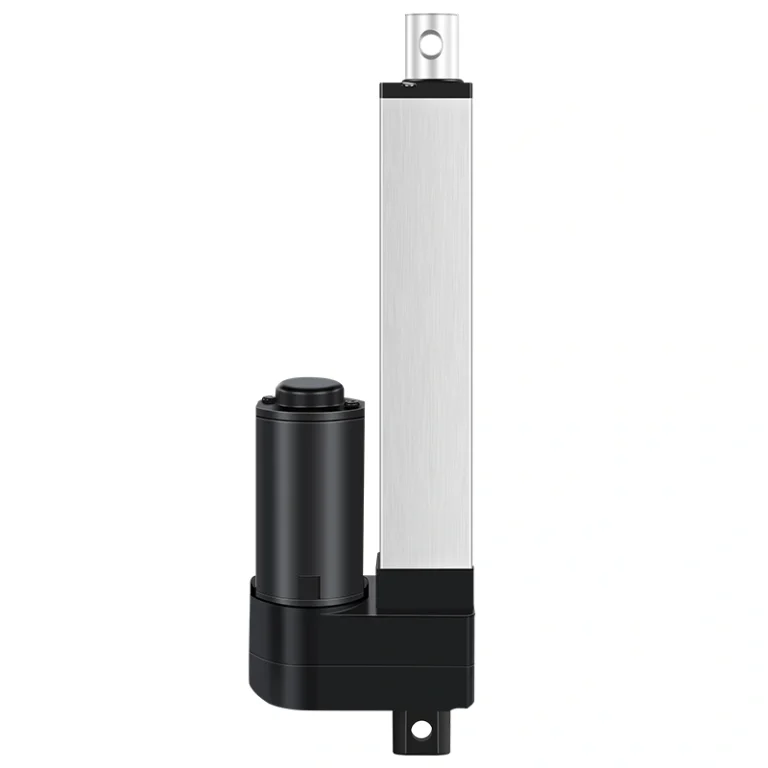
Bir lineer aktüatörde, T tipi dişli vida rotasyonel motor hareketini lineer harekete dönüştürür. Motor vida milini döndürdüğünde, dişlerle bağlantılı somun, mil boyunca hareket ederek aktüatörün çıkış milini itiyor veya çekiyor.
Çalışma prensibi, helikal diş geometrisine dayanır:
Rotasyonel Girdi: Bir elektrik motoru (AC veya DC) dişli vida milini sürer.
Diş Teması: Somun, helikal dişler boyunca ilerler.
Lineer Çıktı: Rotasyonel hareket lineer yer değiştirmeye dönüşür.
Kuvvet İletimi: Dişin mekanik avantajı, giriş torkunu lineer kuvvete çarpar.
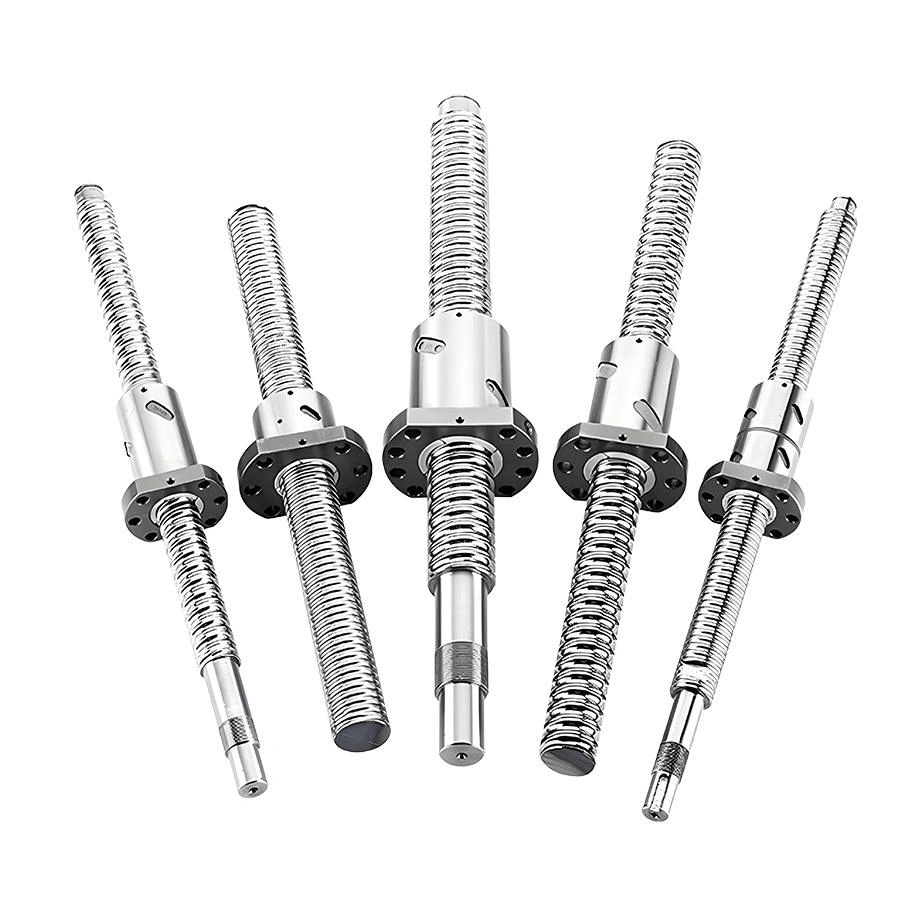
Bu dönüşümün verimliliği, dişin ilerleme açısı, yerleşim, vida ve somun malzemeleri arasındaki sürtünme katsayısı ve yağlama koşulları gibi birkaç faktöre bağlıdır. Yuvarlanma elemanları kullanan bilyeli vidaların aksine, T tipi dişli vidalar, vida dişleri ile somun içi arasındaki kayma sürtünmesi aracılığıyla çalışır.
Self-Locking Conditions and Back-Driving
T tipi dişli vidaların en önemli özelliklerinden biri, mekanik kendinden kilitlenme yeteneğidir—bu özellik, onları güvenlik açısından kritik uygulamalar için vazgeçilmez kılar.
Kendiliğinden Kilitlemeyi Anlamak
Self-locking means the lead screw maintains its position when rotational force is removed. Under suitable design and friction conditions, the axial load may not readily back-drive the screw. This must be verified for the selected mechanism rather than assumed from the thread family alone. This occurs due to the friction inherent in the sliding contact between the trapezoidal threads.
Kendinden kilitlenme durumu, ilerleme açısı ile sürtünme açısı arasındaki ilişkiye bağlıdır:
İlerleme Açısı: Dişin ilerleme açısı, dişin yerleşimi ve çapı tarafından belirlenir.
Sürtünme Açısı: Somun ve vida malzemeleri arasındaki sürtünme katsayısı tarafından belirlenir.
A lower lead angle relative to the effective friction angle can increase resistance to back-driving. Because friction changes with material pairing, lubrication, wear, temperature, vibration and load, there is no universal lead-angle threshold that guarantees self-locking for every actuator.
Kendiliğinden Kilitlemenin Önemi
For applications where the actuator must hold position after power removal—or where unexpected back-driving could create a hazard—define and validate the required holding behavior:
Power-Off Holding: Confirm how much movement is permitted after power loss and validate the selected actuator at the required load and orientation
Static Holding: A validated passive holding condition may reduce the need for continuous motor torque, but actual system power and safety behavior depend on the selected design
System Design: A separate brake, restraint, feedback method or other safety function may still be required by the finished mechanism
Vertical Applications: Evaluate static holding, back-driving, orientation, safety factor and power-off behavior before approval
Potential resistance to back-driving can be useful in vertical or holding applications, but safety-critical positioning must be validated at the complete-system level.
Yük Taşıma Kapasitesi: T-Tipi vs. Bilyalı Vidalar
Farklı vida teknolojilerinin yük özelliklerini anlamak, uygun uygulama seçimi için gereklidir.
Statik ve Dinamik Yük Kapasitesi
Static holding load and dynamic moving load are different ratings. Their relationship is design-specific and must be confirmed for the selected screw, nut, gearing and actuator.
Allowable moving and holding loads depend on screw diameter, nut engagement, materials, bearings, housing, duty cycle, load direction, temperature and test method.
Karşılaştırmalı Analiz
Karakteristik
What to verify
Efficiency
Configuration-specific geometry, preload, lubrication, load and speed
Back-driving / holding
Lead, friction, gearing, orientation, load, wear and brake strategy
Static / dynamic load
Separate rated values and test conditions for the selected actuator
Precision / backlash
Nut design, manufacturing tolerance, wear, preload and feedback/control method
Hız
Critical speed, heat, lubrication, load and duty-cycle limits
Lifecycle
Defined load, stroke, speed, environment, lubrication and acceptance target
How T-Type Screws Can Fit Load-Holding Applications
T-type lead screw systems can be evaluated for load-holding applications such as:
Ağır kaldırma: Endüstriyel presler, asansörler ve ağır makinelerin konumlandırılması
Dikey Hareket: Yüklerin yerçekimine karşı tutulması gereken uygulamalar
Kuvvet-odaklı Uygulamalar: Burada tutma kuvveti, hız veya hassasiyetten daha önemlidir
Trapezoidal dişler arasındaki daha büyük temas alanı, yükleri daha fazla yüzeye dağıtarak stres yoğunluğunu azaltır ve daha yüksek statik yük derecelendirmelerine olanak tanır.
T-Tipi Vida Vidalarının Avantajları
1. Self-Locking Is Condition-Dependent
Self-locking behavior is condition-dependent. Confirm the selected screw geometry, friction condition, gearing, load, orientation, lubrication and wear state before relying on passive position holding.
2. Yüksek Statik Yük Kapasitesi
A T-type screw system may provide useful static holding capacity, but the allowable static-to-dynamic load relationship must be confirmed from the selected actuator design and test conditions.
3. Maliyet Etkinliği
Daha basit üretim süreci ve hassas bilye yollarının olmaması, T tipi vida somunlarını bilyeli vida alternatiflerine göre önemli ölçüde daha ekonomik hale getirir. Aşırı yüksek hassasiyet gerektirmeyen uygulamalar için bu maliyet avantajı önemlidir.
4. Dayanıklılık ve Uzun Ömür
Sağlam diş profili ağır yükler altında deformasyona karşı dayanıklıdır ve basit tasarım, arıza modlarını minimize eder. Uygun yağlama ile T tipi vida somunları uzun süreli güvenilir hizmet sağlar.
5. Basit Bakım
Karmaşık döner elemanlar veya hassas bilye geri dolaşım sistemleri olmadan, T tipi vida somunları kontaminasyona karşı daha hoşgörülüdür ve daha az özel bakım gerektirir.
6. Düşük Hızlarda Pürüzsüz Çalışma
Daha düşük hızlarda kontrol edilen, hassas hareket gerektiren uygulamalar için T tipi vida somunları, bilyeli vida gürültüsü veya düşük hızlarda istikrarsızlık potansiyeli olmadan düzgün, öngörülebilir hareket sağlar.
Sınırlamalar ve Dikkate Alınacaklar
Daha Düşük Verimlilik
Sliding friction can reduce efficiency relative to a rolling-element screw, but the actual efficiency of either system depends on geometry, preload, lubrication, load, speed and the selected design. This means:
Aynı çıkış gücü için daha fazla giriş gücü gerektirir
Çalışma sırasında daha fazla ısı üretimi
Sürekli döngü uygulamaları için daha yüksek enerji tüketimi
Sınırlı Hız ve Hassasiyet
T-type lead screws are not designed for high-speed operation. Permissible speed and positioning performance are configuration-dependent. Verify screw critical speed, heat generation, backlash, nut design, feedback method and the complete actuator specification for the intended operating point.
Daha Yüksek Sürtünme ve Aşınma
Kaydırma kontağı, döner elemanlardan daha fazla sürtünme yaratır, bu da yüksek döngü uygulamalarında daha hızlı aşınmaya yol açabilir. Hizmet ömrünü en üst düzeye çıkarmak için uygun yağlama şarttır.
Oynama Dikkate Alınacaklar
Diş boşluğu ve aşınma zamanla boşluk (oyna) oluşturabilir. Minimal boşluk gerektiren uygulamalar için periyodik ayarlama veya bakım gerekebilir.
Applications Where T-Type Lead Screws May Fit
T-type lead screws can be suitable for multiple applications when their load, speed, wear, backlash and holding characteristics match the project requirements.
Endüstriyel Kaldırma Sistemleri
Heavy-duty lifting platforms, scissor lifts and industrial presses can be candidates for T-type screw systems when the required moving load, static holding, back-driving, duty cycle and brake strategy have been verified for the complete mechanism.
TV Kaldırıcıları ve Ev Sinema Ekipmanları
For television lifts, projector lifts and motorized mounting systems, define the required power-off holding behavior and validate the selected mechanism. Do not assume a T-type screw alone prevents movement or satisfies the finished product’s safety requirements.
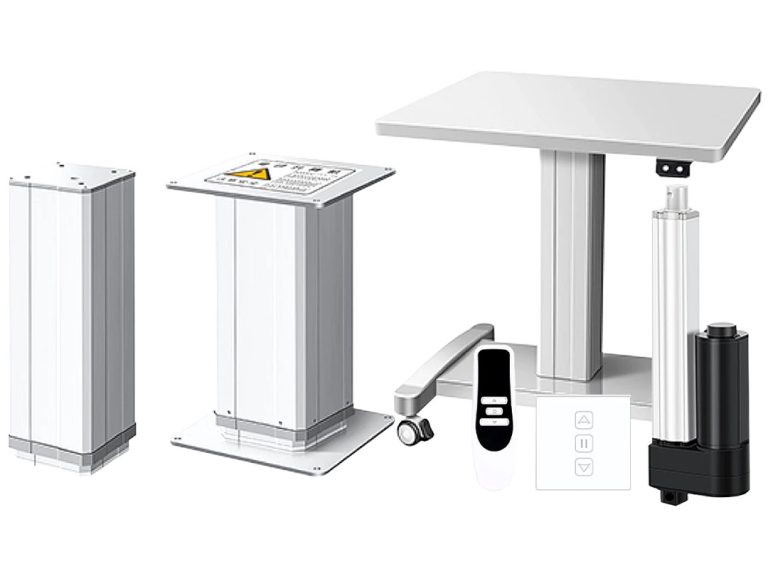
Ayakta Çalışma Masaları ve Ergonomik Mobilyalar
Adjustable-height workstations require controlled motion and reliable holding under their intended loads. T-type screw systems can be evaluated for these requirements, with noise, synchronization and holding verified on the complete desk configuration.
Tıbbi ve Sağlık Ekipmanları
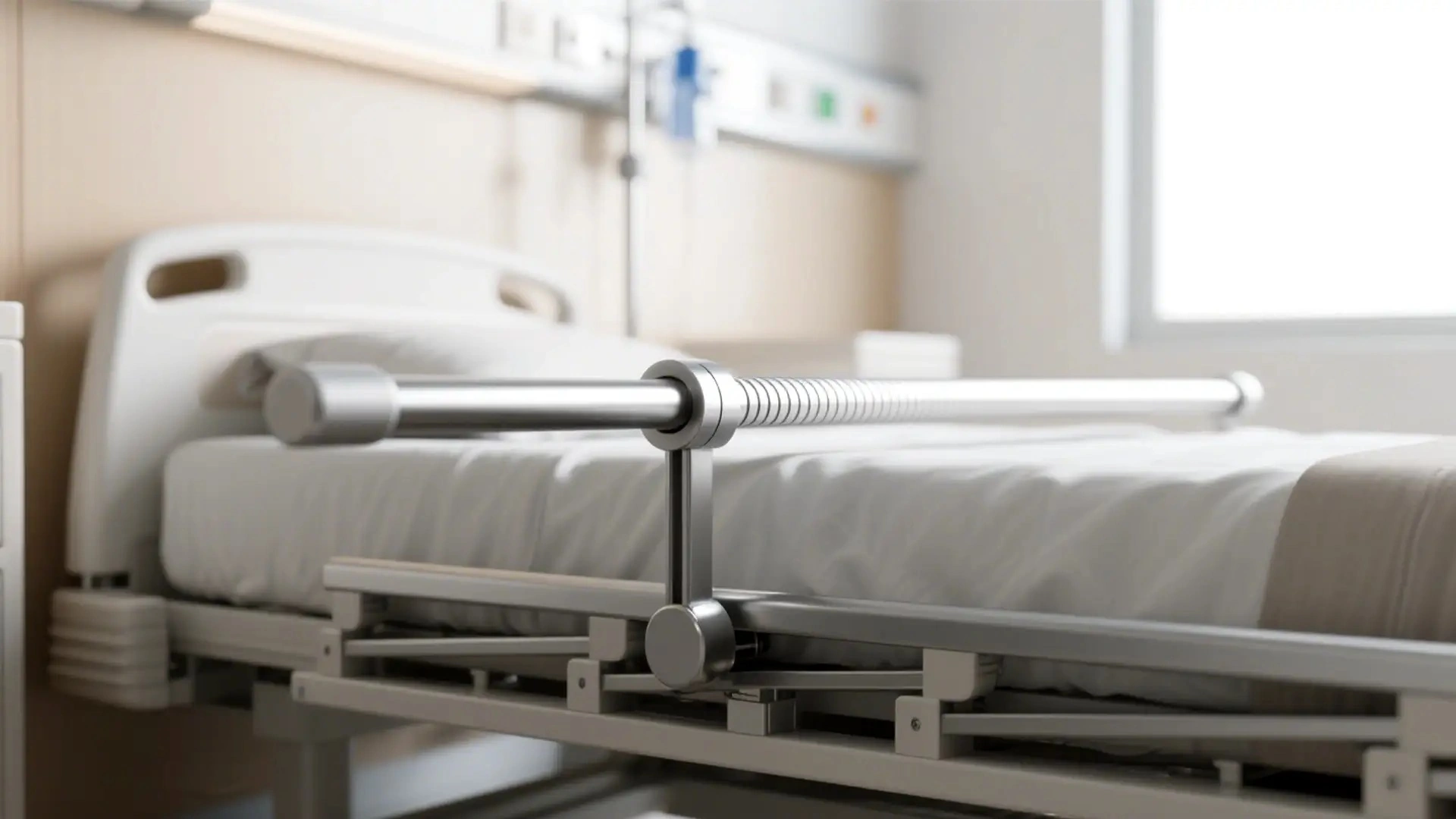
Care-related or medical equipment requires a finished-system safety architecture. A T-type screw may contribute to holding behavior, but it does not by itself establish fail-safe operation, patient safety or regulatory compliance during a power failure.
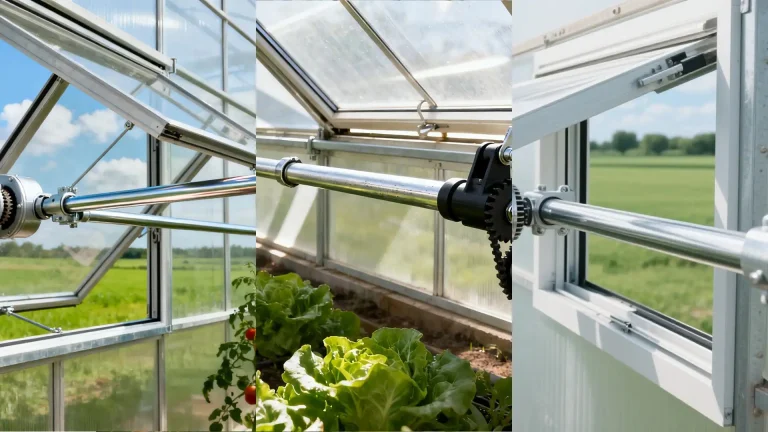
Tarım ve Dış Mekan Makineleri
T tipi vida somunlarının dayanıklılığı ve maliyet etkinliği, onları tarım ekipmanları, açık hava otomatik sistemler ve hassasiyet gereksinimlerinin orta seviyede ancak güvenilirliğin kritik olduğu uygulamalar için uygun hale getirir.
Endüstriyel Otomasyon
Orta hassasiyet gereksinimleri ile güvenilir konumlandırma gerektiren otomatik sistemler için, T tipi vida somunları, standart motor kontrolleriyle kolayca entegre olan ekonomik bir çözüm sunar.
How to Evaluate Screw Type Across ActuLift Product Lines
ActuLift offers multiple actuator families and configurations. Screw type, gearing and holding behavior should be confirmed for the selected model rather than assumed across the complete portfolio.
Treating Holding as a System Requirement
Resistance to back-driving can support a system’s holding strategy, but end-user safety depends on the complete mechanism, load case, controls, braking or restraint strategy, fault behavior and application-specific validation.
Gerçek Dünya Uygulamaları İçin Optimize Etmek
Many applications do not require the same efficiency, speed or precision targets. When holding behavior, cost or packaging are important, compare T-type and ball-screw options against the actual operating requirements instead of assuming one architecture is universally optimal.
Kapsamlı Ürün Yelpazesi
ActuLift offers multiple voltage, load and control families. Confirm the screw type, gearing, moving and holding load, stroke, speed, feedback and environmental requirements for each selected product rather than assuming a common T-type drivetrain across all 12V, 24V or heavy-duty categories.
Müşteriler İçin Maliyet Verimliliği
Cost, reliability, installation and maintenance depend on the selected actuator configuration and production requirements. Do not assume a single transmission technology is standardized across all ActuLift product families.
Güvenilirlik Odaklı Mühendislik
A simpler screw-and-nut architecture can reduce component complexity, but failure modes, troubleshooting and long-term performance still depend on materials, lubrication, wear, load, environment and the complete actuator design. For customers requiring Endüstriyel Otomasyon çözümler
Doğru Doğrusal Aktüatörü Seçmek
Uygulamanız için lineer aktüatörleri değerlendirirken şu faktörleri göz önünde bulundurun:
Consider T-Type Lead Screw Actuators When:
A validated resistance-to-back-driving or holding condition is required
Statik yük tutma, dinamik hızdan daha önemlidir
Maliyet-etkinlik önceliklidir
The project’s positioning accuracy and backlash requirements match the selected screw and control system
Uygulama dikey yükler içerir
Basitlik ve güvenilirlik önemsenir
Bilyalı Vida Aktüatörlerini Düşünün:
Higher efficiency is a primary design objective
Tighter positioning accuracy or lower backlash is required
Yüksek hızlı çalışma gereklidir
Uygulama aktif frenleme sistemlerine izin verir
For applications involving human interaction, vertical loads or safety-relevant positioning, compare candidate actuator architectures against the actual load, speed, holding, duty-cycle, lifecycle and risk-control requirements before selection.
T-tipi vida vidası ile bilyalı vida arasındaki ana fark nedir?
T-type screws use sliding thread contact, while ball screws use recirculating rolling elements. A T-type design may provide more resistance to back-driving under some conditions; a ball-screw system often needs a separate holding strategy. Exact efficiency, load and holding behavior depend on the selected design.
Does a T-type lead screw automatically self-lock?
No. Self-locking and back-driving depend on thread geometry, friction, lubrication, materials, load, orientation, gearing, wear and the complete drivetrain. Confirm the selected actuator under the project conditions.
Do T-type lead screws require maintenance?
Maintenance depends on screw and nut materials, lubrication system, contamination, load, speed and cycle profile. Follow the selected actuator’s inspection and lubrication requirements rather than assuming a universal interval.
Can T-type lead screws be used at high speed?
Allowable speed depends on screw diameter and lead, unsupported length, critical speed, lubrication, heat generation, load and duty cycle. Compare the selected T-type, ball-screw or other drive system against the required operating point.
Sonuç
T-type (trapezoidal) lead screws are an established transmission technology that can be useful where their friction, load, speed, wear and holding characteristics fit the application. While ball screws offer higher efficiency and precision for specialized applications, the correct choice depends on the complete load case, required efficiency, speed, backlash, holding behavior, lifecycle and system-level safety architecture.
Across ActuLift’s lineer aktüatör range, transmission and holding behavior are configuration-specific. The appropriate screw and drive architecture should be selected from the project’s load, speed, duty-cycle, backlash, holding and safety requirements, then validated on the chosen build.
İster bir medikal cihaz, endüstriyel makine veya tüketici ürünü tasarlıyor olun, T tipi vidasal millerin avantajlarını anlamak, belirli gereksinimleriniz için doğru aktüatör teknolojisini seçmenize yardımcı olur.
Kaynaklar
ISO 2901/DIN 103 Standartları: ActuLift aktüatörlerinde kullanılan geometrileri tanımlayan metrik trapezoidal vida dişi teknik özellikleri.
Endüstriyel Hareket Kontrolü Üzerine Uzman Görüşleri Alın
Doğru elektrikli lineer aktüatörü veya yükseltme kolonunu seçmek projenizin performansı için kritik öneme sahiptir. Bir profesyonel olarak Hareket Kontrolü ve Otomasyon Üreticisi, mühendislerimiz özel uygulamanıza bağlı olarak yük kapasitesi, strok uzunluğu ve IP derecelendirmelerini özelleştirmenize yardımcı olur. Özelleştirilmiş bir çözüm için teknik gereksinimlerinizi paylaşın.
ActuLift, yapısal tasarım ve stro giriş parametrelerinden markalamaya ve kasa bitimlerine kadar uçtan uca özelleştirmeyi destekler, güçlü bir marka kimliği oluşturmanıza yardımcı olur.
Hızlı Yanıt & Prototipleme
B2B tedarikinde hızın önemini anlıyoruz, örnek geliştirmeden toptan teslimata kadar verimli yanıtlar sağlamak için optimize edilmiş üretim iş akışlarını kullanıyoruz.
Quality Documentation & Traceability
Quality and traceability requirements vary by project. Ask ActuLift for the applicable inspection records, product specifications, drawings and available compliance documentation for the selected model and order.