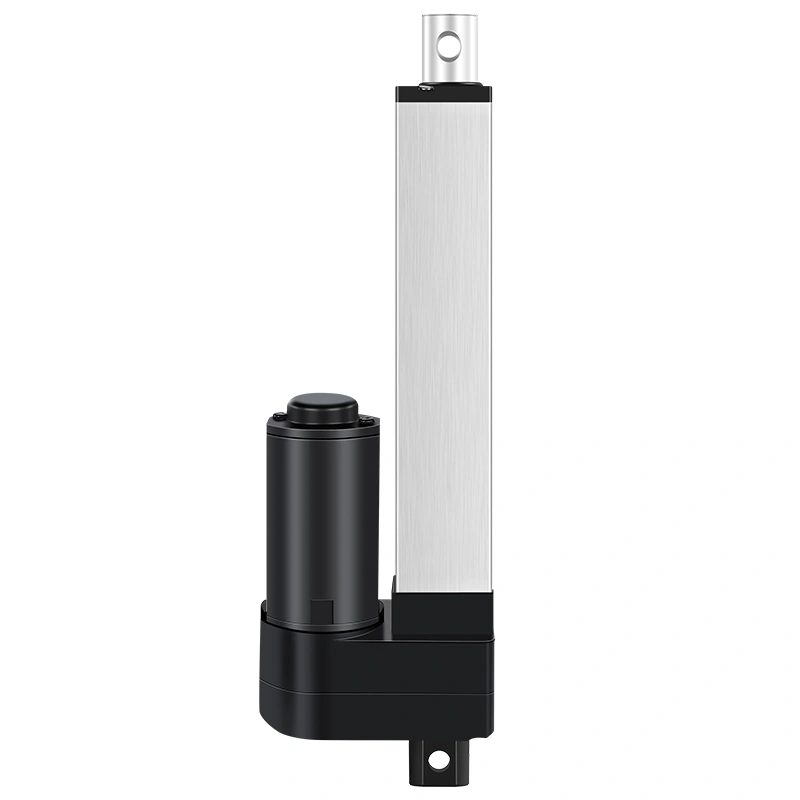
Lineer Aktüatör Seçiminde Neden Görev Döngüsü Hızdan Daha Önceliklidir
Görev döngüsü—hız değil—OEM, endüstriyel, akıllı mobilya ve tıbbi sistemlerde lineer aktüatörleri etkileyen spesifikasyondur. İşte bunu doğru yapmanın yolları.
Hız, anlaşılması kolay bir kavramdır çünkü görünür. Daha hızlı bir aktüatör, strokunu daha çabuk tamamlar, örnek testinde daha yanıt verici görünür ve ürün sayfalarında karşılaştırması daha basit görünür.
Ama hız, aktüatörün nihai ekipman içinde hayatta kalıp kalmayacağını belirleyen her zaman spesifikasyon değildir. Birçok gerçek uygulamada, görev döngüsü hızdan daha önemlidir..
Duty-cycle information describes permitted operating and rest behavior under stated test conditions. The percentage or duty designation must be interpreted using the selected actuator’s time basis, load, ambient temperature and other manufacturer test conditions rather than as a universal run/rest schedule. It connects the actuator’s motor, gearbox, screw, load, temperature, controller, enclosure, and working pattern into one practical reliability question:
Bu aktüatör gerekli hareketi aşırı ısınmadan, çok erken aşınmadan veya gerçek ekipmanda performans kaybetmeden tekrar edebilir mi?
Ekipman üreticileri, mühendislik ekipleri ve satın alma alıcıları için bu soru, aktüatörün tek bir boşta testte birkaç milimetre saniye daha hızlı hareket edip edemediğinden daha önemlidir.
Scope: This page compares speed fiş ve oynat kontrol sistemleri repeat-use duty requirements during actuator selection. For the definition of actuator duty cycle, percentage arithmetic, 10% ON/OFF interpretation, thermal limits, and operating-compliance guidance, use Aktüatör Görev Döngüsü Nedir?.
İçindekiler
Duty Cycle as a Selection Constraint
For a speed-versus-duty decision, treat the selected actuator’s documented duty-cycle condition as an operating constraint alongside required speed, load, stroke, ambient conditions, controller behavior, and the real movement rhythm. Do not infer a universal ON/OFF schedule from a percentage alone.
If you need the duty-cycle formula, examples of percentage calculations, or guidance on interpreting a documented 10% condition, use Aktüatör Görev Döngüsü Nedir?. The question on this page is narrower: after the duty constraint is known, does a faster actuator actually improve the finished equipment’s required cycle?
Hız Neden Alıcıları Yanıltabilir
Hız, bir performans yükseltmesi gibi görünüyor. Bazı durumlarda öyle.
Daha hızlı bir aktüatör, kullanıcı deneyimini iyileştirebilir, kurulum süresini azaltabilir veya bir mekanizmanın daha duyarlı hissettirmesini sağlayabilir. Ancak hız tek başına mevcut değildir. Yük, motor akımı, dişli oranı, vida tasarımı, gürültü, kontrol stabilitesi ve ısı ile bağlantılıdır.
İki aktüatör aynı darbe uzunluğuna sahip olsa da, farklı hız değerlerine sahipse, daha hızlı seçenek otomatik olarak daha iyi değildir. Daha düşük bir yükü destekleyebilir, daha fazla akım çekebilir, daha fazla ısı üretebilir veya farklı bir kontrol cihazı gerektirebilir. Tekrar eden işlemlerde, hız artışına göre görev döngüsü uygun değilse daha hızlı aktüatör yanlış bir seçenek olabilir.
Bu, birçok aktüatör örneğinin gerçekçi bir şekilde test edilmediği için özellikle önemlidir:
Tezgah üzerinde bir hareket
Gerçek bir yük yok
Kısa kablo mesafesi
Oda sıcaklığı
Kaplama yok
Tekrar eden döngü yok
Son braket geometrisi yok
Kullanıcı kötüye kullanım modeli yok
Bu koşullar altında hızlı bir aktüatör mükemmel görünebilir. Ancak bir makineye kurulduğunda, gerçek test başlar. Aktüatör artık yük altında, kapalı bir alanda, daha uzun kablolarla, tekrar eden komutlarla ve az soğutma akışıyla çalışabilir.
Bu nedenle, tek bir hızlı darbe ekipmanın uygunluğunu kanıtlamaz.
Gerçek Seçim Sorusu: Hareket Ritmi
Hız soruları yanıtlar:
Aktüatör bir darbe sırasında ne kadar hızlı hareket eder?
Görev döngüsü soruları yanıtlar:
What run/rest pattern is permitted for the selected configuration under the project load and environmental conditions?
Birçok OEM projesi için, ikinci soru daha önemlidir.
Ekipmanın çalışma ritmini düşünün:
Saatte kaç döngü?
Günde kaç döngü?
Her hareket ne kadar sürüyor?
Aktüatör tam yük altında mı yoksa kısmi yük altında mı çalışıyor?
Kullanıcı düğmeye tekrar tekrar basıyor mu?
Aktüatör sık sık durup yeniden başlıyor mu?
Aktüatör bir muhafaza içinde mi?
Ekipman sıcak bir ortamda mı çalışıyor?
Aktüatör, hareketten sonra pozisyonu tutması gerekiyor mu?
Bu detaylar, aktüatörün görev döngüsünün gerçekçi olup olmadığını belirler. Günde yalnızca iki kez hareket eden bir ürün, sürekli ayarlamalar yapılabilen bir çalışma istasyonu, tıbbi platform, endüstriyel aparat veya otomatik cihazdan çok farklı bir gereksinime sahiptir.
Görev Döngüsü Neden Güvenilirliği Etkiler
Elektrikli bir lineer aktüatör, elektrik enerjisini mekanik harekete dönüştürür. Çalışma sırasında motor ve transmisyon sistemi ısı üretir. Yük ne kadar yüksekse, çalışma süresi ne kadar uzun olursa ve döngüler ne kadar sık olursa, ısı yönetimi o kadar önem kazanır.
Aktüatöre yeterince dinlenme süresi verilmezse, birkaç sorun ortaya çıkabilir:
Motor sıcaklığı artar
Tekrar eden çalışma, motorun dağıtabileceğinden daha hızlı ısı biriktirebilir. Bu, performansı azaltabilir ve ömrünü kısaltabilir.
Kontrol cihazı ve kablolama stresi artar
Yük altındaki daha yüksek akım, röleler, anahtarlar, kontrol kutuları, konektörler ve kablo boyutlarını etkileyebilir. Kısa bir harekette çalışan bir kontrol cihazı, tekrar eden döngülere uygun olmayabilir.
Yağlama ve vida aşınması daha önemli hale gelir
Vida, somun, dişli kutusu ve kılavuz yapısı tümü mekanik stres altında çalışır. Sık tekrar eden döngüler hizalama sorunlarına, yan yük problemlerine ve yetersiz montaj desteğine maruz kalabilir.
Kapalı alanlar soğutmayı azaltır
Mobilya, tıbbi cihaz çerçevesi, bir dolap veya makine muhafazasının içinde kurulan bir aktüatör, tezgah testine göre daha az hava akışına sahip olabilir. Aynı görev döngüsü, sıcak veya kapalı bir üründe daha fazla talepkar hissedilebilir.
Son kullanıcı davranışı gerçek döngüyü değiştirir
Kullanıcılar, kurulum, test, temizlik, hizmet veya ayarlama sırasında aktüatörü tekrar tekrar çalıştırabilirler. Beklenen mühendislik döngüsü, gerçek kullanım modelinden daha hafif olabilir.
This is why duty cycle should be treated as a design input, not a datasheet footnote.
Hız Ne Zaman Hala Önemlidir
This does not mean speed is unimportant. Speed matters when movement time affects safety, workflow, comfort, or product experience.
For example:
A standing desk should not feel painfully slow.
A medical bed should move in a controlled and comfortable way.
An access hatch may need to open within an acceptable service time.
An industrial adjustment mechanism may need to fit the production process.
A smart furniture product may need smooth and quiet movement rather than maximum speed.
The mistake is choosing speed first and then hoping the duty cycle works.
A better method is to define both:
Required movement time under real load
Expected run/rest pattern in real use
If the equipment needs 200mm of travel in about 15 seconds, say that directly. If the actuator will be used 20 times per hour during setup, say that too. The supplier can then recommend a force, speed, motor voltage, screw, controller, and duty cycle combination that fits the whole system.
Görev Döngüsünün Hızdan Daha Önemli Olduğu Yaygın Senaryolar
1. Tıbbi Yataklar ve Rehabilitasyon Ekipmanları
Care-related and rehabilitation equipment can have application-specific movement patterns and finished-device safety requirements. A bed mechanism, backrest adjustment, support system or rehabilitation platform may be operated repeatedly during setup or use, so the responsible equipment manufacturer should define the actual motion profile and validation requirements.
For this type of project, compare speed together with load, movement geometry, expected cycles, control method, acoustic target, fault/safety behavior and the documented duty-cycle basis.
The selected actuator/controller/mounting combination should be validated in the finished mechanism; a slower speed or a duty-cycle label alone does not establish medical suitability or reliability.
2. Akıllı Ofis Mobilyaları
For height-adjustable desks, monitor lifts, and smart furniture, user experience matters. Speed and noise are visible to the end user.
But duty cycle still matters because users may press controls repeatedly, test different positions, or cycle the product during installation. If the actuator is hidden inside a column, frame, or compact housing, heat dissipation should be considered.
For OEM furniture projects, the selection should include travel length, load, synchronization requirements, control box compatibility, duty cycle, and expected user behavior.
3. Endüstriyel Aksamlar ve Otomasyon Ekipmanları
Industrial equipment often exposes weak actuator selection faster than consumer products. A fixture, guide, clamp, adjustment platform, or access mechanism may repeat the same motion throughout the workday.
In this case, speed can be less important than repeatability and thermal stability. If the actuator cycles often, a high-speed intermittent actuator may not be the best fit. The project may need a different motor, gear ratio, screw type, controller, or even a different actuator class.
4. Dış Mekan ve Tarım Ekipmanları
Outdoor equipment brings temperature, moisture, dust, load variation, and vibration into the selection. Duty cycle must be reviewed together with IP rating, mounting angle, cable protection, and operating temperature.
If the actuator works under higher load in a warm outdoor environment, repeated movement can be more demanding than the same cycle indoors. Speed alone will not answer that risk.
5. Giriş Panelleri, Kapaklar ve Kapaçıklar
Access panels and hatches often seem simple because they only open and close. But load direction, pivot geometry, gas springs, side load, wind load, and end-user operation can change the real actuator stress.
If a technician opens and closes the hatch repeatedly during service, the duty cycle can become more important than the opening speed.
Görev Döngüsü vs Hız: Pratik Bir Karşılaştırma
Selection Question
Speed Focus
Duty Cycle Focus
Main concern
How fast does one stroke finish?
Can the actuator repeat the motion reliably?
Typical buyer mistake
Choosing the fastest option
Ignoring real run/rest pattern
Hidden risk
Lower load capacity, higher current, more heat
Underspecified actuator for repeated use
Best use
User experience and process timing
Reliability, thermal control, service life
Must be checked with
Load, stroke, noise, controller
Load, environment, enclosure, cycles, controller
The best actuator selection uses both. But if the equipment will run repeatedly, duty cycle should be checked before speed is treated as the deciding factor.
Tedarikçiler İçin Daha İyi Bir Teknik Özeti
Instead of asking only:
“What is the fastest actuator for 300mm stroke?”
Send a more complete brief:
Application:
The actuator will move [equipment part] in [equipment type].

Load:
Push force required: [N]
Pull force required: [N]
Holding force required: [N]
Load direction: [vertical / horizontal / angled / pivoting]

Motion:
Stroke length: [mm]
Target movement time: [seconds per full stroke]
Acceptable speed range: [mm/s if known]

Duty cycle:
Expected cycles per hour: [number]
Run time per cycle: [seconds]
Rest time between cycles: [seconds/minutes]
Maximum repeated operation scenario: [example]

Environment:
Indoor/outdoor: [answer]
Temperature range: [answer]
Dust/water exposure: [answer]
Actuator enclosed or open-air: [answer]

Control:
Voltage: [12V / 24V / other]
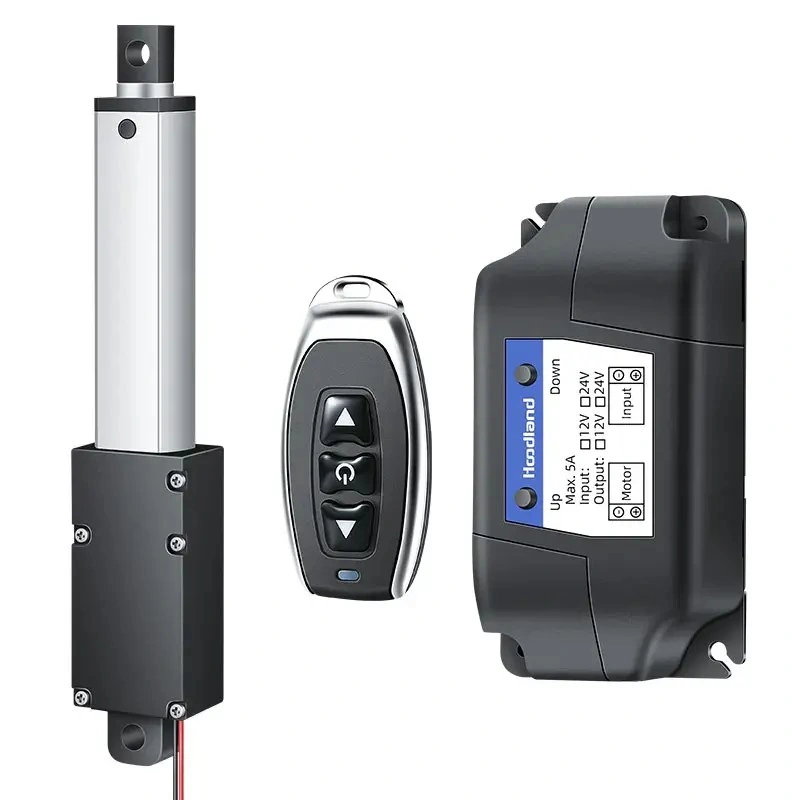
Controller type: [switch / control box / PLC / handset / remote]
Feedback or synchronization required: [yes / no]

Mechanical:
Mounting distance: [mm]
Bracket type: [if known]
Side-load risk: [yes / no / unknown]
This brief helps the supplier avoid recommending an actuator that looks fast but does not match the working pattern.
Seçim Kontrol Listesi
Before choosing the fastest actuator, check these points:
Gerçek döngüyü tanımla
Aktüatör normal kullanımda, ağır kullanımda, kurulumda, testte ve serviste kaç kez hareket edecek?
Hareket süresini hesapla
Aktüatör her darbe başına 20 saniyeye ihtiyaç duyuyorsa ve kısa bir süre içinde birkaç kez çalışacaksa, görev döngüsü bu deseni desteklemelidir.
Gerçek geometride yükü kontrol et
Aktüatör, mekanizma kısa bir kol, kötü montaj açısı veya eksen dışı yük kullanıyorsa beklenenden daha fazla kuvvet görebilir.
Kasa ve sıcaklığı onayla
Sıcak ortamlar ve kapalı muhafazalar soğutma marjını azaltır.
Kontrol cihazını eşleştir
Kontrol cihazı, röle, anahtar, kontrol kutusu, kablolama ve güç kaynağı, yük altında ve tekrarlanan döngülerdeki voltaj ve akım gereksinimlerini karşılamalıdır.
Alternatifler hakkında sor
Gerekli görev döngüsü yüksekse, daha uygun olup olmadığını sormak için farklı bir aktüatör serisi, motor seçeneği, dişli oranı, vida konfigürasyonu veya kontrol stratejisi var mı diye sorun.
En kötü gerçekçi döngüyü test et
Sadece bir hareket testi yapmayın. Nihai kullanıcının gerçekten oluşturabileceği tekrar eden deseni test edin.
ActuLift'in Bir Aktüatör Tavsiye Etmeden Önce Kontrol Ettiği Şeyler
ActuLift, elektrikli lineer aktüatörler, kaldırma kolonları, kontrol kutuları, el kumandaları, braketler ve OEM/ODM hareket çözümleri üzerine B2B ekipman üreticileriyle çalışmaktadır.
Aktüatör seçimi için ekip genellikle sadece strok ve hızdan daha fazlasına ihtiyaç duyar. Güvenilir bir öneri şunlara bağlıdır:
Yük ve yük yönü
Strok ve montaj mesafesi
Gerekli hareket süresi
Görev döngüsü ve tekrar eden kullanım deseni
Çalışma sıcaklığı ve muhafaza durumu
IP derecesi ve çevresel maruziyet
Voltaj ve akım gereksinimleri
Kontrol cihazı, anahtar veya kontrol kutusu uyumu
Geri bildirim veya senkronizasyon gereksinimleri
Montaj braketleri ve yan yük riski
Current ActuLift product pages increasingly treat duty cycle, speed and thermal behavior as configuration-specific requirements. Any older 10% or S2 wording should be confirmed against the selected build and current documentation before engineering or procurement use. The operating rhythm should be reviewed early rather than selecting only from a headline speed.
Son Öneri
Bir lineer aktüatörü yalnızca hızla seçmeyin.
Hız, aktüatörün ne kadar hızlı hareket edebileceğini söyler. Görev döngüsü, gereken işin nihai ekipman içinde devam edip edemeyeceğini belirtir.
For simple, occasional movements, a standard intermittent-duty actuator may be the right choice. For repeated cycling, warm environments, enclosed installations, industrial equipment, care-related or regulated equipment, or heavy-load motion, duty cycle should be defined early together with load, environment, controls and finished-system validation requirements.
En iyi seçim süreci:
Yük ve stroku tanımla.
Gerekli hareket süresini tanımla.
Gerçek çalışma döngüsünü tanımla.
Görev döngüsünü ve soğutma ihtiyaçlarını onayla.
Voltaj, kontrol cihazı ve kablolamayı eşleştir.
Montaj ve çevreyi gözden geçir.
Üretimden önce tekrar eden kullanım desenini test et.
Projeniz hız, görev döngüsü, yük, kontrol cihazı ve montaj gereksinimlerini karşılaştırmak konusunda yardımcı olmasına ihtiyaç duyuyorsa, ziyaret edin ActuLift veya uygulama özeti ile ActuLift ekibiyle iletişime geçin.
SSS
Daha hızlı bir lineer aktüatör her zaman daha iyi mi?
No. A faster actuator may improve movement time, but it must still match the required load, duty cycle, controller, voltage, wiring and operating environment. Compare candidate configurations using the documented working point and repeated-use test rather than assuming a slower option is inherently more reliable.
Where should I verify a duty-cycle percentage before comparing speed?
Use Aktüatör Görev Döngüsü Nedir? for the definition, arithmetic, and interpretation of documented ON/OFF conditions. On this page, use the selected product’s verified duty-cycle condition as one input when comparing speed, load, stroke, temperature, controller behavior, and required movement frequency.
What if the required movement rhythm exceeds the documented duty-cycle condition?
Do not try to solve a duty-cycle mismatch simply by choosing a faster actuator. If the required run/rest pattern exceeds the selected configuration’s documented operating condition, review another actuator, motor/controller configuration, load case, or system architecture that is explicitly supported for the required cycle.
Why must load be included when comparing speed and duty cycle?
Load can change current draw, heating, speed under load, and available thermal margin. Compare speed and repeated-use behavior under the expected working load and representative installation conditions rather than using a no-load speed figure as the primary selection metric.
Üretimden önce görev döngüsünü nasıl test etmeliyim?
Aktüatörü, beklenen yük, braket geometrisi, kablo uzunluğu, kontrol cihazı, muhafaza ve tekrar eden kullanım deseni ile nihai veya nihaiye yakın kurulumda test edin. Tek bir yüklü strok, uzun dönem uyumu kanıtlamak için yeterli değildir.
Endüstriyel Hareket Kontrolü Üzerine Uzman Görüşleri Alın
Doğru elektrikli lineer aktüatörü veya yükseltme kolonunu seçmek projenizin performansı için kritik öneme sahiptir. Bir profesyonel olarak Hareket Kontrolü ve Otomasyon Üreticisi, mühendislerimiz özel uygulamanıza bağlı olarak yük kapasitesi, strok uzunluğu ve IP derecelendirmelerini özelleştirmenize yardımcı olur. Özelleştirilmiş bir çözüm için teknik gereksinimlerinizi paylaşın.
ActuLift, yapısal tasarım ve stro giriş parametrelerinden markalamaya ve kasa bitimlerine kadar uçtan uca özelleştirmeyi destekler, güçlü bir marka kimliği oluşturmanıza yardımcı olur.
Hızlı Yanıt & Prototipleme
B2B tedarikinde hızın önemini anlıyoruz, örnek geliştirmeden toptan teslimata kadar verimli yanıtlar sağlamak için optimize edilmiş üretim iş akışlarını kullanıyoruz.
Quality Documentation & Traceability
Quality and traceability requirements vary by project. Ask ActuLift for the applicable inspection records, product specifications, drawings and available compliance documentation for the selected model and order.