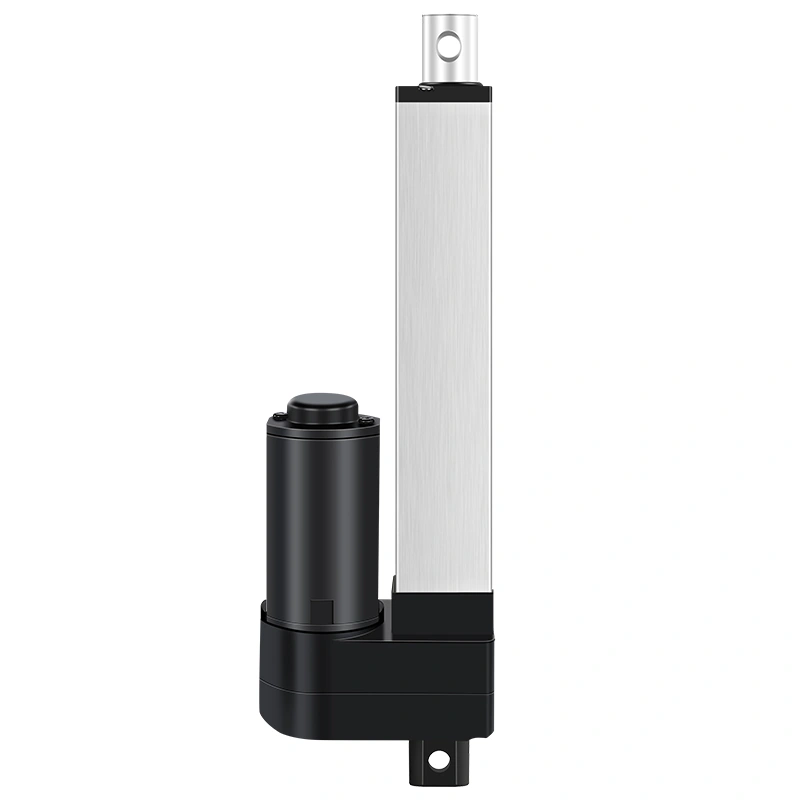
Mengapa Siklus Tugas Lebih Penting Daripada Kecepatan dalam Pemilihan Aktuator Linier
Siklus tugas—bukan kecepatan—adalah spesifikasi yang gagal pada aktuator linier di OEM, industri, furnitur pintar, dan sistem medis. Inilah cara untuk melakukannya dengan benar.
Banyak permintaan aktuator linier dimulai dengan kecepatan.
Seorang pembeli OEM mungkin bertanya:
“Bisakah aktuator ini bergerak 300mm lebih cepat?”
Atau:
“Kami membutuhkan aktuator linier 24V dengan kecepatan lebih tinggi untuk peralatan kami.”
Kecepatan mudah dipahami karena terlihat. Aktuator yang lebih cepat menyelesaikan perjalanan lebih cepat, terlihat lebih responsif dalam uji sampel, dan tampaknya lebih mudah dibandingkan di halaman produk.
Tetapi kecepatan tidak selalu menjadi spesifikasi yang menentukan apakah aktuator akan bertahan di dalam peralatan akhir. Dalam banyak aplikasi nyata, siklus tugas lebih penting daripada kecepatan.
Siklus tugas memberi tahu Anda seberapa sering aktuator dapat bekerja, berapa lama ia dapat berjalan, dan berapa lama waktu istirahat yang dibutuhkan sebelum gerakan berikutnya. Ini menghubungkan motor aktuator, gearbox, sekrup, beban, suhu, pengontrol, kotak, dan pola kerja menjadi satu pertanyaan keandalan praktis:
Dapatkah aktuator ini mengulangi gerakan yang diperlukan tanpa overheating, cepat aus, atau kehilangan kinerja dalam peralatan sebenarnya?
Bagi produsen peralatan, tim teknik, dan pembeli pengadaan, pertanyaan ini sering kali lebih penting daripada apakah aktuator dapat bergerak beberapa milimeter per detik lebih cepat selama pengujian tanpa beban tunggal.
Daftar Isi
Apa Arti Sebenarnya dari Siklus Tugas
Siklus tugas menggambarkan hubungan antara waktu operasi dan waktu istirahat.
Dalam spesifikasi aktuator, ini sering ditunjukkan sebagai persentase atau jenis tugas sementara. Misalnya, beberapa referensi aktuator kompak ActuLift menggunakan 10% siklus tugas, commonly expressed as 2 menit operasi diikuti dengan 18 menit istirahat. Beberapa data produk juga menggunakan istilah tugas intermiten seperti S2 frekuensi operasi.
Siklus tugas yang tepat harus selalu dikonfirmasi dengan model dan konfigurasi yang dipilih. Tetapi prinsipnya sederhana:
Siklus tugas = waktu operasi yang diizinkan dalam periode waktu tertentu
Siklus tugas 10% bukan berarti aktuator itu lemah. Itu berarti aktuator dirancang untuk pergerakan intermiten daripada berjalan terus-menerus. Itu normal untuk banyak aplikasi aktuator linier listrik, termasuk furnitur yang dapat disesuaikan, posisi medis, panel akses, penutup, perlengkapan industri, dan fungsi pengaturan peralatan.
Aktuator mungkin hanya perlu bergerak selama beberapa detik pada satu waktu. Dalam hal ini, siklus tugas 10% bisa sangat cocok. Masalah mulai muncul ketika siklus nyata peralatan lebih menuntut daripada yang dapat ditangani oleh aktuator yang dipilih.
Mengapa Kecepatan Dapat Menyesatkan Pembeli
Kecepatan terlihat seperti peningkatan kinerja. Dalam beberapa kasus, itu memang.
Aktuator yang lebih cepat mungkin meningkatkan pengalaman pengguna, mengurangi waktu pengaturan, atau membuat mekanisme terasa lebih responsif. Tetapi kecepatan tidak ada sendirian. Ia terkait dengan beban, arus motor, rasio gir, desain sekrup, kebisingan, stabilitas kontrol, dan panas.
Jika dua aktuator memiliki jarak tempuh yang sama tetapi penilaian kecepatan yang berbeda, opsi yang lebih cepat tidak otomatis lebih baik. Itu mungkin mendukung beban yang lebih rendah, menarik lebih banyak arus, menghasilkan lebih banyak panas, atau memerlukan pengontrol yang berbeda. Dalam pengoperasian berulang, aktuator yang lebih cepat bisa menjadi pilihan yang salah jika siklus tugas tidak sesuai.
Ini terutama penting karena banyak sampel aktuator diuji dengan cara yang tidak realistis:
Satu gerakan di meja
Tanpa beban nyata
Jarak kabel pendek
Suhu ruangan
Tanpa pelindung
Tanpa siklus berulang
Tanpa geometri bracket akhir
Tanpa pola penyalahgunaan pengguna
Dalam kondisi tersebut, aktuator cepat dapat terlihat sangat baik. Tetapi setelah dipasang di dalam mesin, ujian sebenarnya dimulai. Aktuator mungkin sekarang bekerja di bawah beban, di dalam ruang tertutup, dengan kabel yang lebih panjang, perintah berulang, dan aliran udara pendingin yang lebih sedikit.
Itulah mengapa satu tekanan cepat tidak membuktikan kesesuaian peralatan.
Pertanyaan Pemilihan yang Sebenarnya: Ritme Gerakan
Kecepatan menjawab:
Seberapa cepat aktuator bergerak selama satu stroke?
Siklus tugas menjawab:
Seberapa sering aktuator dapat mengulangi pergerakan itu tanpa stres termal atau mekanis yang melebihi batas desain?
Untuk banyak proyek OEM, pertanyaan kedua lebih penting.
Pikirkan tentang ritme kerja peralatan:
Berapa banyak siklus per jam?
Berapa banyak siklus per hari?
Seberapa lama setiap gerakan?
Apakah aktuator berjalan di bawah beban penuh atau beban sebagian?
Apakah pengguna menekan tombol secara berulang?
Apakah aktuator berhenti dan mulai kembali dengan sering?
Apakah aktuator terkurung di dalam pelindung?
Apakah peralatan bekerja di lingkungan yang hangat?
Apakah aktuator perlu menahan posisi setelah pergerakan?
Detail ini memutuskan apakah siklus tugas aktuator realistis. Produk yang hanya bergerak dua kali per hari memiliki kebutuhan yang sangat berbeda dari workstation, platform medis, perlengkapan industri, atau perangkat otomatis yang mungkin disesuaikan berulang kali.
Mengapa Siklus Tugas Mempengaruhi Keandalan
Sebuah aktuator linier listrik mengubah energi listrik menjadi gerakan mekanis. Selama operasi, motor dan sistem transmisi menghasilkan panas. Semakin besar beban, semakin lama waktu operasi, dan semakin sering siklusnya, semakin penting manajemen panas menjadi.
Jika aktuator tidak diizinkan cukup waktu istirahat, beberapa masalah dapat muncul:
Suhu motor meningkat
Pengoperasian berulang dapat menghasilkan panas lebih cepat daripada yang dapat disebarkan oleh motor. Ini dapat mengurangi kinerja dan memperpendek umur servis.
Tekanan pada kontroler dan kabel meningkat
Arus lebih tinggi di bawah beban dapat mempengaruhi relay, sakelar, kotak kontrol, konektor, dan ukuran kabel. Kontroler yang bekerja untuk satu gerakan pendek mungkin tidak sesuai untuk siklus berulang.
Pelumasan dan keausan sekrup menjadi lebih penting
Sekrup, mur, gearbox, dan struktur panduan semuanya bekerja di bawah tekanan mekanis. Siklus yang sering dapat mengekspos masalah penyelarasan, masalah beban samping, dan dukungan pemasangan yang tidak memadai.
Ruang tertutup mengurangi pendinginan
Aktuator yang dipasang di dalam furnitur, rangka perangkat medis, lemari, atau rumah mesin mungkin memiliki aliran udara yang lebih sedikit daripada uji meja. Siklus tugas yang sama dapat terasa lebih menuntut dalam produk yang hangat atau tertutup.
Perilaku pengguna mengubah siklus nyata
Pengguna mungkin mengoperasikan aktuator secara berulang selama pengaturan, pengujian, pembersihan, layanan, atau penyesuaian. Siklus teknik yang diharapkan mungkin lebih ringan daripada pola penggunaan aktual.
Inilah mengapa siklus tugas harus dianggap sebagai masukan desain, bukan catatan kaki lembar data.
Ketika Kecepatan Masih Penting
Ini tidak berarti kecepatan tidak penting. Kecepatan menjadi penting ketika waktu pergerakan mempengaruhi keselamatan, alur kerja, kenyamanan, atau pengalaman produk.
Misalnya:
Meja berdiri seharusnya tidak terasa sangat lambat.
Tempat tidur medis harus bergerak dengan cara yang terkontrol dan nyaman.
Penutup akses mungkin perlu dibuka dalam waktu layanan yang dapat diterima.
Mekanisme penyesuaian industri mungkin perlu cocok dengan proses produksi.
Produk furnitur pintar mungkin memerlukan pergerakan yang halus dan senyap daripada kecepatan maksimum.
Kesalahan adalah memilih kecepatan terlebih dahulu dan berharap siklus tugas berfungsi.
Metode yang lebih baik adalah mendefinisikan keduanya:
Waktu pergerakan yang diperlukan di bawah beban nyata
Pola jalankan/istirahat yang diharapkan dalam penggunaan nyata
Jika peralatan membutuhkan 200mm perjalanan dalam waktu sekitar 15 detik, sebutkan itu secara langsung. Jika aktuator akan digunakan 20 kali per jam selama pengaturan, sebutkan itu juga. Penyedia kemudian dapat merekomendasikan kombinasi gaya, kecepatan, tegangan motor, sekrup, pengontrol, dan siklus tugas yang sesuai dengan seluruh sistem.
Skenario Umum di Mana Siklus Tugas Lebih Penting Daripada Kecepatan
1. Tempat Tidur Medis dan Peralatan Rehabilitasi
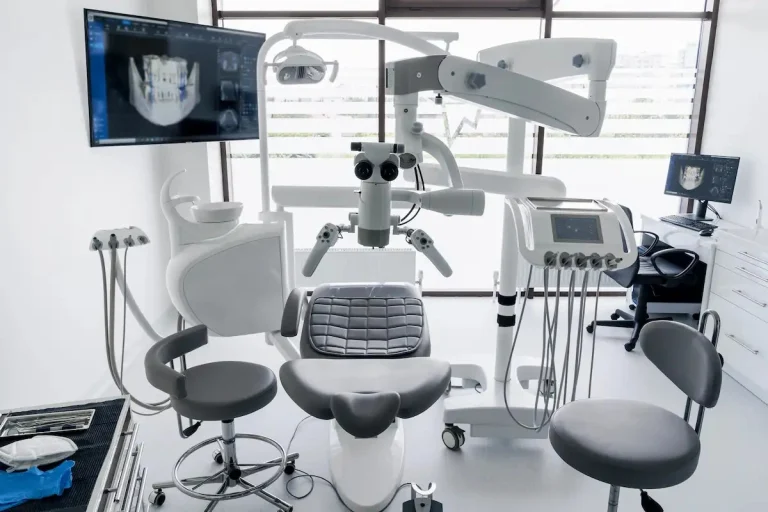
Peralatan medis dan rehabilitasi mungkin tidak bergerak terus-menerus, tetapi keandalan dan pergerakan terkontrol sangat penting. Lif tempat tidur, penyesuaian sandaran punggung, sistem dukungan pasien, atau platform rehabilitasi mungkin dioperasikan beberapa kali selama perawatan, pengaturan, atau pemindahan pasien.
Dalam tipe proyek ini, pembeli tidak hanya boleh meminta kecepatan. Brief yang lebih baik mencakup beban, sudut pergerakan, siklus harian yang diharapkan, metode kontrol, persyaratan suara, logika keselamatan, dan waktu istirahat.
Aktuator yang sedikit lebih lambat dengan siklus tugas, pengontrol, dan tata letak pemasangan yang lebih sesuai mungkin lebih tepat daripada opsi tercepat dalam katalog.
2. Furnitur Kantor Pintar
Untuk meja yang dapat disesuaikan ketinggian, pengangkat monitor, dan furnitur pintar, pengalaman pengguna penting. Kecepatan dan kebisingan terlihat oleh pengguna akhir.
Tetapi siklus tugas masih penting karena pengguna mungkin menekan kontrol berulang kali, menguji posisi yang berbeda, atau mengoperasikan produk selama instalasi. Jika aktuator tersembunyi di dalam kolom, bingkai, atau rumah kompak, disipasi panas harus dipertimbangkan.
Untuk proyek furnitur OEM, pemilihan harus mencakup panjang perjalanan, beban, persyaratan sinkronisasi, kompatibilitas kotak kontrol, siklus tugas, dan perilaku pengguna yang diharapkan.
3. Perlengkapan dan Peralatan Otomasi Industri
Peralatan industri sering kali mengekspos pemilihan aktuator yang lemah lebih cepat daripada produk konsumen. Fixture, panduan, penjepit, platform penyesuaian, atau mekanisme akses mungkin mengulangi gerakan yang sama sepanjang hari kerja.
Dalam hal ini, kecepatan dapat kurang penting daripada repetisi dan stabilitas termal. Jika aktuator sering beroperasi, aktuator intermiten dengan kecepatan tinggi mungkin bukan pilihan terbaik. Proyek mungkin memerlukan motor, rasio gigi, jenis sekrup, pengontrol, atau bahkan kelas aktuator yang berbeda.
4. Peralatan Luar Ruangan dan Pertanian
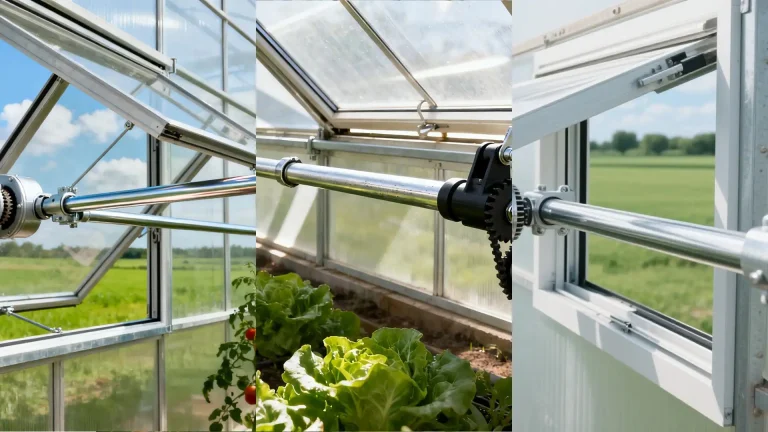
Peralatan luar ruangan membawa suhu, kelembapan, debu, variasi beban, dan getaran ke dalam pemilihan. Siklus tugas harus ditinjau bersama dengan peringkat IP, sudut pemasangan, perlindungan kabel, dan suhu operasi.
Jika aktuator bekerja di bawah beban lebih tinggi di lingkungan luar yang hangat, pergerakan berulang dapat lebih menuntut daripada siklus yang sama di dalam ruangan. Kecepatan saja tidak akan menjawab risiko itu.
5. Panel Akses, Penutup, dan Penutup
Panel akses dan tutup sering terlihat sederhana karena mereka hanya membuka dan menutup. Namun arah beban, geometri pivot, pegas gas, beban samping, beban angin, dan operasi pengguna akhir dapat mengubah stres sebenarnya pada aktuator.
Jika seorang teknisi membuka dan menutup tutup berulang kali selama layanan, siklus tugas dapat menjadi lebih penting daripada kecepatan pembukaan.
Siklus Tugas vs Kecepatan: Perbandingan Praktis
Pertanyaan Seleksi
Fokus Kecepatan
Fokus Siklus Tugas
Kekhawatiran utama
Seberapa cepat satu siklus selesai?
Dapatkah aktuator mengulangi gerakan secara andal?
Kesalahan pembeli yang umum
Memilih opsi tercepat
Mengabaikan pola jalankan/istirahat yang sebenarnya
Risiko tersembunyi
Kapasitas beban lebih rendah, arus lebih tinggi, lebih banyak panas
Aktuator yang tidak ditentukan untuk penggunaan berulang
Penggunaan terbaik
Pengalaman pengguna dan waktu proses
Keandalan, kontrol termal, umur layanan
Harus diperiksa dengan
Beban, stroke, suara, pengontrol
Beban, lingkungan, penutup, siklus, pengontrol
Pemilihan aktuator yang terbaik menggunakan keduanya. Tetapi jika peralatan akan beroperasi berulang kali, siklus tugas harus diperiksa sebelum kecepatan dianggap sebagai faktor penentu.
Panduan Spesifikasi yang Lebih Baik untuk Pemasok
Alih-alih hanya bertanya:
“Apa aktuator tercepat untuk stroke 300mm?”
Kirim brief yang lebih lengkap:
Aplikasi:
Aktuator akan menggerakkan [bagian peralatan] di [jenis peralatan].

Beban:
Gaya dorong yang diperlukan: [N]
Gaya tarik yang diperlukan: [N]
Gaya menahan yang diperlukan: [N]
Arah beban: [vertikal / horizontal / miring / memutar]

Gerakan:
Panjang stroke: [mm]
Waktu pergerakan target: [detik per stroke penuh]
Rentang kecepatan yang dapat diterima: [mm/s jika diketahui]

Siklus tugas:
Siklus yang diharapkan per jam: [jumlah]
Waktu berjalan per siklus: [detik]
Waktu istirahat antara siklus: [detik/menit]
Skenario operasi berulang maksimum: [contoh]

Lingkungan:
Dalam ruangan/luar ruangan: [jawaban]
Rentang suhu: [jawaban]
Paparan debu/air: [jawaban]
Aktuator tertutup atau terbuka: [jawaban]

Kontrol:
Tegangan: [12V / 24V / lainnya]
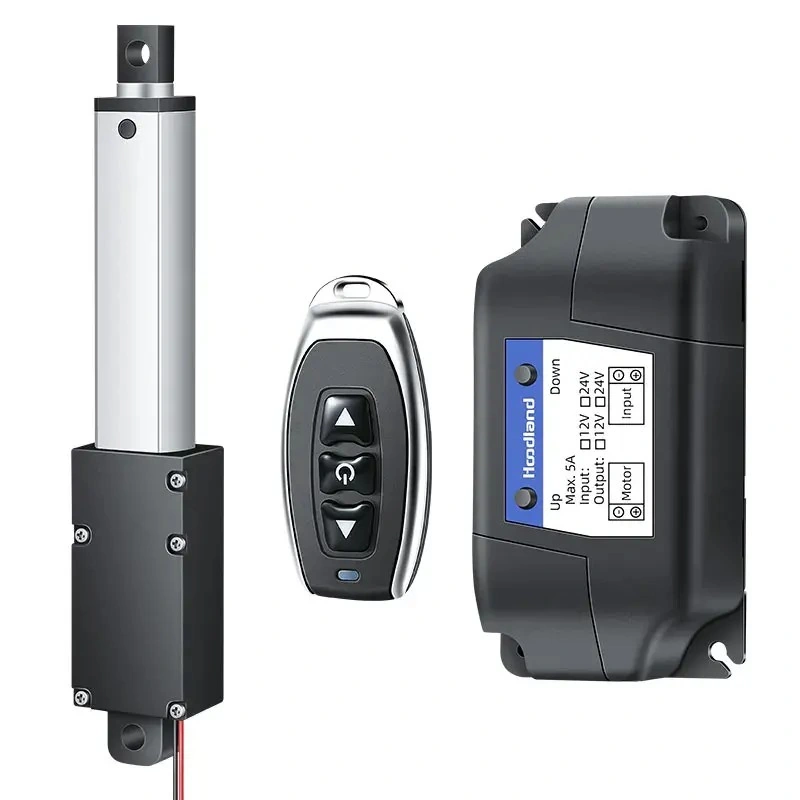
Jenis pengontrol: [switch / kotak kontrol / PLC / handset / remote]
Umpan balik atau sinkronisasi diperlukan: [ya / tidak]

Mekanikal:
Jarak pemasangan: [mm]
Jenis braket: [jika diketahui]
Risiko beban samping: [ya / tidak / tidak diketahui]
Brief ini membantu penyedia menghindari merekomendasikan aktuator yang terlihat cepat tetapi tidak sesuai dengan pola kerja.
Daftar Periksa Pemilihan
Sebelum memilih aktuator tercepat, periksa poin-poin ini:
Tentukan siklus nyata
Berapa kali aktuator akan bergerak dalam penggunaan normal, penggunaan berat, pemasangan, pengujian, dan layanan?
Hitung waktu gerakan
Jika aktuator membutuhkan 20 detik per strok dan akan berjalan beberapa kali dalam periode singkat, siklus tugas harus mendukung pola itu.
Periksa beban di bawah geometri nyata
Aktuator mungkin mengalami lebih banyak gaya daripada yang diharapkan jika mekanisme menggunakan lengan tuas pendek, sudut pemasangan yang buruk, atau beban yang tidak seimbang.
Konfirmasi penutup dan suhu
Lingkungan yang hangat dan rumah tertutup mengurangi margin pendinginan.
Cocokkan pengontrol
Pengontrol, relay, saklar, kotak kontrol, kabel, dan catu daya harus menangani kebutuhan voltase dan arus di bawah beban dan pengulangan siklus.
Tanyakan tentang alternatif
Jika siklus tugas yang diperlukan tinggi, tanyakan apakah seri aktuator yang berbeda, opsi motor, rasio gear, konfigurasi sekrup, atau strategi kontrol lebih cocok.
Uji siklus realistis terburuk
Jangan hanya menguji satu gerakan. Uji pola berulang yang mungkin diciptakan oleh pengguna akhir.
Apa yang Diperiksa AktuLift Sebelum Merekomendasikan Aktuator
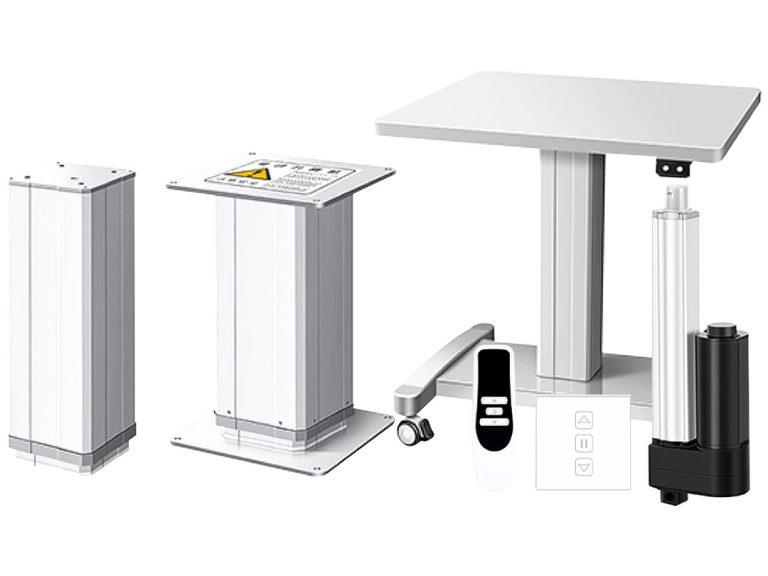
ActuLift bekerja dengan produsen peralatan B2B tentang aktuator linear elektrik, kolom pengangkat, kotak kontrol, handset, braket, dan solusi gerak OEM/ODM.
Untuk pemilihan aktuator, tim biasanya membutuhkan lebih dari sekadar strok dan kecepatan. Rekomendasi yang dapat diandalkan tergantung pada:
Beban dan arah beban
Strok dan jarak pemasangan
Waktu gerakan yang diperlukan
Siklus tugas dan pola penggunaan berulang
Suhu kerja dan kondisi penutup
Peringkat IP dan paparan lingkungan
Kebutuhan voltase dan arus
Kecocokan pengontrol, saklar, atau kotak kontrol
Kebutuhan umpan balik atau sinkronisasi
Braket pemasangan dan risiko beban samping
Di seluruh data produk ActuLift lokal, banyak keluarga aktuator dan kolom pengangkat merujuk pada operasi intermiten, contoh siklus tugas 10%, atau frekuensi operasi S2. Ini tidak berarti setiap proyek memiliki kebutuhan yang sama. Ini berarti ritme operasi harus ditinjau lebih awal sehingga aktuator dipilih untuk aplikasi nyata daripada hanya parameter yang terlihat paling cepat.
Rekomendasi Akhir
Jangan pilih aktuator linear hanya berdasarkan kecepatan.
Kecepatan memberi tahu Anda seberapa cepat aktuator dapat bergerak. Siklus tugas memberi tahu Anda apakah itu dapat terus melakukan pekerjaan yang diperlukan di dalam peralatan akhir.
Untuk gerakan sederhana dan sesekali, aktuator intermiten standar mungkin merupakan pilihan yang tepat. Untuk siklus berulang, lingkungan hangat, pemasangan tertutup, peralatan industri, sistem medis, atau gerakan beban berat, siklus tugas harus menjadi salah satu spesifikasi pertama yang dibahas.
Proses pemilihan terbaik adalah:
Tentukan beban dan strok.
Tentukan waktu gerakan yang diperlukan.
Tentukan siklus operasi nyata.
Konfirmasi siklus tugas dan kebutuhan pendinginan.
Cocokkan voltase, pengontrol, dan kabel.
Tinjau pemasangan dan lingkungan.
Uji pola penggunaan berulang sebelum produksi.
Jika proyek Anda memerlukan bantuan dalam membandingkan kecepatan, siklus tugas, beban, pengontrol, dan kebutuhan pemasangan, kunjungi ActuLift atau hubungi tim ActuLift dengan ringkasan aplikasi Anda.
FAQ
Apakah aktuator linier yang lebih cepat selalu lebih baik?
Tidak. Aktuator yang lebih cepat mungkin memperbaiki waktu gerakan, tetapi harus tetap cocok dengan beban yang diperlukan, siklus tugas, pengontrol, voltase, kabel, dan lingkungan operasi. Dalam peralatan penggunaan berulang, aktuator yang sedikit lebih lambat dengan siklus tugas yang benar mungkin lebih dapat diandalkan.
Apa arti siklus tugas 10% untuk aktuator linier?
Siklus tugas 10% berarti aktuator dirancang untuk beroperasi untuk sebagian terbatas dari periode waktu yang ditentukan. Dalam banyak referensi aktuator, ini diekspresikan sebagai 2 menit operasi diikuti oleh 18 menit istirahat. Selalu konfirmasi nilai tepat untuk model dan aplikasi yang dipilih.
Bisakah saya melebihi siklus tugas aktuator untuk jangka pendek?
Jangan mengasumsikan bahwa melebihi siklus tugas itu aman. Perilaku overload sesaat atau penggunaan berulang harus ditinjau bersama pemasok karena penumpukan panas dapat memengaruhi motor, pengontrol, kabel, dan umur layanan.
Apakah beban aktuator mempengaruhi siklus tugas?
Ya. Beban yang lebih tinggi biasanya meningkatkan usaha motor dan produksi panas. Siklus tugas nyata harus diperiksa di bawah beban yang diharapkan, bukan hanya di bawah kondisi tanpa beban.
Bagaimana saya seharusnya menguji siklus tugas sebelum produksi?
Uji aktuator di pemasangan akhir atau mendekati akhir dengan beban yang diharapkan, geometri braket, panjang kabel, pengontrol, penutup, dan pola penggunaan berulang. Satu stroka tanpa beban saja tidak cukup untuk membuktikan kesesuaian jangka panjang.
Dapatkan Pandangan Para Ahli tentang Kontrol Gerakan Industri
Memilih yang tepat aktuator linier listrik atau kolom pengangkat sangat penting untuk kinerja proyek Anda. Sebagai seorang profesional Produsen Kontrol Gerakan & Otomatisasi, insinyur kami membantu Anda menyesuaikan kapasitas beban, panjang langkah, dan rating IP berdasarkan aplikasi spesifik Anda. Bagikan persyaratan teknis Anda untuk solusi yang disesuaikan.
ActuLift mendukung kustomisasi dari awal hingga akhir, mulai dari desain struktural dan parameter jalur hingga branding dan penyelesaian casing, membantu Anda membangun identitas merek yang kuat.
Respons Cepat & Prototyping
Kami memahami pentingnya kecepatan dalam pengadaan B2B, memanfaatkan alur kerja produksi yang dioptimalkan untuk memastikan respons efisien dari pengembangan sampel hingga pengiriman massal.
Kualitas Stabil & Traceability
Dengan jaminan kualitas ISO9001, setiap produk—dari entri bahan hingga pengujian pabrik akhir—dicatat dalam log elektronik kami, memastikan konsistensi tinggi dalam barang yang dikirim.