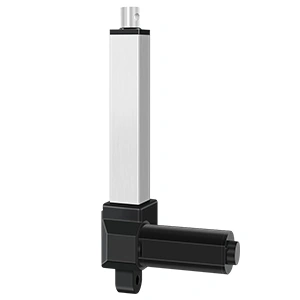
“We need a محرك خطي 24 فولت with higher speed for our equipment.”
السرعة سهلة الفهم لأنها مرئية. المشغل الأسرع ينهي الشوط بشكل أسرع، ويبدو أكثر استجابة في اختبار عينة، ويبدو أسهل للمقارنة عبر صفحات المنتجات.
لكن السرعة ليست دائمًا المواصفة التي تحدد ما إذا كان المشغل سيبقى داخل المعدات النهائية. في العديد من التطبيقات الحقيقية، تكون دورة العمل أكثر أهمية من السرعة..
Duty-cycle information describes permitted operating and rest behavior under stated test conditions. The percentage or duty designation must be interpreted using the selected actuator’s time basis, load, ambient temperature and other manufacturer test conditions rather than as a universal run/rest schedule. It connects the actuator’s motor, gearbox, screw, load, temperature, controller, enclosure, and working pattern into one practical reliability question:
هل يمكن أن يكرر هذا المشغل الحركة المطلوبة دون السخونة الزائدة، أو التآكل بسرعة كبيرة، أو فقدان الأداء في المعدات الفعلية؟
بالنسبة لمصنعي المعدات، وفرق الهندسة، ومشتري المشتريات، يكون هذا السؤال غالبًا أكثر أهمية من ما إذا كان يمكن للمشغل أن يتحرك بضع مليمترات في الثانية بشكل أسرع خلال اختبار غير محمل واحد.
Scope: This page compares speed مع repeat-use duty requirements during actuator selection. For the definition of actuator duty cycle, percentage arithmetic, 10% ON/OFF interpretation, thermal limits, and operating-compliance guidance, use ما هو دورة عمل المشغل؟.
جدول المحتويات
Duty Cycle as a Selection Constraint
For a speed-versus-duty decision, treat the selected actuator’s documented duty-cycle condition as an operating constraint alongside required speed, load, stroke, ambient conditions, controller behavior, and the real movement rhythm. Do not infer a universal ON/OFF schedule from a percentage alone.
If you need the duty-cycle formula, examples of percentage calculations, or guidance on interpreting a documented 10% condition, use ما هو دورة عمل المشغل؟. The question on this page is narrower: after the duty constraint is known, does a faster actuator actually improve the finished equipment’s required cycle?
لماذا يمكن أن تضلل السرعة المشترين
يبدو السرعة كترقية في الأداء. في بعض الحالات، تكون كذلك.
قد تحسن المشغِّل الأسرع تجربة المستخدم، وتقلل من وقت الإعداد، أو تجعل آلية ما تبدو أكثر استجابة. لكن السرعة لا توجد بمفردها. إنها مرتبطة بالتحميل، وقوة محرك، ونسبة التروس، وتصميم اللولب، والضوضاء، وثبات التحكم، والحرارة.
إذا كان لدى مشغلين نفس المسافة ولكن تقييمات سرعة مختلفة، فإن الخيار الأسرع ليس أفضل تلقائيًا. قد يدعم تحميلًا أقل، ويسحب تيارًا أكبر، وينتج حرارة أكثر، أو يتطلب جهاز تحكم مختلف. في التشغيل المتكرر، قد يصبح المشغِّل الأسرع الخيار الخاطئ إذا لم تكن دورة العمل مناسبة.
هذا مهم بشكل خاص لأن العديد من عينات المشغِّلات يتم اختبارها بطريقة غير واقعية:
حركة واحدة على الطاولة
لا حمل حقيقي
مسافة سلك قصيرة
درجة حرارة الغرفة
لا غلاف
لا عملية تكرارية
لا هندسة حاملة نهائية
لا نمط إساءة استخدام من المستخدم
تحت تلك الظروف، قد يبدو المشغِّل السريع رائعًا. لكن بمجرد تثبيته داخل آلة، يبدأ الاختبار الحقيقي. قد يعمل المشغِّل الآن تحت الحمل، داخل مساحة مغطاة، مع كابلات أطول، أوامر متكررة، وتدفق هواء تبريد أقل.
لهذا السبب، فإن حركة سريعة واحدة لا تثبت ملاءمة المعدات.
السؤال الحقيقي في الاختيار: إيقاع الحركة
تجيب السرعة على:
ما مدى سرعة حركة المشغِّل خلال حركة واحدة؟
تجيب دورة العمل على:
What run/rest pattern is permitted for the selected configuration under the project load and environmental conditions?
بالنسبة للعديد من مشاريع OEM، يكون السؤال الثاني أكثر أهمية.
فكر في إيقاع العمل للمعدات:
عدد الدورات في الساعة؟
عدد الدورات في اليوم؟
ما مدة كل حركة؟
هل يعمل المشغِّل تحت الحمل الكامل أم الحمل الجزئي؟
هل يمسك المستخدم الزر بشكل متكرر؟
هل يتوقف المشغِّل ويستأنف كثيرًا؟
هل المشغِّل محاط داخل غلاف؟
هل تعمل المعدات في بيئة دافئة؟
هل يحتاج المشغِّل إلى الحفاظ على الوضع بعد الحركة؟
هذه التفاصيل تحدد ما إذا كانت دورة العمل للمشغِّل واقعية. إن منتجًا يتحرك مرتين فقط في اليوم له متطلبات مختلفة تمامًا عن محطة عمل، أو منصة طبية، أو تركيب صناعي، أو جهاز أوتوماتيكي قد يتم تعديله بشكل متكرر.
لماذا تؤثر دورة العمل على الاعتمادية
المشغِّل الخطّي الكهربائي يحوّل الطاقة الكهربائية إلى حركة ميكانيكية. أثناء التشغيل، يُنتج نظام المحرك والنقل حرارة. كلما زاد الحمل، وطالت فترة التشغيل، وزاد تكرار الدورات، أصبحت إدارة الحرارة أكثر أهمية.
إذا لم يُسمح للمشغِّل بفترة راحة كافية، يمكن أن تظهر عدة مشكلات:
ارتفاع درجة حرارة المحرك
يمكن أن تؤدي العملية المتكررة إلى تراكم الحرارة بشكل أسرع مما يمكن أن يتبخره المحرك. قد يقلل هذا الأداء ويقصّر من عمر الخدمة.
زيادة الضغط على وحدة التحكم والأسلاك
قد يؤثر التيار الأعلى تحت الحمل على المرحلات، والمفاتيح، وصناديق التحكم، والموصلات، وحجم الكابلات. قد تكون وحدة التحكم التي تعمل لحركة قصيرة واحدة غير مناسبة للتكرار.
تزداد أهمية التشحيم واهتراء اللولب
يعمل اللولب، والصمولة، وعلبة التروس، وهيكل الدليل جميعها تحت ضغط ميكانيكي. يمكن أن يكشف التكرار المتكرر عن مشاكل المحاذاة، ومشكلات الحمل الجانبي، والدعم غير الكافي للتثبيت.
الأماكن المغلقة تقلل من التبريد
قد يكون للمشغِّل المثبت داخل الأثاث، أو إطار جهاز طبي، أو خزانة، أو هيكل آلة تدفق هواء أقل من اختبار الطاولة. يمكن أن تبدو نفس دورة العمل أكثر تطلبًا في منتج دافئ أو مغلق.
تغيّر سلوك المستخدم الدورة الحقيقية
Users may operate the actuator repeatedly during setup, testing, cleaning, service, or adjustment. The expected engineering cycle may be lighter than the actual use pattern.
This is why duty cycle should be treated as a design input, not a datasheet footnote.
عندما تكون السرعة مهمة أيضًا
This does not mean speed is unimportant. Speed matters when movement time affects safety, workflow, comfort, or product experience.
For example:
A standing desk should not feel painfully slow.
A medical bed should move in a controlled and comfortable way.
An access hatch may need to open within an acceptable service time.
An industrial adjustment mechanism may need to fit the production process.
A smart furniture product may need smooth and quiet movement rather than maximum speed.
The mistake is choosing speed first and then hoping the duty cycle works.
A better method is to define both:
Required movement time under real load
Expected run/rest pattern in real use
If the equipment needs 200mm of travel in about 15 seconds, say that directly. If the actuator will be used 20 times per hour during setup, say that too. The supplier can then recommend a force, speed, motor voltage, screw, controller, and duty cycle combination that fits the whole system.
سيناريوهات شائعة حيث تهم دورة العمل أكثر من السرعة
1. الأسرة الطبية ومعدات إعادة التأهيل
Care-related and rehabilitation equipment can have application-specific movement patterns and finished-device safety requirements. A bed mechanism, backrest adjustment, support system or rehabilitation platform may be operated repeatedly during setup or use, so the responsible equipment manufacturer should define the actual motion profile and validation requirements.
For this type of project, compare speed together with load, movement geometry, expected cycles, control method, acoustic target, fault/safety behavior and the documented duty-cycle basis.
The selected actuator/controller/mounting combination should be validated in the finished mechanism; a slower speed or a duty-cycle label alone does not establish medical suitability or reliability.
2. الأثاث المكتبي الذكي
For height-adjustable desks, monitor lifts, and smart furniture, user experience matters. Speed and noise are visible to the end user.
But duty cycle still matters because users may press controls repeatedly, test different positions, or cycle the product during installation. If the actuator is hidden inside a column, frame, or compact housing, heat dissipation should be considered.
For OEM furniture projects, the selection should include travel length, load, synchronization requirements, control box compatibility, duty cycle, and expected user behavior.
3. المعدات الصناعية وأدوات الأتمتة
Industrial equipment often exposes weak actuator selection faster than consumer products. A fixture, guide, clamp, adjustment platform, or access mechanism may repeat the same motion throughout the workday.
In this case, speed can be less important than repeatability and thermal stability. If the actuator cycles often, a high-speed intermittent actuator may not be the best fit. The project may need a different motor, gear ratio, screw type, controller, or even a different actuator class.
4. المعدات الخارجية والزراعية
Outdoor equipment brings temperature, moisture, dust, load variation, and vibration into the selection. Duty cycle must be reviewed together with IP rating, mounting angle, cable protection, and operating temperature.
If the actuator works under higher load in a warm outdoor environment, repeated movement can be more demanding than the same cycle indoors. Speed alone will not answer that risk.
5. الألواح والوصلات والأغطية
Access panels and hatches often seem simple because they only open and close. But load direction, pivot geometry, gas springs, side load, wind load, and end-user operation can change the real actuator stress.
If a technician opens and closes the hatch repeatedly during service, the duty cycle can become more important than the opening speed.
دورة العمل مقابل السرعة: مقارنة عملية
Selection Question
Speed Focus
Duty Cycle Focus
Main concern
How fast does one stroke finish?
Can the actuator repeat the motion reliably?
Typical buyer mistake
Choosing the fastest option
Ignoring real run/rest pattern
Hidden risk
Lower load capacity, higher current, more heat
Underspecified actuator for repeated use
Best use
User experience and process timing
Reliability, thermal control, service life
Must be checked with
Load, stroke, noise, controller
Load, environment, enclosure, cycles, controller
The best actuator selection uses both. But if the equipment will run repeatedly, duty cycle should be checked before speed is treated as the deciding factor.
موجز مواصفات أفضل للموردين
Instead of asking only:
“What is the fastest actuator for 300mm stroke?”
Send a more complete brief:
Application:
The actuator will move [equipment part] in [equipment type].

Load:
Push force required: [N]
Pull force required: [N]
Holding force required: [N]
Load direction: [vertical / horizontal / angled / pivoting]

Motion:
Stroke length: [mm]
Target movement time: [seconds per full stroke]
Acceptable speed range: [mm/s if known]

Duty cycle:
Expected cycles per hour: [number]
Run time per cycle: [seconds]
Rest time between cycles: [seconds/minutes]
Maximum repeated operation scenario: [example]

Environment:
Indoor/outdoor: [answer]
Temperature range: [answer]
Dust/water exposure: [answer]
Actuator enclosed or open-air: [answer]

Control:
Voltage: [12V / 24V / other]
Controller type: [switch / control box / PLC / handset / remote]
Feedback or synchronization required: [yes / no]

Mechanical:
Mounting distance: [mm]
Bracket type: [if known]
Side-load risk: [yes / no / unknown]
This brief helps the supplier avoid recommending an actuator that looks fast but does not match the working pattern.
قائمة التحقق من الاختيار
قبل اختيار المشغل الأسرع، تحقق من هذه النقاط:
حدد الدورة الحقيقية
كم مرة سيتحرك المشغل في الاستخدام العادي، والاستخدام المكثف، والتركيب، والاختبار، والصيانة؟
احسب وقت الحركة
إذا كان المشغل يحتاج إلى 20 ثانية لكل شوط وسيتكرر عدة مرات في فترة قصيرة، يجب أن تدعم دورة العمل هذا النمط.
تحقق من الحمل تحت الهندسة الحقيقية
قد يتعرض المشغل لقوة أكبر مما هو متوقع إذا كان النظام يستخدم ذراع رافعة قصيرة، أو زاوية تركيب غير جيدة، أو حمل خارج المحور.
أكد على الغلاف ودرجة الحرارة
تقلل البيئات الدافئة والمساكن المغلقة من هامش التبريد.
تطابق مع وحدة التحكم
يجب أن تتعامل وحدة التحكم، والمرحل، والمفتاح، وصندوق التحكم، والأسلاك، وكذلك مصدر الطاقة مع متطلبات الجهد والتيار تحت الحمل والتكرار.
اسأل عن البدائل
إذا كانت دورة العمل المطلوبة عالية، اسأل عما إذا كانت سلسلة مشغلات مختلفة، أو خيار محرك، أو نسبة ترس، أو تكوين لولبي، أو استراتيجية تحكم أكثر ملاءمة.
اختبر أسوأ دورة واقعياً
لا تختبر حركة واحدة فقط. اختبر النمط المتكرر الذي قد ينشئه المستخدم النهائي.
ما الذي تتحقق منه ActuLift قبل التوصية بمشغل
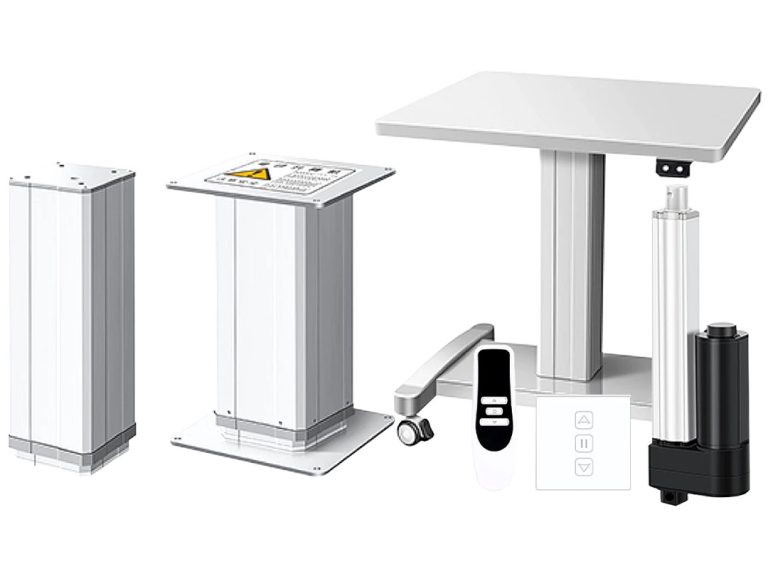
تعمل ActuLift مع مصنعي المعدات في B2B على المشغلات الكهربائية الخطية، وأعمدة رفع، وصناديق تحكم، وأجهزة تحكم، وحوامل، وحلول حركة OEM/ODM.
لتحديد المشغل، يحتاج الفريق عادة إلى أكثر من الشوط والسرعة. يعتمد التوصية الموثوقة على:
الحمل واتجاه الحمل
الشوط ومسافة التركيب
وقت الحركة المطلوب
دورة العمل ونمط الاستخدام المتكرر
درجة الحرارة العمل وظروف الغلاف
تصنيف IP والتعرض البيئي
متطلبات الجهد والتيار
مطابقة وحدة التحكم أو المفتاح أو صندوق التحكم
متطلبات التغذية الراجعة أو التزامن
حوامل التركيب ومخاطر الحمل الجانبي
Current ActuLift product pages increasingly treat duty cycle, speed and thermal behavior as configuration-specific requirements. Any older 10% or S2 wording should be confirmed against the selected build and current documentation before engineering or procurement use. The operating rhythm should be reviewed early rather than selecting only from a headline speed.
التوصية النهائية
لا تختار مشغل خطي بناءً على السرعة فقط.
تخبرك السرعة بمدى سرعة تحرك المشغل. تخبرك دورة العمل عما إذا كان يمكنه الاستمرار في القيام بالعمل المطلوب داخل المعدات النهائية.
For simple, occasional movements, a standard intermittent-duty actuator may be the right choice. For repeated cycling, warm environments, enclosed installations, industrial equipment, care-related or regulated equipment, or heavy-load motion, duty cycle should be defined early together with load, environment, controls and finished-system validation requirements.
أفضل عملية اختيار هي:
حدد الحمل والشوط.
حدد وقت الحركة المطلوب.
حدد الدورة التشغيلية الحقيقية.
أكد على دورة العمل واحتياجات التبريد.
طابق الجهد ووحدة التحكم والأسلاك.
راجع التركيب والبيئة.
اختبر نمط الاستخدام المتكرر قبل الإنتاج.
إذا كانت مشروعك يحتاج للمساعدة في مقارنة السرعة ودورة العمل والحمل ومتطلبات وحدة التحكم والتركيب، قم بزيارة أكتوليفت أو اتصل بفريق ActuLift مع موجز التطبيق الخاص بك.
الأسئلة المتكررة
هل يكون المشغل الخطي الأسرع دائمًا أفضل؟
No. A faster actuator may improve movement time, but it must still match the required load, duty cycle, controller, voltage, wiring and operating environment. Compare candidate configurations using the documented working point and repeated-use test rather than assuming a slower option is inherently more reliable.
Where should I verify a duty-cycle percentage before comparing speed?
Use ما هو دورة عمل المشغل؟ for the definition, arithmetic, and interpretation of documented ON/OFF conditions. On this page, use the selected product’s verified duty-cycle condition as one input when comparing speed, load, stroke, temperature, controller behavior, and required movement frequency.
What if the required movement rhythm exceeds the documented duty-cycle condition?
Do not try to solve a duty-cycle mismatch simply by choosing a faster actuator. If the required run/rest pattern exceeds the selected configuration’s documented operating condition, review another actuator, motor/controller configuration, load case, or system architecture that is explicitly supported for the required cycle.
Why must load be included when comparing speed and duty cycle?
Load can change current draw, heating, speed under load, and available thermal margin. Compare speed and repeated-use behavior under the expected working load and representative installation conditions rather than using a no-load speed figure as the primary selection metric.
كيف يجب أن أختبر دورة العمل قبل الإنتاج؟
اختبر المشغل في التركيب النهائي أو القريب من النهائي مع الحمل المتوقع، وهندسة الحوامل، وطول الكابل، ووحدة التحكم، والغلاف، ونمط الاستخدام المتكرر. ليست حركة واحدة غير محملة كافية لإثبات الملاءمة على المدى الطويل.
احصل على رؤى الخبراء في التحكم في الحركة الصناعية
اختيار محرك خطي كهربائي أو عمود الرفع أمر حاسم لأداء مشروعك. بصفتك محترفًا مصنع لتكنولوجيا التحكم في الحركة والأوتوماتيكية، يساعدك مهندسونا في تخصيص سعة الحمولة وطول الشوط وتصنيفات IP بناءً على تطبيقك المحدد. شارك متطلباتك الفنية للحصول على حل مخصص.
تدعم أكتوليفت التخصيص من البداية إلى النهاية، من التصميم الهيكلي ومعلمات الشوط إلى العلامة التجارية واللمسات النهائية للحالات، مما يساعدك على بناء هوية علامة تجارية قوية.
استجابة سريعة ونماذج أولية
نفهم أهمية السرعة في الشراء بين الشركات، باستخدام تدفقات إنتاج محسّنة لضمان استجابة فعالة من تطوير العينات إلى التسليم بالجملة.
Quality Documentation & Traceability
Quality and traceability requirements vary by project. Ask ActuLift for the applicable inspection records, product specifications, drawings and available compliance documentation for the selected model and order.