Lineer Aktüatörlerde Statik Kendinden Kilitleme Kuvvetini Anlamak: Tam Teknik Kılavuz
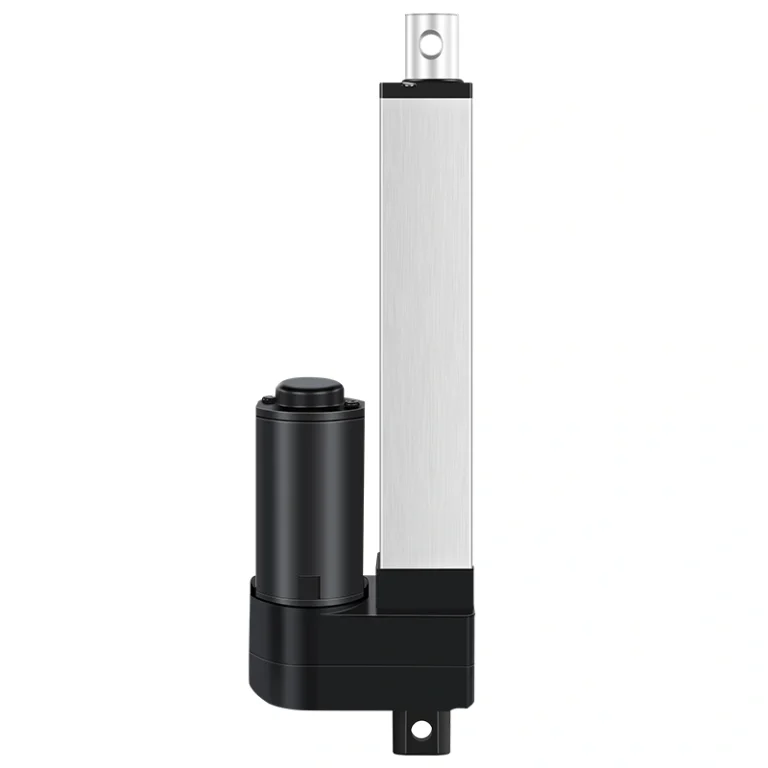
Learn what static self-locking or holding force means in linear actuators, what can resist back-driving, and how screw geometry, gearing, brakes, load, lubrication, wear and temperature affect selection.
Static self-locking or holding force describes the axial load an unpowered actuator can resist under stated conditions before the external load causes unacceptable movement or back-driving. It is a useful component specification, but it does not by itself prove that an external brake, restraint or other system-level safety measure is unnecessary.
Kendinden Kilitlemenin Arkasındaki Bilim
Resistance to back-driving can come from screw geometry and friction, gearbox characteristics, an integrated brake or a combination of mechanisms. For screw systems, the relationship between lead angle and effective friction is a useful screening principle, but actual holding behavior also depends on lubrication, materials, gearing, load, orientation, wear, temperature and vibration.
Scope: This page explains generic static holding and back-driving mechanics across linear actuator designs. For gravity-loaded vertical mechanisms, project-risk checks and validation, see Self-Locking Force in Vertical Lifting Applications. For T-type/trapezoidal screw geometry, friction and transmission trade-offs, see T-Type Lead Screws in Linear Actuators.
İçindekiler
Statik Kendinden Kilitleme Kuvveti Neden Önemlidir
Güvenlik Kritik Uygulamalar
Birçok endüstriyel ve ticari uygulamada, güç kaybı sırasında beklenmedik aktüatör hareketi ciddi güvenlik tehlikelerine yol açabilir. Kendinden kilitleme aktüatörleri sağladığı:
Position Holding: Define the permitted movement or drift after power is removed and validate it under the project conditions
Fault Behavior: Determine what happens during power loss, controller faults and other foreseeable failures at the complete-system level
Energy Use: A validated passive holding condition may reduce the need for continuous motor torque, but actual system power depends on the selected architecture
Ortak Uygulamalar
Static holding and back-driving behavior can matter in applications such as:
Moving load, holding/back-driving, fault behavior, guards and machine risk controls
Solar tracking
Wind/stow load cases, holding direction, controls and structural load path
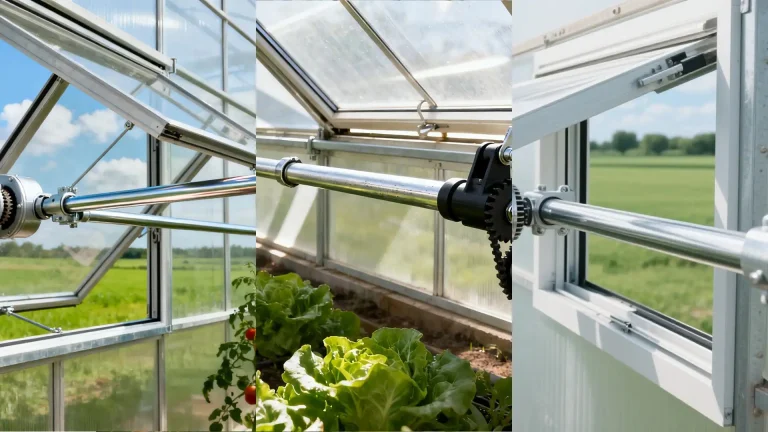
Tarım ekipmanları
Load, vibration, contamination, temperature and service conditions
Aerospace or other regulated equipment
Application-specific safety architecture, qualification and documentation defined by the finished-system manufacturer
Kuvvet Spesifikasyonlarını Anlama
Anahtar Terminoloji
Kendinden kilitleme özelliği için lineer aktüatörleri değerlendirirken, bu spesifikasyonları anlamak hayati önem taşır:
Statik Tutma Kuvveti: Aktüatörün güç olmadan hareketsiz tutabileceği maksimum yük
Dinamik Yük Kapasitesi: Aktüatör hareket halindeyken maksimum kuvvet
Çalışma Döngüsü: Aktüatörün tam yükte çalışabileceği süre yüzdesi
Kuvvet Hesaplama Örneği
Do not calculate an unpowered holding rating from motor torque alone. Evaluate screw geometry, friction, gearing, brake/holding elements, load direction and configuration-specific test data.
A theoretical calculation can support design screening, but the rated holding or back-driving value should come from the selected actuator configuration and defined test conditions.
Kendinden Kilitleme Mekanizmalarının Türleri
1. Vidalı Somun Kendinden Kilitleme
A lead screw with suitable geometry and friction can resist back-driving when unpowered. Do not treat a shallow thread angle as an automatic guarantee; verify the selected screw, nut, gearing, lubrication, load, orientation and wear condition.
2. Dişli Kutusu Kendinden Kilitleme
Some worm-gear arrangements can provide useful resistance to back-driving, but not every worm gear is self-locking. Lead angle, friction, lubrication, efficiency, wear, vibration and external torque determine the actual behavior, which should be verified for the selected mechanism.
3. Fren Entegre Tasarımlar
Bazı uygulamalar, vidalı mekanizmanın sağladığı tutma kuvvetinden fazlasını gerektirir. Entegre mekanik frenler, pozisyon tutma özelliklerini artırır, ancak karmaşıklık ve maliyet ekler.
Doğru Kendinden Kilitleme Lineer Aktüatörünü Seçme
Dikkate Alınması Gereken Faktörler
Gerekli Tutma Kuvveti: Uygulamanızın tutması gereken maksimum yükü hesaplayın
Strok Uzunluğu: Gerekli uzatım mesafesini belirleyin
Hız Gereksinimleri: Hız ve tutma kapasitesi arasında denge
Çevresel Koşullar: Sıcaklık, nem ve toz maruziyetini dikkate alın
Güç Kaynağı: Mevcut güç kaynağınızla uyumluluğu sağlayın
Boyutlandırma Yönergeleri
The required margin between expected load and rated holding force should be defined by the equipment designer from the full load case, uncertainty, geometry, shock, vibration, wear, environment, applicable standards and supplier guidance. Do not apply a universal design-factor rule.
Çalışma sırasında dinamik yükler
Çevresel faktörler
Uzun vadeli aşınma ve bozulma
Kurulum En İyi Uygulamaları
Montaj Dikkat Edilmesi Gerekenler
Aktüatör ve yük yolu arasında paralel hizalamayı sağlamak
Beklenen yükler için değerlendirilmiş uygun montaj donanımı kullanın
Tam darbe uzatımı için yeterli boşluk bırakın
Dinamik uygulamalar için titreşim sönümleme dikkate alın
Elektrik Bağlantıları
Doğru kablolama, güvenilir kendinden kilitleme işletimi için esastır:
Akım gereksinimleri için uygun ölçü kabloları kullanın
Seyahat sonunda koruma için limit anahtarları uygulayın
Acil durumlar için manuel bypass seçeneklerini değerlendirin
Yes. External load, vibration, wear, lubrication, temperature or a load above the tested holding condition can cause back-driving or drift. Use the configuration-specific rating and define the required design margin from the complete application risk and load case.
Does self-locking eliminate the need for an electronic or mechanical brake?
Not automatically. Whether a separate brake, restraint or secondary load path is required depends on the failure consequences, permitted drift, load, orientation and machine/device risk assessment. Self-locking is a component characteristic, not a universal safety lock.
Does temperature affect self-locking or holding behavior?
It can. Temperature changes lubricant viscosity and can influence friction, materials and clearances. Validate the selected configuration across the specified temperature range and representative wear or service condition.
Are high-speed actuators always more likely to back-drive?
Not always. Speed can be changed through motor speed, gearing, screw lead or other design choices. Back-driving depends on the complete drivetrain, friction, brake/holding strategy and load, so verify the selected high-speed configuration instead of assuming it is non-self-locking.
Sonuç
Statik kendiliğinden kilitleme kuvveti, sürekli enerji tüketimi olmadan güvenilir pozisyon koruma gerektiren uygulamalar için kritik bir spesifikasyondur. Mekanik bilgiyi, uygun seçim kriterlerini ve en iyi uygulama kurulumunu anlamak, belirli ihtiyaçlarınız için doğru lineer aktüatörü seçmenizi sağlar.
Uygulamanız için doğru lineer aktüatörü seçme hakkında daha fazla bilgi için, şu kaynakları inceleyin: 12V vs 24V Lineer Aktüatör Kılavuzu veya kişiselleştirilmiş öneriler için teknik ekibimizle iletişime geçin.
[Lineer Aktüatör Görev Döngüsü Açıklaması] – Operasyonel sınırları anlama
[Lineer Aktüatörler için Kurulum Kılavuzu] – Optimal performans için en iyi uygulamalar
Endüstriyel Hareket Kontrolü Üzerine Uzman Görüşleri Alın
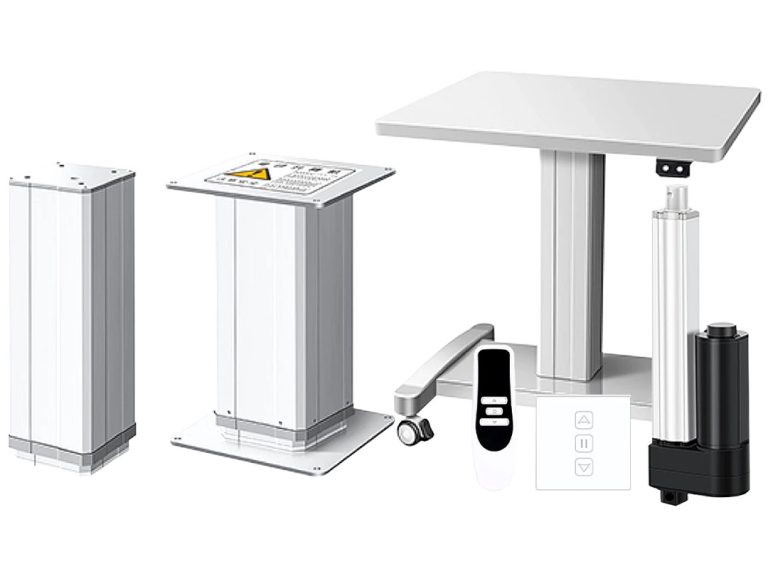
Doğru elektrikli lineer aktüatörü veya yükseltme kolonunu seçmek projenizin performansı için kritik öneme sahiptir. Bir profesyonel olarak Hareket Kontrolü ve Otomasyon Üreticisi, mühendislerimiz özel uygulamanıza bağlı olarak yük kapasitesi, strok uzunluğu ve IP derecelendirmelerini özelleştirmenize yardımcı olur. Özelleştirilmiş bir çözüm için teknik gereksinimlerinizi paylaşın.
ActuLift, yapısal tasarım ve stro giriş parametrelerinden markalamaya ve kasa bitimlerine kadar uçtan uca özelleştirmeyi destekler, güçlü bir marka kimliği oluşturmanıza yardımcı olur.
Hızlı Yanıt & Prototipleme
B2B tedarikinde hızın önemini anlıyoruz, örnek geliştirmeden toptan teslimata kadar verimli yanıtlar sağlamak için optimize edilmiş üretim iş akışlarını kullanıyoruz.
Quality Documentation & Traceability
Quality and traceability requirements vary by project. Ask ActuLift for the applicable inspection records, product specifications, drawings and available compliance documentation for the selected model and order.