การเข้าใจแรงยึดเกาะแบบสถิตในอุปกรณ์กระตุ้นเชิงเส้น: คู่มือเทคนิคที่สมบูรณ์

Learn what static self-locking or holding force means in linear actuators, what can resist back-driving, and how screw geometry, gearing, brakes, load, lubrication, wear and temperature affect selection.

แรงล็อคตัวเองแบบสถิตคืออะไร?

Static self-locking or holding force describes the axial load an unpowered actuator can resist under stated conditions before the external load causes unacceptable movement or back-driving. It is a useful component specification, but it does not by itself prove that an external brake, restraint or other system-level safety measure is unnecessary.

วิทยาศาสตร์เบื้องหลังการล็อคตัวเอง

Resistance to back-driving can come from screw geometry and friction, gearbox characteristics, an integrated brake or a combination of mechanisms. For screw systems, the relationship between lead angle and effective friction is a useful screening principle, but actual holding behavior also depends on lubrication, materials, gearing, load, orientation, wear, temperature and vibration.

Scope: This page explains generic static holding and back-driving mechanics across linear actuator designs. For gravity-loaded vertical mechanisms, project-risk checks and validation, see Self-Locking Force in Vertical Lifting Applications. For T-type/trapezoidal screw geometry, friction and transmission trade-offs, see T-Type Lead Screws in Linear Actuators.

สารบัญ

ทำไมแรงล็อคตัวเองแบบสถิตถึงสำคัญ

การใช้งานที่มีความสำคัญต่อความปลอดภัย

ในหลายกรณีอุตสาหกรรมและการค้า การเคลื่อนที่ที่ไม่คาดคิดของตัวกระตุ้นในช่วงการสูญเสียพลังงานอาจนำไปสู่ปัญหาด้านความปลอดภัยที่ร้ายแรง ตัวกระตุ้นที่ล็อคตัวเองให้:

  • Position Holding: Define the permitted movement or drift after power is removed and validate it under the project conditions
  • Fault Behavior: Determine what happens during power loss, controller faults and other foreseeable failures at the complete-system level
  • Energy Use: A validated passive holding condition may reduce the need for continuous motor torque, but actual system power depends on the selected architecture

การใช้งานทั่วไป

Static holding and back-driving behavior can matter in applications such as:

การใช้งานWhat to validate
Care-related / medical equipmentFinished-device load path, power-loss behavior, emergency functions, independent protection and regulatory requirements
ระบบอัตโนมัติในอุตสาหกรรมMoving load, holding/back-driving, fault behavior, guards and machine risk controls
Solar trackingWind/stow load cases, holding direction, controls and structural load path
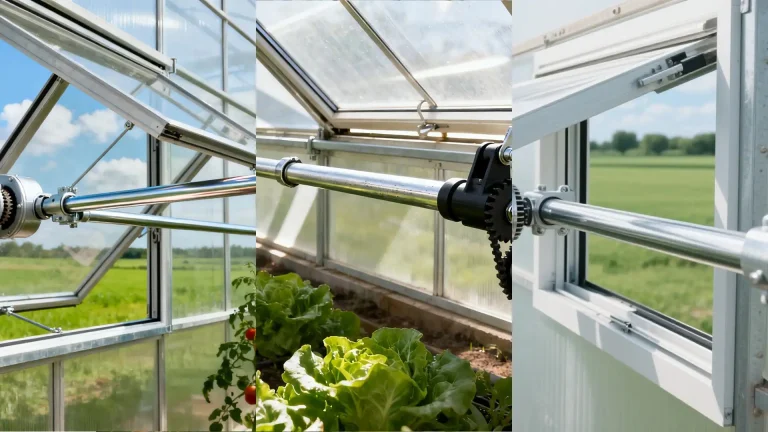
อุปกรณ์การเกษตรLoad, vibration, contamination, temperature and service conditions
Aerospace or other regulated equipmentApplication-specific safety architecture, qualification and documentation defined by the finished-system manufacturer

การเข้าใจสเปคแรง

คำศัพท์สำคัญ

เมื่อประเมินแอคชูเอเตอร์เชิงเส้นสำหรับความสามารถในการล็อกตัวเอง การเข้าใจข้อกำหนดเหล่านี้เป็นสิ่งสำคัญ:

  1. แรงยึดเกาะแบบสถิต: น้ำหนักสูงสุดที่แอคชูเอเตอร์สามารถยึดได้โดยไม่ใช้พลังงาน
  2. ความจุรับน้ำหนักแบบไดนามิก: แรงสูงสุดในขณะที่แอคชูเอเตอร์กำลังเคลื่อนที่
  3. รอบการทำงาน: เปอร์เซ็นต์ของเวลาที่แอคชูเอเตอร์สามารถทำงานที่น้ำหนักเต็ม

ตัวอย่างการคำนวณแรง

Do not calculate an unpowered holding rating from motor torque alone. Evaluate screw geometry, friction, gearing, brake/holding elements, load direction and configuration-specific test data.

A theoretical calculation can support design screening, but the rated holding or back-driving value should come from the selected actuator configuration and defined test conditions.

ประเภทของกลไกการล็อคตัวเอง

1. การล็อคตัวเองด้วยสกรูนำ

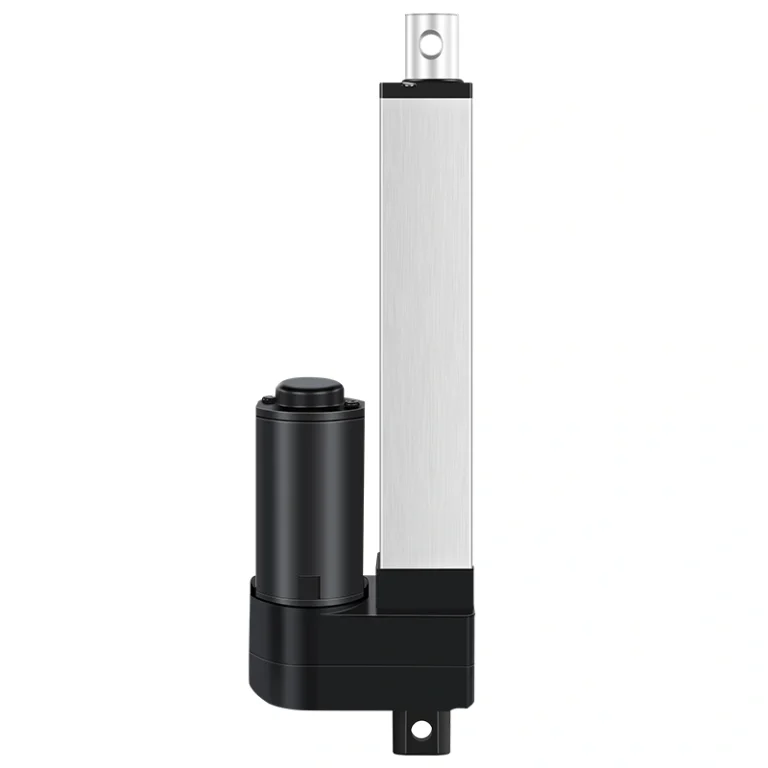
A lead screw with suitable geometry and friction can resist back-driving when unpowered. Do not treat a shallow thread angle as an automatic guarantee; verify the selected screw, nut, gearing, lubrication, load, orientation and wear condition.

2. การล็อคตัวเองด้วยเกียร์หนอน

Some worm-gear arrangements can provide useful resistance to back-driving, but not every worm gear is self-locking. Lead angle, friction, lubrication, efficiency, wear, vibration and external torque determine the actual behavior, which should be verified for the selected mechanism.

3. การออกแบบที่รวมเบรก

บางแอปพลิเคชันต้องการแรงยึดเพิ่มเติมนอกเหนือจากที่กลไกของสกรูสามารถให้ได้ เบรกกลไกที่รวมอยู่เสนอการยึดตำแหน่งที่ดีขึ้น แม้ว่าจะเพิ่มความซับซ้อนและค่าใช้จ่าย.

การเลือกตัวกระตุ้นเชิงเส้นที่ล็อคตัวเองได้อย่างถูกต้อง

ปัจจัยที่ต้องพิจารณา

  1. แรงยึดที่ต้องการ: คำนวณน้ำหนักสูงสุดที่แอปพลิเคชันของคุณต้องการยึด
  2. ความยาวการเดินทาง: กำหนดระยะที่ต้องการขยาย
  3. ข้อกำหนดด้านความเร็ว: ทบทวนระหว่างความเร็วและความสามารถในการยึด
  4. สภาพแวดล้อม: พิจารณาอุณหภูมิ ความชื้น และการสัมผัสกับฝุ่น
  5. แหล่งจ่ายไฟ: ตรวจสอบความเข้ากันได้กับแหล่งจ่ายไฟที่มีอยู่ของคุณ

แนวทางการขนาด

The required margin between expected load and rated holding force should be defined by the equipment designer from the full load case, uncertainty, geometry, shock, vibration, wear, environment, applicable standards and supplier guidance. Do not apply a universal design-factor rule.

  • แรงไดนามิกในระหว่างการทำงาน
  • ปัจจัยด้านสิ่งแวดล้อม
  • การสึกหรอและการเสื่อมสภาพในระยะยาว

การติดตั้งแนวปฏิบัติที่ดีที่สุด

ข้อพิจารณาการติดตั้ง

  • ตรวจสอบให้แน่ใจว่าการจัดเรียงขนานระหว่างแอคชูเอเตอร์และเส้นทางที่โหลด
  • ใช้ฮาร์ดแวร์ยึดที่เหมาะสมที่มีการจัดอันดับสำหรับน้ำหนักที่คาดหวัง
  • ให้มีความคล่องตัวเพียงพอสำหรับการขยายเต็มระยะ
  • พิจารณาความสะเทือนสำหรับแอปพลิเคชันไดนามิก

การเชื่อมต่อไฟฟ้า

การเดินสายที่เหมาะสมเป็นสิ่งสำคัญสำหรับการทำงานล็อกตัวเองที่เชื่อถือได้:

  • ใช้สายไฟที่เหมาะสมสำหรับความต้องการกระแส
  • ติดตั้งสวิตช์จำกัดสำหรับการป้องกันปลายการเดินทาง
  • พิจารณาตัวเลือกการควบคุมด้วยตนเองสำหรับสถานการณ์ฉุกเฉิน

การบำรุงรักษาและความทนทาน

การขยายอายุการใช้งาน

เพื่อรักษาประสิทธิภาพการล็อกตัวเองที่เหมาะสม:

  1. การหล่อลื่นอย่างสม่ำเสมอ: รักษาสกรูนำและเกียร์ให้หล่อลื่นอย่างเหมาะสม
  2. ตรวจสอบการสึกหรอ: ตรวจสอบสัญญาณของการสึกหรอหรือความเสียหาย
  3. การป้องกันสภาพแวดล้อม: ใช้หน่วยที่ปิดผนึกในสภาพแวดล้อมที่รุนแรง
  4. การตรวจสอบน้ำหนัก: หลีกเลี่ยงการเกินสเปคที่กำหนด

ปัญหาที่พบบ่อยและวิธีแก้ไข

ปัญหาสาเหตุที่เป็นไปได้วิธีแก้ปัญหา
ตัวกระตุ้นมีการเคลื่อนที่เมื่อปิดเครื่องการล็อคตัวเองลดลงเนื่องจากการสึกหรอตรวจสอบและเปลี่ยนชิ้นส่วนที่สึกหรอ
เสียงดังขึ้นระหว่างการทำงานขาดการหล่อลื่นใช้น้ำมันหล่อลื่นที่เหมาะสม
ประสิทธิภาพไม่สม่ำเสมอปัญหาทางไฟฟ้าตรวจสอบสายไฟและการเชื่อมต่อ

การเปรียบเทียบตัวกระตุ้นที่ล็อคตัวเองกับตัวกระตุ้นที่ไม่ล็อคตัวเอง

ตัวกระตุ้นที่ล็อคตัวเอง

ข้อดี:

  • May provide passive resistance to back-driving when the selected configuration is validated
  • Can contribute to a holding strategy but does not replace the system risk assessment or independent protection where required
  • May reduce continuous holding torque in some architectures; verify total system energy use

ข้อพิจารณา:

  • Speed depends on screw lead, gearing, motor and selected operating point
  • Cost depends on the complete actuator and holding architecture
  • Efficiency and thermal limits are configuration-dependent

ตัวกระตุ้นที่ไม่ล็อคตัวเอง

ข้อดี:

  • Cost depends on the selected drive, brake/holding strategy and control architecture
  • Higher speed may be possible in some configurations; confirm the actual operating point
  • May fit higher-cycle motion where the selected efficiency, thermal and holding strategy are appropriate

ข้อพิจารณา:

  • Define the required stationary holding method; this may involve a brake, restraint, motor torque or another mechanism
  • Safety-relevant positioning requires a system-level risk assessment and validated holding architecture regardless of screw category

ตัวกระตุ้นที่ล็อคตัวเองสามารถเคลื่อนที่ได้หรือไม่หากโหลดเกินแรงยึดเกาะแบบสถิต?

Yes. External load, vibration, wear, lubrication, temperature or a load above the tested holding condition can cause back-driving or drift. Use the configuration-specific rating and define the required design margin from the complete application risk and load case.

Does self-locking eliminate the need for an electronic or mechanical brake?

Not automatically. Whether a separate brake, restraint or secondary load path is required depends on the failure consequences, permitted drift, load, orientation and machine/device risk assessment. Self-locking is a component characteristic, not a universal safety lock.

Does temperature affect self-locking or holding behavior?

It can. Temperature changes lubricant viscosity and can influence friction, materials and clearances. Validate the selected configuration across the specified temperature range and representative wear or service condition.

Are high-speed actuators always more likely to back-drive?

Not always. Speed can be changed through motor speed, gearing, screw lead or other design choices. Back-driving depends on the complete drivetrain, friction, brake/holding strategy and load, so verify the selected high-speed configuration instead of assuming it is non-self-locking.

บทสรุป

แรงล็อคตัวเองแบบสถิตเป็นข้อกำหนดที่สำคัญสำหรับแอปพลิเคชันที่ต้องการการรักษาตำแหน่งที่เชื่อถือได้โดยไม่ต้องบริโภคพลังงานอย่างต่อเนื่อง การเข้าใจกลศาสตร์ เกณฑ์การเลือกที่เหมาะสม และแนวปฏิบัติที่ดีที่สุดในการติดตั้งจะช่วยให้คุณเลือกตัวกระตุ้นเชิงเส้นที่เหมาะสมสำหรับความต้องการเฉพาะของคุณ.

สำหรับข้อมูลเพิ่มเติมเกี่ยวกับการเลือกตัวกระตุ้นเชิงเส้นที่เหมาะสมสำหรับแอปพลิเคชันของคุณ กรุณาสำรวจ คู่มือการใช้งานตัวกระตุ้นเชิงเส้น 12V vs 24V หรือ ติดต่อทีมเทคนิคของเราเพื่อรับคำแนะนำที่ปรับให้เหมาะสม

  • คู่มือการใช้งานตัวกระตุ้นเชิงเส้น 12V vs 24V – การเลือกแรงดันที่เหมาะสมสำหรับแอปพลิเคชันของคุณ
  • [อธิบายรอบการทำงานของตัวกระตุ้นเชิงเส้น] – การเข้าใจขีดจำกัดการทำงาน
  • [คู่มือการติดตั้งสำหรับตัวกระตุ้นเชิงเส้น] – แนวปฏิบัติที่ดีที่สุดสำหรับประสิทธิภาพที่ดีที่สุด

รับข้อมูลเชิงลึกจากผู้เชี่ยวชาญเกี่ยวกับการควบคุมการเคลื่อนไหวในอุตสาหกรรม

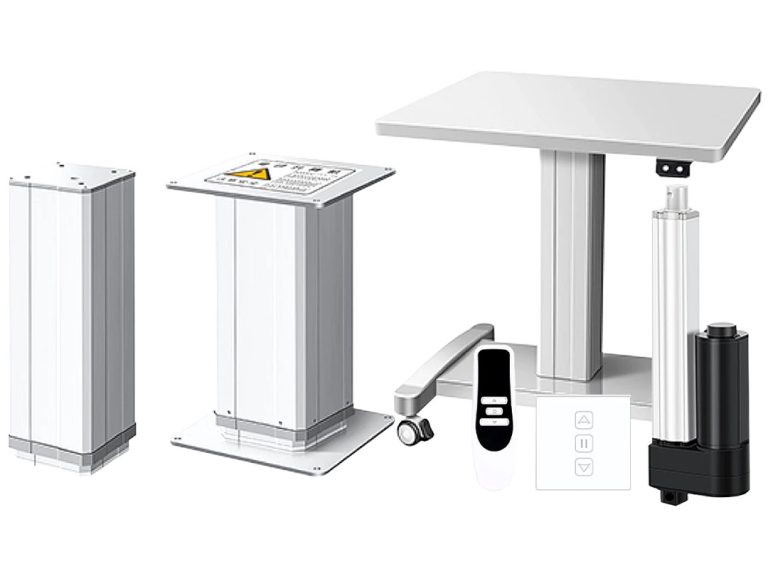
การเลือกแอกทูเอเตอร์ที่เหมาะสม แอกทูเอเตอร์ไฟฟ้าเชิงเส้น หรือ เสานี้ เป็นสิ่งสำคัญสำหรับประสิทธิภาพของโครงการของคุณ ในฐานะที่เป็นผู้ผลิต การควบคุมการเคลื่อนไหวและการอัตโนมัติ, วิศวกรของเราช่วยคุณปรับแต่งความจุของโหลด ความยาวของสโตรค และการจัดอันดับ IP ตามแอพพลิเคชั่นเฉพาะของคุณ แบ่งปันข้อกำหนดทางเทคนิคของคุณเพื่อให้ได้โซลูชันที่เหมาะสม

โดยปกติเราจะติดต่อคุณภายใน 30 นาที

การปรับแต่ง OEM และ Private Label

ActuLift สนับสนุนการปรับแต่งตั้งแต่ต้นจนจบ ตั้งแต่การออกแบบโครงสร้างและพารามิเตอร์การขับเคลื่อนไปจนถึงการสร้างแบรนด์และการตกแต่งเคส ช่วยให้คุณสร้างเอกลักษณ์แบรนด์ที่ทรงพลัง

การตอบสนองอย่างรวดเร็วและการสร้างต้นแบบ

เรเข้าใจถึงความสำคัญของความรวดเร็วในกระบวนการจัดซื้อ B2B โดยใช้กระบวนการผลิตที่ปรับให้เหมาะสม เพื่อให้แน่ใจว่ามีการตอบสนองที่มีประสิทธิภาพตั้งแต่การพัฒนาตัวอย่างไปจนถึงการจัดส่งจำนวนมาก

Quality Documentation & Traceability

Quality and traceability requirements vary by project. Ask ActuLift for the applicable inspection records, product specifications, drawings and available compliance documentation for the selected model and order.