

Learn how to choose an electric linear actuator by load, stroke, speed, voltage, duty cycle, feedback, IP rating, and mounting space for OEM and industrial equipment projects.

Actuator duty cycle explained: calculate ON/OFF time, understand why the reference interval is product-specific, and account for load, ambient conditions and thermal limits.

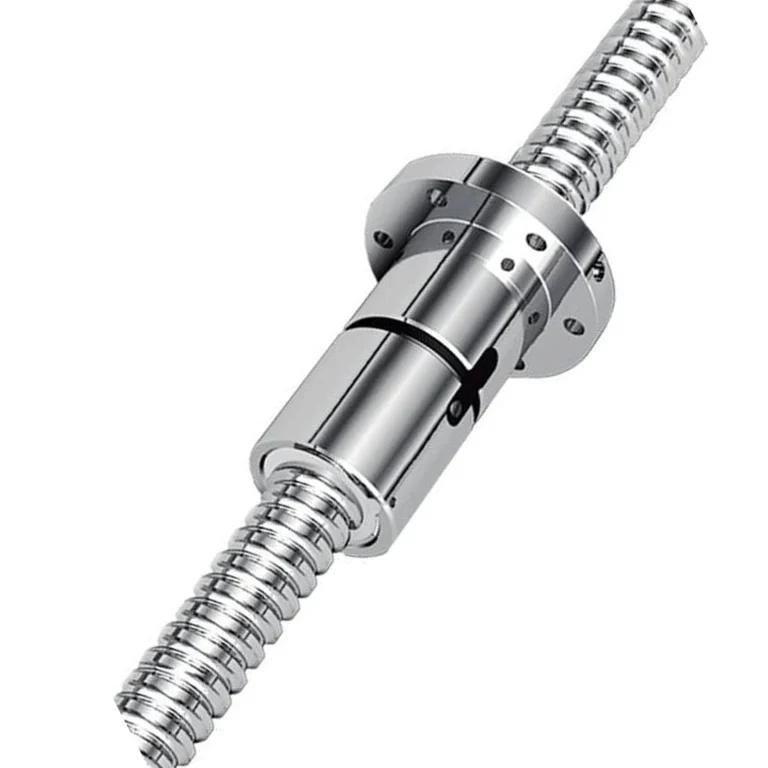
Learn how T-type (trapezoidal) lead screws convert rotary motion, when self-locking may occur, and how lead angle, friction, lubrication, efficiency, wear, backlash and load-holding trade-offs affect actuator selection.

Learn what static self-locking or holding force means in linear actuators, what can resist back-driving, and how screw geometry, gearing, brakes, load, lubrication, wear and temperature affect selection.

Entdecken Sie, wie fortschrittliche Anti-Kollisionssysteme und Gyroskop-Sensoren die Sicherheit am Arbeitsplatz revolutionieren. Dieser Leitfaden untersucht die technische Logik hinter ActuLift’s IPC1 und IPC2 Controllern und beschreibt, wie die Echtzeiterkennung von Hindernissen und die Stabilitätsüberwachung Benutzer und Geräte in modernen ergonomischen Umgebungen schützen.

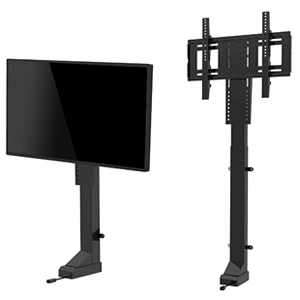
Plan a concealed TV-lift installation by cabinet geometry, screen/bracket load, stroke, retracted and extended dimensions, clearances, controls, cable routing, power, noise target, protection and documentation. IPTV is used as a configuration example; confirm commercial specifications on the product page.

Kämpfen Sie mit einem mahlenden, klickenden oder summenden Linearaktuator? Erfahren Sie die 4 häufigsten Ursachen für Aktuatorgesäusche – von Seitenlastung bis hin zu mangelnder Schmierung – und entdecken Sie professionelle Tipps, um ruhige, sanfte und zuverlässige Bewegungen in Ihren automatisierten Systemen wiederherzustellen.