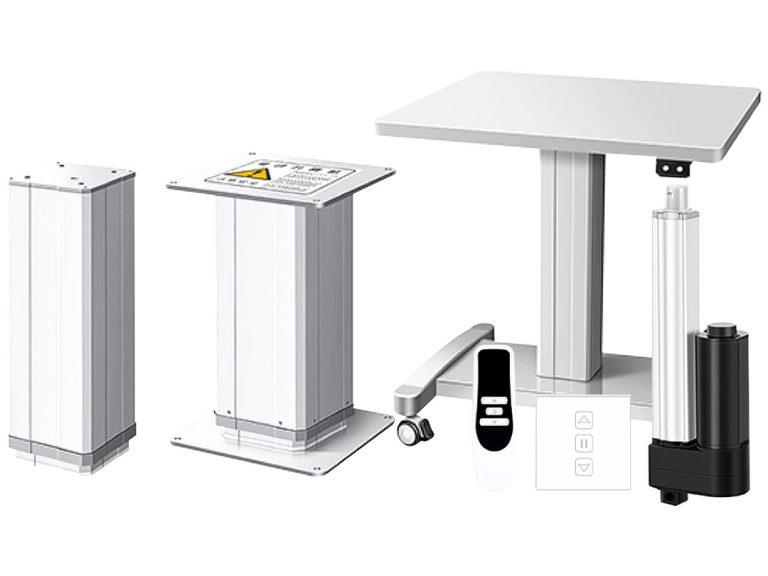
Confused by duty cycle ratings? Learn exactly what "10% duty cycle" means for your linear actuator, how to calculate ON/OFF times, and professional tips to prevent motor overheating and extend equipment life.
Actuator duty cycle describes how long an actuator can run within a fixed time period before it needs to rest. For example, a 10% duty cycle often means the actuator can operate for 2 minutes and then rest for 18 minutes in a 20-minute cycle. Choosing the wrong duty cycle can cause overheating, unstable performance, or reduced service life.
Table of Contents
What Is Duty Cycle in Linear Actuators?
Duty cycle is the percentage of time an actuator’s motor can operate within a given period without overheating. It’s typically expressed as a ratio of “on” time to total cycle time, calculated over a standard 10-minute interval.
Think of it like a sprinter running on a treadmill. Even the fastest runners can’t sprint continuously—they need rest periods to recover. Electric motors work the same way. When a motor runs, it generates heat. The duty cycle tells you how long the motor can work before it needs to cool down.
The Math Behind Duty Cycle
Let’s say you see “10% (2 Min ON / 18 Min OFF)” on an actuator specification. Here’s what that means:
This means the motor can operate for 2 minutes, then must rest for at least 18 minutes before running again. Exceeding this limit causes heat to accumulate, eventually leading to motor damage or failure.
Why Duty Cycle Matters: Preventing Motor Overheating
The primary reason duty cycle exists is thermal management. Electric motors generate heat through electrical resistance in their windings. This heat must be dissipated during the “off” periods. When actuators run beyond their duty cycle, several problems occur:
1. Thermal Runaway
As motor temperature rises, electrical resistance in the windings increases. This causes more heat generation, which increases resistance further—a dangerous feedback loop that can destroy the motor within minutes.
2. Insulation Failure
Motor windings are insulated with materials that have temperature limits. When these limits are exceeded, the insulation breaks down, causing short circuits and immediate motor failure.
3. Bearing Damage
Excessive heat transfers to motor bearings and gearing, causing lubricant breakdown and accelerated wear.
4. Reduced Lifespan
Even sub-critical overheating shortens motor life significantly. Every 10°C (18°F) increase above rated temperature can halve motor lifespan.
Common Duty Cycle Ratings Explained
Linear actuators typically come with several duty cycle ratings:
Duty Cycle
On Time
Off Time
Best For
10%
2 min
18 min
Infrequent use, light loads
25%
2.5 min
7.5 min
Intermittent operation
50%
5 min
5 min
Moderate continuous use
100%
Continuous
None
Continuous operation
For most consumer and light industrial applications, a 10% to 25% duty cycle actuator provides adequate performance. However, applications requiring continuous operation need actuators rated for 50% or higher.
How to Choose the Right Duty Cycle for Your Application
Selecting the correct duty cycle involves understanding your specific use case. Ask yourself:
Questions to Consider
How long does each actuation cycle last? If you’re adjusting a sit-stand desk, the motor might run for only 10-15 seconds at a time. Even with rest periods between adjustments, a 10% duty cycle actuator often suffices.
How frequently will the actuator operate? An actuator that adjusts once per day has very different requirements than one cycling every few minutes.
What’s the load? Heavier loads generate more heat. Under high thrust conditions, you may need a higher duty cycle rating.
Is there ambient cooling? Good ventilation helps dissipate heat. Enclosed spaces may require actuators with higher duty ratings.
Application Examples
Sit-Stand Desks: Typically 10-15 second adjustments, 10-20 times daily → 10% duty cycle sufficient
Industrial Door Operators: 30-second to 2-minute cycles, frequent operation → 25-50% duty cycle recommended
Medical Equipment: Often requires continuous or near-continuous operation → 50-100% duty cycle necessary
At ActuLift, we understand that our customers need reliable performance even in challenging environments. That’s why our linear actuators are engineered with durability as a primary design consideration.
Premium Thermal Management
Our motors feature high-grade copper windings with optimized slot designs that maximize thermal conductivity. This allows more efficient heat dissipation, helping actuators perform reliably even approaching their duty cycle limits.
Quality Bearings and Gearing
We use precision-engineered bearings and gears rated for continuous duty, reducing friction-related heat generation. This extends not just operational life but also ensures smoother, quieter operation.
Rigorous Testing
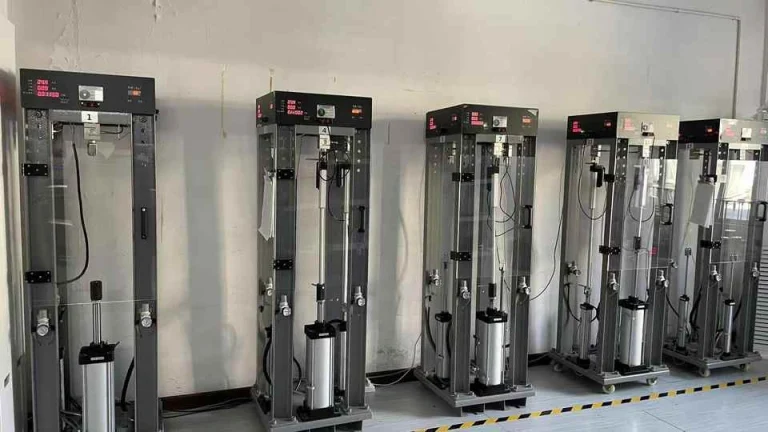
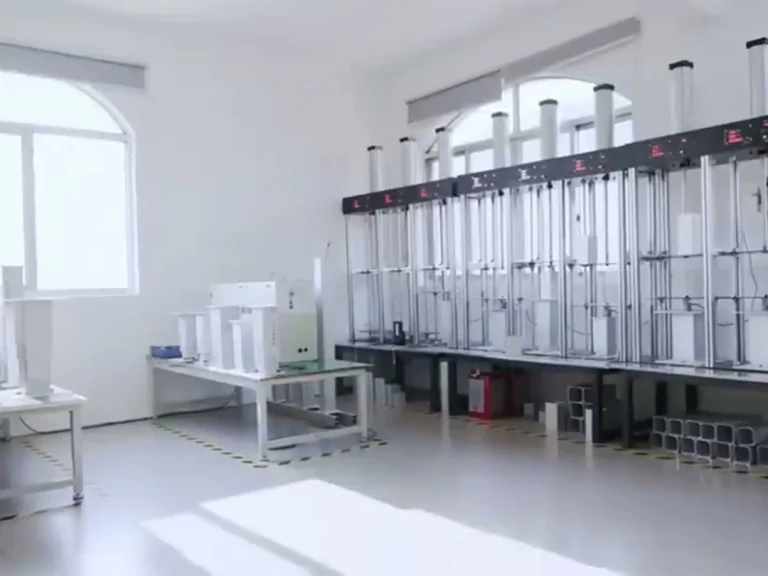
Every ActuLift actuator undergoes thermal cycling tests to verify performance under realistic conditions. We test beyond rated specifications to ensure safety margins in real-world applications.
Extended Duty Cycle Options
For applications requiring more demanding operation, we offer Heavy Duty Linear Actuators with enhanced duty cycle ratings. These models feature reinforced construction and advanced cooling for continuous or near-continuous operation.
Tips for Maximizing Actuator Life
Regardless of your actuator’s duty cycle rating, these practices help extend its lifespan:
1. Stay Within Rated Specifications
This seems obvious, but exceeding duty cycle limits is the most common cause of premature motor failure. When in doubt, choose an actuator with a higher duty rating than your application requires.
2. Allow Adequate Cooling Time
After extended operation, let the actuator rest before the next cycle. This is especially important in high-temperature environments.
3. Monitor Load Conditions
Running an actuator near its maximum force rating generates excessive heat. When possible, size your actuator for 50-70% of its maximum load rating.
4. Ensure Proper Voltage
Undervoltage causes motors to draw more current to produce the same output, generating excess heat. Use the recommended voltage and ensure adequate power supply capacity.
5. Maintain Proper Mounting
Misaligned mounting creates additional mechanical stress and friction, generating heat. Ensure actuators are properly aligned with their load path.
Can I run a 10% duty cycle actuator for 5 minutes straight if I rest it for 45 minutes?
No. Duty cycles are typically calculated over a 10 or 20-minute interval. Running a 10% rated motor for 5 minutes exceeds its thermal capacity and will likely cause permanent damage before the “rest period” even begins.
Does the load weight affect the duty cycle?
Yes. Operating an actuator at its maximum rated force generates heat faster. If your application is high-load, it is safer to use an actuator with a higher duty cycle or a higher force rating than required.
What happens if the actuator gets too hot?
Most high-quality actuators like ActuLift models feature thermal protection, but repeated overheating leads to insulation breakdown, grease degradation, and shortened motor lifespan
Making the Right Choice
Understanding duty cycle is essential for selecting the right linear actuator and ensuring reliable, long-lasting performance. By matching your actuator’s duty cycle rating to your application’s requirements, you prevent overheating damage and maximize return on your equipment investment.
At ActuLift, we’re committed to helping you find the perfect actuator for your needs. Our range of Linear Actuators includes options for every application, from light-duty consumer products to heavy-duty industrial systems.
Need help selecting the right actuator? Our technical team can help you choose the ideal model based on your specific requirements, including duty cycle, force, speed, and environmental conditions.
Selecting the right electric linear actuator or lifting column is critical for your project's performance. As a professional Motion Control & Automation Manufacturer, our engineers help you customize load capacity, stroke length, and IP ratings based on your specific application. Share your technical requirements for a tailored solution.
ActuLift supports end-to-end customization, from structural design and stroke parameters to branding and casing finishes, helping you build a powerful brand identity.
Rapid Response & Prototyping
We understand the importance of speed in B2B procurement, utilizing optimized production workflows to ensure efficient responses from sample development to bulk delivery.
Stable Quality & Traceability
With ISO9001 quality assurance, every product—from material entry to final factory testing—is recorded in our electronic logs, ensuring high consistency in delivered goods.