

Learn how actuator self-locking force helps resist backdriving in vertical lifting systems—and what OEM engineers must check beyond dynamic load capacity.

Actuator duty cycle explained: calculate ON/OFF time, understand why the reference interval is product-specific, and account for load, ambient conditions and thermal limits.

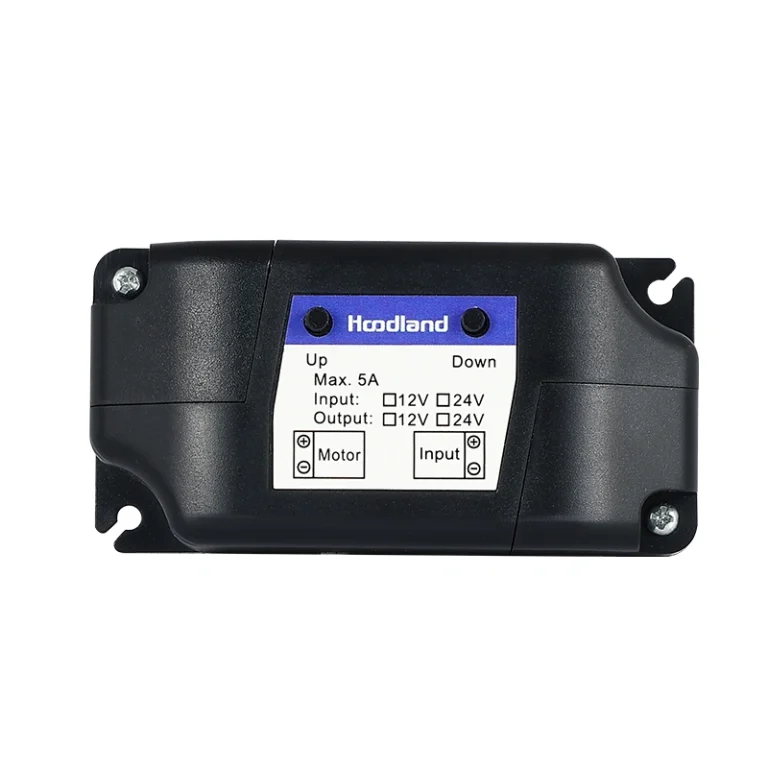
Learn how XB current limit protection safeguards linear actuators from motor stalls and wiring faults. This guide covers the mechanics of instant overcurrent disconnection, the benefits of reverse power recovery, and how this integrated PCB-level safety feature extends equipment life in harsh industrial environments.

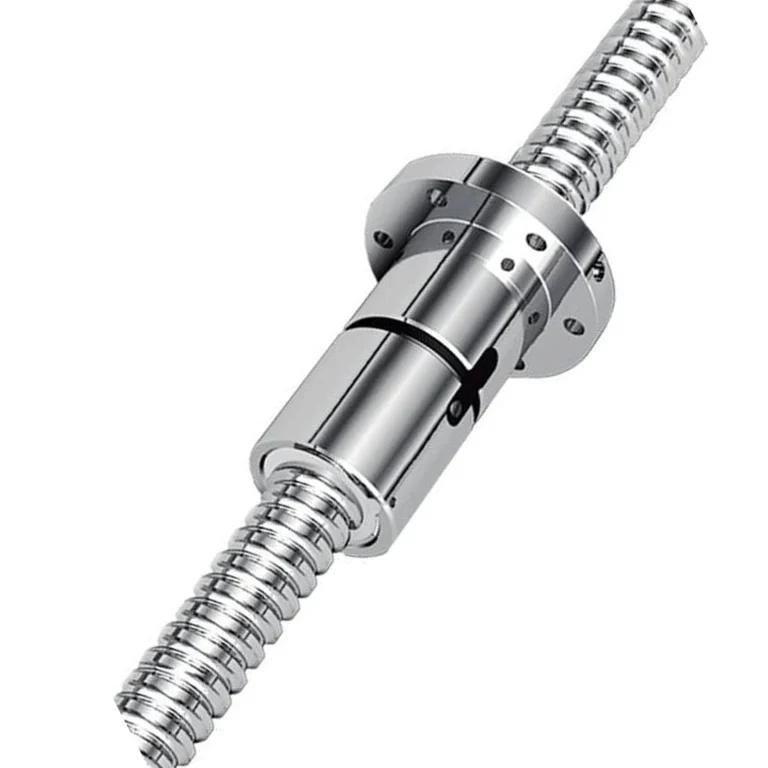
Learn how T-type (trapezoidal) lead screws convert rotary motion, when self-locking may occur, and how lead angle, friction, lubrication, efficiency, wear, backlash and load-holding trade-offs affect actuator selection.

Learn what static self-locking or holding force means in linear actuators, what can resist back-driving, and how screw geometry, gearing, brakes, load, lubrication, wear and temperature affect selection.

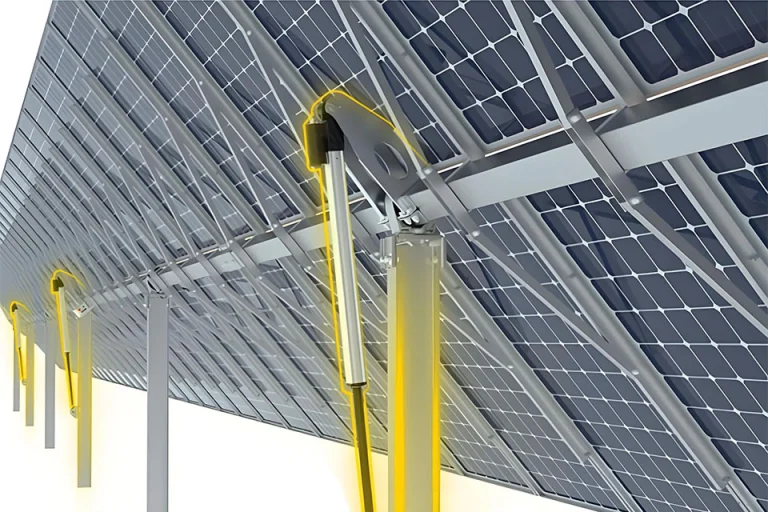
Learn how high static holding force in linear actuators, specifically the IP1200 series, protects solar tracking systems from structural damage caused by high wind loads. Discover the technical requirements for ensuring reliability and maximizing ROI in utility-scale solar farms.

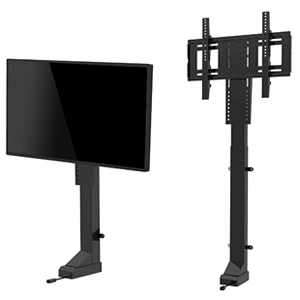
Plan a concealed TV-lift installation by cabinet geometry, screen/bracket load, stroke, retracted and extended dimensions, clearances, controls, cable routing, power, noise target, protection and documentation. IPTV is used as a configuration example; confirm commercial specifications on the product page.