Linear Actuators for Solar Trackers: Wind Load & Holding Validation
Learn how high static holding force in linear actuators, specifically the IP1200 series, protects solar tracking systems from structural damage caused by high wind loads. Discover the technical requirements for ensuring reliability and maximizing ROI in utility-scale solar farms.
Evaluate linear actuators for solar trackers by moving load, static holding, back-driving, wind/stow conditions, feedback, environment and configuration-specific evidence.
Table of Contents
Why Solar Tracking Matters in Modern Renewable Energy
Solar energy has become one of the most viable alternatives to fossil fuels, and solar power plants are being deployed on a large scale worldwide. Solar tracking can change energy capture relative to a fixed-tilt design, but the actual yield difference depends on site latitude, tracker geometry, controls, stow strategy, irradiance, shading, availability and the project baseline. Do not assign a universal percentage gain to the actuator itself.
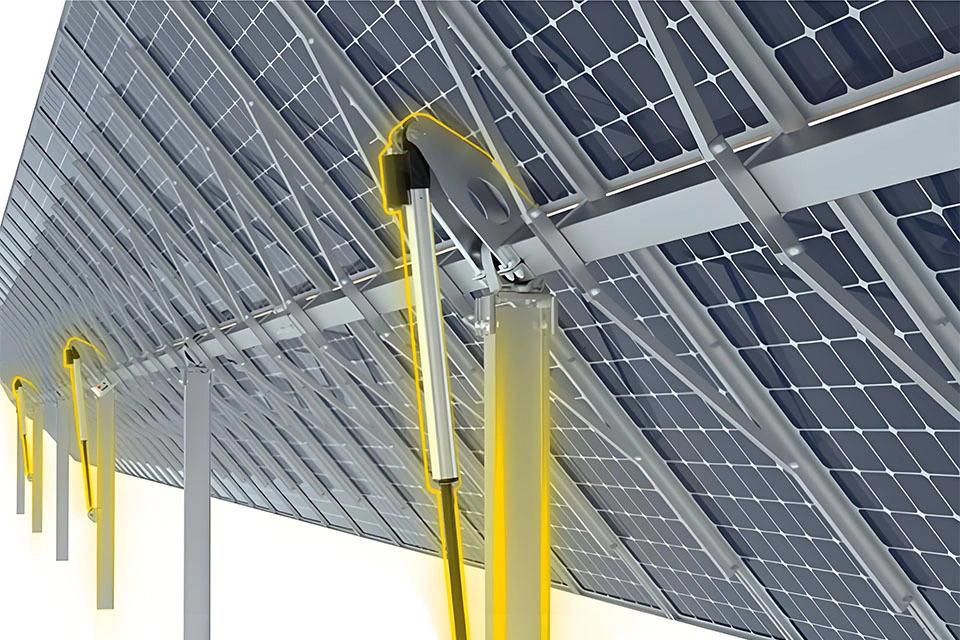
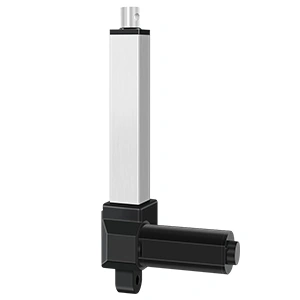
At the heart of every reliable solar tracking system lies the linear actuator—the electromechanical device that converts rotational motion into linear movement to adjust the angle of solar panels throughout the day. Choosing the right linear actuator for solar tracker applications is critical, particularly when these systems must withstand challenging outdoor environments.
The Critical Challenge: Wind Loads and Structural Demands
Solar tracking systems operate in some of the most demanding environmental conditions. Unlike fixed solar installations, tracking systems have moving parts that must maintain precise positioning while enduring constant exposure to the elements. Among these challenges, wind load represents the most significant structural threat to solar tracker performance and longevity.
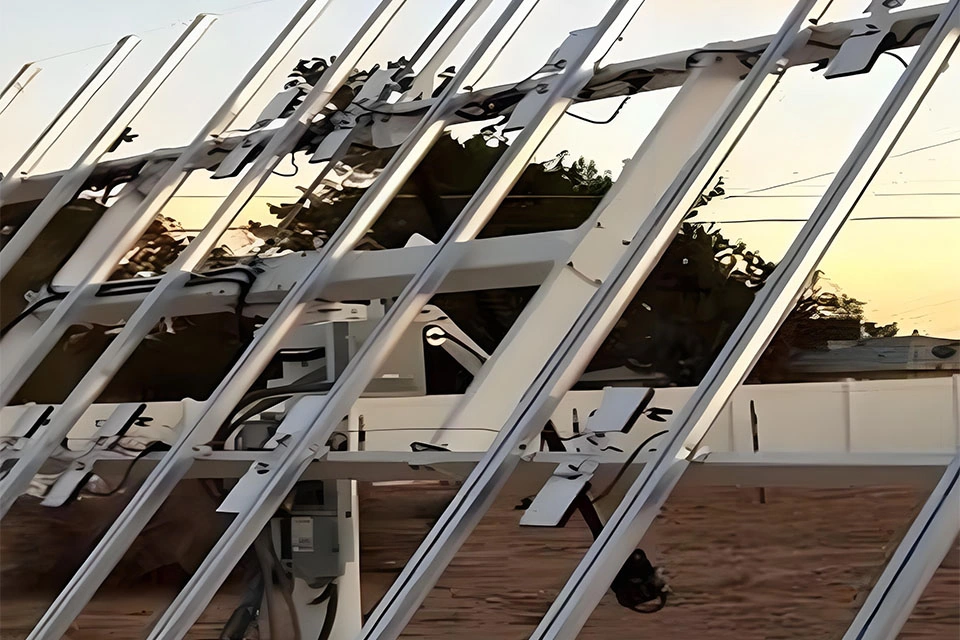
When strong winds strike a solar array, they create substantial forces that push against the panel surface. Wind load on a tracker must be calculated from the site wind conditions, array geometry, structural coefficients, stow position and load path; a generic force figure should not be used for actuator selection. Without adequate holding capacity, the tracking system may experience:
Unintended panel movement that reduces energy production
Mechanical wear from constant oscillation under wind stress
Premature component failure leading to costly downtime
Safety hazards from structural instability
Static holding or back-driving behavior is one important actuator requirement, but it must be reviewed together with moving load, linkage geometry, structural deflection, stow strategy, brake/holding architecture and the allowable load cases of the complete tracker.
The Solution: High Static Holding Force Linear Actuators
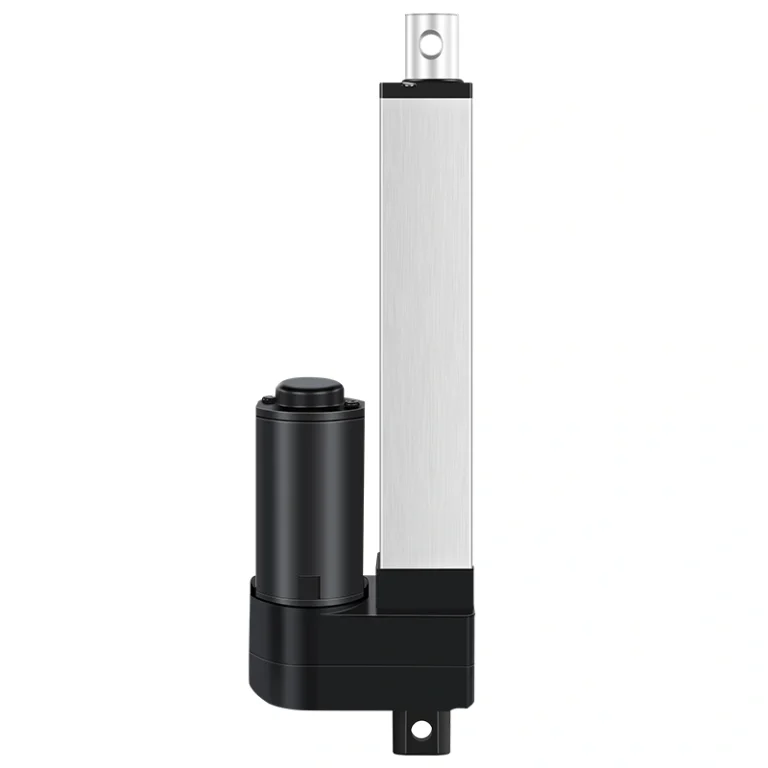
For solar-tracker projects, IP1200 can be evaluated as a configurable higher-load OEM actuator candidate. Final suitability depends on the selected build, tracker geometry, wind/stow load cases, holding behavior, controls, environment and supporting test documentation.
Why High Static Holding Force Matters
For an IP1200 solar-tracker project, define the required moving load, static holding/back-driving condition, stroke, speed, duty cycle, mounting geometry, controller and wind/stow load cases first. Then confirm the selected actuator configuration against those requirements.
When wind acts on the array, the actuator and linkage become part of the structural load path. Validate the selected IP1200 configuration for the actual mechanism rather than assuming a generic wind-speed capability:
Wind load: convert the project wind case into actuator force and structural reactions for the actual tracker geometry
Positioning: measure panel-angle error on the complete tracker under representative load, temperature and wind conditions
Lifecycle: define cycle, load, stow events, environment and acceptance criteria before evaluating durability
Maintenance: model inspection, access, spares, replacement time and field conditions instead of assuming lower cost from the actuator family alone
Technical Advantages for Outdoor Solar Applications
Beyond static holding force, the IP1200 heavy-duty linear actuator offers additional specifications critical for solar tracking deployments:
Environmental Protection: Define the site’s dust, rain, condensation, temperature, UV, corrosion, cable and connector exposure. Request current configuration-specific ingress-protection evidence; do not assume IP66 or a higher rating applies to every IP1200 or IP800 build.
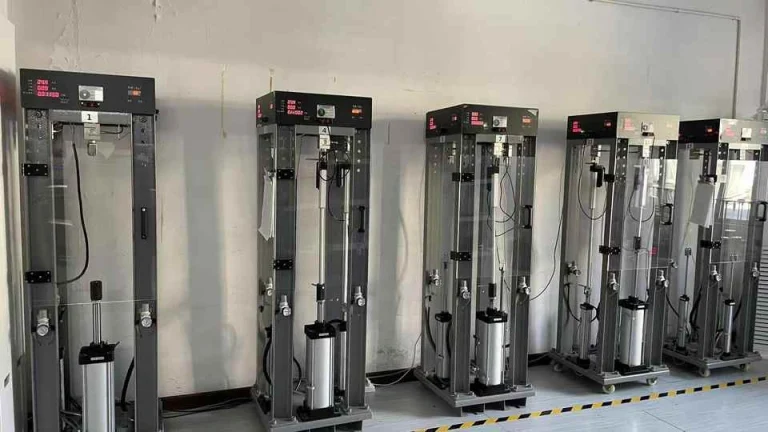
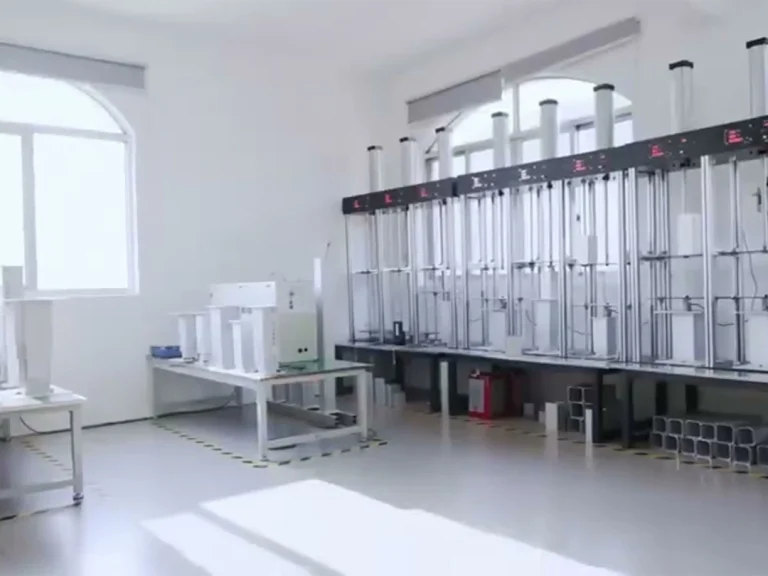
Durability: For IP800, IP1200 or any other candidate, define the required lifecycle, load, stroke, speed, duty cycle and environment, then request applicable test evidence. Do not infer a fixed lifecycle figure or lower maintenance cost without a configuration-specific validation record.
Positioning and Feedback: Tracker accuracy is a system result. Confirm actuator feedback, controller resolution, linkage geometry, backlash, calibration and structural deflection, then measure the actual panel angle under representative conditions. Do not treat an actuator-family description as a universal 0.1° tracker-accuracy specification.
Application Considerations for Solar Tracker Integration
When selecting linear actuators for solar tracking systems, engineering teams should evaluate several key factors beyond basic force specifications:
System Architecture
Single-axis vs. dual-axis tracking: Dual-axis systems require more actuators but offer greater energy yield
Array size: Larger installations benefit from actuators with higher holding force ratings
Mounting orientation: Landscape and portrait configurations create different load profiles
Environmental Factors
Wind zone classification: Determine maximum expected wind speeds for the installation site
Temperature range: Ensure actuator performance across seasonal temperature extremes
UV exposure: Select actuators with UV-resistant materials for long-term outdoor use
Integration Requirements
Power supply compatibility: Verify voltage requirements match available infrastructure
Control interface: Ensure integration with SCADA systems or smart tracking controllers
Mounting provisions: Confirm mechanical compatibility with tracker frame designs
For manufacturers developing solar tracking solutions, partnering with an experienced actuator supplier early in the design process can streamline integration and optimize system performance.
What is the difference between dynamic load and static holding force in solar trackers?
Dynamic load describes the force required while the mechanism is moving. Static holding or back-driving behavior describes the stationary condition. Both must be confirmed for the selected actuator and actual tracker geometry, orientation, duty cycle and safety factor.
How should ingress protection be selected for a solar-tracker actuator?
Start from the site exposure, mounting orientation, cable and connector arrangement, cleaning method and enclosure interfaces. Then request configuration-specific IP evidence. There is no universal rule that every solar-tracker actuator must be IP66.
How can an actuator affect solar-tracker project economics?
An actuator can influence tracking availability, maintenance, stow behavior and positioning, but energy yield and ROI are system-level outcomes. Compare a defined baseline using the same site, controls, weather period and availability assumptions rather than assigning a fixed percentage gain to the actuator.
Conclusion: Investing in Reliability
As solar energy continues to expand globally, the demand for reliable, high-performance tracking systems will only increase. The choice of linear actuator for solar tracker applications directly impacts system reliability, energy yield, and long-term profitability.
For wind-loaded solar-tracker applications, compare candidate heavy-duty actuators using the project’s moving load, static holding/back-driving requirement, stroke, speed, duty cycle, controls, environmental exposure, stow strategy and configuration-specific evidence. IP1200 is one candidate to validate, not a universal solution.
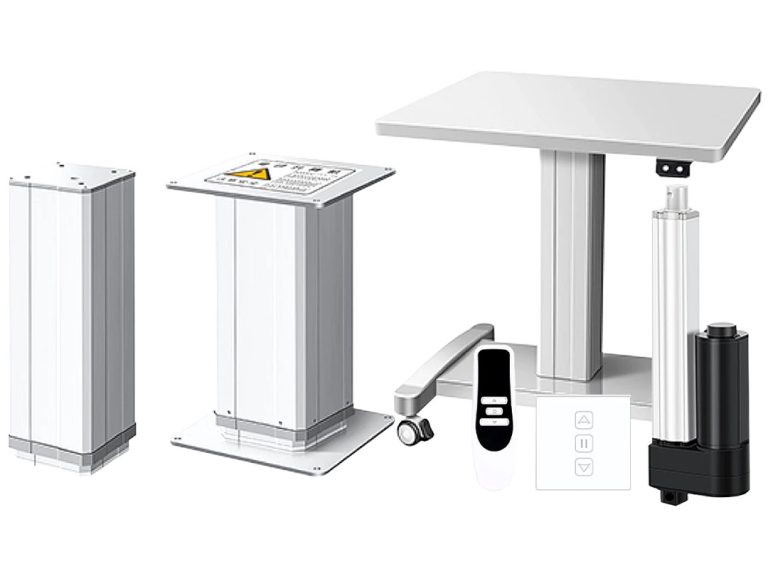
Selecting the right electric linear actuator or lifting column is critical for your project's performance. As a professional Motion Control & Automation Manufacturer, our engineers help you customize load capacity, stroke length, and IP ratings based on your specific application. Share your technical requirements for a tailored solution.
ActuLift supports end-to-end customization, from structural design and stroke parameters to branding and casing finishes, helping you build a powerful brand identity.
Rapid Response & Prototyping
We understand the importance of speed in B2B procurement, utilizing optimized production workflows to ensure efficient responses from sample development to bulk delivery.
Quality Documentation & Traceability
Quality and traceability requirements vary by project. Ask ActuLift for the applicable inspection records, product specifications, drawings and available compliance documentation for the selected model and order.