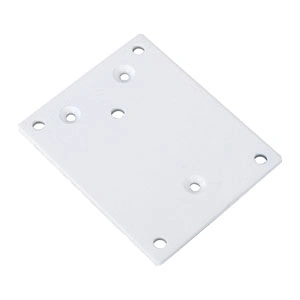
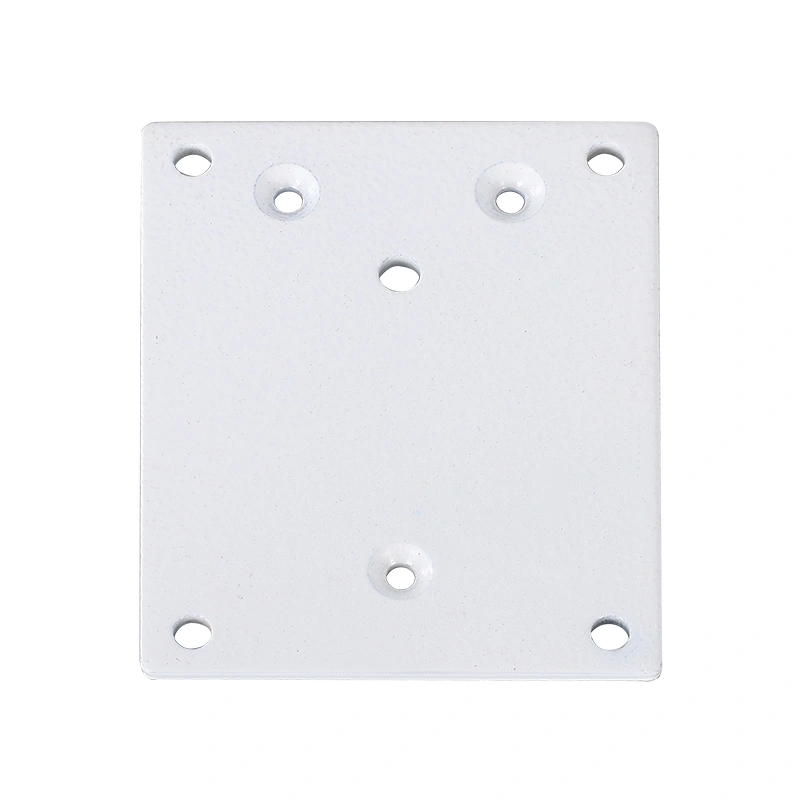
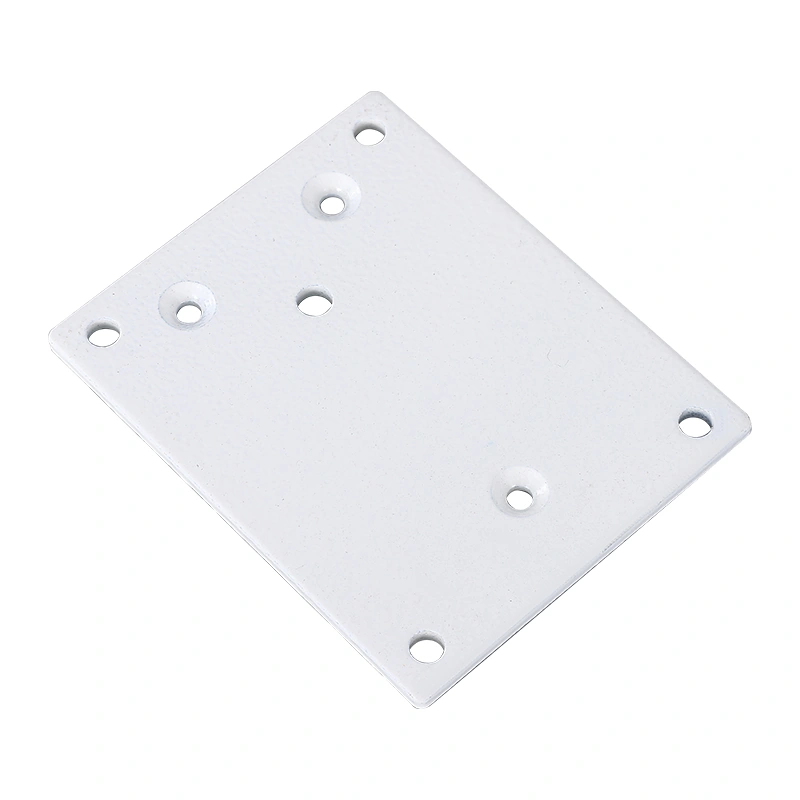
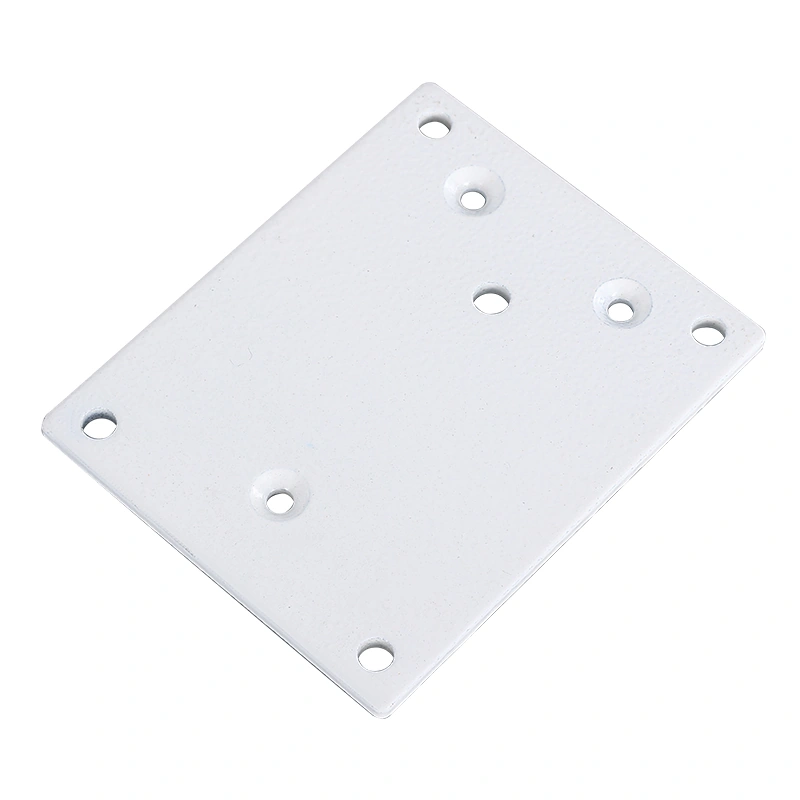
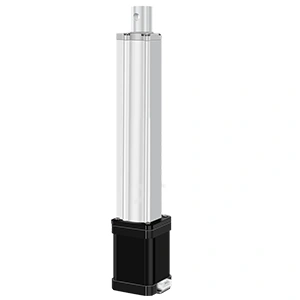
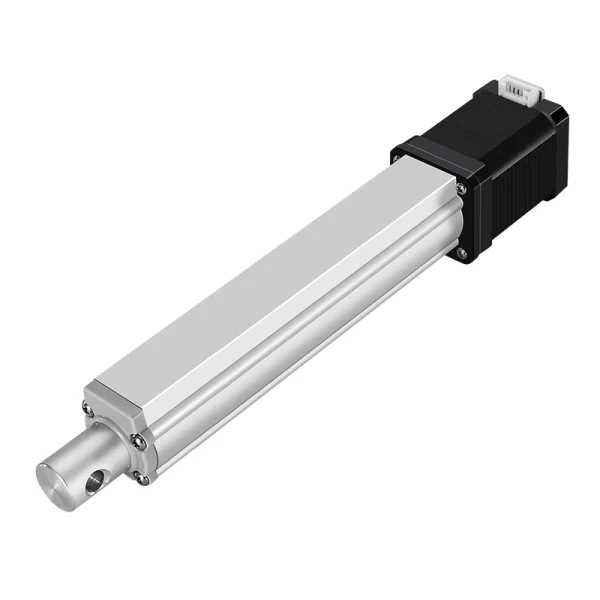
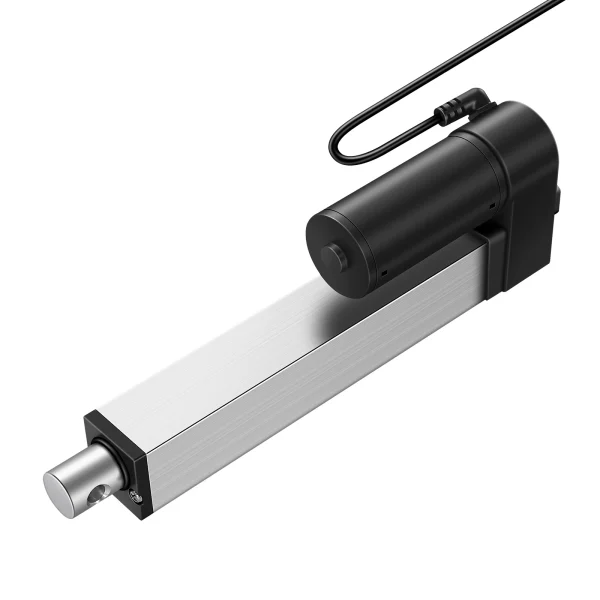
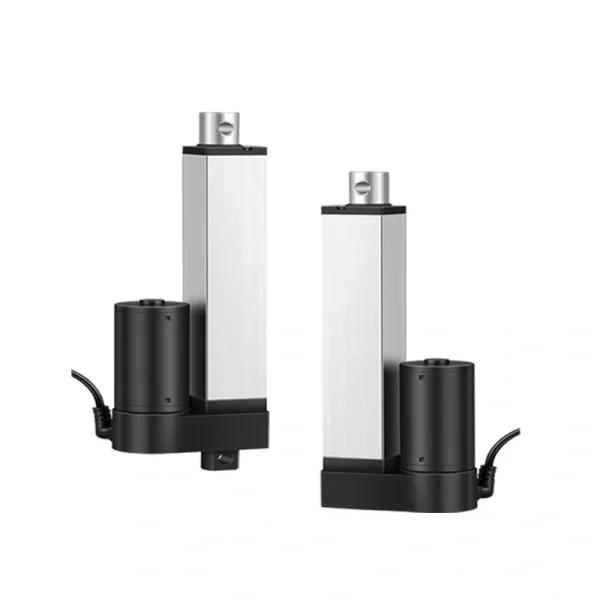
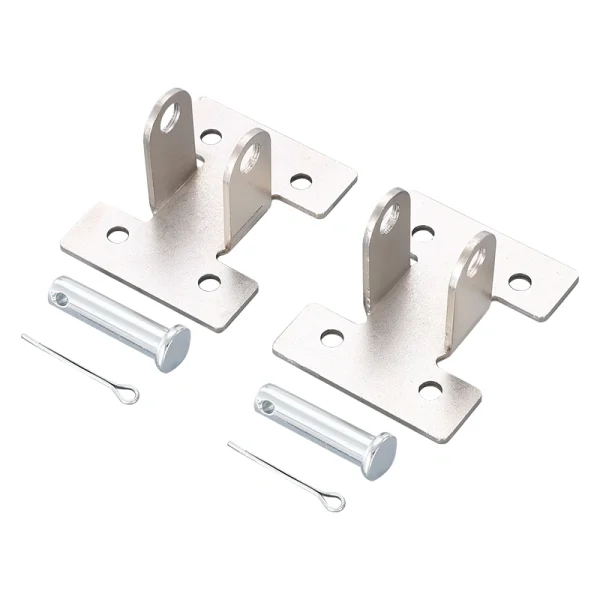
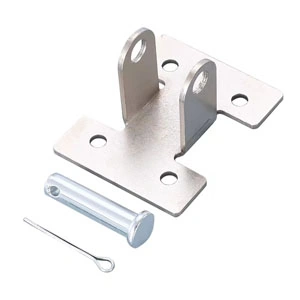
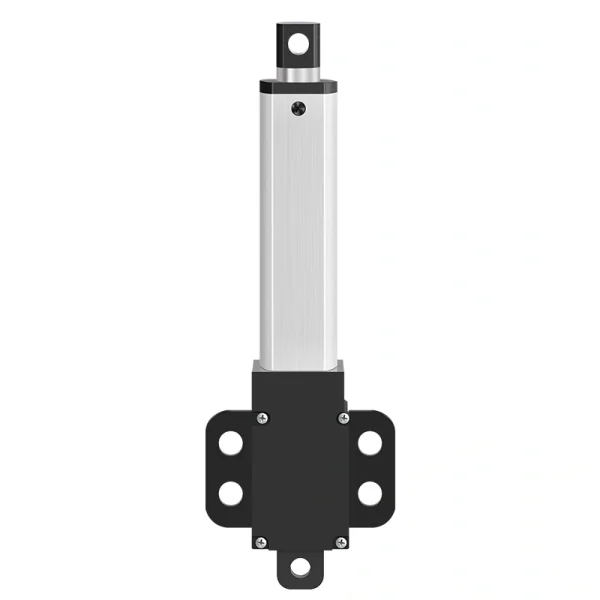
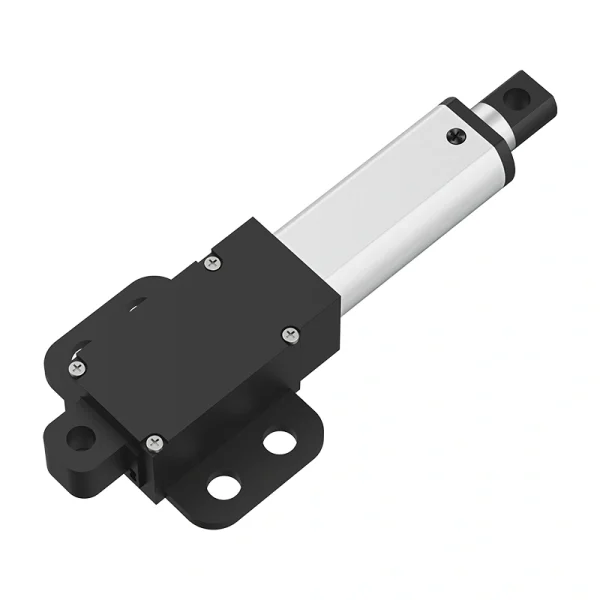
Push Rod Flat Base actuator bracket for OEM mounting builds
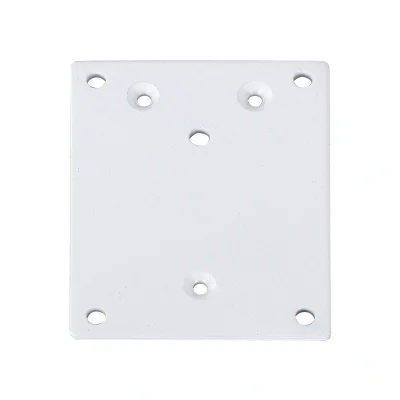
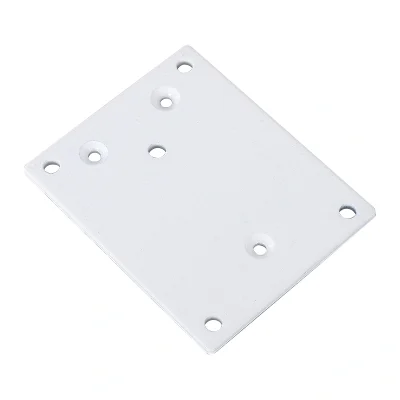
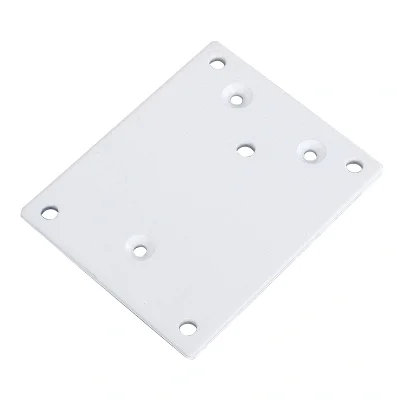
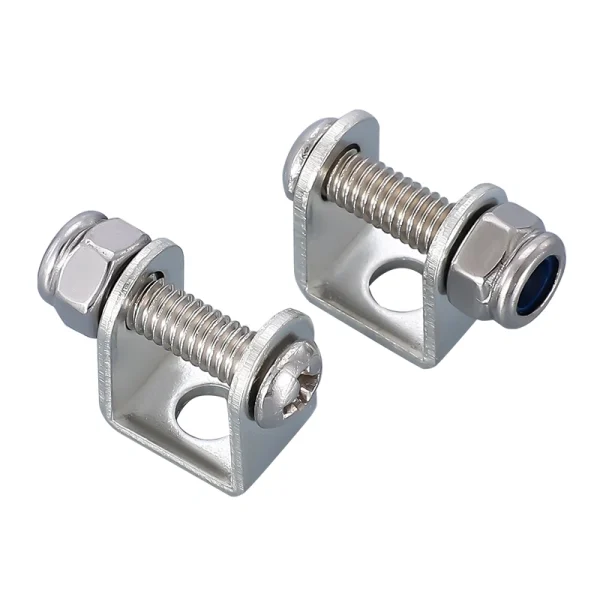
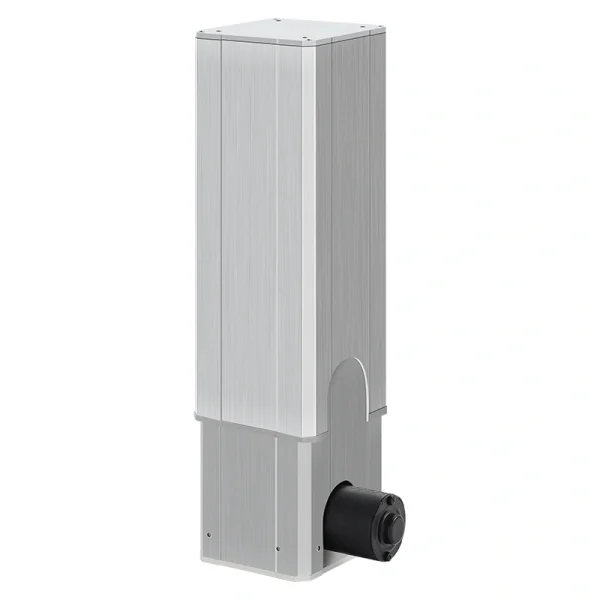
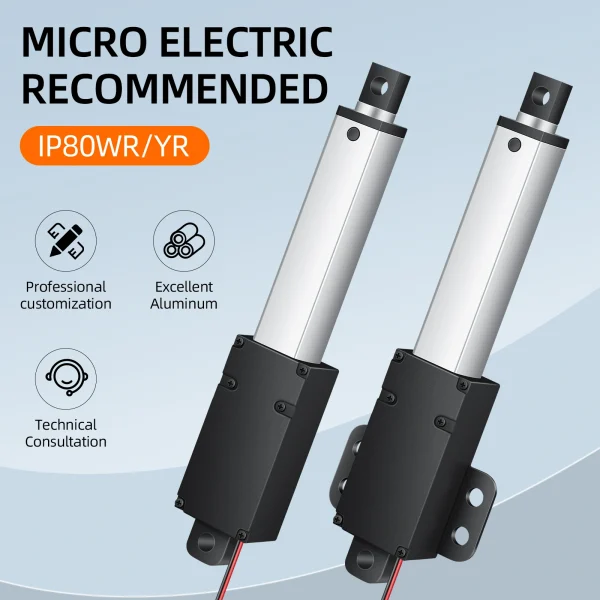
The Push Rod Flat Base Actuator Bracket is a formed carbon steel mounting accessory for electric linear actuator assemblies. It gives the base of a compatible push rod actuator a flat, reinforced mounting surface, which helps equipment builders fasten the actuator to a frame, bracket rail, furniture structure, or machine plate without redesigning the whole mounting area.
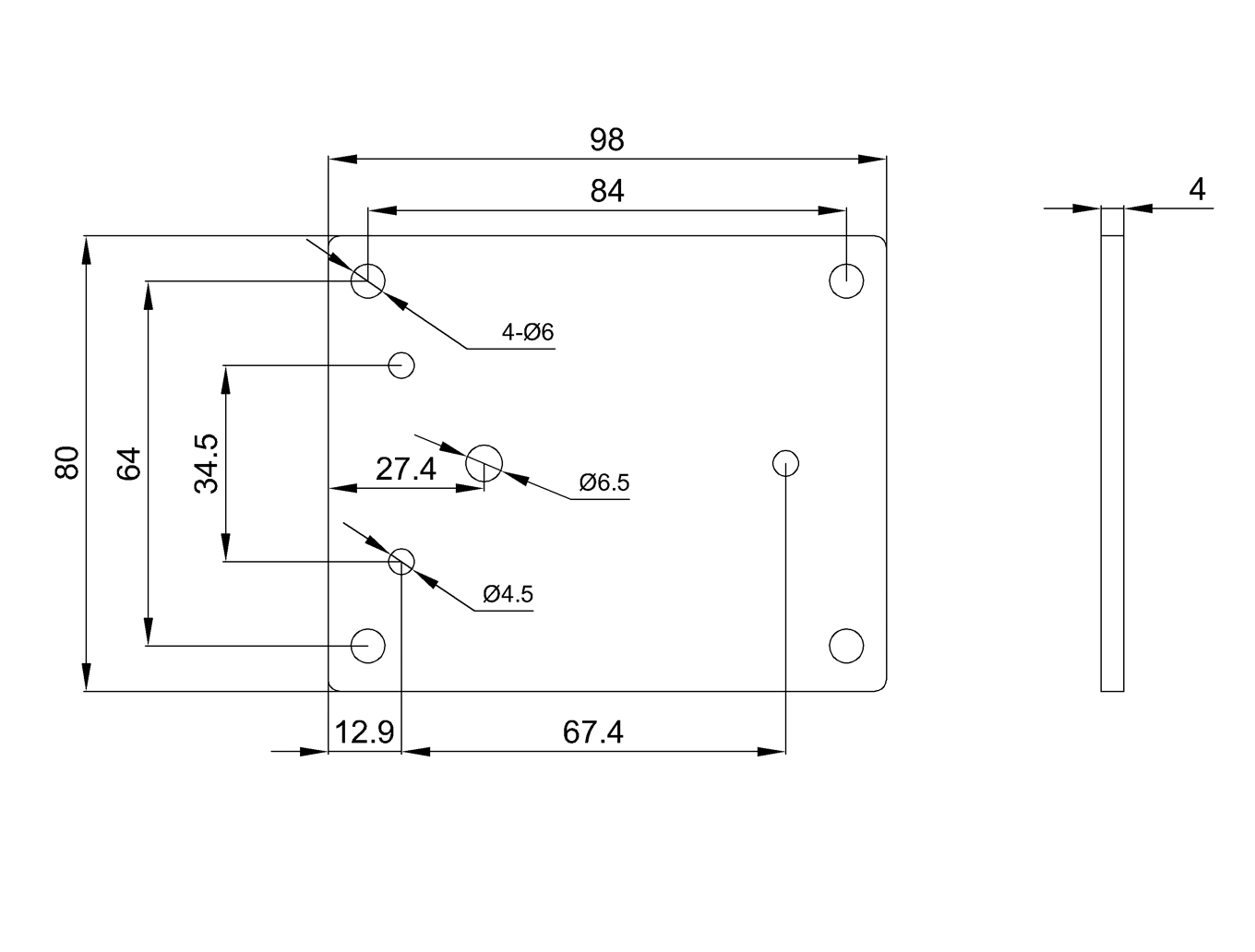
For B2B buyers, the main value is simple: the bracket turns a compatible actuator into an easier-to-place mechanical part. Your engineering team can check the 98 mm length, 84 mm hole distance, and 4 x Ø6 mm mounting pattern against the frame drawing before the purchase order moves forward. That is usually where small mounting parts either save time or slow the project down.
This bracket is made from formed carbon steel with a 4 mm reinforced cold-rolled carbon steel gauge, listed as ASTM A36 equivalent. It is available in black powder coat or zinc plating. The product supports ActuLift actuator projects using IP1200, IP3000, IP800, IP40, and IP42 series compatibility options. For teams sourcing brackets and mountings together with actuators, it fits naturally into a full actuator bill of materials.
Product specifications
| Specification | Details |
|---|
| Product name | Push Rod Flat Base Actuator Bracket |
| Material composition | Formed Carbon Steel |
| Structural gauge | 4 mm Reinforced Cold-Rolled Carbon Steel (ASTM A36 equivalent) |
| Mounting hole pattern | 4 x Ø6 mm (84 mm Distance) |
| Total length | 98 mm |
| Surface finish | Black Powder Coat / Zinc Plating |
| Load support | Compatible with IP3000 High Load Series |
| Compatibility | IP1200, IP800, IP40, IP42 Series |
| Additional compatibility note | Local catalog also references IP3000X, IP3000L, and IP3000H under the IP3000 high-load/special series |
| Certifications | ISO 9001 Manufactured |
| Variation attribute 1 | Surface Finish: Black Powder Coat / Zinc Plating |
| Variation attribute 2 | Compatibility: IP1200 / IP3000 / IP800 / IP40 / IP42 |
| Variation attribute 3 | OEM Customization (Optional): Standard / with Hall Sensors |
Finish, compatibility, and OEM options
Choose the black powder coat finish when the bracket needs a clean black appearance, especially in visible equipment, furniture mechanisms, lift systems, and actuator assemblies where the bracket sits near a black actuator body. Choose zinc plating when your project needs a plated hardware look or a finish that matches common machine fasteners and general industrial mounting parts.
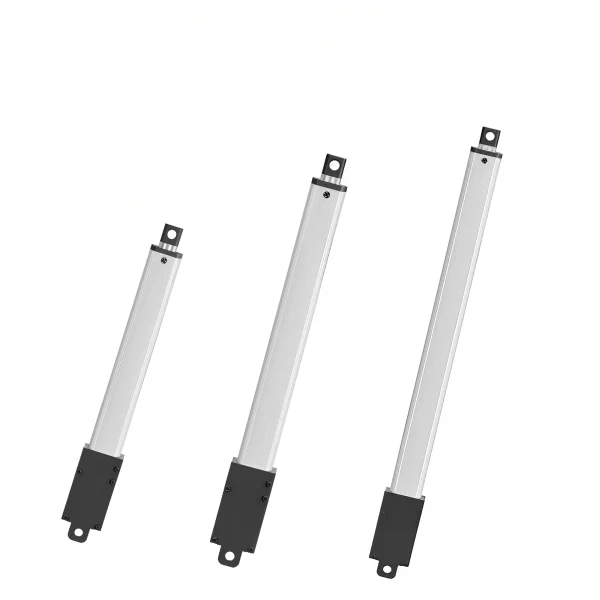
Compatibility should be selected by actuator series, not by guesswork. The bracket is offered for IP1200, IP3000, IP800, IP40, and IP42 projects. If you are building around heavy duty linear actuators, the IP3000 compatibility option is the important one to confirm early. The bracket is listed as compatible with the IP3000 high-load series, but the exact actuator model, stroke, load direction, and mounting position still matter.
The optional “with Hall Sensors” selection should be treated as an OEM system option. The bracket is a mechanical base. Hall sensors belong to the actuator or motion-control package. If your project needs position feedback, synchronized movement, or controller-based travel logic, pair the bracket discussion with actuators with feedback/controller and the right control boxes and controllers.
What buyers should confirm before ordering
Start with the drawing. The bracket has a 98 mm total length and a 4 x Ø6 mm mounting hole pattern with 84 mm distance. If your frame already has fixed holes, confirm the bracket drawing before ordering samples. A few millimeters can matter more than the material spec once the part reaches assembly.
Next, check the load path. A flat base bracket can support the actuator only when the actuator series, mounting surface, fasteners, and motion direction make sense as a system. For high-load IP3000 projects, confirm how the force moves through the bracket and into the equipment frame. The bracket should not become a workaround for side loading, poor alignment, or an undersized frame plate.
Then check the actuator package. If you are sourcing 12V linear actuators or 24V linear actuators, the bracket still needs to match the mechanical series and mounting style. Voltage alone does not determine bracket fit. The practical order path is actuator model first, bracket compatibility second, finish and OEM options third.
Procurement notes for wholesale and OEM buyers
This is a small part, but it sits in a place where mistakes are expensive. A bracket that looks almost right can still cause rework if the hole spacing, plate thickness, actuator base shape, or finish does not match the build. For sample orders, ask for the matching actuator series, bracket drawing, finish choice, and any Hall feedback requirement in the same quotation thread.
For bulk orders, keep the variation names clean in the purchasing file:
| Attribute | Values |
|---|
| Surface Finish | Black Powder Coat / Zinc Plating |
| Compatibility | IP1200 / IP3000 / IP800 / IP40 / IP42 |
| OEM Customization (Optional) | Standard / with Hall Sensors |
That structure helps the supplier quote the bracket as part of a complete actuator set instead of treating it as an isolated metal part. It also gives your assembly team clearer receiving notes when brackets, actuators, controllers, and cables arrive together.
Why this product works well
The Push Rod Flat Base Actuator Bracket works well for OEM buyers who need a compact steel base with clear dimensions, finish options, and defined actuator compatibility. Its 4 mm formed carbon steel structure, 98 mm length, and 4 x Ø6 mm hole pattern make it easy to check against drawings before sample approval or bulk actuator accessory sourcing.
Internal links used
- brackets and mountings
- heavy duty linear actuators
- actuators with feedback/controller
- control boxes and controllers
- 12V linear actuators
- 24V linear actuators