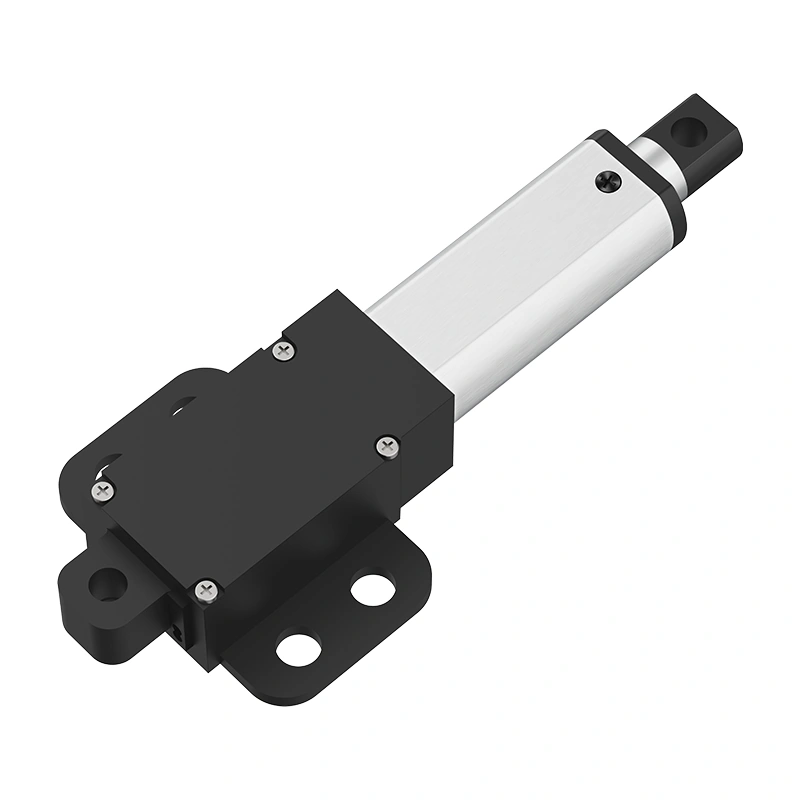
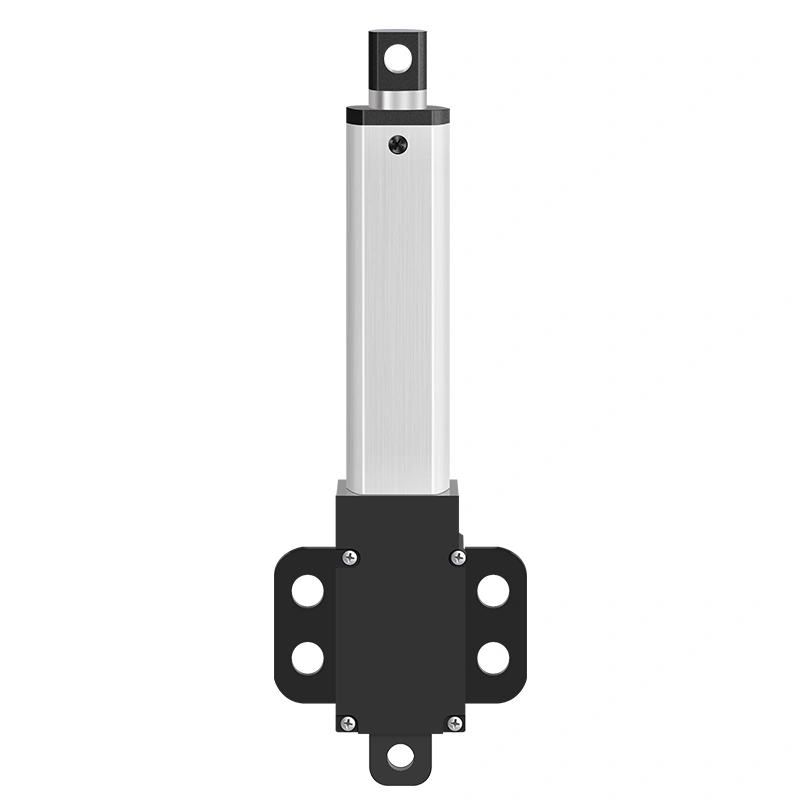
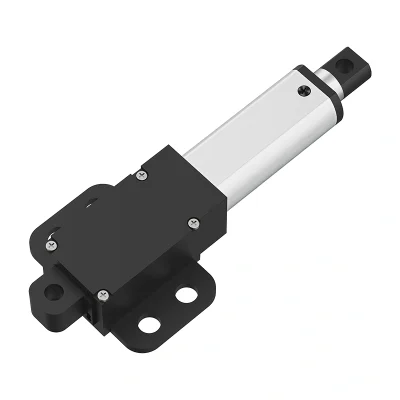
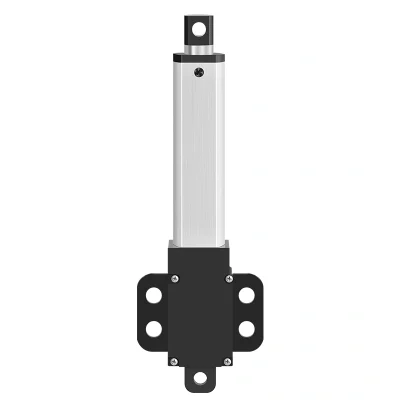
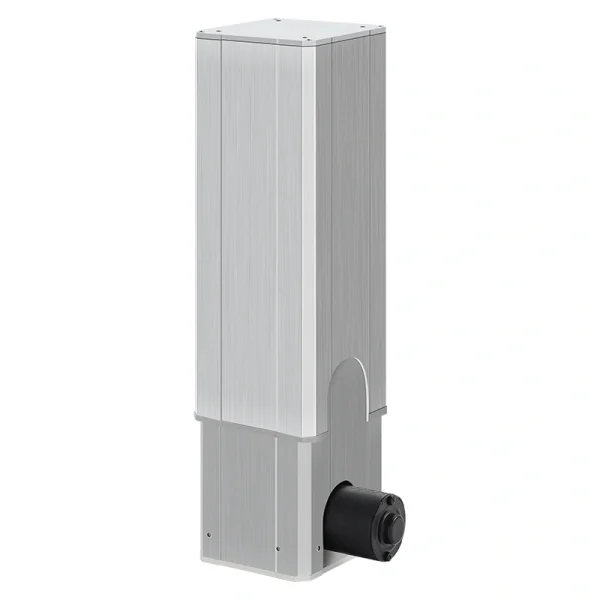
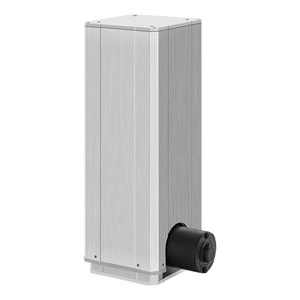
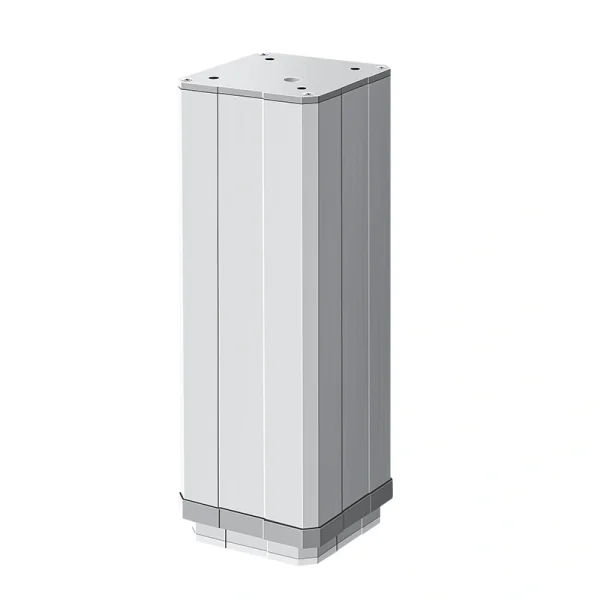
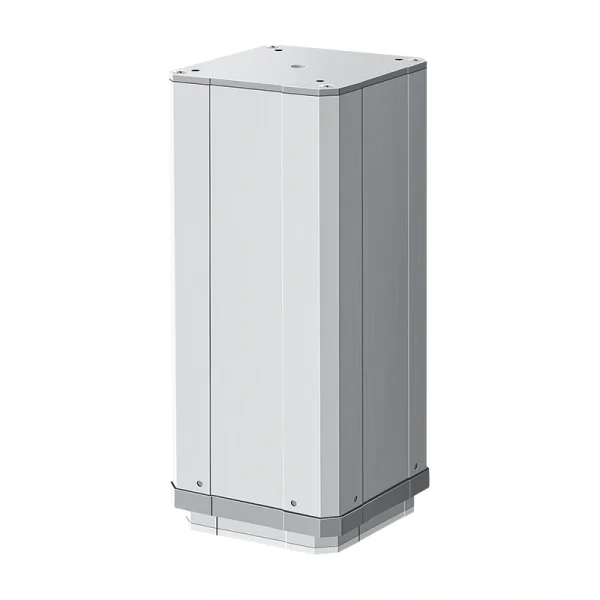
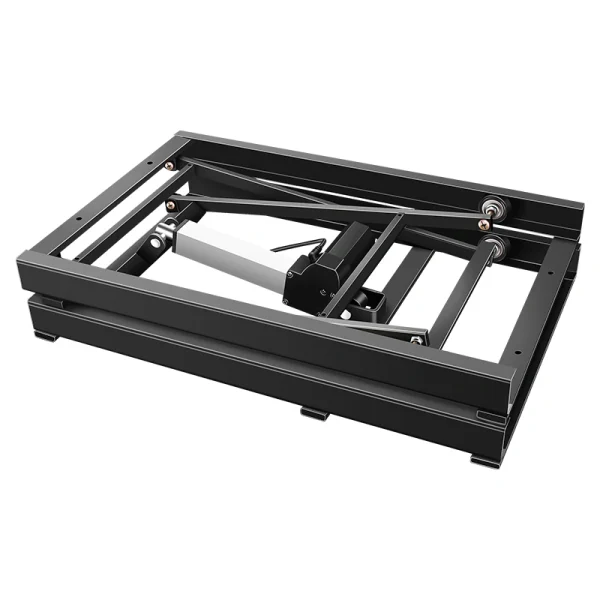
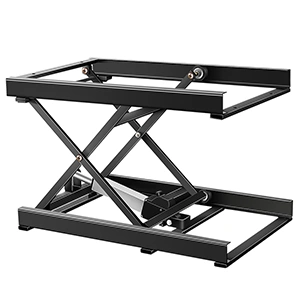
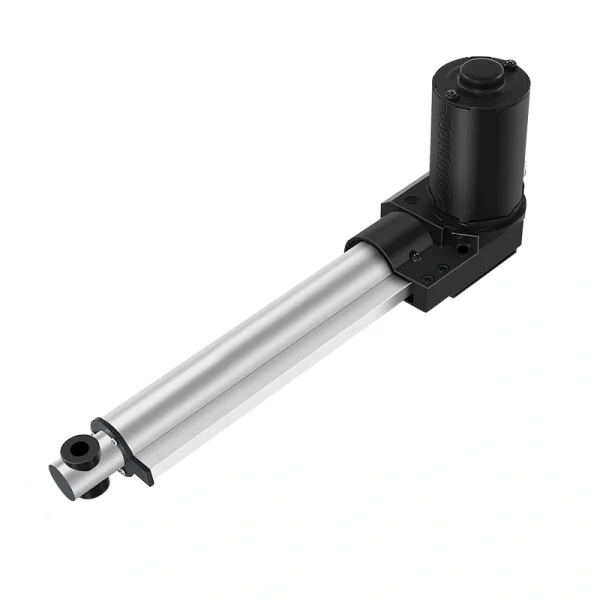
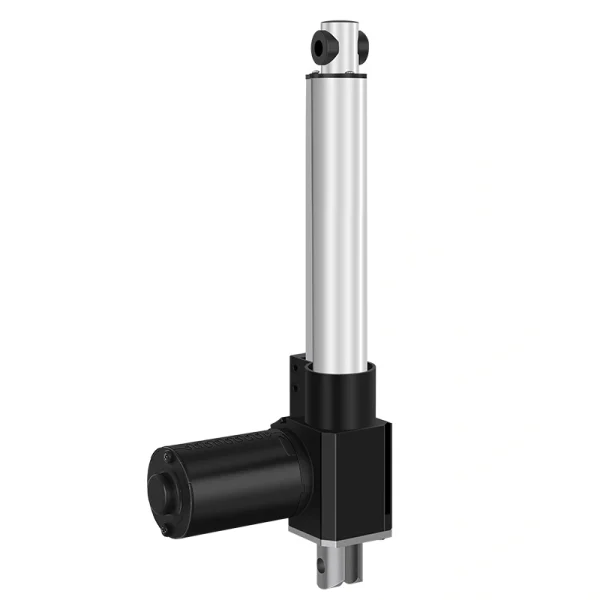
IP60 12V DC linear actuator for compact OEM equipment
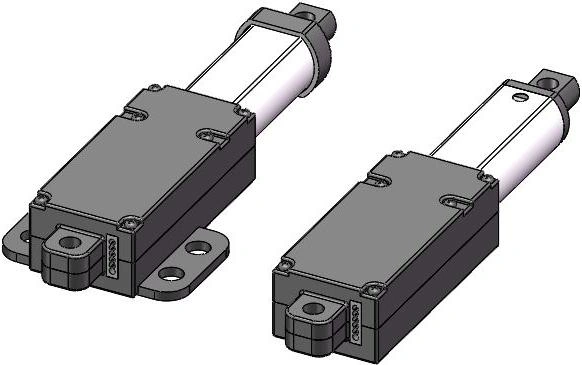
The IP60 12V DC Linear Actuator is a compact electric actuator for equipment that needs short, controlled push-pull movement. It uses a 12V DC input and supports a 10-14V operating voltage range, which gives design teams some room when the finished device uses a battery pack, adapter, or controlled DC power supply.
The rated load is 150 N push/pull, equal to 33.7 pounds force. That puts the IP60 in the light-duty compact actuator class. It is a good candidate when the device needs a small motion unit, a clean stroke, and low noise. It is not the right place to force heavy-load work. If the real design brief says high thrust, compare with heavy duty linear actuators instead.
For category planning, the IP60 fits naturally with 12V linear actuators and micro and mini linear actuators. If the equipment faces dust, splash, or washdown-adjacent conditions, it can also be reviewed with ActuLift’s waterproof linear actuators.
Product specifications
| Specification | Details |
|---|
| Input voltage | 12V DC (Operating voltage range: 10-14V) |
| Maximum load capacity | 150 N push/pull (33.7 pounds force) |
| Speed (empty/full load) | Stretching speed of 4-30 millimeters per second |
| Travel length | 10-200 millimeters (Customizable travel length) |
| Protection level | IP65 (Dustproof sports device that complies with IP protection level guidelines) |
| Working temperature | -20 C to +60 C |
| Noise level | <45 decibels (Quieter than office conversations) |
| Certification | CE, RoHS certification, ISO 9001 manufacturing certification |
What the 150 N rating means for buyers
A 150 N push/pull rating is useful for small, guided motion. Think cabinet mechanisms, access panels, light furniture movement, small medical or healthcare equipment mechanisms, compact automation modules, ventilation devices, inspection fixtures, and smart home equipment.
The load number should not be read alone. A real device adds friction, angle changes, side force, vibration, cable routing, and bracket tolerance. If the moving structure is not guided well, the actuator may work on the bench and feel rough in the final product. That is where sample testing earns its keep.
Before ordering a batch, ask engineering to confirm:
- Actual moving load in the push and pull directions.
- Mounting angle at the hardest point of travel.
- Stroke length and retracted length.
- Side-load control and guide-rail design.
- Controller output and voltage stability.
- Duty-cycle expectation in the finished equipment.
The IP60 can handle a compact job well when the mechanics are honest. It should not be used as a shortcut for an undersized structure.
12V input with a 10-14V operating range
Many OEM projects use 12V because it is easy to pair with batteries, adapters, control boards, vehicle-style low-voltage systems, and small equipment power supplies. The listed 10-14V range gives the buyer a practical window, but it still needs a stable supply.
During sample approval, check the actuator under real load, with the real cable length and controller. Voltage drop can show up when the motor starts, especially if the wire is too long, the connector is weak, or the power supply is sized too close to the edge.
If the project needs feedback control or more complex movement logic, confirm that requirement early. For simple switching or multi-part systems, pair the actuator decision with control boxes and controllers. It is easier to solve control matching before the mechanical sample is frozen.
4-30 mm/s speed range for controlled small motion
The IP60 supports a stretching speed range of 4-30 mm/s. That range gives buyers a useful choice between quiet, steady movement and faster adjustment. Slower movement often fits people-facing equipment, hidden mechanisms, small panels, and devices where a sharp start-stop motion would feel cheap. Faster movement may fit automation steps where the stroke is short and cycle time matters.
There is a tradeoff. Speed, load, current, noise, and service life all sit in the same conversation. A fast option can look attractive in a spec sheet, but the better question is simple: how fast does the equipment actually need to move?
For sample testing, check speed with the actuator mounted in the real mechanism. A guide, bracket, or linkage can change the feel of motion more than buyers expect.
Custom travel from 10 mm to 200 mm
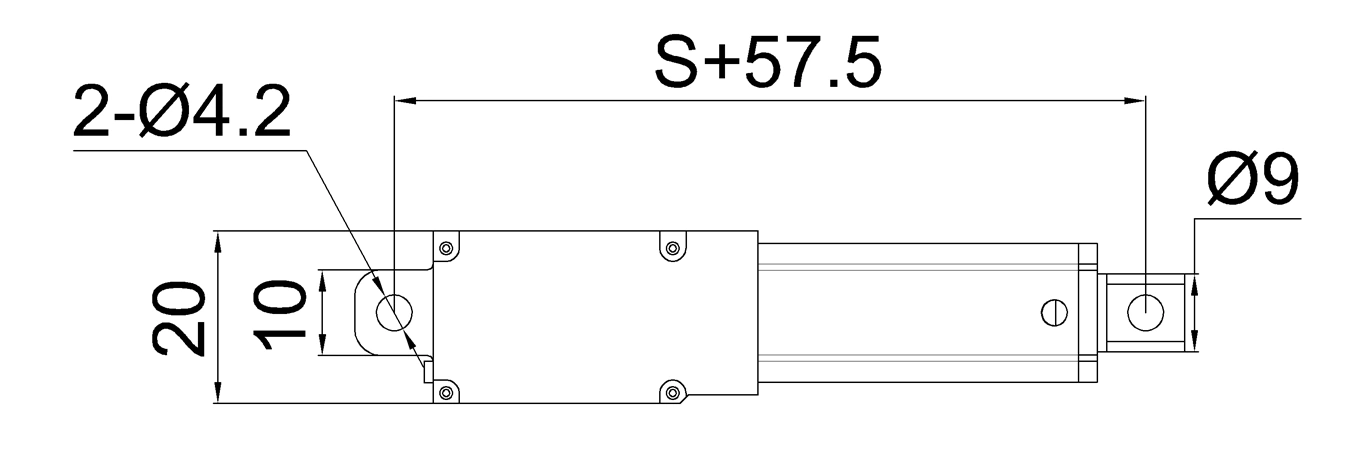
The IP60 travel length can be customized from 10 mm to 200 mm. That makes it useful for small equipment where a long actuator would take too much room. Short strokes can handle locks, vents, shutters, small flaps, display tilt, compact lift or slide actions, and embedded motion inside furniture or equipment housings.
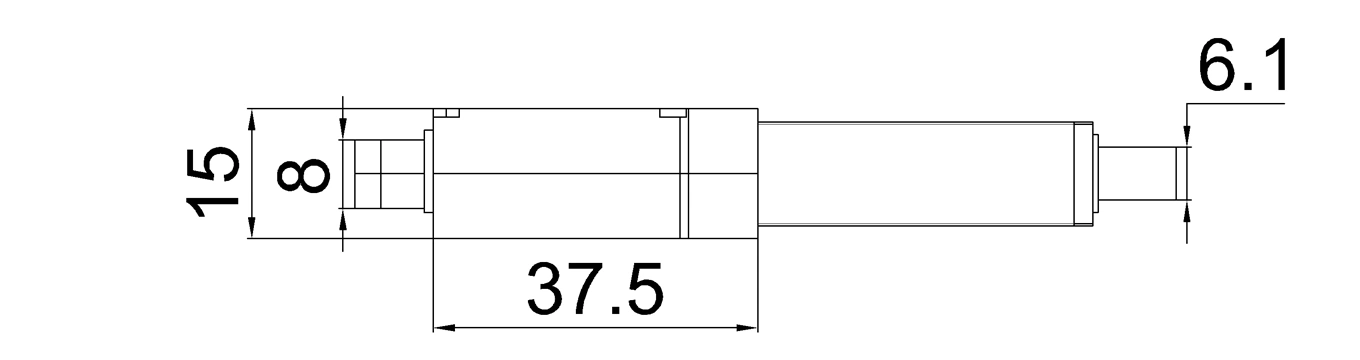
For quotation, send the exact travel length instead of a broad range. If you know the retracted length, installation distance, head and tail mounting style, cable exit direction, and available space, include those details too. A quick drawing saves time. Even a rough CAD screenshot is better than a one-line price request.
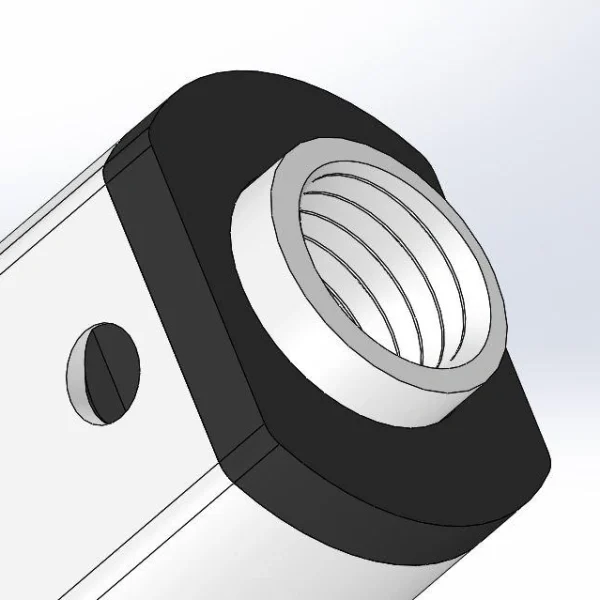
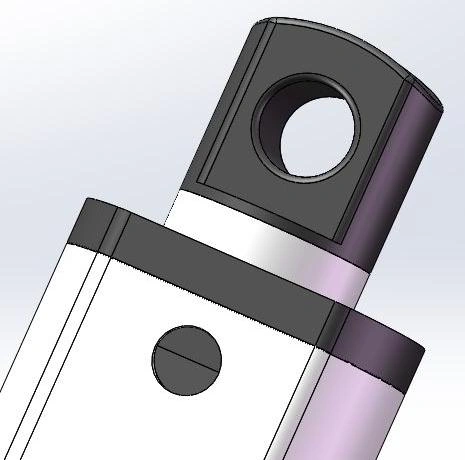
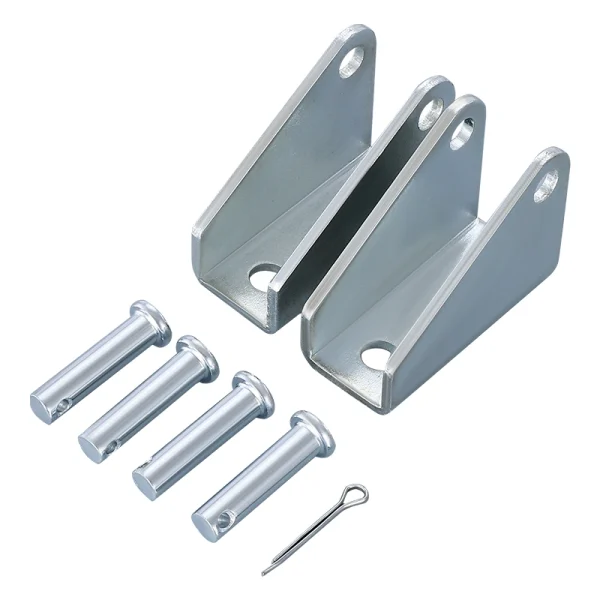
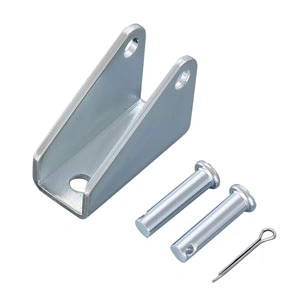
For mounting hardware, compare the actuator with brackets and mountings. Small actuators are sensitive to bracket alignment. A neat bracket choice can prevent side load, noise, and early wear.
IP65 protection without loose waterproof claims
The requested configuration lists IP65 protection. In buyer language, that means the actuator can be planned for dust-protected and water-resistant environments under defined IP protection guidelines. It is useful for equipment exposed to dust, light splash, humid indoor spaces, or protected outdoor-adjacent use.
Still, IP65 does not remove the need for system design. Cable exits, connectors, seals, mounting angle, cleaning method, drainage path, duty cycle, and the final enclosure all affect real performance. The safe procurement question is not just “is it waterproof?” It is “does this IP65 configuration match our exact installation?”
For distributor or OEM projects, ask for the current IP-related document or test basis for the ordered version. Keep that file with the drawing, data sheet, and compliance pack.
Quiet movement for equipment used near people
The listed noise level is less than 45 decibels, described as quieter than office conversations. That matters when the actuator sits close to people, such as in smart furniture, medical equipment mechanisms, home automation, display systems, and small healthcare devices.
Noise should still be tested in the final structure. A quiet actuator can sound louder if the bracket is loose, the frame resonates, the load rubs, or the guide rail is not straight. Bench testing tells you the actuator sound. Mounted testing tells you the product sound.
For people-facing products, ask for a sample and run it inside the real assembly. That one test can catch issues that a data sheet will never show.
OEM customization and document checks
The IP60 is a good fit for B2B wholesale and OEM projects because the buyer can specify the travel length, speed, protection grade, mounting style, wiring, and control method. For private-label or distributor programs, the first purchase should be a controlled sample order with a locked configuration.
Before mass production, confirm these items:
- Stroke length, installation distance, and mounting hole layout.
- Voltage range, current draw, power supply, and cable length.
- Speed target under expected load.
- IP65 configuration and installation limits.
- Working temperature range from -20 C to +60 C.
- Noise target inside the finished device.
- CE, RoHS, and ISO 9001 manufacturing documents for the ordered configuration or supplier file.
CE and RoHS should stay precise. The product brief lists CE and RoHS certification, and ISO 9001 manufacturing certification. Buyers should still request current documents for the exact order, especially when the actuator becomes part of a larger finished product that may need its own compliance review.
Suggested RFQ brief for faster quotation
Use a short technical brief when you ask for pricing. It helps the supplier quote the right actuator instead of guessing.
- Product: IP60 12V DC Linear Actuator
- Voltage: 12V DC, operating range 10-14V
- Load: target push/pull load and direction
- Stroke: exact travel length between 10 mm and 200 mm
- Speed: preferred value within 4-30 mm/s
- Protection: IP65 configuration
- Environment: dust, splash, indoor, protected outdoor, temperature range
- Control: switch, board, handset, control box, or custom controller
- Mounting: head/tail style, bracket needs, and installation distance
- Quantity: sample quantity and expected bulk order range
- Documents: data sheet, drawing, CE/RoHS files, ISO 9001 supplier file, and any project test requirements
This kind of brief makes the first reply more useful. It also reduces the risk of approving a sample that meets the name but misses the application.
Why this product works well
The IP60 12V DC Linear Actuator fits OEM projects that need compact, quiet, light-duty motion with a clear spec path. Its 150 N push/pull rating, 10-200 mm custom travel, 4-30 mm/s speed range, IP65 protection, and 10-14V operating window give buyers enough room to tune the actuator to a real device.
Internal links used