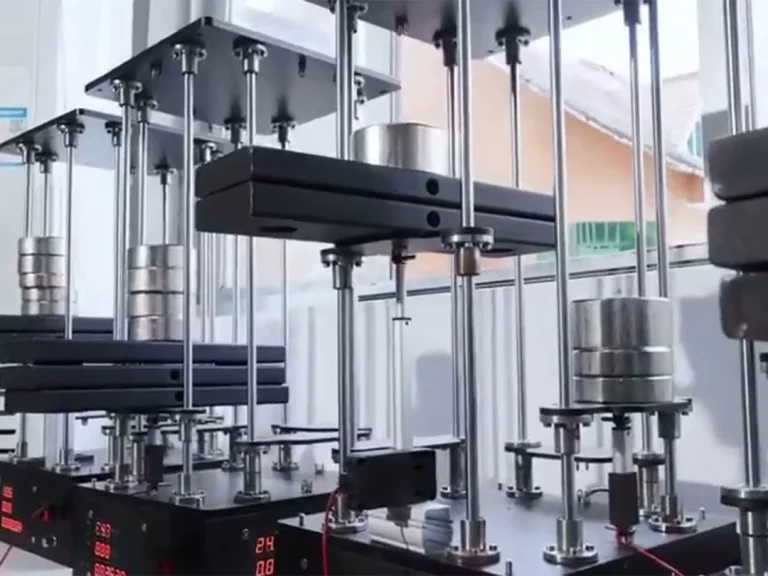


Learn how actuator self-locking force helps resist backdriving in vertical lifting systems—and what OEM engineers must check beyond dynamic load capacity.

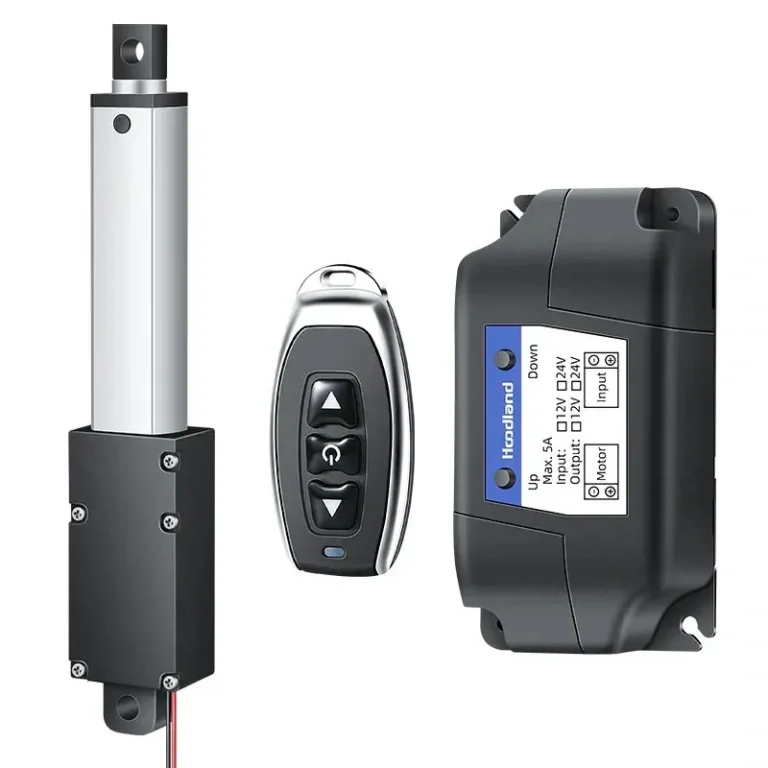
Learn how to choose an electric linear actuator by load, stroke, speed, voltage, duty cycle, feedback, IP rating, and mounting space for OEM and industrial equipment projects.

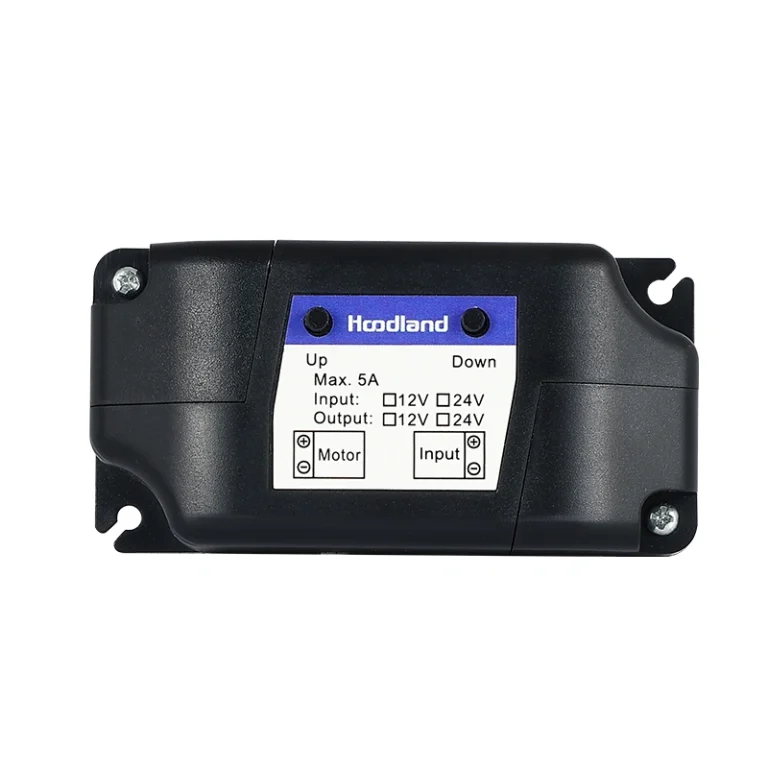
Learn how XB current limit protection safeguards linear actuators from motor stalls and wiring faults. This guide covers the mechanics of instant overcurrent disconnection, the benefits of reverse power recovery, and how this integrated PCB-level safety feature extends equipment life in harsh industrial environments.

Learn what static self-locking or holding force means in linear actuators, what can resist back-driving, and how screw geometry, gearing, brakes, load, lubrication, wear and temperature affect selection.

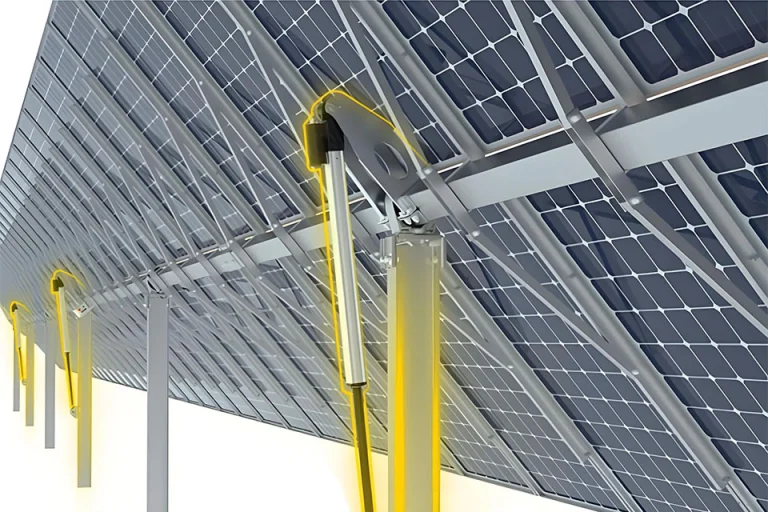
Learn how high static holding force in linear actuators, specifically the IP1200 series, protects solar tracking systems from structural damage caused by high wind loads. Discover the technical requirements for ensuring reliability and maximizing ROI in utility-scale solar farms.

As we progress through 2026, electric linear actuators are replacing traditional hydraulics in modern farming. This article explores how specialized, IP65-rated motion control solutions are revolutionizing seeder precision, tractor implement positioning, and spray boom control for enhanced agricultural efficiency and reliability.

Choosing the wrong IP rating for your linear actuator can lead to catastrophic failure. This guide breaks down the critical differences between IP43, IP54, and IP65 ratings to help you select the right protection for office, industrial, or outdoor environments, ensuring long-term reliability and cost-efficiency.