IP43 vs IP54 vs IP65 Linear Actuators: Which IP Rating Do You Need?
Choosing the wrong IP rating for your linear actuator can lead to catastrophic failure. This guide breaks down the critical differences between IP43, IP54, and IP65 ratings to help you select the right protection for office, industrial, or outdoor environments, ensuring long-term reliability and cost-efficiency.
Ingress Protection (IP) is one environmental requirement to review when selecting a linear actuator. It describes enclosure protection against solids and liquids under defined test conditions; final suitability also depends on temperature, chemicals, UV/corrosion exposure, cable and connector interfaces, mounting orientation, duty cycle and the selected actuator configuration.
Table of Contents
What Is an IP Rating and Why Does It Matter?
The IP rating system is an international standard (IEC 60529) that classifies the degree of protection provided by mechanical casings and electrical enclosures against solid objects and liquids. The rating consists of two digits: the first indicates protection against solid objects (ranging from 0 to 6), and the second indicates protection against liquids (ranging from 0 to 9).
The first digit (0-6) represents protection against solid objects:
IP0X: No protection
IP1X: Protected against objects larger than 50mm
IP2X: Protected against objects larger than 12.5mm
IP3X: Protected against objects larger than 2.5mm
IP4X: Protected against objects larger than 1mm
IP5X: Dust-protected (limited ingress permitted)
IP6X: Dust-tight (complete protection)
The second digit (0-9) represents protection against liquids:
IPX0: No protection
IPX1: Protected against vertically falling drops
IPX2: Protected against dripping water when tilted up to 15°
IPX3: Protected against spraying water
IPX4: Protected against splashing water
IPX5: Protected against water jets
IPX6: Protected against powerful water jets
IPX7: Protected against temporary immersion
IPX8: Protected against continuous immersion
IP ratings help define enclosure protection, but they do not by themselves establish lifecycle, downtime, safety or cost. Use IP43, IP54 and IP65 as test-level references, then verify the exact actuator configuration against the complete environmental and equipment requirements.
IP43: What the Rating Covers
An IP43 enclosure rating combines first-digit level 4 solid-object protection with second-digit level 3 water-spray protection under the applicable standardized test. Whether that rating is adequate depends on the project exposure and the exact rated configuration; it should not be treated as an automatic “office” classification.
IP600: Confirm Protection Rating by Configuration
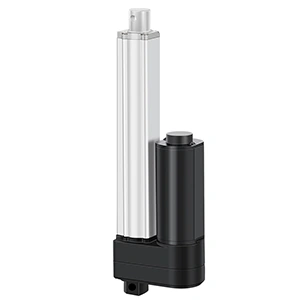
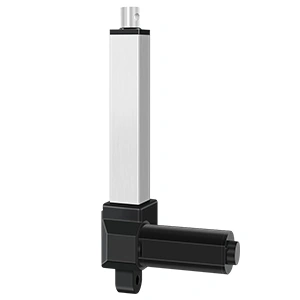
The IP600 is currently documented as a configurable OEM actuator platform. Its product page does not establish a universal IP43 rating or office-furniture suitability; confirm environmental-protection documentation for the selected build.
For an IP600 project, define dust/liquid exposure, cleaning method, cable and connector arrangement, mounting orientation, load, duty cycle and other environmental conditions. Use the selected configuration’s current documentation rather than assuming adequate protection, repeated-use capability or cost advantage from this article.
IP43 may be considered where the defined enclosure-protection requirement matches the standardized IP43 test level. Application labels such as desk, chair or interior equipment do not establish speed, noise, durability, duty cycle or environmental suitability.
Do not select IP600 from a claimed IP43/cost/reliability tradeoff in this article. Compare the current product configuration, quotation, environment, load, duty cycle and documentation against the actual equipment requirements.
IP54: What the Rating Covers
An IP54 enclosure rating combines first-digit level 5 dust protection with second-digit level 4 protection against splashing water under standardized test conditions. It is a higher solid/liquid test level than IP43 in those dimensions, but actual suitability still depends on the complete project environment and rated configuration.
IP1200: Confirm Protection Rating by Configuration
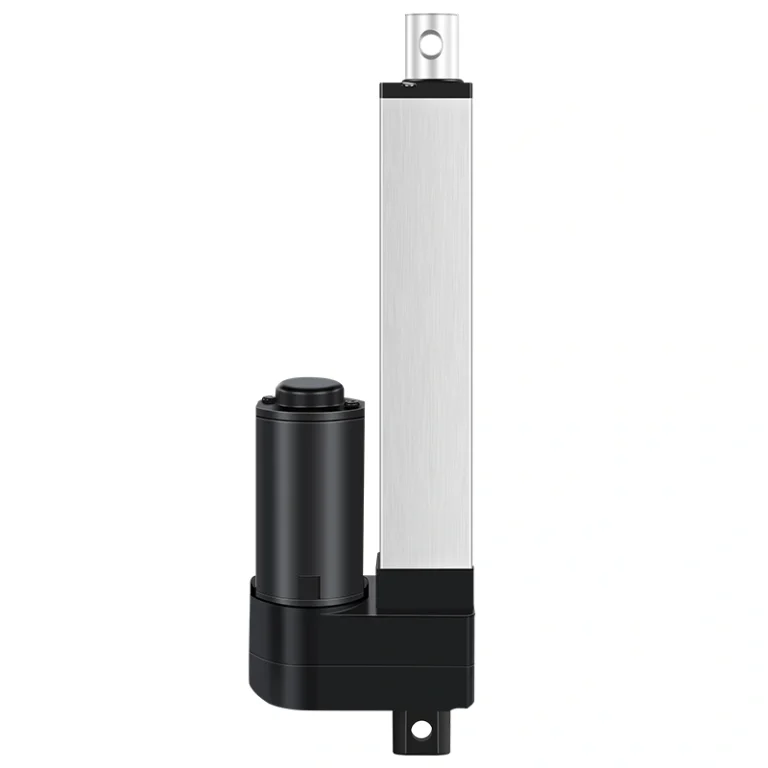
The IP1200 is currently documented as a configurable higher-load OEM actuator platform. Its current product page does not establish a universal IP54 rating; enclosure protection, materials, cable/connector details and environmental suitability must be confirmed for the selected build.
For an IP1200 project, define the actual dust, liquid, cleaning, chemical, temperature and installation conditions, then request configuration-specific environmental evidence. Do not infer factory suitability, dust/splash tolerance or positioning performance from an IP54 label that is not confirmed on the selected build.
Load, duty cycle and environmental protection are independent selection inputs. The current IP1200 brief provides load/speed references that still require configuration confirmation; it does not support a blanket continuous-duty, longevity, maintenance or downtime claim.
Use the heavy-duty linear actuator category to discover candidate products, then verify load, duty cycle, enclosure protection, materials and environmental evidence for the selected configuration. Do not position IP1200 as a fixed IP54 bridge between indoor and outdoor classes without current documentation.
IP65: What the Rating Covers
Among IP43, IP54 and IP65, IP65 uses first-digit level 6 dust-tight protection and second-digit level 5 protection against water jets under the standardized test conditions. It is not automatically the correct outdoor or “waterproof” choice: rain, washdown, immersion, chemicals, UV, corrosion, connectors and mounting conditions must be evaluated separately.
IP60: Confirm Protection Rating by Configuration
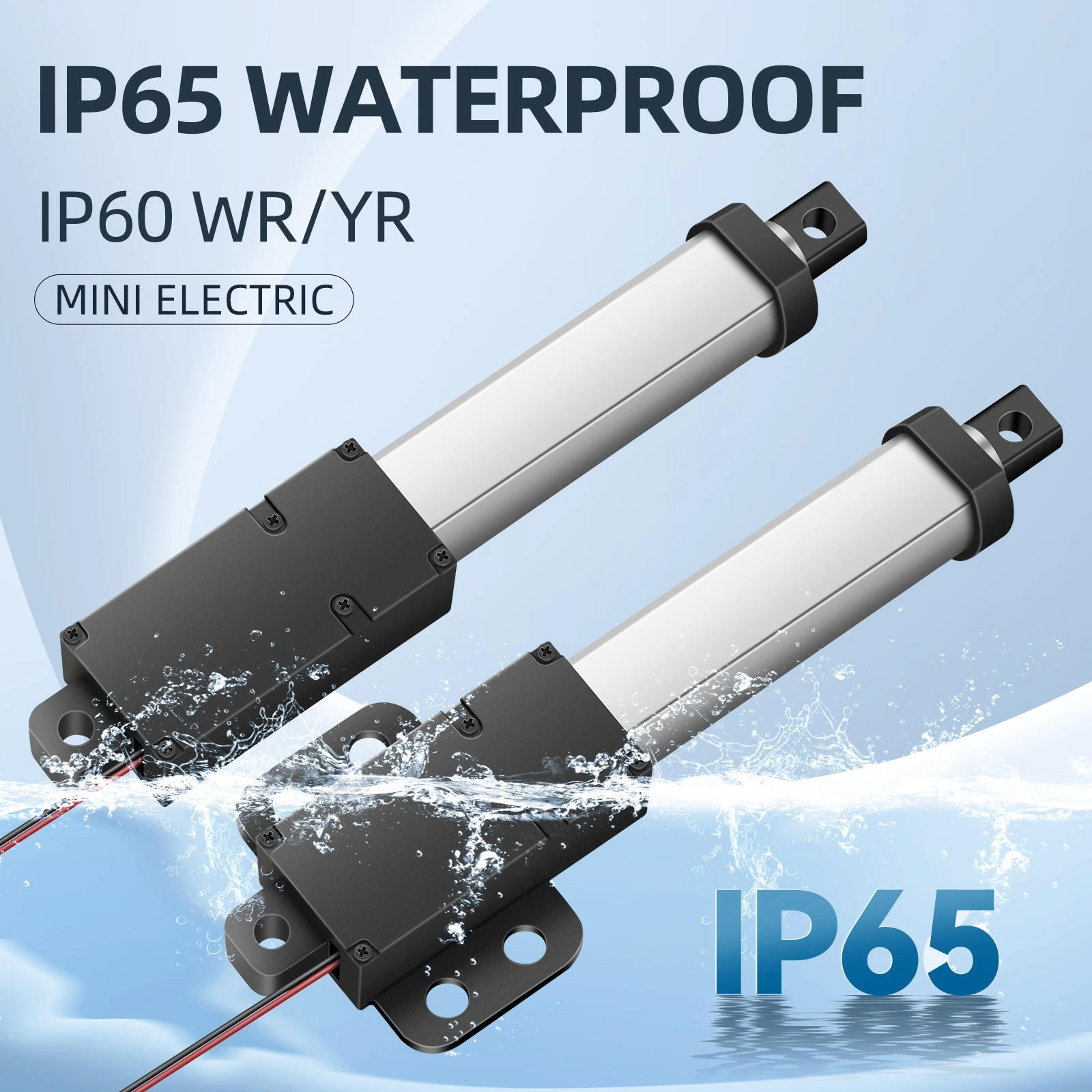
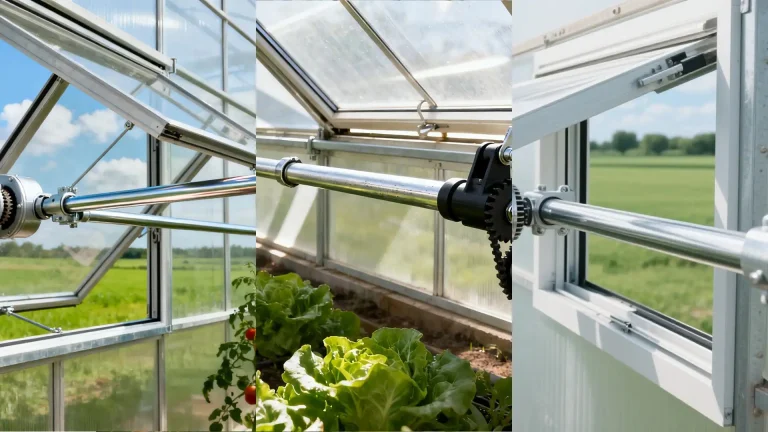
The IP60 is currently documented as a configurable 12V DC actuator platform. Its product page does not establish a universal IP65 rating or outdoor/waterproof capability; confirm the exact environmental-protection rating and supporting documentation for the selected build.
A confirmed IP65 configuration may be relevant where dust-tight and water-jet test protection matches the project requirement, but application suitability still depends on temperature, corrosion, chemicals, duty cycle, cables/connectors and mechanism design. Do not infer marine, agricultural, solar or weather reliability from the rating alone.
A confirmed IP6X first digit indicates dust-tight enclosure protection under the applicable test method. That does not establish suitability for every dusty industry or guarantee lifecycle performance; abrasion, contamination chemistry, pressure differentials, maintenance and complete assembly interfaces can still matter.
For outdoor or water-jet requirements, request the selected IP60 build’s current rating, test scope, cable/connector arrangement and installation conditions. Do not assume pressure-washing suitability, long-term reliability, a fixed cost premium or that IP65 is the most versatile choice for every environment.
Comparison Table
Rating
Solid-object protection
Liquid protection
Project use
IP43
First digit 4
Second digit 3
Use only when the project exposure and exact product documentation support this rating
IP54
First digit 5
Second digit 4
Use only when the project exposure and exact product documentation support this rating
IP65
First digit 6 (dust-tight)
Second digit 5 (water jets under the standard test)
Use only when the project exposure and exact product documentation support this rating
ActuLift product mapping
Do not map IP600→IP43, IP1200→IP54 or IP60→IP65 from this article. Confirm the selected build’s current rating and documentation.
How to Choose the Right IP Rating
Selecting the appropriate IP rating for your linear actuator requires careful consideration of the actual environmental conditions your equipment will face. The key is to match the actuator’s protection level to the worst-case conditions it will encounter, rather than guessing or over-specifying unnecessarily.
Assess Your Environment
Begin by honestly evaluating where the actuator will be installed and what conditions it will face. Ask yourself these critical questions: Will the actuator be exposed to rain, snow, or humidity? Is the environment dusty, dirty, or prone to particle ingress? Will there be occasional water spills or splashing? Is the location climate-controlled or subject to temperature variations? Will the actuator be outdoors where weather exposure is inevitable?
Do not assign an IP rating from an application label alone. Define the maximum solid/liquid exposure, cleaning method, connector/cable interfaces, orientation, condensation, temperature, chemicals and surrounding enclosure, then select a product configuration whose documented rating and test scope meet those conditions.
Consider Total Cost of Ownership
A higher IP code can affect product design and commercial options, but there is no universal price or lifecycle premium. Compare the current quotation, required environmental protection, connector/enclosure details, maintenance access, failure consequences and replacement strategy for the selected configuration.
Plan for Future Conditions
Consider credible future exposure as part of the requirement, but do not treat a higher IP number as a universal safety margin. A different cleaning method, connector, orientation, chemical, immersion condition or enclosure change may require a different configuration or validation even when the headline IP code is higher.
Can an IP65 linear actuator be fully submerged in water?
No. IP65 does not establish immersion protection. If immersion is part of the use case, specify the required depth, duration, orientation, cable/connector condition and applicable immersion test level, then request evidence for the exact actuator configuration. Do not infer IPX7 or IPX8 capability from IP65.
Is an IP54 actuator suitable for high-pressure washdowns?
IP54 does not establish high-pressure-washdown protection. Define the actual jet pressure, temperature, direction, duration, cleaning chemicals and connector/enclosure conditions, then select the required test level and verify it for the exact product configuration.
Does a higher IP rating affect the performance or speed of the actuator?
An IP code describes enclosure protection, not actuator speed or load. Different sealing, materials or enclosure designs may accompany different configurations, so compare the selected build’s load, speed, current, duty cycle and environmental test documentation rather than assuming no performance tradeoff.
Conclusion
Choose the required IP level from the project exposure, then verify that rating on the exact actuator configuration. Current ActuLift evidence does not support treating IP600 as universally IP43, IP1200 as universally IP54, or IP60 as universally IP65; request current product/configuration documentation before design approval.
Matching enclosure protection to the real environment reduces one source of integration risk, but performance, lifecycle and reliability still depend on the actuator load case, duty cycle, materials, mounting, controls, cable/connector arrangement and maintenance conditions.
NEMA vs. IP Ratings: Comparison guide for enclosure protection levels. NEMA Protection Ratings.
Get Expert Insights on Industrial Motion Control
Selecting the right electric linear actuator or lifting column is critical for your project's performance. As a professional Motion Control & Automation Manufacturer, our engineers help you customize load capacity, stroke length, and IP ratings based on your specific application. Share your technical requirements for a tailored solution.
ActuLift supports end-to-end customization, from structural design and stroke parameters to branding and casing finishes, helping you build a powerful brand identity.
Rapid Response & Prototyping
We understand the importance of speed in B2B procurement, utilizing optimized production workflows to ensure efficient responses from sample development to bulk delivery.
Quality Documentation & Traceability
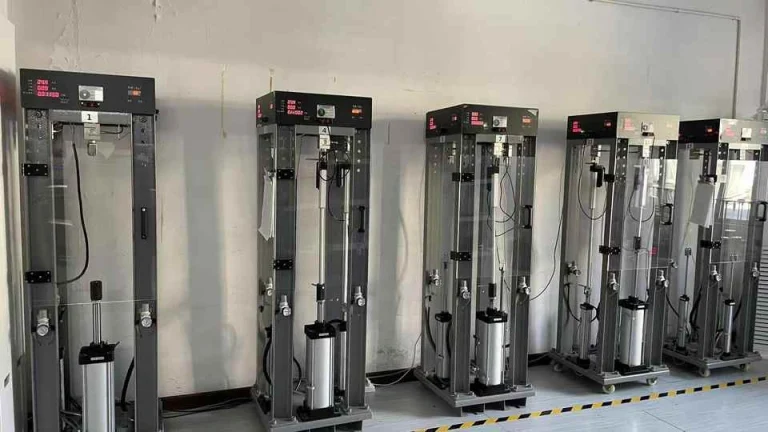
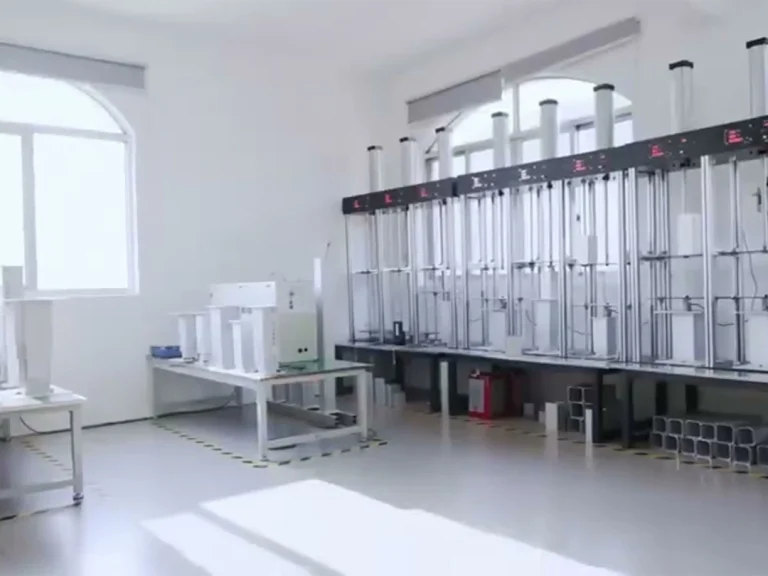
Quality and traceability requirements vary by project. Ask ActuLift for the applicable inspection records, product specifications, drawings and available compliance documentation for the selected model and order.