Muebles Inteligentes: Guía de Elevadores de TV Pop-Up para Gabinetes
Plan a concealed TV-lift installation by cabinet geometry, screen/bracket load, stroke, retracted and extended dimensions, clearances, controls, cable routing, power, noise target, protection and documentation. IPTV is used as a configuration example; confirm commercial specifications on the product page.
Pop-up TV lifts are one way to integrate a display into cabinets, media furniture or custom fixtures when the project needs powered vertical movement and concealed storage.
This guide reviews the ActuLift IPTV platform from an integration perspective: screen/bracket load, cabinet geometry, stroke, retracted/extended dimensions, speed, noise, power, controls, cable routing, environmental protection and documentation. It does not assign a universal screen-size range.
Scope: This is an integration and project-planning guide, not the commercial specification page for IPTV. Use the guide to define cabinet geometry, motion envelope, screen/bracket load, installation, cable routing and control requirements. For current IPTV configuration options, quotation, sample approval and OEM procurement, use the IPTV TV Lifting Column product page.
Use these checkpoints to define a production-intent TV-lift configuration and validate the complete furniture assembly before volume order or installation.
Tabla de Contenidos
Entendiendo los Mecanismos de Elevación de TV: La Fundamentación de Muebles Inteligentes
¿Qué es un Mecanismo de Elevación de TV?
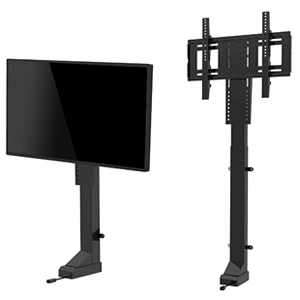
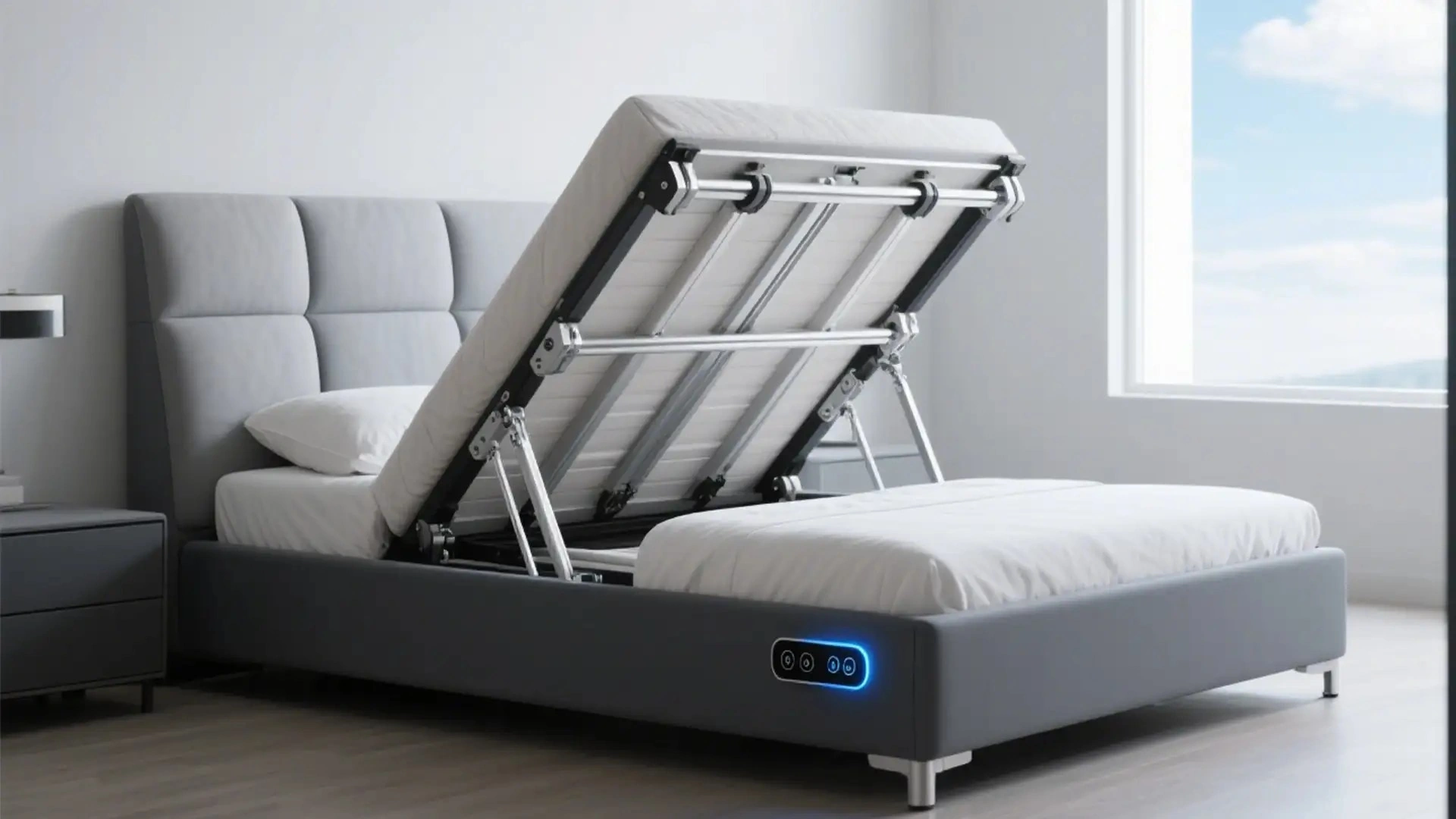
Un mecanismo de elevación de TV es un sistema electromecánico diseñado para elevar y bajar pantallas de televisión desde dentro de piezas de muebles como gabinetes, credenzas, marcos de cama y construcciones personalizadas. Estos mecanismos utilizan actuadores lineales eléctricos para lograr un movimiento vertical suave y controlado, transformando cómo los usuarios interactúan con su equipo audiovisual.
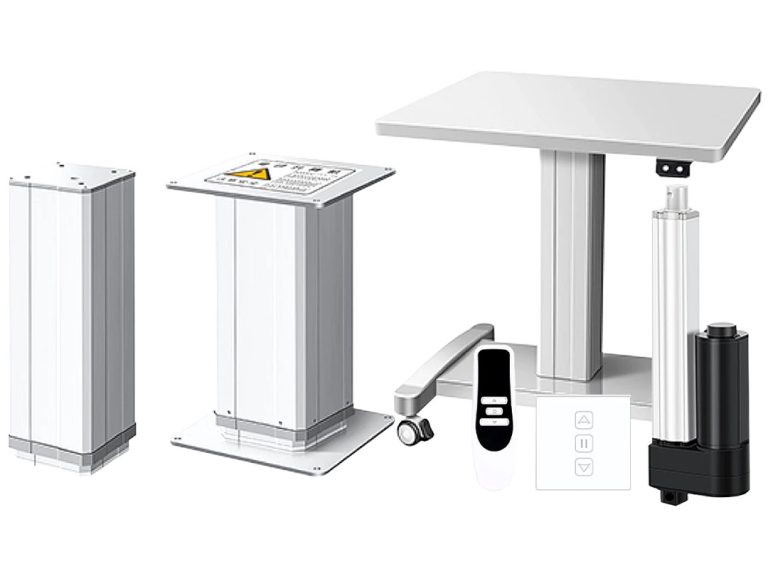
Los componentes principales de un mecanismo típico de elevación de TV incluyen:
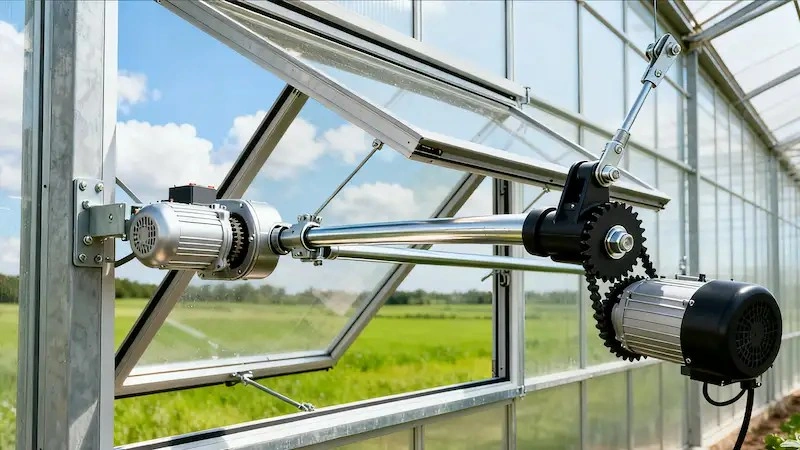
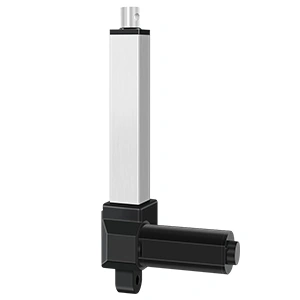
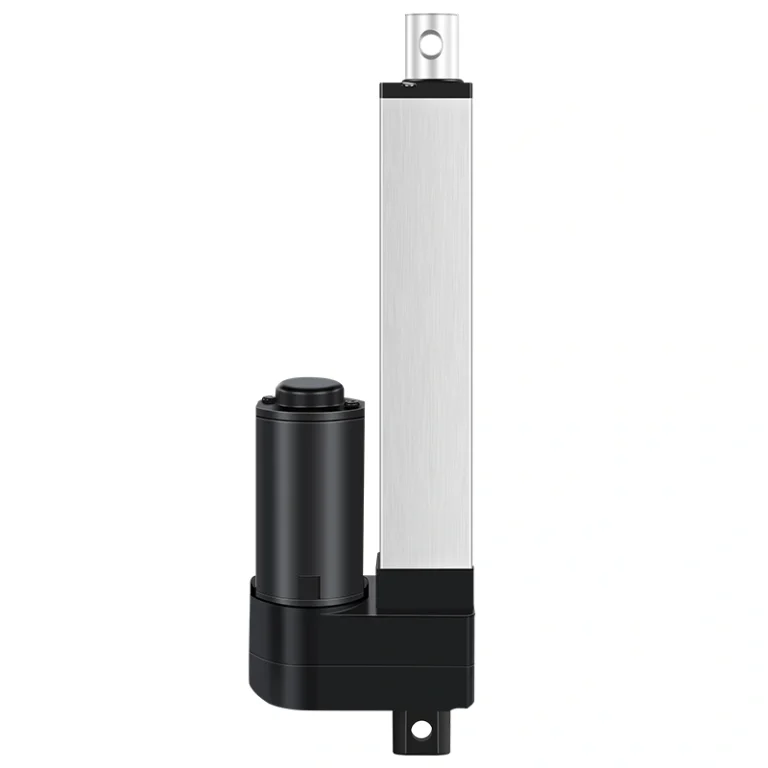
Actuador lineal eléctrico: La unidad del motor que convierte la energía eléctrica en movimiento lineal
Columna Elevadora: El elemento estructural que se extiende y retrae para mover la TV
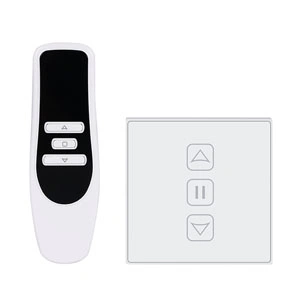
Sistema de Control: Controles remotos, interruptores de pared o integración de hogares inteligentes para la operación
Hardware de montaje: Soportes y adaptadores que aseguran la televisión al mecanismo de elevación
¿Por qué Elegir Instalación de TV Oculta?
Las instalaciones de TV ocultas ofrecen ventajas atractivas que explican su creciente popularidad en el diseño de interiores moderno:
Optimización del espacio: Al montar televisores dentro de los muebles, eliminas la necesidad de pantallas montadas en la pared o soportes de televisión voluminosos, liberando valioso espacio en el suelo y creando un perfil visual más limpio.
Atractivo estético: Cuando no está en uso, la televisión desaparece por completo, manteniendo el diseño previsto del mueble y permitiendo que la decoración de la habitación esté en el centro de atención.
Protección: Ocultos dentro de gabinetes, los televisores están protegidos del polvo, daños accidentales y accesos no autorizados—particularmente importante en hogares con niños.
Versatilidad: La misma pieza de mobiliario puede servir para múltiples propósitos, con la TV apareciendo solo cuando se desea y el gabinete proporcionando espacio de almacenamiento o exhibición de otra manera.
IPTV as a Configuration Example
The IPTV series is a configurable OEM TV-lift platform for furniture and AV integration. Current product evidence lists configuration-specific stroke, load, speed, noise, power, environmental-protection and control options that must be confirmed for the selected build and cabinet assembly.
Características Clave de las Columnas de Elevación IPTV
Carga: The current product brief lists 1500N as a static-load figure. Confirm working/dynamic load, screen and bracket weight, leverage, guide support, duty cycle, safety factor and test conditions; do not convert 1500N into a screen-size or working-load promise.
Speed / noise: The current brief lists 25mm/s no-load, 20mm/s full-load and a noise figure below 45 dB. Confirm the selected configuration, load, supply, controller settings, measurement method, distance and environment before using these figures in an OEM specification.
Column / stroke configuration: The current brief lists stroke choices from 300mm to 1200mm. Confirm the available selected build, retracted/extended dimensions, column/profile geometry and full-motion clearance before freezing the cabinet design.
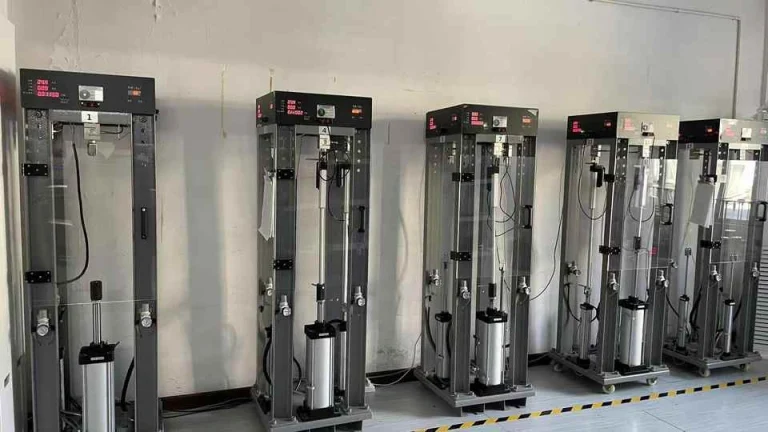
Lifecycle: Do not assume a universal cycle-life value from this article. Request lifecycle or endurance evidence for the exact IPTV configuration if the project requires a cycle-life acceptance criterion.
Safety / fault functions: Confirm current-limit, overload, obstruction/anti-collision, soft-start/stop, limit and fault behavior for the selected controller/module. Finished-cabinet clearances and safety validation remain system-level requirements.
Columnas de Elevación de 2 Secciones vs. 3 Secciones: Elegir la Configuración Correcta
For a concealed TV installation, compare the selected column/profile and drawing rather than assuming fixed 2-section versus 3-section performance. The required stroke, retracted height, extended height, cabinet opening, screen/bracket load and full-motion clearance should drive the configuration.
Columnas de Elevación de 2 Secciones
Características:
Confirm the selected two-section column/profile and approved drawing
Confirm mechanism, guide and service details for the selected build rather than assuming lower complexity
Verify the actual retracted length and cabinet envelope on the selected drawing
Confirm load-dependent speed for the selected motor/controller configuration
Evaluate against:
Cabinet height/depth and the selected column’s retracted dimensions
Required full-stroke time under the actual moving load
Current quotation, required functions and cabinet integration cost
Actual TV + bracket moving load, leverage, guide support and safety factor
Carrera: Use the current available stroke list and selected-build drawing; do not assume a fixed 400–600mm range for every two-section configuration.
Columnas de Elevación de 3 Secciones
Características:
Confirm the selected three-section column/profile and approved drawing
Compare actual stroke-to-retracted-length geometry on the selected build
Confirm load-dependent speed and motion behavior for the selected motor/controller configuration
Confirm working/dynamic load and test conditions; stage count does not establish load capacity
Evaluate against:
Cabinet opening, depth, height and full-motion envelope
Actual screen/bracket weight and geometry rather than diagonal screen size alone
Required visible rise, bracket offset and top-opening clearance
Required retracted position and cabinet closure geometry
Carrera: Use the current available stroke list and selected-build drawing; do not assume a fixed 600–800mm range for every three-section configuration.
Guía de Selección
Review area
2 secciones
3 secciones
Selected drawing
Confirm retracted/extended dimensions and profile
Confirm retracted/extended dimensions and profile
Carrera
Current IPTV brief lists 300–1200mm options; confirm availability for the selected build
Moving load
Calculate screen + bracket + mechanism load, leverage, guide support and safety factor; confirm working/dynamic rating
Cabinet clearance
Verify opening, full-motion envelope, bracket offset and cable path
Speed / noise
Confirm selected motor/controller, load and test conditions
Commercial fit
Use current quotation and required configuration; do not infer lower/premium cost from stage count
Especificaciones Técnicas: Actuadores Lineales Eléctricos para Muebles Inteligentes
Entender los parámetros técnicos de los actuadores lineales eléctricos es esencial para el diseño e integración adecuados del sistema.
Requisitos de Potencia
The current IPTV brief lists a 24V DC configuration and optional wall-power adapter paths. Confirm the selected supply, adapter input/output, plug, current capacity, controller compatibility and destination-market requirements before production.
Métricas de Rendimiento
Velocidad: Current brief lists 25mm/s no-load and 20mm/s full-load; confirm selected build and test conditions. Ruido: Current brief lists <45 dB; confirm load, distance, measurement method, environment and selected configuration. Operating temperature: Current brief lists -20°C to +60°C; confirm selected motor, controller, cable, lubrication, enclosure and actual operating conditions.
Capacidad de Carga por Modelo
Current IPTV brief
Published reference
Engineering boundary
Static load
1500N
Confirm working/dynamic load, screen + bracket weight, leverage, guide support, duty cycle, safety factor and test conditions
Carrera
300–1200mm options listed
Confirm exact available stroke, retracted/extended dimensions and drawing
Screen size
No universal mapping
Select from actual screen/bracket mass and cabinet geometry, not diagonal size alone
Integración con Sistemas de Control
The current IPTV brief lists several possible control paths. Availability and behavior depend on the selected controller/module, region, app or hub, wiring and ordered configuration:
RF remote: listed as a possible control path; confirm selected remote, range, pairing and controller compatibility
Wired control: confirm whether a wall switch/handset or other hardwired interface is included in the selected configuration
Zigbee / Tuya: listed as a possible path; confirm module, target hub, region, app flow, pairing and account requirements
Bluetooth BLE: listed as a possible path; confirm selected controller/module, app or protocol and expected range
Guía de Instalación: Integrando Elevadores de TV Retráctiles en Armarios
Concealed TV integration should follow the selected IPTV drawing, cabinet structure, screen/bracket load, full-motion clearance, power/control architecture and cable-routing requirements. The steps below are design-review checkpoints, not a universal installation procedure.
Planificación Pre-Instalación
Requisitos de Diseño del Gabinete:
Las dimensiones internas deben acomodar la columna elevadora en su posición completamente retraída
Proporcionar ventilación adecuada para prevenir la acumulación de calor alrededor de la televisión
Asegurar soporte estructural para el peso del gabinete cuando está cargado con la TV y el mecanismo
Planificar caminos de gestión de cables para alimentación, HDMI y otras conexiones
Cálculos de Despeje:
Medir las dimensiones de la TV incluyendo bordes y soporte de montaje
Set clearance from the selected column/profile, TV/bracket envelope, cabinet opening and full-motion drawing rather than a universal 20–30mm rule
Calculate cabinet geometry from retracted/extended column dimensions, screen/bracket position, opening travel and required service/closure clearances
Pasos de Instalación
Preparar el Gabinete: Cortar agujeros de montaje e instalar canales de gestión de cables
Mount the lifting column: use the approved bracket/fastener pattern, cabinet structure and torque/installation requirements for the selected build
Attach the TV bracket: verify VESA/interface compatibility, bracket rating, fasteners and the selected screen geometry; do not assume one universal bracket
Conectar la TV al Elevador: Asegurar la televisión a la placa de montaje del mecanismo del elevador
Instalar el Sistema de Control: Conectar la fuente de alimentación, la caja de control y los controles de usuario
Probar la Operación: Verificar la extensión y retracción suaves antes del ensamblaje final
Commission the system: verify configured limits, control functions, cable travel, stopping/fault behavior and full-motion clearance according to the selected controller/module
Soluciones de Gestión de Cables
Cable routing should be engineered for the complete motion envelope and selected interface:
Use a cable chain or other guided routing method only when supported by the cabinet geometry and selected cable/column design
Define power/signal routing, bend radius, strain relief and EMC requirements for the actual wiring architecture
Provide controlled slack/service loops only where they remain clear of pinch points through full travel
If wireless control is used, confirm the selected module, power, app/hub dependencies and fail-safe behavior; the lift still requires its own power and motor wiring
Smart Home Integration: Confirm Module & Platform Compatibility
Smart-home functions are optional integration features, not inherent capabilities of the lifting column. Define the selected controller/module, command interface, app/hub, region, account/service dependencies, privacy/security requirements and safe behavior if the smart-home layer is unavailable.
Escenarios Comunes de Automatización
Example scene: a home-automation system could coordinate TV-lift movement with lighting or AV equipment only when the selected gateway/controller and automation platform support the required commands and sequencing.
Scheduled routine example: automated lift movement should be implemented only with the required controller/module, safe clearances and platform logic for the finished furniture.
Away-mode example: automatic retraction can be considered if the selected control architecture supports it and the system verifies that movement is safe at the time of command.
Bedroom furniture: the same mechanical selection rules apply—screen/bracket load, cabinet geometry, cable routing, controls, noise target and clearances must be confirmed.
Compatibilidad del Sistema de Control
Do not claim compatibility with a named smart-home platform unless the selected controller/gateway has been verified for it. The current IPTV brief supports these configuration paths:
RF remote: confirm selected remote and controller pairing
Zigbee / Tuya: confirm module, hub/app, region and pairing flow
Bluetooth BLE: confirm module, app/protocol and range
Alexa-related control: confirm gateway/controller, account, region/language and service dependencies
Other platforms / APIs: require interface documentation and project-specific integration validation before compatibility is claimed
Applications: Where a TV Lift May Be Evaluated
Salas de Estar Residenciales
Living-room cabinetry is one possible application when screen/bracket weight, cabinet geometry, clearances, controls, cable routing and noise requirements fit the selected IPTV configuration.
Salas de Cine en Casa
Home-theater cabinetry can use a TV lift when the selected stroke, moving load, bracket geometry and cabinet opening support the intended display.
Dormitorios
Bedroom furniture can conceal a display without wall mounting, subject to the same load, clearance, noise, cable-routing and control requirements.
Cocinas y Comedores
Kitchen or dining furniture requires additional review of heat, moisture, contamination, cleaning and electrical conditions before a TV-lift configuration is approved.
Espacios Comerciales
Hospitality or commercial fixtures may use TV lifts, but duty cycle, service access, controls, safety/fault behavior and applicable equipment requirements should be defined for the actual installation.
Aplicaciones Marinas y de Vehículos Recreativos
Marine, RV or other mobile applications require separate vibration/shock, voltage, mounting, corrosion, environmental-protection and regulatory review; do not infer suitability from a two-section column or compact packaging.
Maintenance & Troubleshooting: Follow the Selected Configuration
Maintenance and troubleshooting requirements depend on the selected IPTV build, cabinet, bracket, cables, controller/module and operating environment. Use the current product/order documentation and observed field conditions rather than fixed generic intervals.
Mantenimiento de Rutina
Lubricación: follow the selected column’s current maintenance documentation; do not add lubricant or an annual interval unless specified
Inspección: define fastener/bracket inspection from the finished furniture’s maintenance plan and actual service conditions
Limpieza: follow material/enclosure and electrical cleaning limits for the selected build
Cables / connectors: inspect routing, strain relief, pinch points and connections as required by the maintenance plan
Problemas Comunes y Soluciones
Problema observado
Check first
Next action
Uneven / jerky motion
Load path, guide alignment, obstruction, cable routing, supply/controller state
Stop operation and diagnose against the selected drawing and service documentation; do not assume lubrication is the cause
No response
Supply, adapter, controller/module, handset/pairing, wiring and faults
Use the selected electrical diagram and fault procedure
Unexpected noise
Mounting, cabinet contact, guide/load alignment, cables and mechanism
Stop if abnormal and inspect before continued operation
Display not level
Bracket geometry, fasteners, guide support and load distribution
Correct the assembly according to the approved drawing; do not compensate by forcing the lift
Garantía y Soporte
Warranty and technical-support scope are order- and market-specific. Confirm warranty term, covered components, exclusions, replacement process, controller/module coverage and support path in the applicable quotation or agreement.
Seleccionando el Sistema de Elevación de TV Correcto: Consideraciones Clave
Elegir el mecanismo de elevación de TV óptimo implica evaluar varios factores:
Criterios de Selección Principales
Peso de la televisión: Verificar que la capacidad de la columna elevadora exceda el peso de su TV con margen
Tamaño de la televisión: Asegurarse de que el soporte de montaje sea compatible con el tamaño de su pantalla
Dimensiones del mueble: Confirmar que el mecanismo se ajuste en el espacio disponible tanto en posiciones extendidas como retraídas
Altura de extensión deseada: Determinar cuán alto sobre el mueble debe elevarse la TV
Preferencias de control: Seleccionar opciones de control apropiadas para su caso de uso
Consideraciones presupuestarias: Equilibrar características con las limitaciones de costo del proyecto
Preguntas que Hacer a los Proveedores
¿Cuál es la diferencia entre un elevador de TV de 2 secciones y uno de 3 secciones?
Stage count describes column geometry, not a guaranteed speed, load or screen-size class. Compare the selected 2-section or 3-section drawing for stroke, retracted/extended dimensions, moving load, speed, cabinet opening and full-motion clearance.
¿Puedo integrar el elevador de TV con asistentes de voz como Alexa o Google Home?
The current IPTV brief lists Alexa-related integration as a configuration-dependent control path. Confirm the selected controller or gateway, account setup, region/language, app/service dependencies and destination-market requirements. Do not claim Google Home or any other named platform unless that exact integration has been verified.
What happens if an object blocks the TV lift while it is moving?
Do not assume built-in collision detection or a specific stop/reverse behavior. Confirm the selected controller/module’s obstruction, current-limit, overload, limit and fault functions, then validate the finished cabinet for clearances and representative obstruction cases.
How much load can the IPTV platform handle?
The current IPTV brief lists 1500N as a static-load figure. Confirm working/dynamic load, screen and bracket mass, leverage, guide support, duty cycle, safety factor and test conditions for the selected build. Do not map that number directly to a TV diagonal or an unverified IPTV-3S-Pro rating.
Possible Design Directions: Verify Before Specification
Additional sensing, connectivity or materials may be considered in future/custom furniture projects, but they should be treated as project requirements to validate rather than assumed IPTV capabilities.
Tecnologías Emergentes
Possible design directions: touchless sensing, predictive/automated control, alternative power/interface architectures or lighter structural materials may be evaluated when the project defines their interfaces, failure modes, privacy/security implications, load limits and validation criteria. None should be presented as a current default IPTV feature.
Project Drivers to Define
Required cabinet/display aesthetics and concealment behavior
Required control interface, hub/app/voice ecosystem and offline behavior
Target market, supply/plug requirements, documentation and commercial constraints
Current quotation, BOM, module availability and lifecycle/replacement plan
Actual residential, hospitality or commercial duty, service and safety requirements
Conclusion: Specify the Complete TV-Lift Assembly
The IPTV series is a configurable OEM platform for concealed-display furniture and AV integration. Final suitability depends on the selected stroke, retracted/extended dimensions, working load, speed, noise target, power supply, controller/module, enclosure protection, mounting geometry, cable routing and required documentation.
Choose a 2-section or 3-section configuration from the actual cabinet envelope and selected drawing, not from fixed speed/load/screen-size assumptions. If smart-home control is required, verify the exact controller/module, platform dependencies and safe system behavior separately.
Columnas elevadoras – category for candidate columns; confirm available configurations and ratings
Sources & Evidence Boundary
Current IPTV product page — source for the current brief’s configuration-specific load, stroke, speed, noise, power, IP54 and control-path references.
VESA standards — verify the actual display/mount interface applicable to the selected screen and bracket.
Any named smart-home platform, wireless module or compliance claim requires current documentation for the selected controller/module, region and destination market.
Obtenga Perspectivas Expertas sobre Control del Movimiento Industrial
Seleccionar el actuador lineal eléctrico o columna de elevación es crítico para el rendimiento de su proyecto. Como fabricante profesional de Control de Movimiento y Automatización, nuestros ingenieros le ayudan a personalizar la capacidad de carga, la longitud de la carrera y las clasificaciones IP según su aplicación específica. Comparta sus requisitos técnicos para una solución a medida.
ActuLift apoya la personalización de extremo a extremo, desde el diseño estructural y los parámetros de recorrido hasta la marca y los acabados de la carcasa, ayudándote a construir una potente identidad de marca.
Respuesta rápida y prototipado
Entendemos la importancia de la rapidez en la adquisición B2B, utilizando flujos de trabajo de producción optimizados para asegurar respuestas eficientes desde el desarrollo de muestras hasta la entrega a granel.
Quality Documentation & Traceability
Quality and traceability requirements vary by project. Ask ActuLift for the applicable inspection records, product specifications, drawings and available compliance documentation for the selected model and order.