Mobilier intelligent : Guide des élévateurs TV escamotables pour armoires
Plan a concealed TV-lift installation by cabinet geometry, screen/bracket load, stroke, retracted and extended dimensions, clearances, controls, cable routing, power, noise target, protection and documentation. IPTV is used as a configuration example; confirm commercial specifications on the product page.
Pop-up TV lifts are one way to integrate a display into cabinets, media furniture or custom fixtures when the project needs powered vertical movement and concealed storage.
This guide reviews the ActuLift IPTV platform from an integration perspective: screen/bracket load, cabinet geometry, stroke, retracted/extended dimensions, speed, noise, power, controls, cable routing, environmental protection and documentation. It does not assign a universal screen-size range.
Scope: This is an integration and project-planning guide, not the commercial specification page for IPTV. Use the guide to define cabinet geometry, motion envelope, screen/bracket load, installation, cable routing and control requirements. For current IPTV configuration options, quotation, sample approval and OEM procurement, use the IPTV TV Lifting Column product page.
Use these checkpoints to define a production-intent TV-lift configuration and validate the complete furniture assembly before volume order or installation.
Table des matières
Comprendre les mécanismes de relevage de télévision : Les fondements des meubles intelligents
Qu'est-ce qu'un mécanisme de relevage de télévision ?
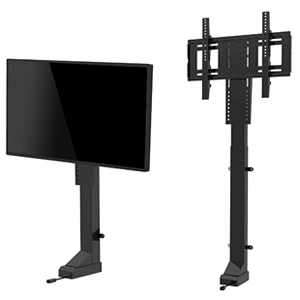
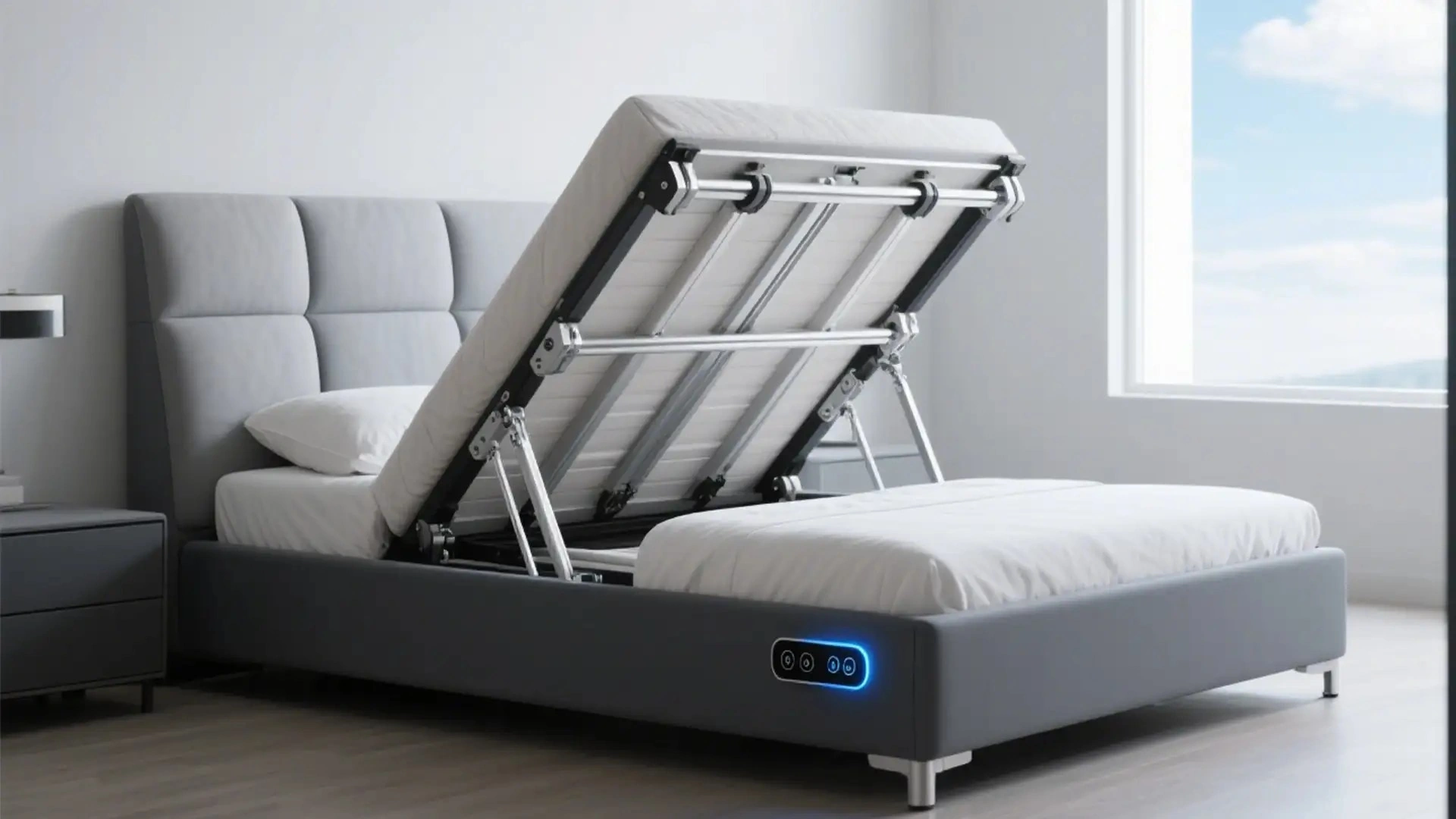
Un mécanisme de levage de télévision est un système électromécanique conçu pour relever et abaisser des écrans de télévision depuis des meubles tels que des cabinets, des buffets, des lits et des encastrés sur mesure. Ces mécanismes utilisent des actionneurs linéaires électriques pour réaliser un mouvement vertical fluide et contrôlé, transformant la manière dont les utilisateurs interagissent avec leur équipement audiovisuel.
Les composants principaux d'un mécanisme de levage de télévision typique incluent :
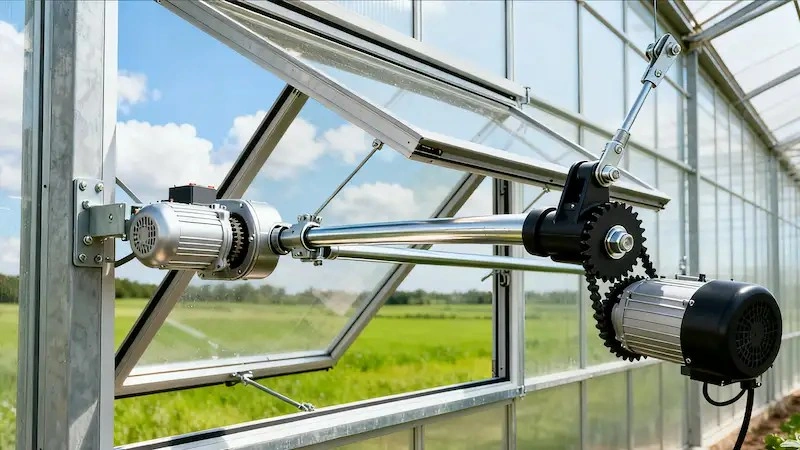
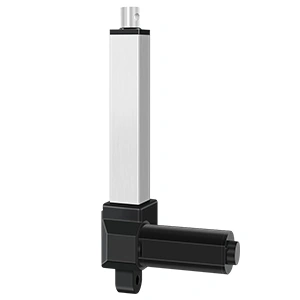
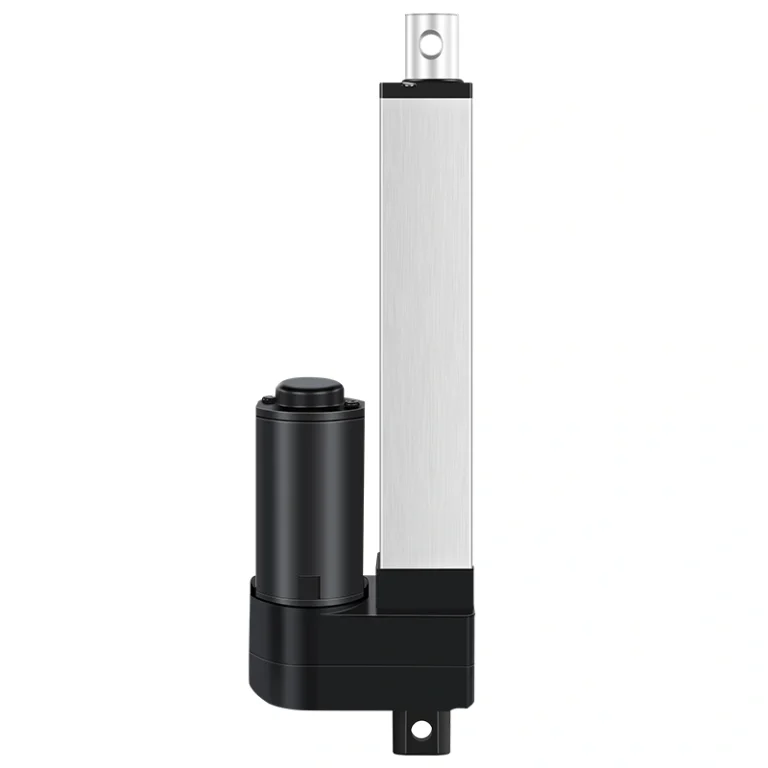
Actionneur Linéaire Électrique: L'unité moteur qui convertit l'énergie électrique en mouvement linéaire
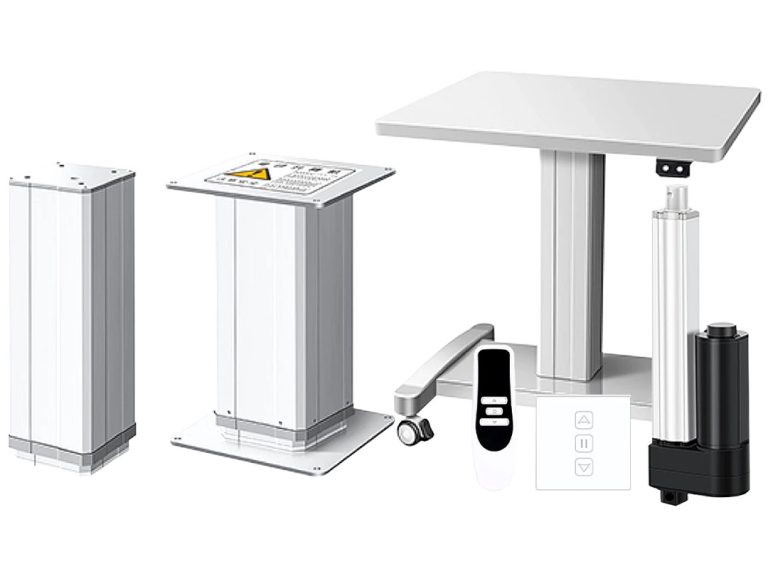
Colonne de levage: L'élément structurel qui s'étend et se rétracte pour déplacer la télévision
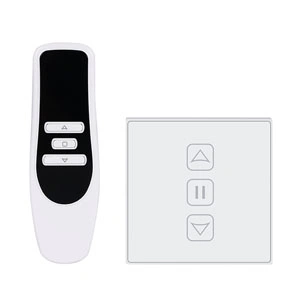
Système de contrôle: Télécommandes, interrupteurs muraux ou intégration dans la maison intelligente pour l'opération
Matériel de Montage: Supports et adaptateurs qui sécurisent la télévision au mécanisme de levage
Pourquoi choisir une installation de télévision dissimulée ?
Les installations de télévision dissimulées offrent des avantages convaincants qui expliquent leur popularité croissante dans le design intérieur moderne :
Optimisation de l'Espace: En montant les téléviseurs dans des meubles, vous éliminez le besoin d'écrans montés au mur ou de supports de télévision encombrants, libérant ainsi de l'espace au sol précieux et créant un profil visuel plus propre.
Attrait Esthétique: Lorsqu'il n'est pas utilisé, la télévision disparaît complètement, préservant le design prévu du meuble et permettant à la décoration de la pièce de passer au premier plan.
Protection: Cachés dans les cabinets, les téléviseurs sont protégés de la poussière, des dommages accidentels et des accès non autorisés—particulièrement important dans les ménages avec des enfants.
Polyvalence: Le même meuble peut servir à plusieurs usages, la télévision n'apparaissant que lorsque désirée et le cabinet fournissant de l'espace de rangement ou d'affichage autrement.
IPTV as a Configuration Example
The IPTV series is a configurable OEM TV-lift platform for furniture and AV integration. Current product evidence lists configuration-specific stroke, load, speed, noise, power, environmental-protection and control options that must be confirmed for the selected build and cabinet assembly.
Caractéristiques clés des colonnes de levage IPTV
Charge: The current product brief lists 1500N as a static-load figure. Confirm working/dynamic load, screen and bracket weight, leverage, guide support, duty cycle, safety factor and test conditions; do not convert 1500N into a screen-size or working-load promise.
Speed / noise: The current brief lists 25mm/s no-load, 20mm/s full-load and a noise figure below 45 dB. Confirm the selected configuration, load, supply, controller settings, measurement method, distance and environment before using these figures in an OEM specification.
Column / stroke configuration: The current brief lists stroke choices from 300mm to 1200mm. Confirm the available selected build, retracted/extended dimensions, column/profile geometry and full-motion clearance before freezing the cabinet design.
Lifecycle: Do not assume a universal cycle-life value from this article. Request lifecycle or endurance evidence for the exact IPTV configuration if the project requires a cycle-life acceptance criterion.
Safety / fault functions: Confirm current-limit, overload, obstruction/anti-collision, soft-start/stop, limit and fault behavior for the selected controller/module. Finished-cabinet clearances and safety validation remain system-level requirements.
Colonnes de levage à 2 sections vs à 3 sections : Choisir la bonne configuration
For a concealed TV installation, compare the selected column/profile and drawing rather than assuming fixed 2-section versus 3-section performance. The required stroke, retracted height, extended height, cabinet opening, screen/bracket load and full-motion clearance should drive the configuration.
Colonnes de levage à 2 sections
Caractéristiques:
Confirm the selected two-section column/profile and approved drawing
Confirm mechanism, guide and service details for the selected build rather than assuming lower complexity
Verify the actual retracted length and cabinet envelope on the selected drawing
Confirm load-dependent speed for the selected motor/controller configuration
Evaluate against:
Cabinet height/depth and the selected column’s retracted dimensions
Required full-stroke time under the actual moving load
Current quotation, required functions and cabinet integration cost
Actual TV + bracket moving load, leverage, guide support and safety factor
Course: Use the current available stroke list and selected-build drawing; do not assume a fixed 400–600mm range for every two-section configuration.
Colonnes de levage à 3 sections
Caractéristiques:
Confirm the selected three-section column/profile and approved drawing
Compare actual stroke-to-retracted-length geometry on the selected build
Confirm load-dependent speed and motion behavior for the selected motor/controller configuration
Confirm working/dynamic load and test conditions; stage count does not establish load capacity
Evaluate against:
Cabinet opening, depth, height and full-motion envelope
Actual screen/bracket weight and geometry rather than diagonal screen size alone
Required visible rise, bracket offset and top-opening clearance
Required retracted position and cabinet closure geometry
Course: Use the current available stroke list and selected-build drawing; do not assume a fixed 600–800mm range for every three-section configuration.
Guide de sélection
Review area
2 sections
3 sections
Selected drawing
Confirm retracted/extended dimensions and profile
Confirm retracted/extended dimensions and profile
Course
Current IPTV brief lists 300–1200mm options; confirm availability for the selected build
Moving load
Calculate screen + bracket + mechanism load, leverage, guide support and safety factor; confirm working/dynamic rating
Cabinet clearance
Verify opening, full-motion envelope, bracket offset and cable path
Speed / noise
Confirm selected motor/controller, load and test conditions
Commercial fit
Use current quotation and required configuration; do not infer lower/premium cost from stage count
Spécifications techniques : Actionneurs linéaires électriques pour meubles intelligents
Comprendre les paramètres techniques des actionneurs linéaires électriques est essentiel pour une conception et une intégration appropriées du système.
Exigences en matière de puissance
The current IPTV brief lists a 24V DC configuration and optional wall-power adapter paths. Confirm the selected supply, adapter input/output, plug, current capacity, controller compatibility and destination-market requirements before production.
Métriques de performance
Vitesse: Current brief lists 25mm/s no-load and 20mm/s full-load; confirm selected build and test conditions. Bruit: Current brief lists <45 dB; confirm load, distance, measurement method, environment and selected configuration. Operating temperature: Current brief lists -20°C to +60°C; confirm selected motor, controller, cable, lubrication, enclosure and actual operating conditions.
Capacité de charge par modèle
Current IPTV brief
Published reference
Engineering boundary
Static load
1500N
Confirm working/dynamic load, screen + bracket weight, leverage, guide support, duty cycle, safety factor and test conditions
Course
300–1200mm options listed
Confirm exact available stroke, retracted/extended dimensions and drawing
Screen size
No universal mapping
Select from actual screen/bracket mass and cabinet geometry, not diagonal size alone
Intégration avec les systèmes de contrôle
The current IPTV brief lists several possible control paths. Availability and behavior depend on the selected controller/module, region, app or hub, wiring and ordered configuration:
RF remote: listed as a possible control path; confirm selected remote, range, pairing and controller compatibility
Wired control: confirm whether a wall switch/handset or other hardwired interface is included in the selected configuration
Zigbee / Tuya: listed as a possible path; confirm module, target hub, region, app flow, pairing and account requirements
Bluetooth BLE: listed as a possible path; confirm selected controller/module, app or protocol and expected range
Guide d'installation : Intégration des relevés de télévision pop-up dans des meubles
Concealed TV integration should follow the selected IPTV drawing, cabinet structure, screen/bracket load, full-motion clearance, power/control architecture and cable-routing requirements. The steps below are design-review checkpoints, not a universal installation procedure.
Planification pré-installation
Exigences de conception de cabinet:
Les dimensions internes doivent accueillir la colonne de levage en position complètement rétractée
Prévoir une ventilation adéquate pour éviter l'accumulation de chaleur autour de la télévision
Assurez-vous d'un support structurel pour le poids du cabinet lorsqu'il est chargé avec la télévision et le mécanisme
Planifiez des chemins de gestion des câbles pour l'alimentation, HDMI et d'autres connexions
Calculs de dégagement:
Mesurez les dimensions de la télévision, y compris les bordures et le support de montage
Set clearance from the selected column/profile, TV/bracket envelope, cabinet opening and full-motion drawing rather than a universal 20–30mm rule
Calculate cabinet geometry from retracted/extended column dimensions, screen/bracket position, opening travel and required service/closure clearances
Étapes d'installation
Préparez le cabinet: Découpez les trous de montage et installez des canaux de gestion de câbles
Mount the lifting column: use the approved bracket/fastener pattern, cabinet structure and torque/installation requirements for the selected build
Attach the TV bracket: verify VESA/interface compatibility, bracket rating, fasteners and the selected screen geometry; do not assume one universal bracket
Connectez la télévision au levier: Fixez la télévision à la plaque de montage du mécanisme de levage
Installez le système de contrôle: Connectez l'alimentation, la boîte de contrôle et les commandes utilisateur
Testez le fonctionnement: Vérifiez l'extension et la rétraction fluides avant l'assemblage final
Commission the system: verify configured limits, control functions, cable travel, stopping/fault behavior and full-motion clearance according to the selected controller/module
Solutions de gestion des câbles
Cable routing should be engineered for the complete motion envelope and selected interface:
Use a cable chain or other guided routing method only when supported by the cabinet geometry and selected cable/column design
Define power/signal routing, bend radius, strain relief and EMC requirements for the actual wiring architecture
Provide controlled slack/service loops only where they remain clear of pinch points through full travel
If wireless control is used, confirm the selected module, power, app/hub dependencies and fail-safe behavior; the lift still requires its own power and motor wiring
Smart Home Integration: Confirm Module & Platform Compatibility
Smart-home functions are optional integration features, not inherent capabilities of the lifting column. Define the selected controller/module, command interface, app/hub, region, account/service dependencies, privacy/security requirements and safe behavior if the smart-home layer is unavailable.
Scénarios d'automatisation courants
Example scene: a home-automation system could coordinate TV-lift movement with lighting or AV equipment only when the selected gateway/controller and automation platform support the required commands and sequencing.
Scheduled routine example: automated lift movement should be implemented only with the required controller/module, safe clearances and platform logic for the finished furniture.
Away-mode example: automatic retraction can be considered if the selected control architecture supports it and the system verifies that movement is safe at the time of command.
Bedroom furniture: the same mechanical selection rules apply—screen/bracket load, cabinet geometry, cable routing, controls, noise target and clearances must be confirmed.
Compatibilité des systèmes de contrôle
Do not claim compatibility with a named smart-home platform unless the selected controller/gateway has been verified for it. The current IPTV brief supports these configuration paths:
RF remote: confirm selected remote and controller pairing
Zigbee / Tuya: confirm module, hub/app, region and pairing flow
Bluetooth BLE: confirm module, app/protocol and range
Alexa-related control: confirm gateway/controller, account, region/language and service dependencies
Other platforms / APIs: require interface documentation and project-specific integration validation before compatibility is claimed
Applications: Where a TV Lift May Be Evaluated
Salons résidentiels
Living-room cabinetry is one possible application when screen/bracket weight, cabinet geometry, clearances, controls, cable routing and noise requirements fit the selected IPTV configuration.
Salles de cinéma à domicile
Home-theater cabinetry can use a TV lift when the selected stroke, moving load, bracket geometry and cabinet opening support the intended display.
Chambres
Bedroom furniture can conceal a display without wall mounting, subject to the same load, clearance, noise, cable-routing and control requirements.
Cuisines et salles à manger
Kitchen or dining furniture requires additional review of heat, moisture, contamination, cleaning and electrical conditions before a TV-lift configuration is approved.
Espaces commerciaux
Hospitality or commercial fixtures may use TV lifts, but duty cycle, service access, controls, safety/fault behavior and applicable equipment requirements should be defined for the actual installation.
Applications maritimes et de VR
Marine, RV or other mobile applications require separate vibration/shock, voltage, mounting, corrosion, environmental-protection and regulatory review; do not infer suitability from a two-section column or compact packaging.
Maintenance & Troubleshooting: Follow the Selected Configuration
Maintenance and troubleshooting requirements depend on the selected IPTV build, cabinet, bracket, cables, controller/module and operating environment. Use the current product/order documentation and observed field conditions rather than fixed generic intervals.
Entretien de routine
Lubrification: follow the selected column’s current maintenance documentation; do not add lubricant or an annual interval unless specified
Inspection: define fastener/bracket inspection from the finished furniture’s maintenance plan and actual service conditions
Nettoyage: follow material/enclosure and electrical cleaning limits for the selected build
Cables / connectors: inspect routing, strain relief, pinch points and connections as required by the maintenance plan
Problèmes courants et solutions
Problème observé
Check first
Next action
Uneven / jerky motion
Load path, guide alignment, obstruction, cable routing, supply/controller state
Stop operation and diagnose against the selected drawing and service documentation; do not assume lubrication is the cause
No response
Supply, adapter, controller/module, handset/pairing, wiring and faults
Use the selected electrical diagram and fault procedure
Unexpected noise
Mounting, cabinet contact, guide/load alignment, cables and mechanism
Stop if abnormal and inspect before continued operation
Display not level
Bracket geometry, fasteners, guide support and load distribution
Correct the assembly according to the approved drawing; do not compensate by forcing the lift
Garantie et support
Warranty and technical-support scope are order- and market-specific. Confirm warranty term, covered components, exclusions, replacement process, controller/module coverage and support path in the applicable quotation or agreement.
Choisir le bon système de relevage de télévision : Considérations clés
Choisir le mécanisme d'élévation de télévision optimal implique d'évaluer plusieurs facteurs :
Critères de sélection principaux
Poids du téléviseur: Vérifier que la capacité de la colonne élévatrice dépasse le poids de votre téléviseur avec une marge
Taille du téléviseur: Assurer la compatibilité du support de montage avec la taille de votre écran
Dimensions du cabinet: Confirmer que le mécanisme s'inscrit dans l'espace disponible tant en position étendue qu'en position repliée
Hauteur d'extension souhaitée: Déterminer à quelle hauteur le téléviseur doit s'élever au-dessus du cabinet
Préférences de contrôle: Sélectionner les options de contrôle appropriées pour votre cas d'utilisation
Considérations budgétaires: Équilibrer les fonctionnalités par rapport aux contraintes de coût du projet
Questions à poser aux fournisseurs
Quelle est la différence entre un relevé de télévision à 2 sections et à 3 sections ?
Stage count describes column geometry, not a guaranteed speed, load or screen-size class. Compare the selected 2-section or 3-section drawing for stroke, retracted/extended dimensions, moving load, speed, cabinet opening and full-motion clearance.
Puis-je intégrer le relevé de télévision avec des assistants vocaux comme Alexa ou Google Home ?
The current IPTV brief lists Alexa-related integration as a configuration-dependent control path. Confirm the selected controller or gateway, account setup, region/language, app/service dependencies and destination-market requirements. Do not claim Google Home or any other named platform unless that exact integration has been verified.
What happens if an object blocks the TV lift while it is moving?
Do not assume built-in collision detection or a specific stop/reverse behavior. Confirm the selected controller/module’s obstruction, current-limit, overload, limit and fault functions, then validate the finished cabinet for clearances and representative obstruction cases.
How much load can the IPTV platform handle?
The current IPTV brief lists 1500N as a static-load figure. Confirm working/dynamic load, screen and bracket mass, leverage, guide support, duty cycle, safety factor and test conditions for the selected build. Do not map that number directly to a TV diagonal or an unverified IPTV-3S-Pro rating.
Possible Design Directions: Verify Before Specification
Additional sensing, connectivity or materials may be considered in future/custom furniture projects, but they should be treated as project requirements to validate rather than assumed IPTV capabilities.
Technologies émergentes
Possible design directions: touchless sensing, predictive/automated control, alternative power/interface architectures or lighter structural materials may be evaluated when the project defines their interfaces, failure modes, privacy/security implications, load limits and validation criteria. None should be presented as a current default IPTV feature.
Project Drivers to Define
Required cabinet/display aesthetics and concealment behavior
Required control interface, hub/app/voice ecosystem and offline behavior
Target market, supply/plug requirements, documentation and commercial constraints
Current quotation, BOM, module availability and lifecycle/replacement plan
Actual residential, hospitality or commercial duty, service and safety requirements
Conclusion: Specify the Complete TV-Lift Assembly
The IPTV series is a configurable OEM platform for concealed-display furniture and AV integration. Final suitability depends on the selected stroke, retracted/extended dimensions, working load, speed, noise target, power supply, controller/module, enclosure protection, mounting geometry, cable routing and required documentation.
Choose a 2-section or 3-section configuration from the actual cabinet envelope and selected drawing, not from fixed speed/load/screen-size assumptions. If smart-home control is required, verify the exact controller/module, platform dependencies and safe system behavior separately.
Colonnes de levage – category for candidate columns; confirm available configurations and ratings
Sources & Evidence Boundary
Current IPTV product page — source for the current brief’s configuration-specific load, stroke, speed, noise, power, IP54 and control-path references.
VESA standards — verify the actual display/mount interface applicable to the selected screen and bracket.
Any named smart-home platform, wireless module or compliance claim requires current documentation for the selected controller/module, region and destination market.
Obtenez des Aperçus d'Experts sur le Contrôle de Mouvement Industriel
Sélectionner le bon vérin linéaire électrique ou colonne de levage est crucial pour la performance de votre projet. En tant que fabricant professionnel de Contrôle de Mouvement & Automatisation, nos ingénieurs vous aident à personnaliser la capacité de charge, la longueur de course et les classes IP en fonction de votre application spécifique. Partagez vos exigences techniques pour une solution sur mesure.
ActuLift prend en charge la personnalisation de bout en bout, de la conception structurelle et des paramètres de course aux finitions de marque et de boîtier, vous aidant à construire une identité de marque puissante.
Réponse rapide et prototypage
Nous comprenons l'importance de la rapidité dans l'approvisionnement B2B, en utilisant des flux de production optimisés pour garantir des réponses efficaces du développement d'échantillons à la livraison en gros.
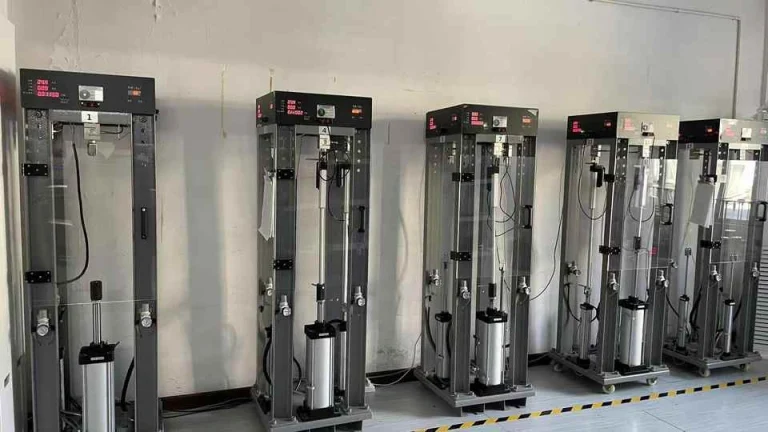
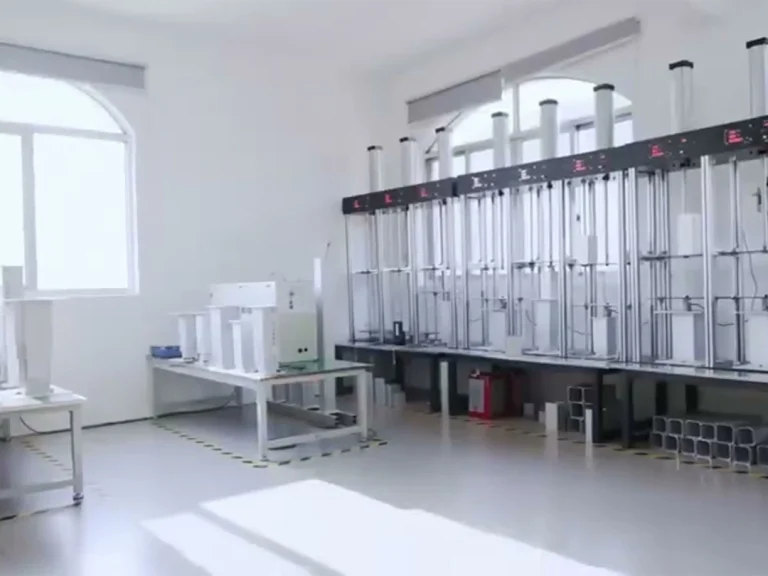
Quality Documentation & Traceability
Quality and traceability requirements vary by project. Ask ActuLift for the applicable inspection records, product specifications, drawings and available compliance documentation for the selected model and order.