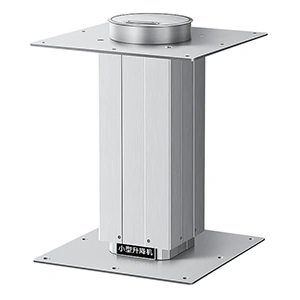
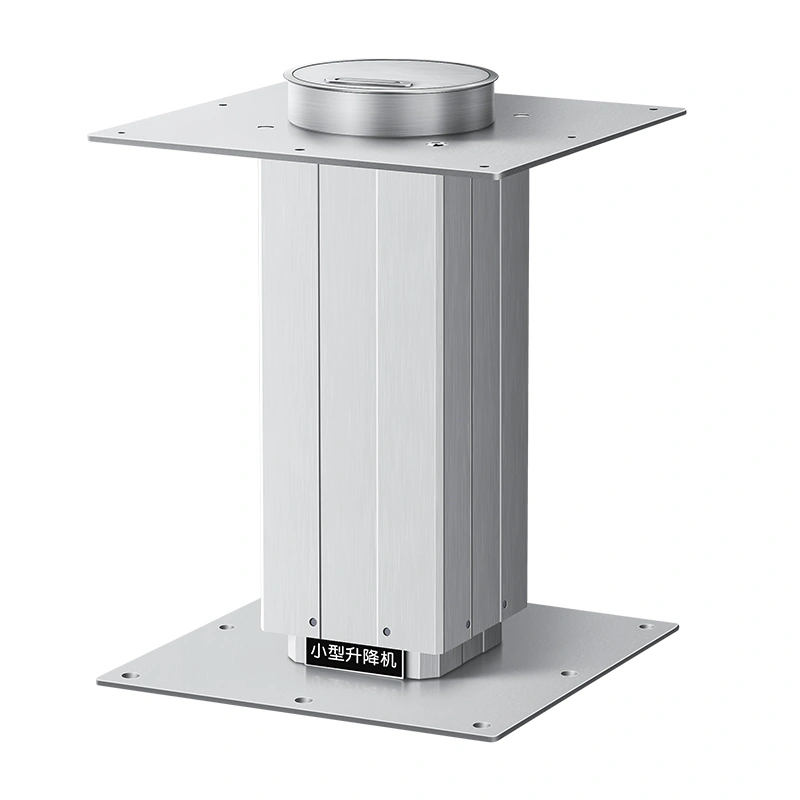
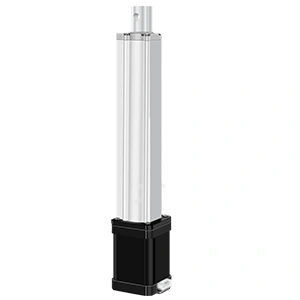
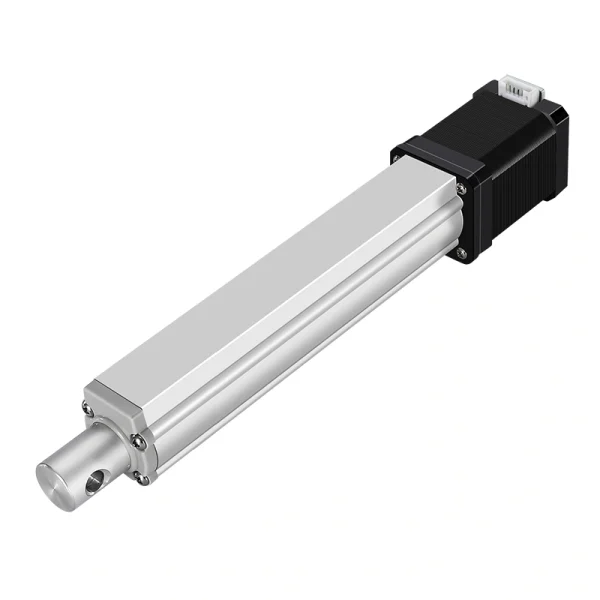
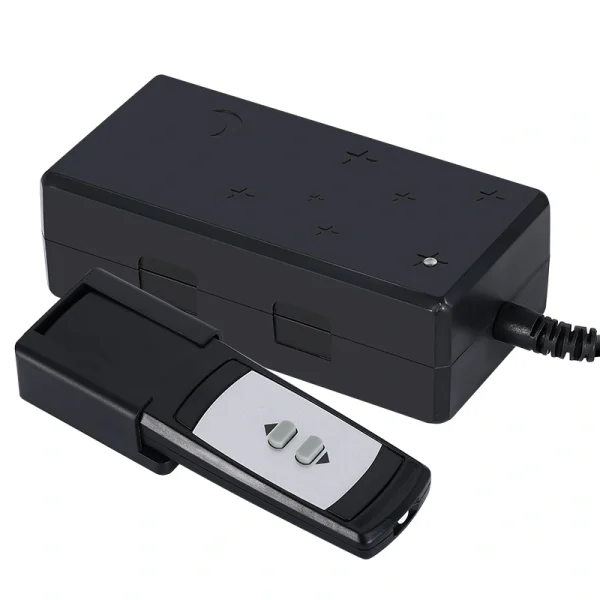
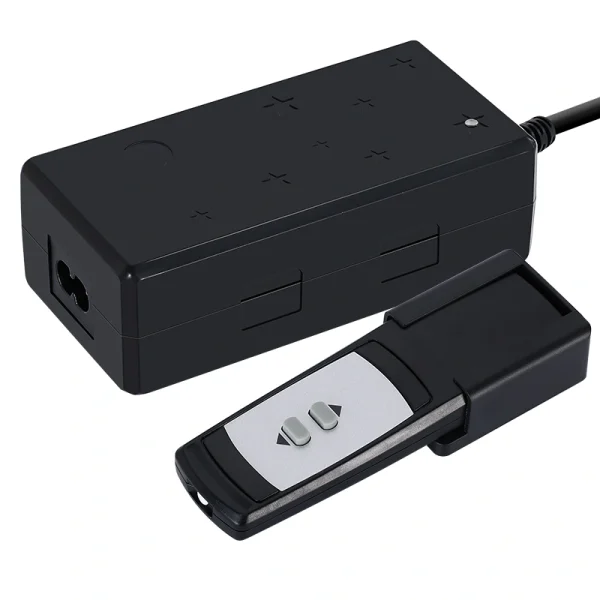
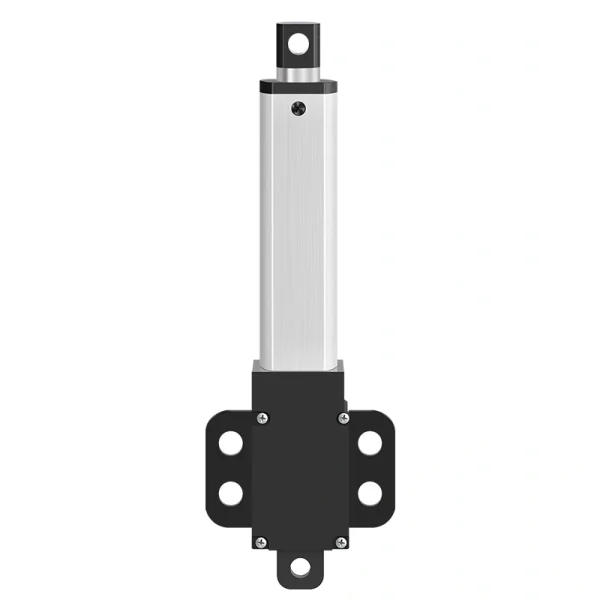
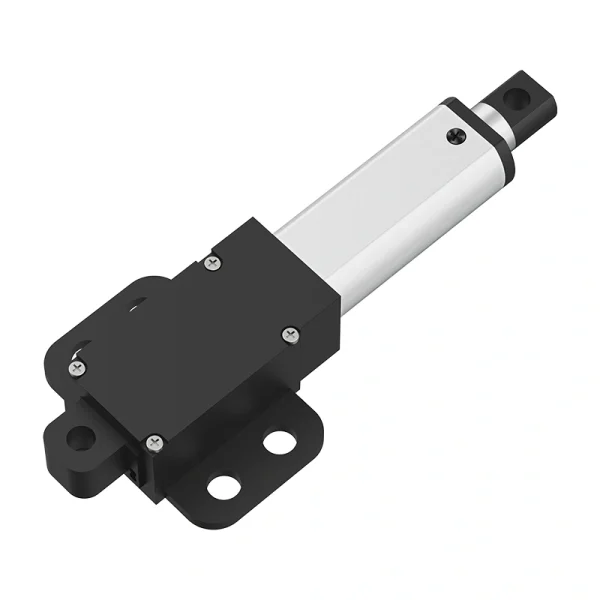
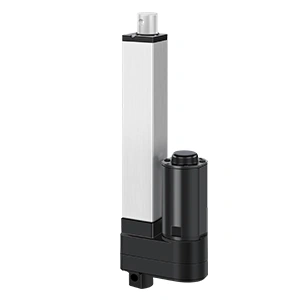
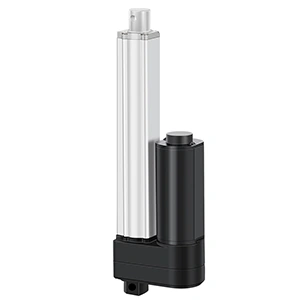
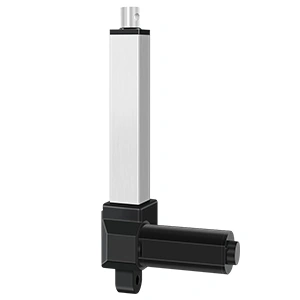
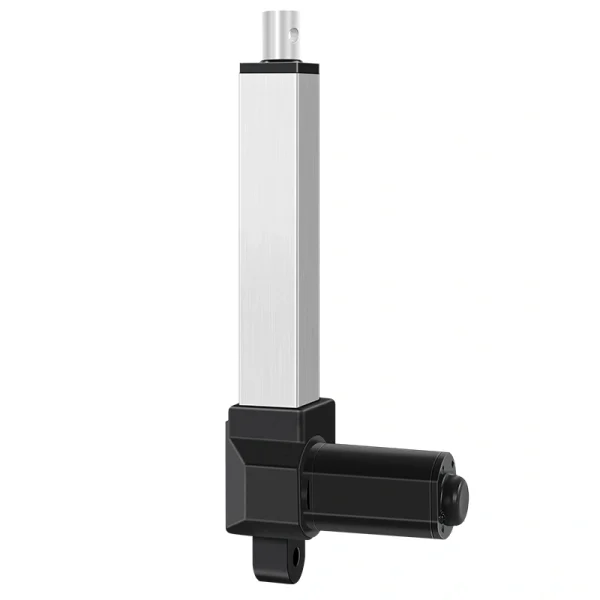
IPTT-SD manual telescopic lift column for OEM equipment
IPTT-SD is currently listed as a manual telescopic lifting-column platform for OEM equipment and adjustable structures. Final suitability depends on the selected mechanical configuration, required load, travel, locking method, mounting geometry, adjustment frequency, environmental requirements and surrounding frame.
For platform comparison, review ActuLift คอลัมน์การยกแบบยืดไสลด์, คอลัมน์ยกไฟฟ้า และ industrial and mobile column lifts before locking the architecture.
Configuration data to confirm before quotation
- Required static, working and handling load in the complete mechanism.
- Required travel, retracted height and extended height.
- Manual adjustment method and locking or retention requirements.
- Column orientation, mounting geometry and frame support.
- Adjustment frequency and expected lifecycle.
- Side-load, eccentric-load and stability requirements.
- Required environmental or ingress-protection level.
- Required materials, finishes and appearance.
- Required drawings, inspection records and compliance documentation.
Load and mechanical integration
Column capacity should be confirmed from the complete load case rather than inferred from a generic catalog figure. Provide the working load, holding load, load center, mounting direction, frame support, off-center forces and safety factor before selecting the final IPTT-SD configuration.
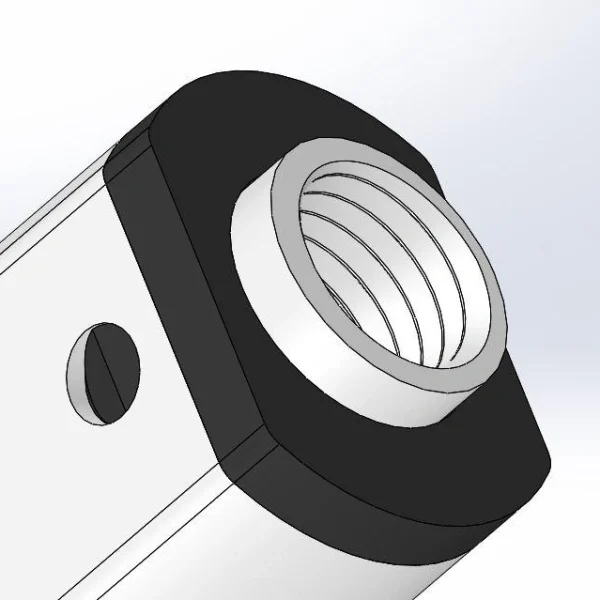
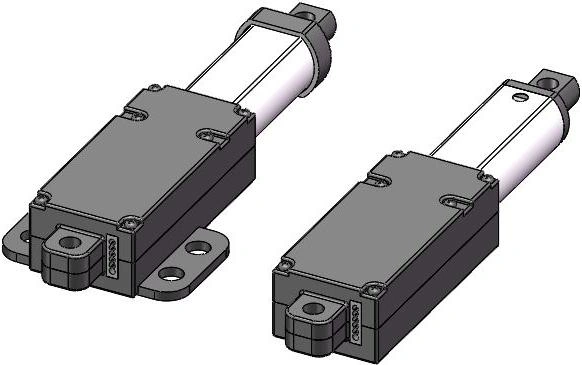
The surrounding structure should guide the motion and limit unnecessary side loading or misalignment. Confirm mounting holes, bracket spacing, support points and structural stiffness during drawing review. Related hardware can be reviewed under เพื่อให้แน่ใจว่ามีการรวมทางกลที่ไม่ราบรื่น..
Travel and manual adjustment planning
Required travel should be derived from the finished equipment geometry. Confirm retracted height, extended height, available installation space and adjustment range on an approved drawing rather than assuming one universal stroke range.
For manual adjustment, define how the user moves, positions and retains the column. Confirm any locking, clamping, detent, friction, assisted-motion or safety requirement for the ordered configuration before sample approval.
Stability, side-load and lifecycle validation
Perceived stability depends on the column geometry, clearances, guides, surrounding frame and load position. Do not assume negligible lateral play or a universal side-load capability from generic page wording.
If the application requires repeated adjustment, specify the expected cycle pattern and validate wear, retention, sliding feel and structural stability during sampling. A manual mechanism should be evaluated against the actual adjustment frequency rather than assuming no maintenance requirement.
Environmental and protection requirements
Environmental suitability depends on the exact column build, joints, exposed interfaces, surface treatment, mounting orientation and surrounding equipment. If the project requires a specific ingress-protection level, cleaning method, temperature range, humidity limit or exposure condition, request the current supporting test basis or documentation for the ordered configuration.
Noise and user-facing operation
For equipment used near people, define an acceptable sound target and evaluate the complete structure during adjustment. Sliding interfaces, clearances, frame resonance, load and installation quality can materially change the sound of the finished equipment.
If acoustic performance is a procurement requirement, request the applicable measurement condition and current evidence for the selected configuration rather than relying on a generic page value.
Application and system fit
IPTT-SD can be evaluated for workstations, laboratory furniture, equipment frames and other manually adjustable structures, but application fit should be confirmed from the complete mechanical design rather than from a generic industry label.
If the project later requires powered adjustment, compare the structure with ActuLift คอลัมน์ยกไฟฟ้า before freezing the frame.
Compliance and documentation
For export programs, regulated equipment or customer quality systems, request the documentation package for the exact IPTT-SD configuration. Depending on the project, this may include dimensional drawings, material information, inspection records, environmental evidence or available compliance declarations.
Do not treat generic page wording as proof that CE, RoHS or another certification applies unchanged to every configuration or to the buyer’s finished equipment.
OEM buyer checklist
- Confirm the exact IPTT-SD configuration before sample approval.
- Confirm load case, travel and mounting geometry from the real structure.
- Confirm the manual adjustment and retention method.
- Confirm stability, side-load and adjustment-frequency requirements.
- Confirm environmental/protection requirements with supporting documentation.
- Confirm material, finish and appearance requirements.
- Confirm the documentation package required before bulk approval.
Where IPTT-SD fits
IPTT-SD is best treated as a configurable manual telescopic lifting-column platform for OEM equipment rather than a fixed universal specification. Use the product page to begin sourcing, then lock the mechanical, environmental and documentation requirements through drawings, samples and project-specific validation.