5 Engineering Requirements for Linear Actuators in Hospital Bed Systems
Review five engineering and documentation requirements when evaluating linear actuators for hospital-bed systems, including noise, load, controls, durability, and compliance evidence.
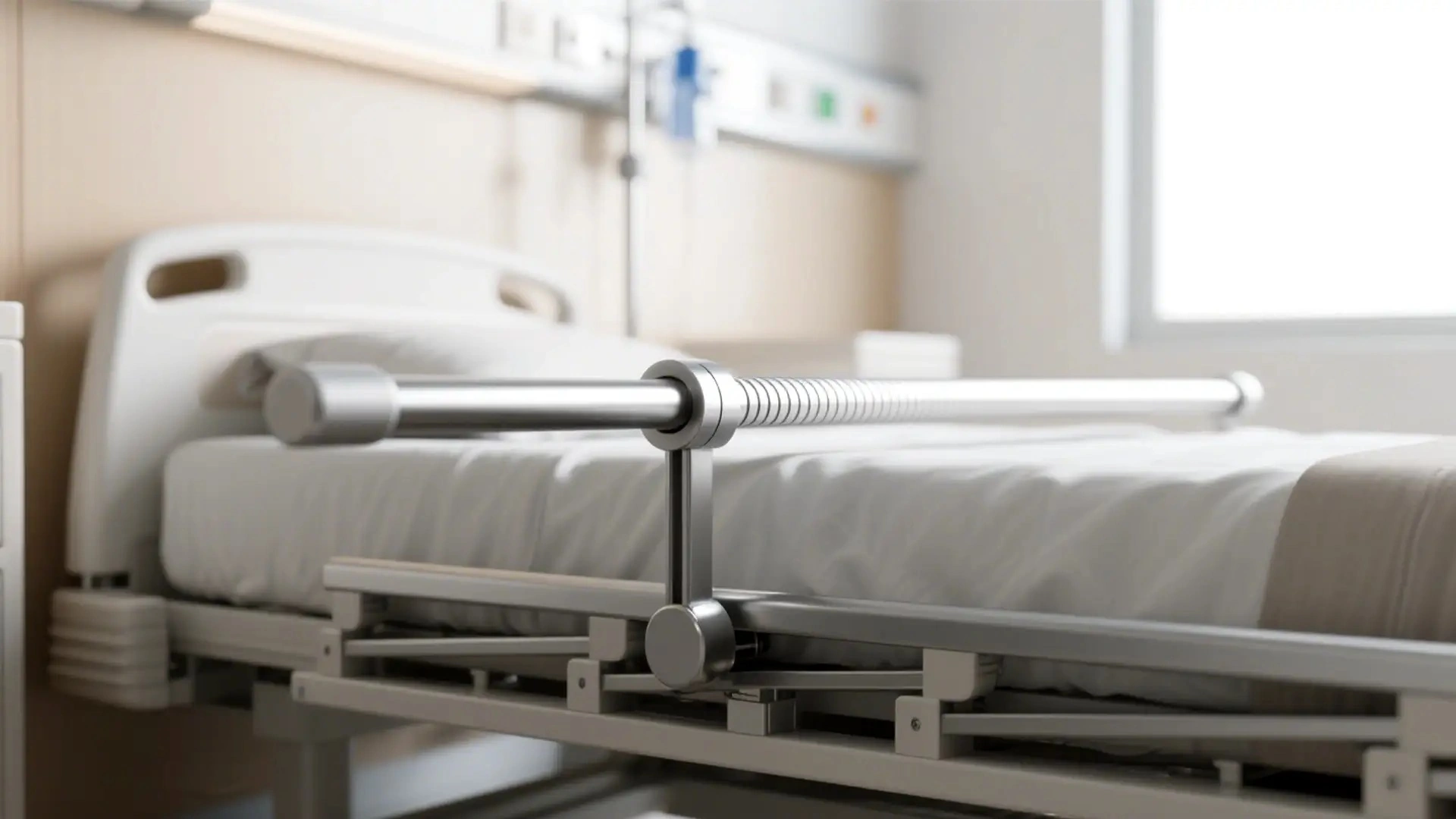
When it comes to hospital beds, every mechanism matters. Patients rely on adjustable positions for comfort, medical staff need reliable operation for efficiency, and healthcare facilities demand equipment that meets stringent safety standards. Hospital-bed motion systems may use one or more electric actuators, but each actuator should be treated as a component within the finished bed’s mechanical, electrical, control and safety architecture.
Selecting a linear actuator for a hospital-bed mechanism requires matching the component to the project’s load, stroke, speed, controls, acoustic target, environment, duty cycle, documentation and finished-device validation requirements. Whether you’re a hospital procurement specialist, medical device manufacturer, or healthcare facility manager, understanding what separates standard actuators from components suitable for the intended hospital-bed system after project-specific validation is essential.
Dalam artikel ini, kita akan menjelajahi five engineering and documentation requirements for linear actuators used in hospital-bed systems. This page is a requirements checklist rather than a product-specific approval guide. For an IP6000-specific acoustic, load and configuration validation example, see Hospital Bed Actuator Noise & Load Validation: Evaluating IP6000.
Daftar Isi
1. Acoustic Performance in Patient-Adjacent Environments
Mengapa Kebisingan Penting dalam Pengaturan Kesehatan
In patient-adjacent environments, actuator and mechanism noise can affect comfort, communication and equipment acceptance. Treat acoustic performance as a defined engineering requirement for the finished bed rather than assigning a general medical or recovery outcome to the actuator itself.
For patient-adjacent equipment, acoustic performance should be defined as a project requirement and verified on the finished mechanism. Do not treat a single decibel figure as a universal medical threshold. Define the acoustic target together with load, speed, measurement distance, mounting structure, enclosure, ambient conditions, and test method, then validate the finished mechanism against that target.
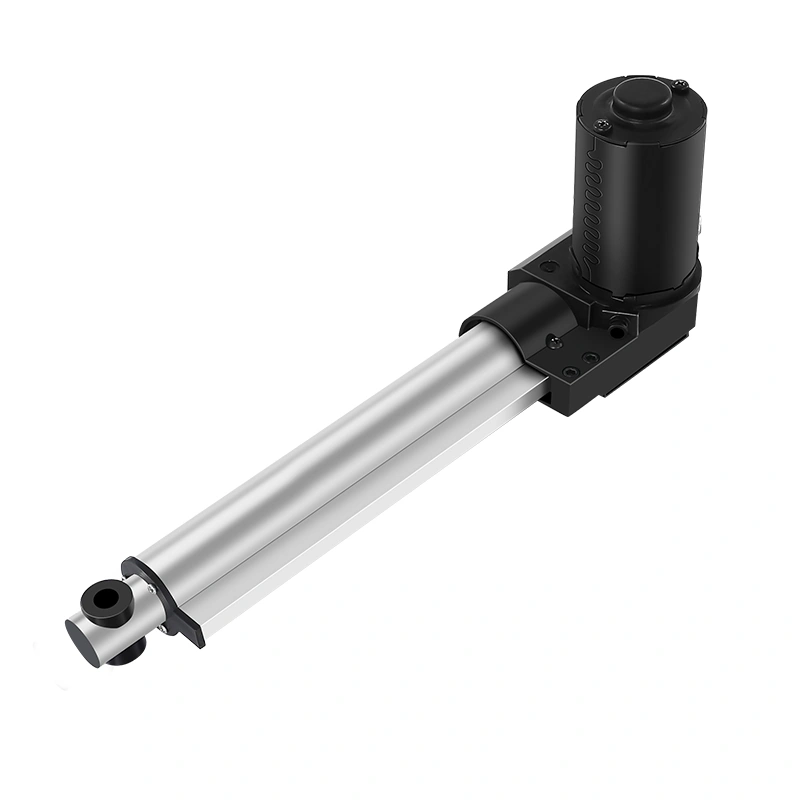
For IP6000, confirm the acoustic target and request configuration-specific evidence for the selected motor, gearing, controller, load, mounting, and test conditions before approval.
2. Performa Halus dan Stabil
Controlled Movement and Finished-System Safety
When adjusting a patient’s bed position—whether for comfort, medical procedures, or therapeutic reasons—the motion should be controlled, predictable, and validated for the intended use. Jerky or inconsistent motion can startle patients, disrupt medical treatments, or even pose safety risks during critical care situations.
Actuators used in hospital-bed systems should be evaluated for smooth, predictable motion through the required stroke under the intended load, geometry, control method, and duty cycle. This smooth operation ensures:
Kenyamanan pasien selama penyesuaian posisi
Controlled positioning against the project’s defined movement requirements
Predictable response within the finished system’s safety architecture
Reduced mechanical shock when motion is properly tuned and validated
For IP6000, validate movement quality in the actual mechanism during sampling, including full travel, end-of-stroke behavior, vibration, current draw, control response, and mechanical interference.
3. Kapasitas Gaya Tinggi: Memenuhi Aplikasi yang Menuntut
Why Load Calculation Matters
Hospital beds serve diverse functions—from basic patient comfort to complex medical procedures requiring substantial force capacity. Required actuator force varies with bed type, mechanism geometry, supported mass, operating position, duty cycle and safety architecture; do not infer a universal hospital-bed load requirement from an application label.
Do not treat 6000N as a universal IP6000 rating or as an automatic requirement for hospital-bed projects. If a legacy brief references 6000N, confirm the selected configuration and calculate the actual actuator requirement from:
Moving and holding loads in the actual bed mechanism
Linkage geometry and leverage including any simultaneous-axis loading
Required stroke and installation envelope for the selected mechanism
Duty cycle, holding behavior, safety factor, and validation conditions
Select the rated working point only after the complete load path, mounting angle, friction, side-load risk, duty cycle, controller behavior, and required safety margin are defined. Sample testing should confirm the selected configuration under representative conditions.
4. Compliance Evidence and Finished-System Requirements
CE and RoHS: Component Documentation Context
For hospital-bed projects, component documentation and finished-system regulatory obligations must be separated. Ask which declarations, test reports, specifications, and traceability records apply to the selected actuator configuration; the finished-device manufacturer remains responsible for determining and validating the standards that apply to the complete bed system.
CE documentation should be reviewed for the exact product or configuration and for the scope stated in the applicable declaration. A CE mark or declaration for a component should not be treated as proof that the finished hospital bed satisfies medical-device requirements.
RoHS documentation addresses restricted substances. It is not a medical-safety certification and should not be used as evidence that a finished hospital-bed system meets medical-device safety or performance requirements.
For IP6000, request the current model- and configuration-specific CE/RoHS or other applicable compliance documents before approval. Confirm their scope and do not extend component-level documentation to the buyer’s finished medical device.
5. Keandalan dan Ketahanan
Durability Requirements for Hospital-Bed Systems
Hospital-bed duty can vary substantially by function, load, usage pattern, environment, cleaning regime, and maintenance plan. Reliability therefore needs project-specific targets and validation rather than a generic application label or unsupported durability assumption.
Faktor utama keandalan meliputi:
Umur layanan yang panjang melalui pemilihan komponen berkualitas
Cycle-life performance against the project’s defined test target
Defined maintenance and service expectations for the finished equipment
Rumah yang kuat melindungi mekanisme internal
For IP6000, define the required duty cycle, lifecycle target, load, environment, holding behavior, inspection plan, and maintenance expectations, then request applicable validation data for the selected build.
How should noise be specified for a hospital-bed actuator?
Define an acoustic target for the finished mechanism together with load, speed, measurement distance, mounting structure, enclosure, ambient conditions, and test method. Do not treat 48 dB or any other single figure as a universal medical threshold.
How should actuator force be selected for a hospital bed?
Calculate the required actuator force from the complete mechanism, including moving and holding load, linkage geometry, leverage, friction, mounting angle, duty cycle, side-load risk, and safety margin. If a legacy brief references 6000N, confirm the exact selected configuration before using that figure.
What compliance evidence should be reviewed for a hospital-bed actuator?
Request current model- and configuration-specific declarations, specifications, test records, material-compliance information, and traceability documents as required by the project. CE or RoHS documentation for a component does not by itself establish compliance of the finished medical device.
How should a candidate actuator be evaluated for a specific hospital-bed design?
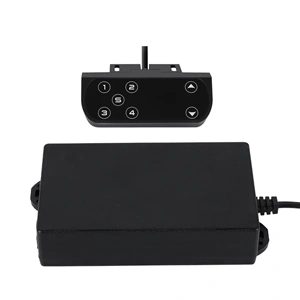
Treat the candidate actuator as a configurable component and confirm load, stroke, installation dimensions, speed, controls, feedback, protection, duty cycle, documentation, and sample-validation requirements for the specific mechanism. The finished bed still requires its own system-level verification.
Conclusion: Apply the Five Requirements to the Selected Actuator
When evaluating a linear actuator for a hospital-bed system, apply the same five requirements to the selected candidate: acoustic target, controlled motion, force, compliance evidence, and durability/validation. Confirm the actual build against the project’s load, stroke, speed, controls, duty cycle, environment, documentation, and finished-system acceptance criteria. For an IP6000-specific validation workflow, see Hospital Bed Actuator Noise & Load Validation.
For hospital-bed OEMs and engineering teams, the purchasing decision should be based on configuration-specific evidence, drawings, samples, and system-level validation. The actuator alone does not establish medical-device compliance or suitability for a particular patient-care application.
Planning a Hospital-Bed Motion Project?
Jelajahi bagaimana aktuator linier berdaya tinggi IP6000 can be evaluated for your hospital-bed motion design and aplikasi perawatan kesehatan. Our team can support configuration review and customization discussions based on your defined project requirements; final suitability must be confirmed for the selected build and finished system.
Hubungi kami with the required load, stroke, speed, control method, environment, duty cycle, mounting geometry, documentation needs, and target application so the appropriate actuator configuration can be reviewed.
Dapatkan Pandangan Para Ahli tentang Kontrol Gerakan Industri
Memilih yang tepat aktuator linier listrik atau kolom pengangkat sangat penting untuk kinerja proyek Anda. Sebagai seorang profesional Produsen Kontrol Gerakan & Otomatisasi, insinyur kami membantu Anda menyesuaikan kapasitas beban, panjang langkah, dan rating IP berdasarkan aplikasi spesifik Anda. Bagikan persyaratan teknis Anda untuk solusi yang disesuaikan.
ActuLift mendukung kustomisasi dari awal hingga akhir, mulai dari desain struktural dan parameter jalur hingga branding dan penyelesaian casing, membantu Anda membangun identitas merek yang kuat.
Respons Cepat & Prototyping
Kami memahami pentingnya kecepatan dalam pengadaan B2B, memanfaatkan alur kerja produksi yang dioptimalkan untuk memastikan respons efisien dari pengembangan sampel hingga pengiriman massal.
Quality Documentation & Traceability
Quality and traceability requirements vary by project. Ask ActuLift for the applicable inspection records, product specifications, drawings and available compliance documentation for the selected model and order.