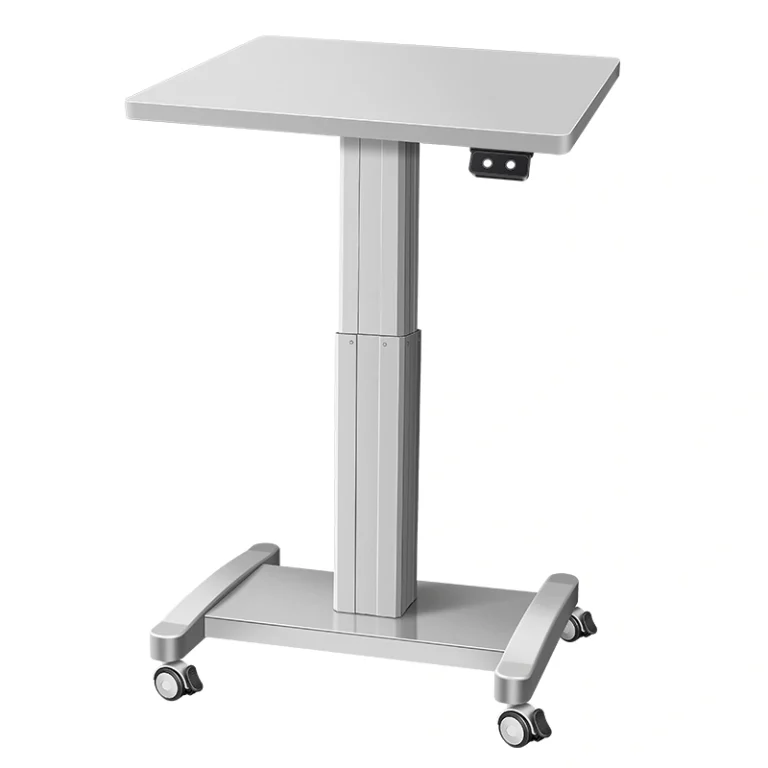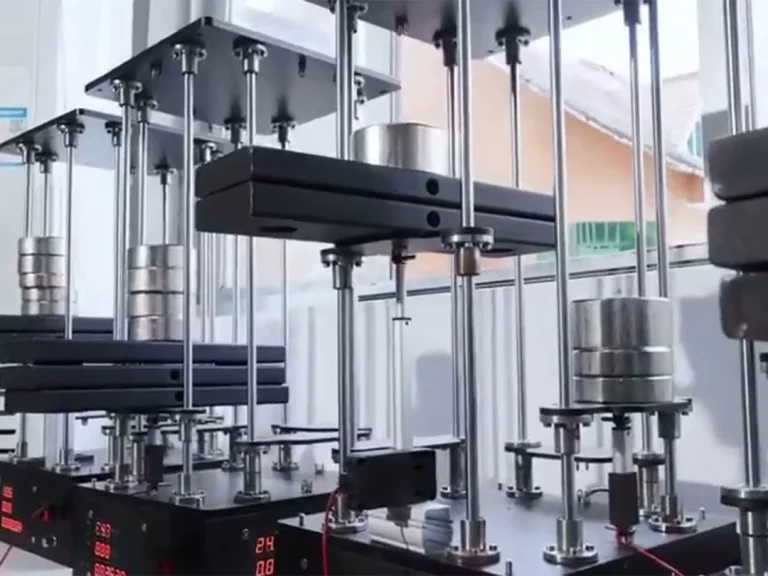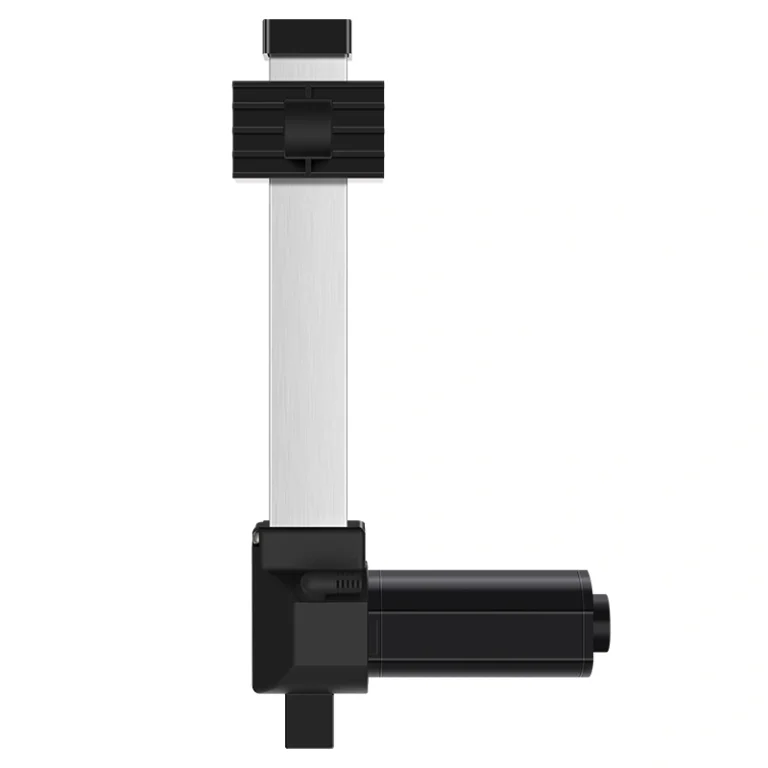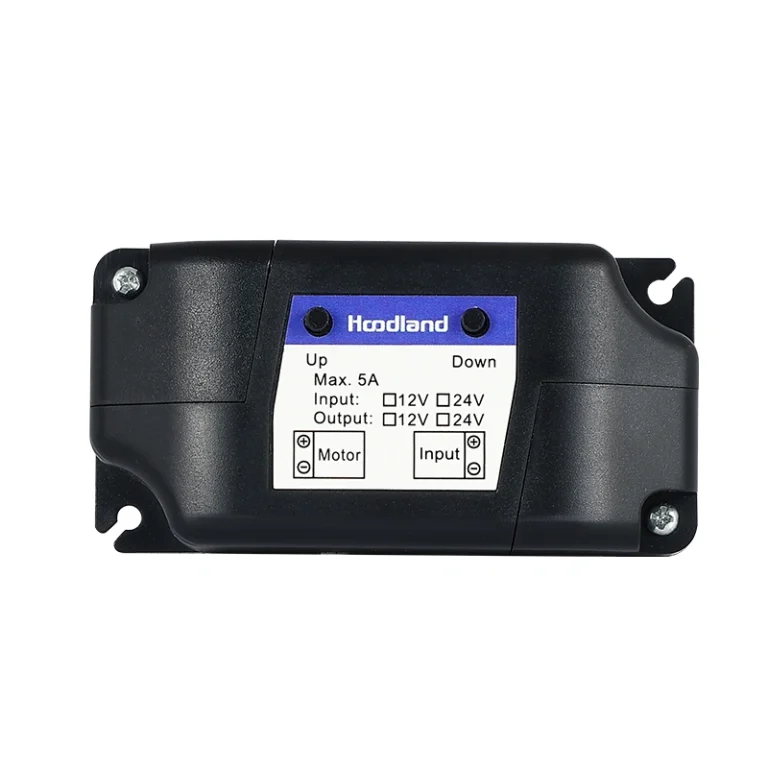


Height-adjustable desks and electric lifting columns are one part of modern workplace furniture programs. For B2B procurement and OEM teams, selection should be based on measurable load, height range, speed, duty cycle, stability, controls, environment, user-interface and validation requirements rather…

B2B buyers sourcing electric standing-desk frames should evaluate suppliers using documented product and project evidence rather than market-trend claims. Supplier selection can affect compatibility, service burden, quality consistency and commercial risk, but those outcomes depend on the actual product, contract,…

Learn how to choose an electric linear actuator by load, stroke, speed, voltage, duty cycle, feedback, IP rating, and mounting space for OEM and industrial equipment projects.

Actuator duty cycle explained: calculate ON/OFF time, understand why the reference interval is product-specific, and account for load, ambient conditions and thermal limits.

Aprende cómo la protección de límite de corriente XB salvaguarda los actuadores lineales de atascos del motor y fallos en el cableado. Esta guía cubre la mecánica de desconexión instantánea por sobrecorriente, los beneficios de la recuperación de energía inversa y cómo esta característica de seguridad integrada a nivel de PCB extiende la vida útil del equipo en entornos industriales difíciles.

Learn how T-type (trapezoidal) lead screws convert rotary motion, when self-locking may occur, and how lead angle, friction, lubrication, efficiency, wear, backlash and load-holding trade-offs affect actuator selection.

Review five engineering and documentation requirements when evaluating linear actuators for hospital-bed systems, including noise, load, controls, durability, and compliance evidence.

Learn what static self-locking or holding force means in linear actuators, what can resist back-driving, and how screw geometry, gearing, brakes, load, lubrication, wear and temperature affect selection.