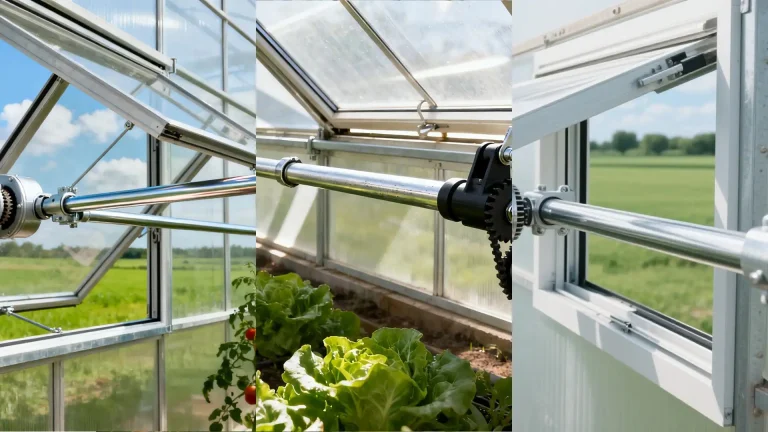
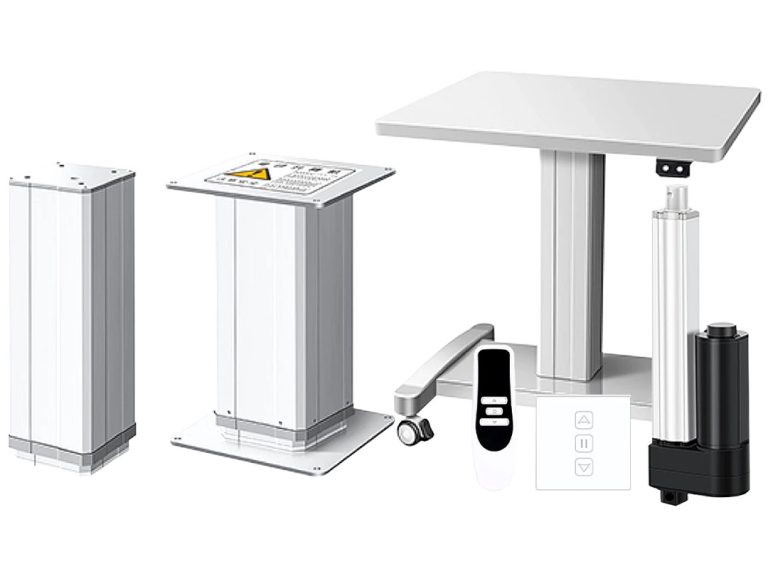
Custom OEM/ODM ActuLift : Du concept à la production des vérins
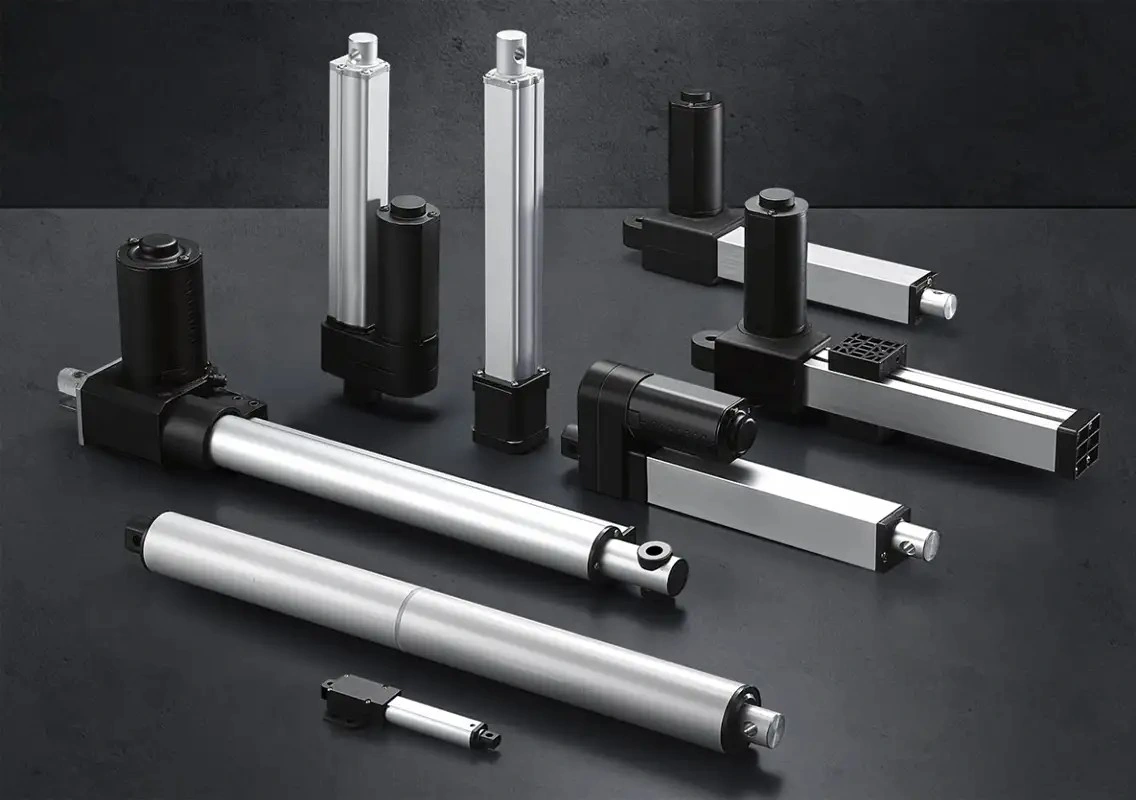
Découvrez les capacités complètes OEM/ODM d'ActuLift pour des actionneurs linéaires sur mesure. Des courses de précision de 10 à 1000 mm aux options de montage et de câblage sur mesure, découvrez comment notre équipe d'ingénieurs transforme des concepts de mouvement complexes en solutions industrielles prêtes à la production.
Use this guide to define an OEM/ODM linear-motion request around load, stroke, speed, duty cycle, mounting, cable routing, controls, environment and documentation before a configuration-specific review.
Table des matières
Introduction : Le défi OEM/ODM dans l'actionnement linéaire
OEM projects can differ in load, travel, mounting geometry, controls, cable routing, environment and documentation. The useful starting point is to define those requirements, then compare them with the closest existing actuator or lifting-column platform.
Les OEM/ODM project workflow starts with requirement review. Dimensions, interfaces, controls or other changes are evaluated against the selected product family; feasibility, performance, documentation, tooling, validation and commercial terms must be confirmed for the specific project before approval.
Pourquoi les solutions d'actionneurs linéaires sur mesure sont importantes
Les actionneurs standard sont livrés avec des longueurs de course fixes, des configurations de montage prédéterminées et des longueurs de câble prédéfinies. Bien que pratiques, ces options standardisées créent souvent des défis lors de l'intégration :
Limitations de course: Les courses standard peuvent ne pas atteindre les positions requises, entraînant des écarts opérationnels.
Incompatibilités de montage: Les motifs de trou existants ne s'alignent pas avec les interfaces d'actionneurs
Problèmes de câblage: Les longueurs de câble fixes créent des maux de tête lors de l'installation ou nécessitent des extensions
L'approche personnalisée d'ActuLift élimine ces points de friction en fournissant des actionneurs conçus spécifiquement pour votre application dès le départ.
Stroke and Travel Requirements: Define Before Review
La longueur de course définit jusqu'où votre actionneur peut s'étendre et se rétracter, faisant d'elle l'une des spécifications les plus critiques pour toute application.
Aperçu de la gamme de courses
Stroke availability is product-family and configuration dependent. Define the required travel, retracted and extended length, mounting geometry, load, speed and stability constraints, then confirm the feasible range for the selected platform.
Stroke / package input
What to define
Required travel
Minimum and maximum motion needed by the mechanism
Retracted / extended length
Available installation envelope and end-clearance limits
Load and speed
Required working point through the intended travel
Geometry / stability
Mounting points, side-load risk, critical-speed or column-stability constraints
Avantages de l'ingénierie de course sur mesure
Lorsque vous spécifiez vos exigences de course exactes, vous gagnez plusieurs avantages :
Travel fit: define the motion range required by the actual mechanism rather than choosing travel from a generic application label
Packaging fit: confirm retracted length, extended length, end dimensions and clearance in the assembly
Commercial fit: compare standard-platform and project-specific changes using the current quotation, tooling and validation scope
Integration fit: validate the selected sample against mounting, load path, controls and surrounding structure before release
Do not assume a particular stroke or positioning capability from this article. Submit the required travel and package constraints, then confirm what the selected actuator family can support.
Mounting Interface Requirements: Drawings First
La configuration de montage détermine comment l'actionneur se connecte à votre équipement. Des interfaces de montage incompatibles créent des défis d'installation, nécessitent des supports sur mesure ou exigent des reprises de conception, ajoutant du temps et des coûts à votre projet.
Options de montage standard et sur mesure
For OEM review, define the mounting interface from the mechanism drawing, including thread or pin standard, interface dimensions, load direction, articulation and tolerance requirements:
Mounting inputs to define:
Threaded interfaces: specify thread standard, size, engagement, material and load direction
Assembly constraints: define access, fastener, rotation, alignment and service requirements
Ingénierie de montage sur mesure
Project-specific mounting changes may be reviewed when the standard interface does not fit the mechanism. Treat the following as design inputs, not default available options:
Hole patterns: submit the required layout and tolerances for feasibility review
Flange interfaces: submit the mating geometry, load case and material/environment requirements
Pivot interfaces: define angular travel, pin loading, articulation and clearance
Rotating / trunnion-style interfaces: define the required motion and confirm whether the selected platform can support it
Submit a controlled interface drawing for engineering review. Any project-specific interface should be confirmed by drawing revision, sample fit check and the agreed acceptance criteria before production.
Cable, Connector and Routing Requirements
La longueur du câble peut sembler mineure, mais un dimensionnement inapproprié crée des défis d'installation significatifs. Des câbles trop courts nécessitent des prolongations ou un recâblage ; des câbles excessivement longs créent des encombrements de câblage, des points de pincement potentiels et une apparence peu professionnelle.
Options de personnalisation de câbles
Cable and connector requirements should be defined as project inputs and confirmed for the selected actuator/controller configuration:
Length: specify required finished cable length, routing allowance and tolerance
Connector: specify mating connector, pinout, locking, sealing and service requirements
Conductor sizing: confirm current, voltage-drop, flexing, temperature and applicable wiring requirements
Cable construction: define flex, abrasion, chemical, temperature, shielding or environmental requirements as applicable
Avantages d'installation
A configuration-specific cable plan can improve integration when it is designed and validated with the finished equipment:
Routing fit: define bend radius, strain relief, pinch-point avoidance and service access
Connection strategy: minimize unnecessary joints while meeting service and replacement needs
Packaging: confirm where excess cable, connectors and protective sleeves can be accommodated
Assembly method: confirm cable length, connector orientation and test method on the production assembly
Submit the cable/connector requirement with the mechanism and controller information; availability, tooling, pinout, sealing and validation requirements must be confirmed before it becomes an approved configuration.
Personnalisation complète : au-delà des bases
Les solutions OEM/ODM sur mesure d'ActuLift s'étendent au-delà de la course, du montage et de la configuration de câble. D'autres options de personnalisation incluent :
Options de tension
12V requirement: confirm a compatible actuator, controller, current draw and wiring for the selected build
24V requirement: confirm a compatible actuator, controller, current draw and wiring for the selected build
Other supply requirements: submit the voltage and electrical architecture for feasibility review; do not assume availability
Évaluations de force
Define the complete moving and holding load case, linkage geometry, duty cycle, speed and safety margin, then confirm the rated working point of the selected product family. Do not infer a universal custom-force range from this article.
Protection environnementale
Environnement: define dust, water, contamination, temperature, cleaning and storage exposure
Target ingress protection: state the required IP condition and request configuration-specific test/documentation evidence; a target is not an automatic available rating
Corrosion / chemical exposure: define materials, coatings, salt/chemical exposure and lifecycle expectations for feasibility review
Variations de vitesse
Define the required speed at the expected load together with stroke, duty cycle, controller behavior and stopping requirements. Confirm the achievable working point for the selected configuration rather than assuming a custom speed is always available.
Le processus d'actionneur sur mesure : de la demande à la livraison
1. Révision des spécifications
Soumettez vos exigences : longueur de course, configuration de montage, longueur de câble, tension, force et spécifications environnementales. L'équipe d'ingénierie d'ActuLift examine chaque paramètre pour des opportunités de faisabilité et d'optimisation.
2. Consultation en ingénierie
Une communication directe avec les spécialistes techniques d'ActuLift garantit que toutes les considérations sont prises en compte. Des recommandations pour l'optimisation sont fournies en fonction des exigences de l'application.
3. Développement de prototype
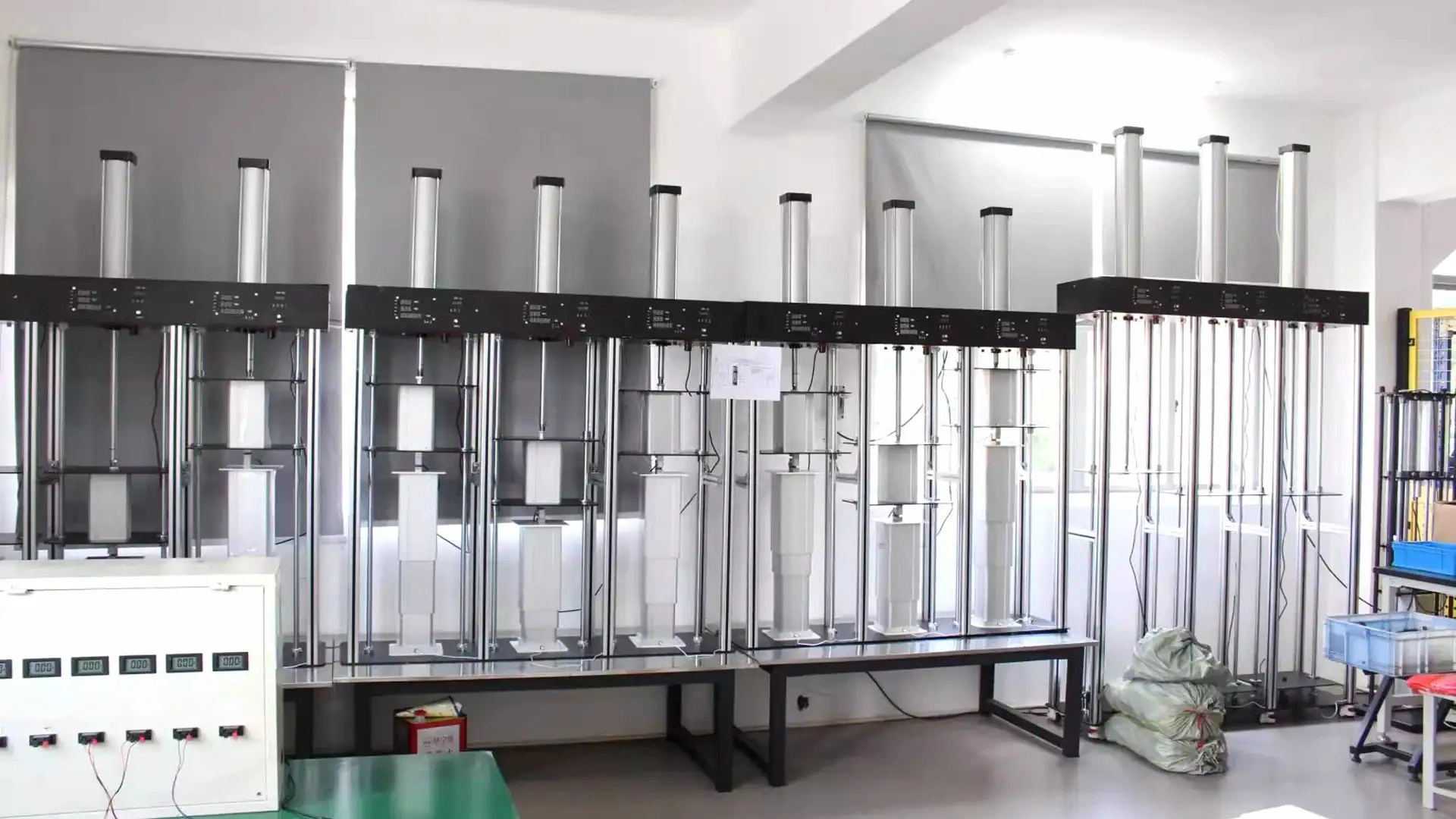
Where a sample or prototype stage is agreed, use it to verify fit, function and the defined performance criteria. Sampling supports validation but does not replace the buyer’s finished-system testing, qualification or regulatory responsibilities.
4. Production et livraison
After the selected configuration, drawing revision, quality requirements, documentation package and commercial terms are agreed, production can proceed under the approved order. The applicable inspections, records and supplied documentation must be defined for that project rather than assumed from this article.
Applications dans tous les secteurs
OEM/ODM requests can come from different equipment sectors. The application label does not by itself establish actuator suitability; evaluate the selected actionneur linéaire or lifting-column platform against the actual requirements:
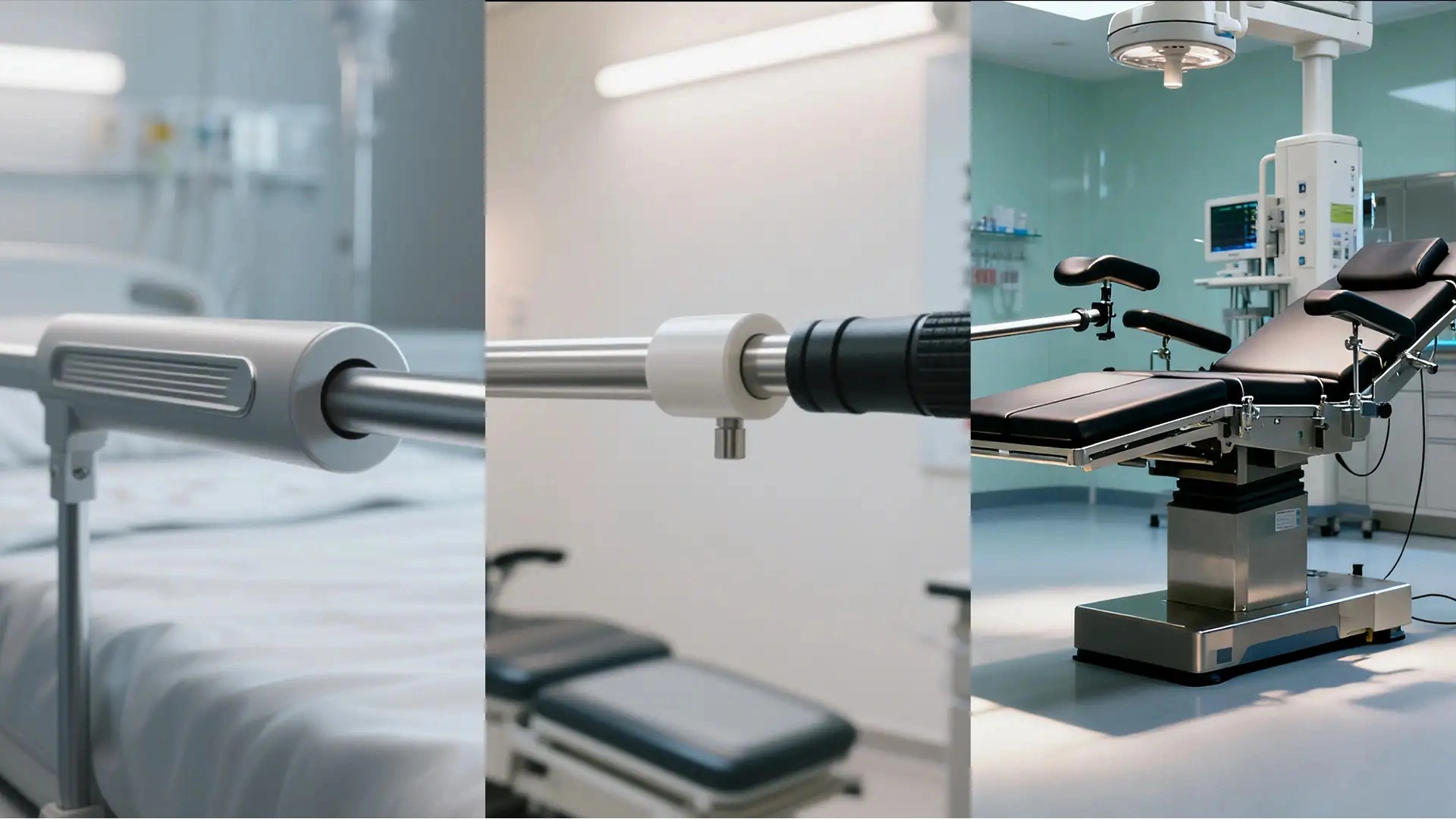
Care-related / medical equipment: define finished-device load, controls, safety, cleaning, documentation and regulatory requirements; component customization does not establish medical suitability
Machinerie agricole: define contamination, washdown, vibration, temperature, load and service conditions
Marine-adjacent / corrosive environments: define salt, moisture, materials, sealing and corrosion-test requirements; do not assume marine suitability
Vehicle / mobile equipment: define voltage, shock, vibration, temperature, mounting and applicable qualification requirements
Quelle est la différence entre OEM et ODM pour les actionneurs linéaires ?
For this sourcing workflow, OEM generally starts from buyer-defined drawings or specifications, while ODM may involve more supplier-side engineering input from functional requirements. In either case, freeze the selected platform, controlled drawing, configuration, validation plan and commercial/documentation scope before production.
Puis-je demander une classification IP personnalisée pour des environnements difficiles ?
You can submit a target ingress-protection requirement, but availability is product- and configuration-dependent. Define the actual dust/water exposure, mounting, cable/connector interfaces and cleaning conditions, then request configuration-specific test or declaration evidence before approval.
Quel est le délai typique pour un prototype d'actionneur sur mesure ?
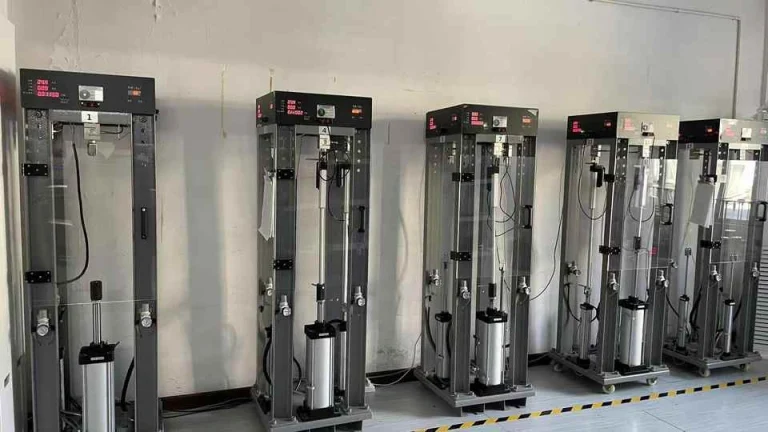
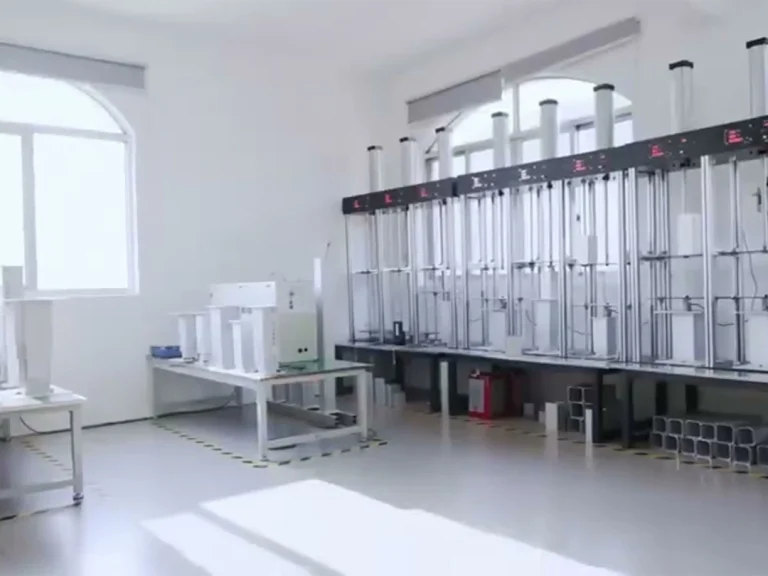
There is no universal prototype lead time. Timing depends on the selected base platform, engineering changes, drawings, tooling, components, sample quantity, test scope and documentation. Confirm the current project schedule in the quotation or project plan.
Supportez-vous des signaux de rétroaction personnalisés comme les capteurs Hall ?
Feedback or control requirements such as Hall sensing, potentiometer, limit switching or other interfaces can be submitted for review, but availability and electrical details are configuration-specific. Synchronization or position-control performance must be validated with the selected actuator, controller, wiring and mechanism.
Conclusion : Partenariat avec ActuLift pour vos besoins d'actionneurs sur mesure
OEM/ODM review should begin with a complete requirement set and the closest existing product platform. Any requested change to stroke, mounting, cable, controls, environment or other interfaces should be confirmed through the project-specific engineering and validation process.
Start from the relevant actionneur linéaire, lifting-column, control or mounting family, then document which dimensions, interfaces, controls or environmental requirements need configuration-specific review.
Ready to define an OEM/ODM request? Send the load, stroke, speed, duty cycle, voltage, controls/feedback, mounting drawing, cable/connector requirements, environment, documentation needs and target quantity for configuration review.
ActuLift Linear Actuator Families — start from the closest current platform, then use controlled drawings, approved specifications and configuration-specific test/documentation evidence for final decisions
Obtenez des Aperçus d'Experts sur le Contrôle de Mouvement Industriel
Sélectionner le bon vérin linéaire électrique ou colonne de levage est crucial pour la performance de votre projet. En tant que fabricant professionnel de Contrôle de Mouvement & Automatisation, nos ingénieurs vous aident à personnaliser la capacité de charge, la longueur de course et les classes IP en fonction de votre application spécifique. Partagez vos exigences techniques pour une solution sur mesure.
ActuLift prend en charge la personnalisation de bout en bout, de la conception structurelle et des paramètres de course aux finitions de marque et de boîtier, vous aidant à construire une identité de marque puissante.
Réponse rapide et prototypage
Nous comprenons l'importance de la rapidité dans l'approvisionnement B2B, en utilisant des flux de production optimisés pour garantir des réponses efficaces du développement d'échantillons à la livraison en gros.
Quality Documentation & Traceability
Quality and traceability requirements vary by project. Ask ActuLift for the applicable inspection records, product specifications, drawings and available compliance documentation for the selected model and order.