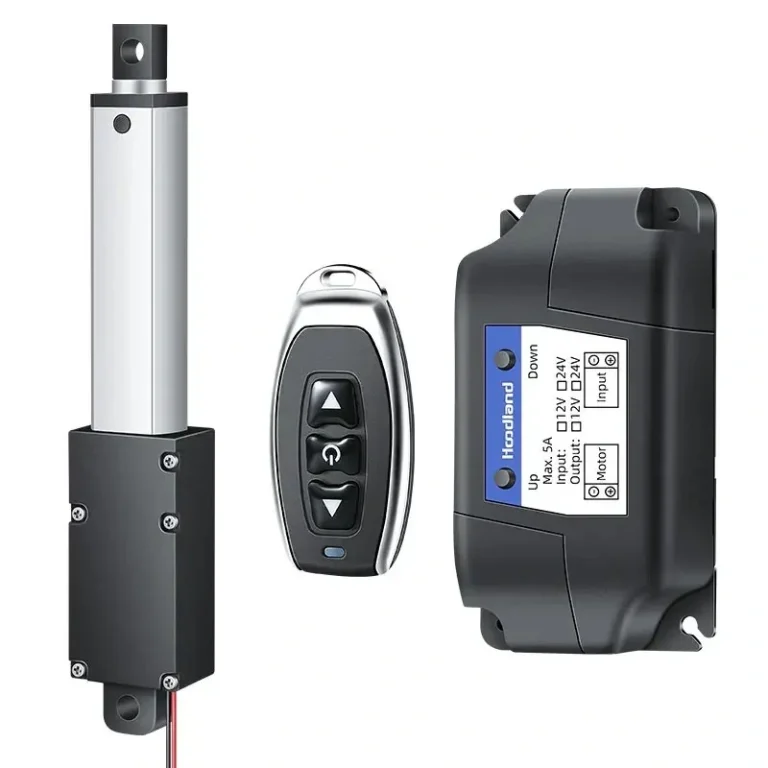
Protect your linear actuators from electrical damage with XB current limit protection. This advanced safety feature provides instant overcurrent disconnection and reverse power recovery, ensuring reliable operation in demanding industrial applications.
Understanding Current Limit Protection (XB)
When working with linear actuators in industrial environments, electrical faults pose a serious threat to equipment longevity and workplace safety. Overcurrent conditions can occur due to motor stall, wiring faults, or unexpected load variations—potentially damaging sensitive PCB circuits and rendering expensive actuators unusable.
The XB current limit protection system addresses these challenges by continuously monitoring electrical current flow and responding instantly when dangerous levels are detected. This optional safety feature transforms standard actuators into smarter, self-protecting devices suitable for critical applications where reliability cannot be compromised.
What Makes XB Protection Different?
Unlike traditional fuses or circuit breakers that require replacement after tripping, XB protection offers a reusable solution that automatically resets once the fault condition is cleared. The system operates at the PCB level, integrating seamlessly with the actuator’s control electronics to provide millisecond-level response times that traditional mechanical protection devices cannot match.
How XB Overcurrent Protection Works
The XB current limit protection operates through a sophisticated electronic monitoring system embedded within the actuator’s PCB circuit. Here’s a breakdown of the protection mechanism:
Current Sensing and Detection
The protection system continuously monitors the current draw of the actuator motor through a precision sensing resistor. When the current exceeds the predetermined threshold—typically set during manufacturing to match the actuator’s specifications—the system immediately initiates a protective response.
This continuous monitoring happens in real-time, with the system capable of detecting overcurrent conditions within microseconds. The speed of detection is crucial because electrical faults can cause thermal damage in milliseconds, making fast response essential for effective protection.
Instant Disconnect Mechanism
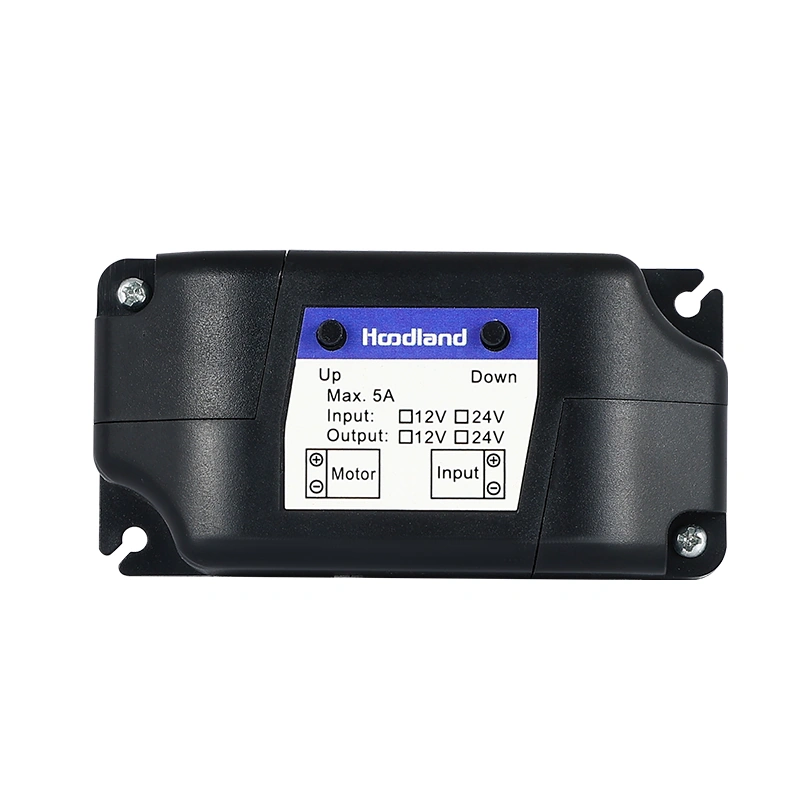
Once an overcurrent condition is detected, the XB protection system triggers an instant disconnect mechanism that isolates the motor from the power supply. This disconnect happens through solid-state switching elements—typically MOSFETs or IGBTs—that can interrupt current flow without mechanical delay.
The instant disconnect serves multiple protective functions:
- Prevents motor burnout: By cutting power immediately, the system prevents the thermal overload that causes permanent motor damage
- Protects PCB circuits: Sensitive control electronics are shielded from voltage spikes and current surges
- Eliminates fire risk: Electrical fires often start from overheated conductors; rapid disconnection removes this hazard
- Preserves connected equipment: Downstream control systems and power supplies remain protected from fault propagation
Reverse Power Recovery
One of the most valuable features of the XB protection system is reverse power recovery. After an overcurrent event disconnects the actuator, the system automatically monitors for conditions that allow safe operation to resume.
When the fault is cleared—whether from removing the obstruction, correcting the wiring issue, or allowing the system to cool down—the XB protection automatically re-enables power to the actuator. This self-resetting behavior means:
- Reduced downtime: No manual intervention required to restart operations
- Continuous protection: The system remains vigilant, ready to disconnect again if conditions warrant
- Smart recovery: The actuator returns to normal operation automatically once safety is confirmed
Why XB Protection Matters for Your Applications
Industrial Automation Environments
In industrial automation settings, linear actuators frequently operate under varying load conditions. Heavy duty linear actuators used in manufacturing equipment often encounter unexpected obstructions or alignment issues that create temporary overcurrent conditions.
XB protection ensures these temporary faults don’t result in costly downtime or equipment damage. The system tolerates brief overloads while still providing immediate disconnection for sustained fault conditions.
Outdoor and Harsh Conditions
Actuators deployed outdoors face unique challenges—temperature extremes, moisture exposure, and vibration can all contribute to electrical issues. Waterproof linear actuators equipped with XB protection add an extra layer of reliability for applications like:
- Agricultural equipment automation
- Outdoor gates and barriers
- Solar tracking systems
- Marine vessel controls
Safety-Critical Applications
When actuators control safety functions—fire dampers, emergency shutoffs, or patient positioning equipment—the consequences of failure can be severe. XB protection provides assurance that electrical faults won’t compromise these critical systems.
Control System Integration
XB protection works seamlessly with control boxes and controllers, providing status feedback that can be integrated into broader system monitoring. Maintenance personnel can be alerted to overcurrent events, enabling proactive troubleshooting before minor issues become major problems.
Technical Specifications and Considerations
Current Threshold Settings
The XB protection system is calibrated during manufacturing to match specific actuator models. Key specifications include:
- Maximum continuous current: The normal operating current the actuator can sustain indefinitely
- Trip current: The threshold at which protection activates (typically 150-200% of maximum continuous current)
- Trip time: How quickly the system responds once threshold is exceeded (typically <10ms)
- Recovery delay: The wait time before allowing power restoration after a trip event
Application Guidelines
When specifying XB protection for your application, consider:
- Load characteristics: High-inertia loads may cause brief startup currents that could trigger protection if not properly accounted for
- Duty cycle: Frequent cycling may require adjustment of protection parameters to avoid nuisance trips
- Environmental factors: Temperature extremes can affect both the protection electronics and motor characteristics
- System integration: Ensure your control system can handle the automatic recovery behavior
Troubleshooting Tips
While XB protection significantly reduces actuator failures, understanding common issues helps maintain optimal system performance:
Frequent Tripping
If your actuator trips frequently, investigate these common causes:
- Mechanical binding: Check for proper alignment and lubrication
- Excessive load: Verify the actuator is not exceeding its rated capacity
- Low voltage: Insufficient power can cause high current draw during operation
- Wiring issues: Inspect connections for corrosion or loose contacts
Protection Not Engaging
In rare cases where protection should activate but doesn’t:
- Verify the XB option is correctly configured for your actuator model
- Check for damage to the PCB circuit protection components
- Ensure proper grounding to allow protection electronics to function
What is the main difference between XB protection and a standard fuse?
Unlike traditional fuses that are “one-time use” and must be replaced, XB protection is a solid-state electronic system that automatically resets once the fault is cleared, minimizing downtime.
Does the XB current limit protect against voltage spikes?
Yes, by using millisecond-level response times and solid-state switching (MOSFETs), it isolates the motor and sensitive PCB components from both current surges and associated voltage spikes.
How does the “Reverse Power Recovery” feature work?
Once the overcurrent trigger is removed (e.g., an obstruction is cleared), the system detects a safe state and automatically re-enables power to the actuator without manual intervention.
Can I adjust the trip current threshold myself?
Typically, XB thresholds are factory-set to match the specific actuator’s motor ratings (usually 150-200% of continuous current) to ensure optimal safety and prevent nuisance tripping.
Conclusion
XB current limit protection represents a significant advancement in linear actuator safety design. By combining instant overcurrent disconnection with automatic reverse power recovery, this optional feature provides robust protection against electrical faults while minimizing operational disruption.
Whether you’re specifying actuators for industrial automation, outdoor applications, or safety-critical systems, XB protection delivers peace of mind through intelligent, self-protecting behavior. The investment in this optional feature pays dividends through reduced maintenance costs, extended equipment life, and improved system reliability.
Ready to explore actuators with XB protection? Contact our technical team to discuss your specific application requirements and find the right solution for your needs.
References
- Understanding Overcurrent Protection in DC Motors (General Engineering Principle)
- The Role of MOSFETs in Electronic Circuit Protection (Technical Component Reference)