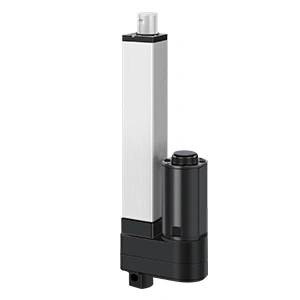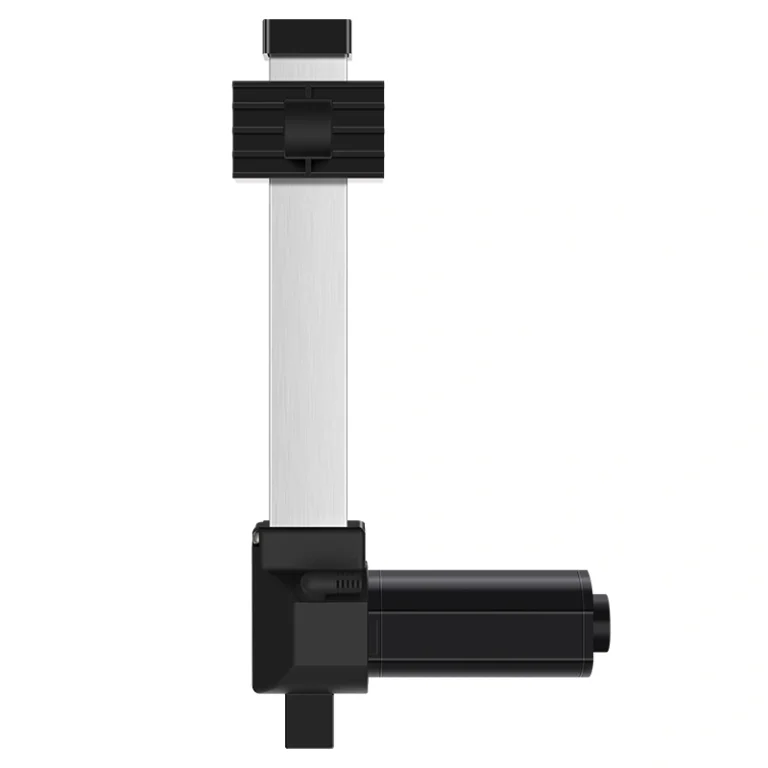


Solar trackers can increase energy capture by keeping modules closer to the intended sun angle, but real-world performance depends on the complete mechanical and control system. Actuator selection should therefore be based on verified load, holding, stroke, speed, feedback, environmental,…

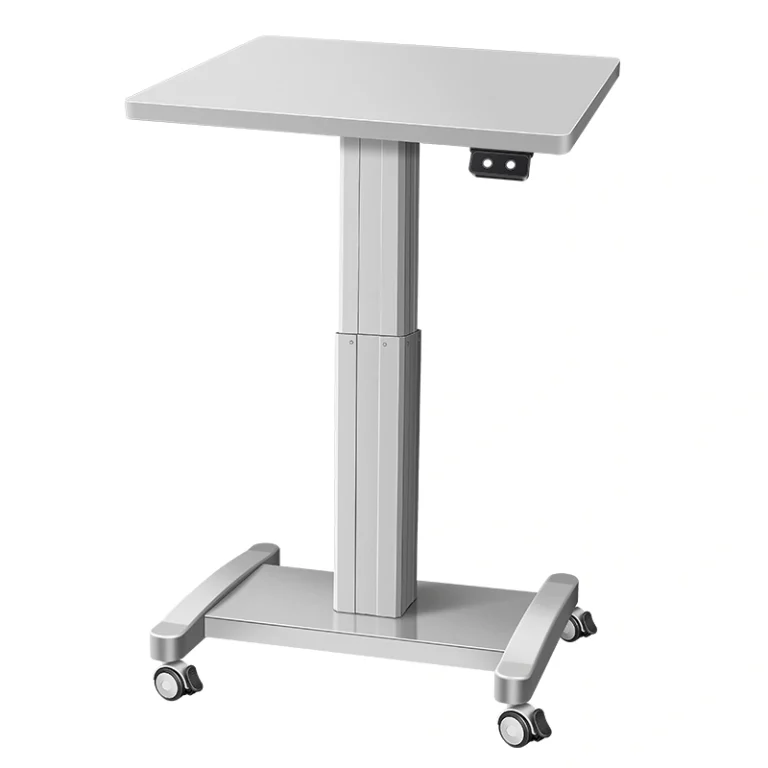
Height-adjustable desks and electric lifting columns are one part of modern workplace furniture programs. For B2B procurement and OEM teams, selection should be based on measurable load, height range, speed, duty cycle, stability, controls, environment, user-interface and validation requirements rather…

B2B buyers sourcing electric standing-desk frames should evaluate suppliers using documented product and project evidence rather than market-trend claims. Supplier selection can affect compatibility, service burden, quality consistency and commercial risk, but those outcomes depend on the actual product, contract,…

Actuator duty cycle explained: calculate ON/OFF time, understand why the reference interval is product-specific, and account for load, ambient conditions and thermal limits.

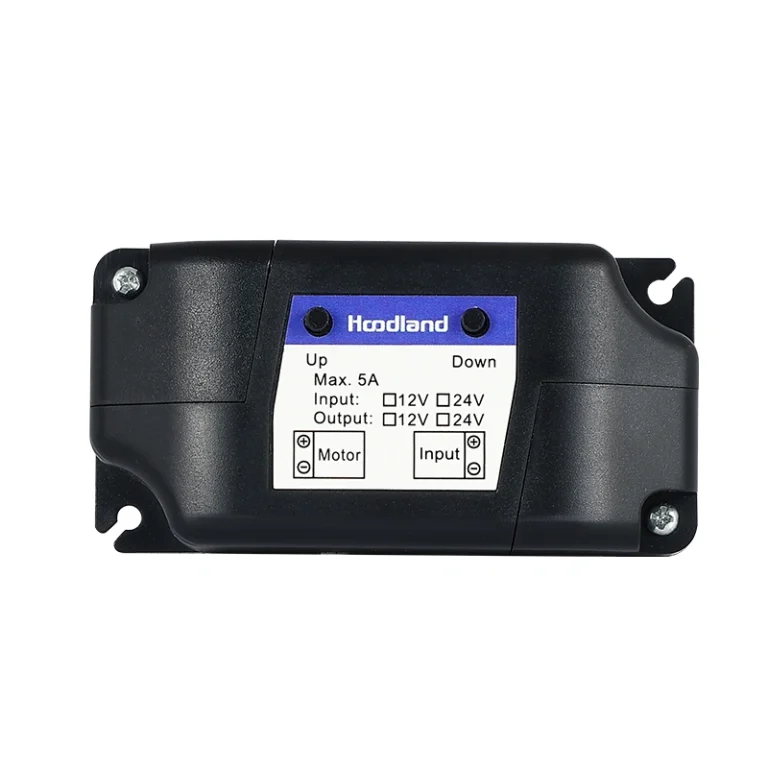
Learn how XB current limit protection safeguards linear actuators from motor stalls and wiring faults. This guide covers the mechanics of instant overcurrent disconnection, the benefits of reverse power recovery, and how this integrated PCB-level safety feature extends equipment life in harsh industrial environments.

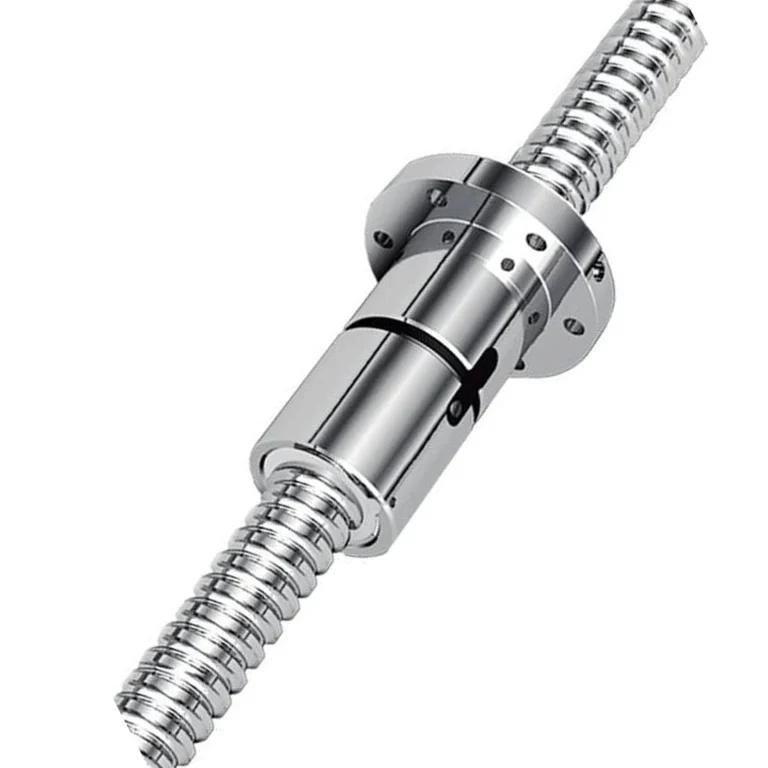
Learn how T-type (trapezoidal) lead screws convert rotary motion, when self-locking may occur, and how lead angle, friction, lubrication, efficiency, wear, backlash and load-holding trade-offs affect actuator selection.

Review five engineering and documentation requirements when evaluating linear actuators for hospital-bed systems, including noise, load, controls, durability, and compliance evidence.