How Linear Actuators Are Transforming Agricultural Machinery in 2026
As we progress through 2026, electric linear actuators are replacing traditional hydraulics in modern farming. This article explores how specialized, IP65-rated motion control solutions are revolutionizing seeder precision, tractor implement positioning, and spray boom control for enhanced agricultural efficiency and reliability.
The agricultural industry is undergoing a technological transformation, and at the heart of this revolution are electric linear actuators. These compact yet powerful devices are replacing traditional hydraulic systems in farm equipment, delivering unprecedented precision, reliability, and efficiency. As we progress through 2026, the adoption of specialized linear actuators in agricultural machinery has accelerated dramatically, driven by the demanding conditions of modern farming operations.
Table of Contents
Why Agriculture Needs Specialized Linear Actuators
Modern farming environments present some of the most challenging conditions for mechanical systems. Unlike controlled factory floors, agricultural equipment must operate reliably in environments characterized by extreme temperature variations, relentless dust exposure, high humidity, and constant vibration from rough terrain. These harsh realities have forced manufacturers to develop linear actuators specifically engineered for agricultural applications.
Traditional hydraulic systems, while powerful, come with significant drawbacks for modern agriculture. They require complex pump systems, fluid reservoirs, and extensive piping—all of which introduce maintenance challenges and potential failure points. Electric linear actuators offer a cleaner, more reliable alternative that eliminates hydraulic fluid leaks, reduces maintenance requirements, and provides precise position control.
The shift toward precision agriculture has further amplified the need for sophisticated motion control solutions. Today’s farmers expect automated systems that can make real-time adjustments, optimize input usage, and maximize crop yields. Linear actuators provide the precise linear motion control necessary for automated seeding depth adjustment, implement positioning, spray boom height control, and countless other applications.
IP65 Protection: Essential for Harsh Agricultural Environments
When selecting linear actuators for agricultural applications, environmental protection ratings are paramount. The IP (Ingress Protection) rating system provides a standardized measure of protection against solid objects and liquids, and for agricultural machinery, IP65 rating has become the industry minimum requirement.
An IP65-rated linear actuator offers complete protection against dust ingress (the “6” in IP65) and protection against water jets from any direction (the “5”). This level of protection is essential for agricultural applications where equipment is constantly exposed to fine particulate matter, crop dust, fertilizer particles, and unpredictable weather conditions.
The importance of IP65 protection cannot be overstated. Consider the operating conditions of a seeder during planting season: fine soil particles, airborne dust from dry fields, and occasional rain or irrigation water exposure. A linear actuator without adequate protection would fail within weeks, if not days. IP65-rated actuators from trusted manufacturers like those available at Actulift’s Waterproof Linear Actuators category ensure reliable performance despite these challenging conditions.
Beyond dust and water protection, agricultural linear actuators must also resist corrosion from exposure to fertilizers, pesticides, and crop treatments. Many industrial-grade actuators feature stainless steel components and specialized coatings that protect against chemical exposure, extending service life in corrosive environments.
High Force Capabilities for Heavy-Duty Agricultural Applications
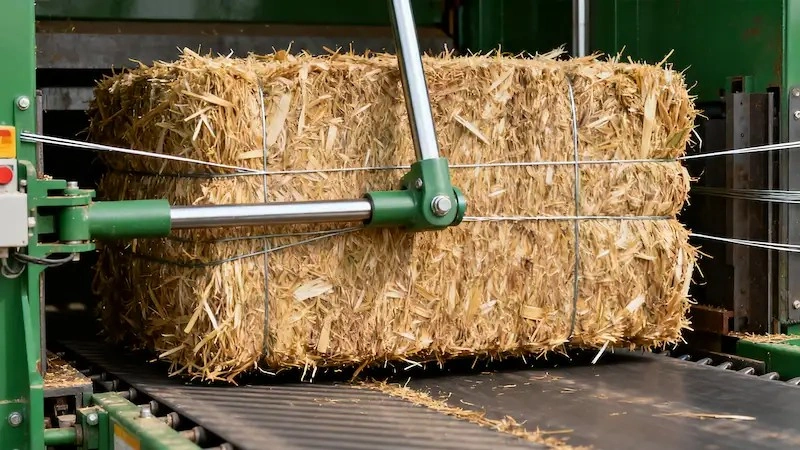
Agricultural machinery demands substantial force capabilities. From lifting heavy implement arms to compressing soil engagement mechanisms, linear actuators must deliver reliable performance under significant loads. In 2026, the market offers high-force linear actuators capable of pushing and pulling forces exceeding 10,000 N, making them suitable for the most demanding agricultural applications.
The Heavy Duty Linear Actuators category represents the premium segment of agricultural motion control. These devices are engineered with robust gear systems, reinforced housings, and high-torque motors that can handle continuous duty cycles in demanding environments.
High force capabilities become particularly critical in the following agricultural applications:
Seeder Precision Control
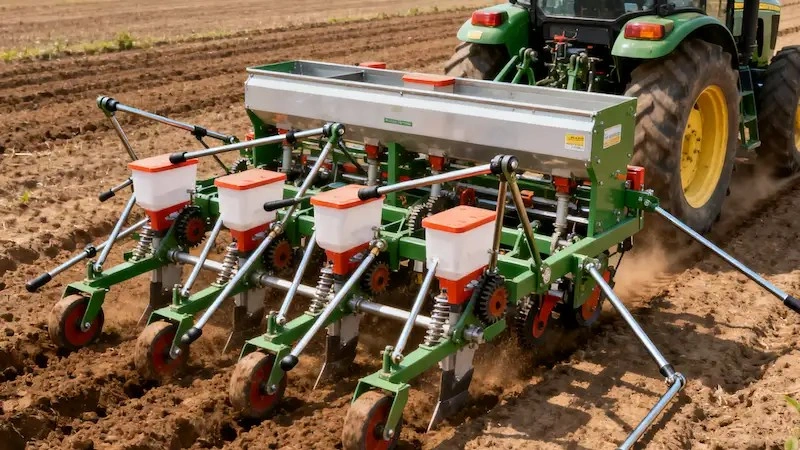
Modern precision seeders require accurate depth control and seed spacing—factors directly impacting crop emergence and final yields. Linear actuators provide the precise positioning control necessary for adjusting seeding depth in real-time, responding to varying soil conditions across a field. When soil conditions change, operators can make instantaneous adjustments from the cab, ensuring optimal seed placement regardless of field variability.
The ability to maintain consistent seeding depth across varying terrain is a game-changer for agricultural productivity. Linear actuators enable automated depth control systems that make micro-adjustments hundreds of times per minute, something impossible with manual hydraulic adjustments.
Tractor Implement Positioning
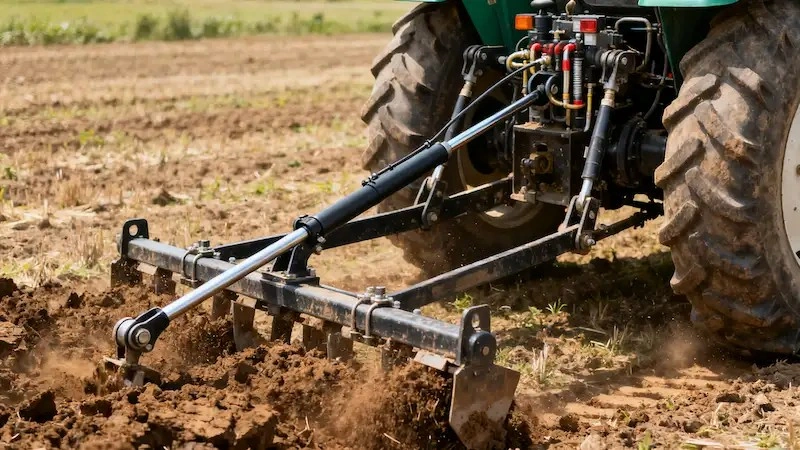
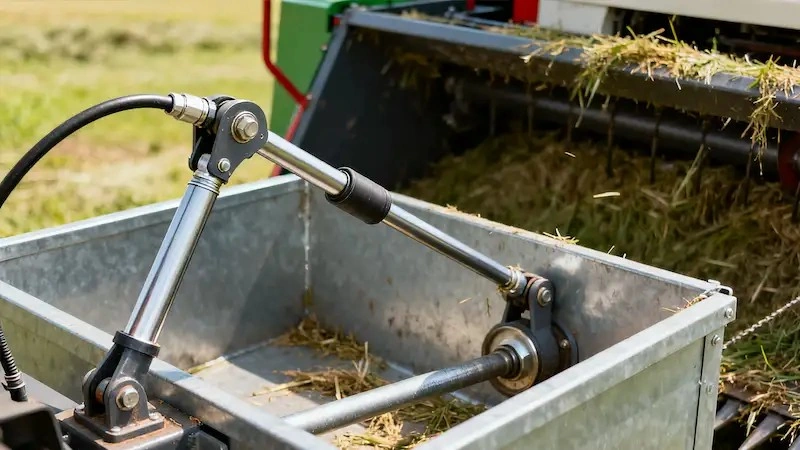
Tractors serve as the power centers for countless agricultural implements, and linear actuators enable precise control of attachment positioning. Whether adjusting the angle of a cultivator, raising and lowering a loader, or controlling the position of tillage equipment, linear actuators provide the reliability and precision that modern farming demands.
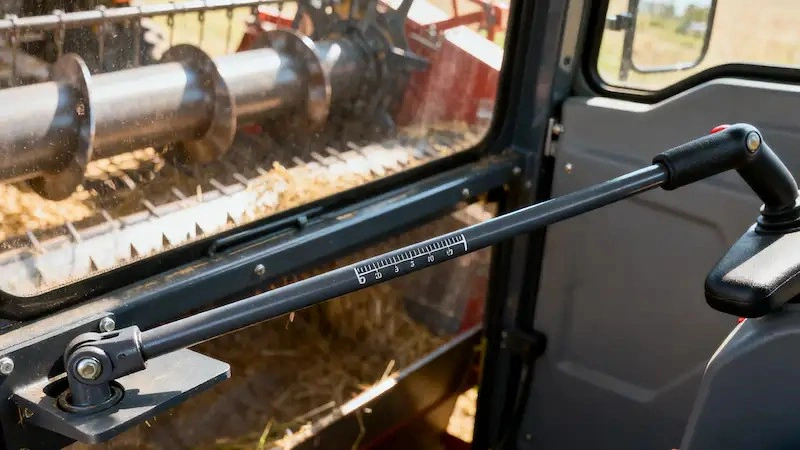
The trend toward larger, more efficient farm equipment has increased the importance of robust actuation systems. Today’s tractors and combines are significantly larger than their predecessors, requiring actuators that can handle greater forces while maintaining precise control. The IP6000 high-force linear actuator exemplifies this engineering advancement, offering OEM integration capabilities with force ratings suitable for the most demanding agricultural equipment.
Spray Boom Height Control
Precision application of fertilizers, herbicides, and pesticides requires spray booms to maintain consistent height above the crop canopy. Ground following systems using linear actuators continuously adjust boom height as terrain varies, ensuring optimal application coverage while preventing crop damage from boom contact.
This application demands actuators with rapid response times and precise position feedback—capabilities that electric linear actuators deliver consistently. The elimination of hydraulic lag in spray boom control directly translates to more accurate application and reduced chemical waste.
The Future Outlook: What’s Next for Agricultural Linear Actuators
As we look beyond 2026, the role of linear actuators in agriculture will only continue to expand. Several key trends are shaping the future of agricultural motion control:
Integration with Precision Agriculture Systems: Linear actuators are increasingly becoming integral components of fully automated farming systems. GPS-guided tractors and autonomous equipment rely on precise actuator control for seed placement, implement adjustment, and countless other functions that must operate with centimeter-level accuracy.
Smart Actuators with IoT Connectivity: The next generation of agricultural linear actuators will feature integrated sensors and connectivity capabilities, enabling real-time monitoring of position, force, temperature, and operational status. This data feeds into farm management systems, predictive maintenance algorithms, and yield optimization platforms.
Enhanced Energy Efficiency: As sustainability becomes increasingly important in agriculture, electric linear actuators offer significant advantages over hydraulic systems. They consume power only during movement, eliminating the constant energy draw of hydraulic pump systems, and their electronic controls enable sophisticated energy management strategies.
Reduced Maintenance Requirements: The simplicity of electric linear actuators—fewer moving parts, no hydraulic fluid, sealed electrical connections—translates directly to reduced maintenance needs and lower total cost of ownership. For agricultural operations where equipment uptime is critical, this reliability advantage cannot be overstated.
Why is IP65 protection critical for agricultural actuators?
Farming environments are filled with dust, fertilizer, and high-pressure water during cleaning. IP65 ensures the actuator is dust-tight and protected against water jets, preventing internal damage and premature failure.
Can electric actuators handle the force required for heavy tractor implements?
Yes. Modern heavy-duty actuators, like the IP6000 series, can deliver up to 6000N (and even over 10,000N in specialized models) of pushing force, making them suitable for most tillage and seeding equipment.
How do linear actuators contribute to “Precision Agriculture”?
They allow for micro-adjustments in real-time—such as varying seeding depth or spray boom height—based on GPS and sensor data, which minimizes waste and maximizes crop yield.
Conclusion
The transformation of agricultural machinery through linear actuator technology is not a distant future vision—it’s happening now, in fields across the world in 2026. The combination of IP65-rated environmental protection, high force capabilities, and precise position control makes modern linear actuators ideally suited for the demanding conditions of agricultural applications.
From precision seeding operations that maximize crop emergence rates to tractor implement control systems that reduce operator fatigue, linear actuators are proving their worth across every category of agricultural equipment. As farming operations continue to embrace automation and precision agriculture principles, the demand for reliable, high-performance linear actuators will only increase.
For agricultural equipment manufacturers and farmers looking to upgrade their machinery, investing in quality linear actuators from established suppliers is a decision that pays dividends in reliability, efficiency, and long-term performance. The agricultural industry’s future is automated, precise, and electrically powered—and linear actuators are leading the way.
Ready to explore linear actuator solutions for your agricultural equipment? Browse Actulift’s comprehensive selection of Heavy Machinery & Agriculture linear actuators to find the perfect fit for your specific application requirements.
Selecting the right electric linear actuator or lifting column is critical for your project's performance. As a professional Motion Control & Automation Manufacturer, our engineers help you customize load capacity, stroke length, and IP ratings based on your specific application. Share your technical requirements for a tailored solution.
ActuLift supports end-to-end customization, from structural design and stroke parameters to branding and casing finishes, helping you build a powerful brand identity.
Rapid Response & Prototyping
We understand the importance of speed in B2B procurement, utilizing optimized production workflows to ensure efficient responses from sample development to bulk delivery.
Stable Quality & Traceability
With ISO9001 quality assurance, every product—from material entry to final factory testing—is recorded in our electronic logs, ensuring high consistency in delivered goods.