How Hall Sensors Enable Synchronized Linear Motion
Discover how Hall sensor technology solves the synchronization challenge in multi-actuator systems. Learn how the IP3000H industrial linear actuator and IPC2 controller provide real-time position feedback to ensure perfectly leveled and precise linear motion for standing desks, medical devices, and industrial equipment.
Imagine a height-adjustable standing desk that tilts unevenly. Or an industrial lift platform that creaks under unequal weight distribution. These frustrating scenarios happen because of a fundamental challenge in multi-actuator systems: even identical actuators don’t move at exactly the same speed.
When multiple linear actuator with hall sensor units operate simultaneously, manufacturing tolerances, internal friction variations, and load differences cause them to drift out of alignment. The result? Mechanical stress, reduced component lifespan, compromised safety, and degraded user experience.
This is where Hall sensor technology transforms the game. By providing real-time position feedback, Hall sensors enable controllers to continuously monitor and adjust each actuator’s movement, achieving absolute synchronization that was previously impossible.
Table of Contents
How Hall Sensors Work in Linear Actuators
Hall effect sensors operate on a elegant principle of physics: they detect changes in magnetic fields and convert these changes into electrical signals. Inside a linear actuator with Hall sensor technology, a small magnet is attached to the motor shaft. As the actuator extends or retracts, this magnet rotates past a stationary Hall sensor, generating precise digital pulses.
These pulses serve as position markers. A typical Hall sensor-equipped actuator can generate thousands of pulses per inch of travel, enabling micro-precise position tracking. The controller counts these pulses to determine exactly where each actuator is at any given moment—and more importantly, whether all actuators in a system are moving at the same rate.
Unlike potentiometer-based feedback systems, Hall sensors offer several critical advantages:
Contactless operation: No physical wear, ensuring long-term reliability
High resolution: Can exceed 3,500 pulses per inch of travel
Digital signal: Resistant to electrical noise, ideal for industrial environments
IP3000H: Industrial Linear Actuator with Integrated Hall Sensor
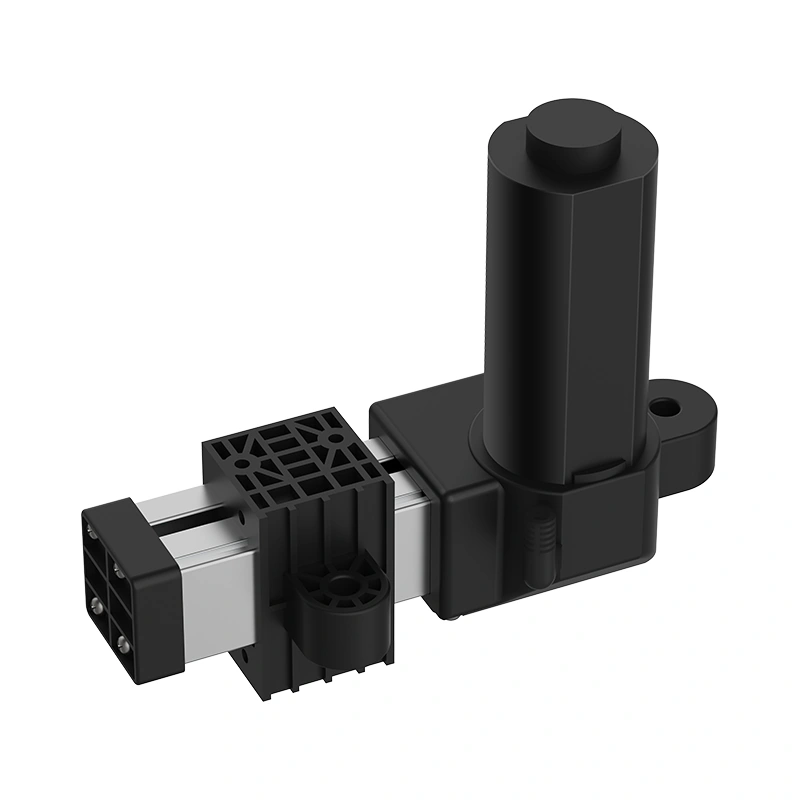
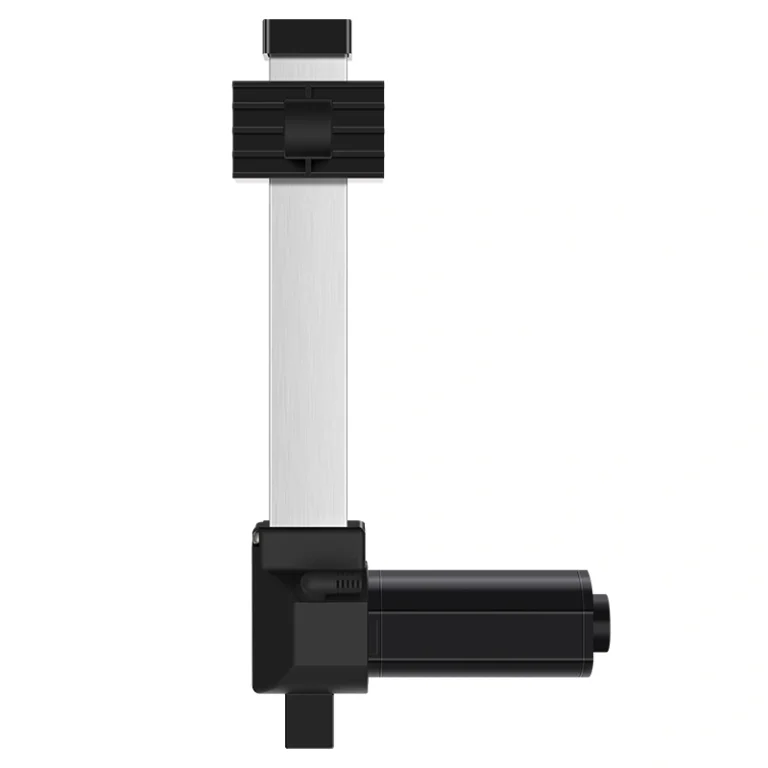
The IP3000H industrial linear actuator represents a breakthrough in synchronized motion control. Designed specifically for B2B industrial applications, this actuator integrates Hall sensor technology directly into its compact housing, eliminating the need for external feedback devices.
Key features of the IP3000H include:
Integrated Hall sensor: Provides continuous position feedback with high resolution
High force capacity: Handles demanding industrial loads with ease
IP65 rating: Dust and water-resistant for harsh environments
Precise stroke control: Configurable stroke lengths for various applications
DC motor design: Efficient operation with smooth, quiet motion
The IP3000H’s integrated design means the Hall sensor is perfectly aligned during manufacturing, ensuring consistent performance and eliminating calibration headaches. This makes it an ideal choice for applications requiring reliable, synchronized feedback actuators with precise position control.
IPC2 Hall Controller: The Brain Behind Synchronization
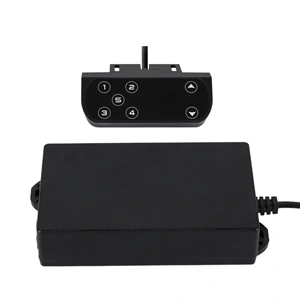
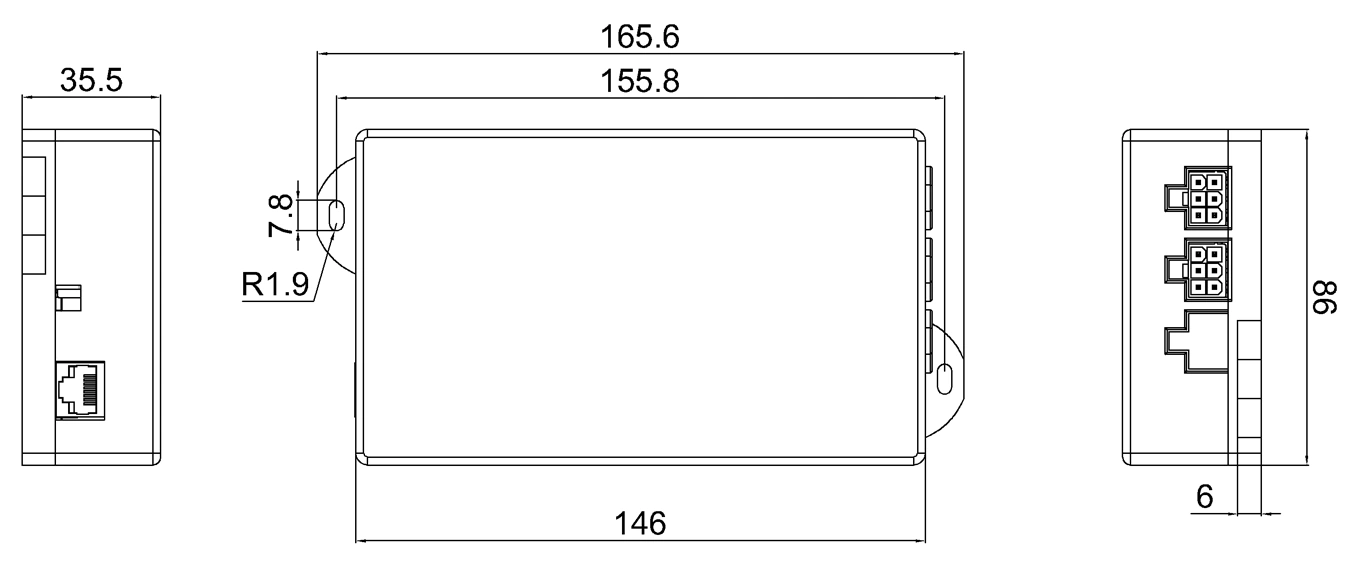
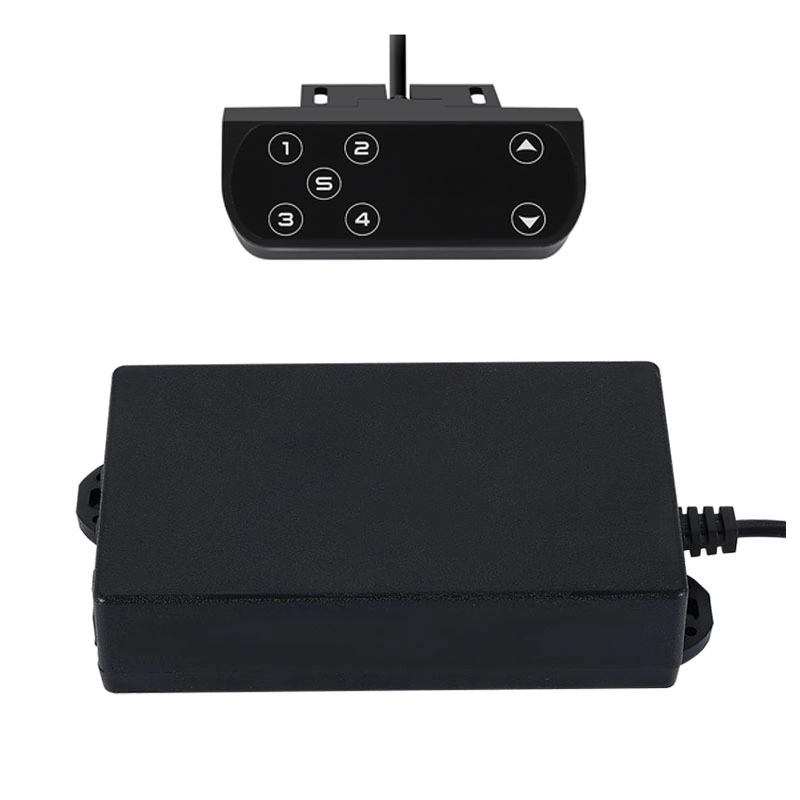
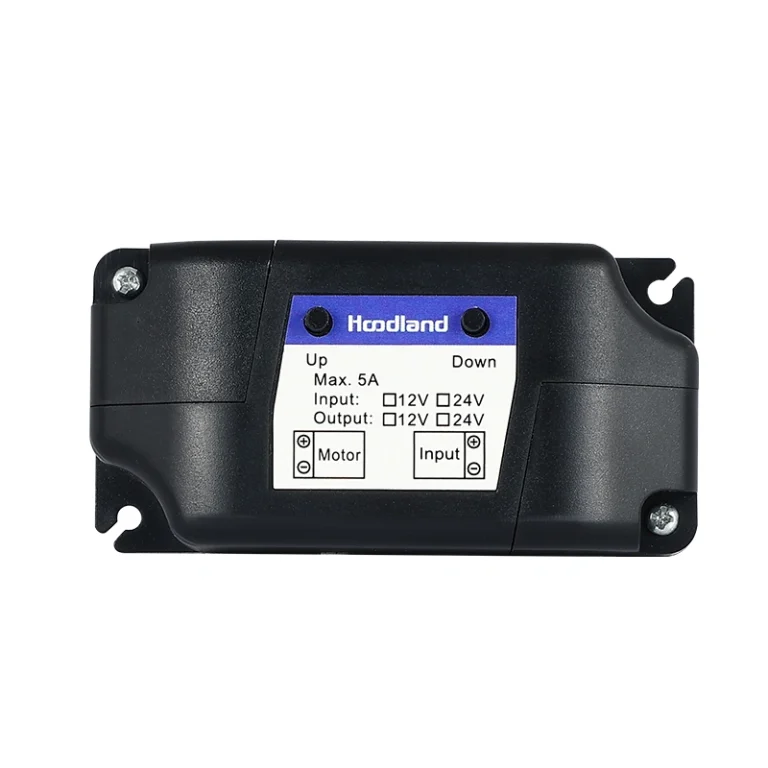
While the IP3000H provides the sensing capability, the IPC2 linear actuator controller is the intelligent core that makes synchronized motion possible. This advanced controller is specifically designed to read Hall sensor feedback from multiple actuators and coordinate their movement in real-time.
How the IPC2 achieves synchronization:
Continuous monitoring: The controller tracks pulse counts from each actuator’s Hall sensor
Real-time comparison: It constantly compares the position of all connected actuators
Instant correction: If any actuator drifts ahead or behind, the IPC2 adjusts its speed accordingly
Position locking: The system maintains exact position alignment throughout the entire stroke
The IPC2 can coordinate two or more actuators simultaneously, ensuring they reach their end positions at exactly the same time. This eliminates the drift that occurs when actuators operate independently—a common problem in unbalanced load scenarios.
What sets the IPC2 apart is its ability to handle varying load conditions. If one actuator encounters more resistance, the controller automatically compensates by adjusting power to maintain perfect synchronization. This intelligent load balancing protects equipment and ensures smooth, safe operation.
Application Scenarios
The combination of IP3000H actuators and IPC2 controllers opens possibilities across numerous industries:
Standing Desks and Workstations
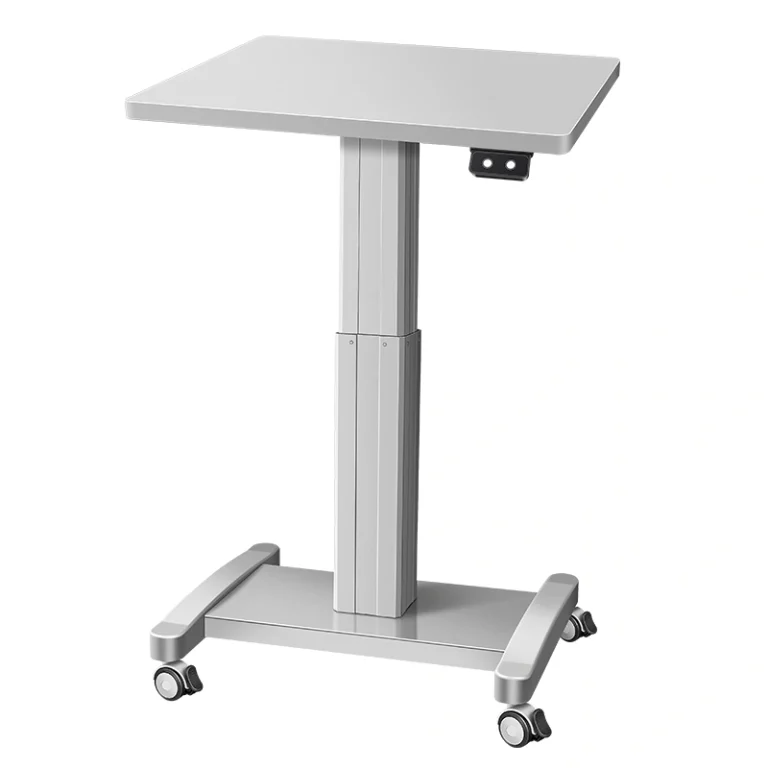
Ergonomic height-adjustable desks require both actuators to move in perfect sync. Uneven lifting leads to desk tilting, equipment sliding, and user discomfort. Synchronized linear actuator with hall sensor systems ensure smooth, level height adjustments every time.
Industrial Equipment
Lift tables, conveyor belt tensioners, and material handling systems often require multiple actuators working in unison. The IPC2 controller ensures heavy loads are distributed evenly, preventing mechanical stress and extending equipment life.
Medical Devices
Hospital beds, patient lifts, and examination tables must operate silently and smoothly. Synchronized motion prevents patient discomfort and ensures safe positioning for medical procedures.
Solar Tracking Systems
Panel arrays require precise angular adjustments to maximize energy capture. Multiple actuators must move in perfect synchronization to maintain optimal panel alignment.
Access Control
Automatic doors, security gates, and hatch openings benefit from synchronized dual-actuator operation, ensuring balanced movement and reliable performance.
Why do linear actuators need Hall sensors for synchronization?
Even identical actuators have slight speed variances due to friction and load. Hall sensors provide digital pulse feedback, allowing a controller to adjust speeds in real-time for perfect alignment.
Can I synchronize more than two actuators using Hall sensors?
Yes, advanced controllers like the IPC2 or IPC4 can coordinate multiple units (2, 3, or 4) by monitoring the pulse counts from each integrated sensor.
Does Hall sensor feedback lose position when power is cut?
Hall sensors track relative movement. While they are highly precise, most systems require a brief “homing” cycle or use controllers with memory to retain position data after a power loss.
Is Hall sensor feedback better than a potentiometer?
Yes. Hall sensors are contactless (no wear), offer higher resolution, and produce a digital signal that is much more resistant to electrical noise in industrial environments.
Conclusion: Why Synchronization Matters
In today’s precision-driven world, the difference between synchronized and unsynchronized motion systems is profound. Without Hall sensor feedback and intelligent controllers like the IPC2, multi-actuator systems suffer from drift, uneven wear, and premature failure.
Perfect alignment: All actuators move as one unified system
Extended lifespan: Even load distribution reduces mechanical stress
Enhanced safety: Predictable, controlled motion in all conditions
Superior user experience: Smooth, silent operation without surprises
Whether you’re designing ergonomic furniture, industrial equipment, or medical devices, the combination of IP3000H actuators and IPC2 controllers delivers the precise, reliable synchronized motion your application demands.
Ready to implement synchronized linear motion in your next project? Explore our range of control boxes and controllers or contact our engineering team for personalized consultation.
Selecting the right electric linear actuator or lifting column is critical for your project's performance. As a professional Motion Control & Automation Manufacturer, our engineers help you customize load capacity, stroke length, and IP ratings based on your specific application. Share your technical requirements for a tailored solution.
ActuLift supports end-to-end customization, from structural design and stroke parameters to branding and casing finishes, helping you build a powerful brand identity.
Rapid Response & Prototyping
We understand the importance of speed in B2B procurement, utilizing optimized production workflows to ensure efficient responses from sample development to bulk delivery.
Stable Quality & Traceability
With ISO9001 quality assurance, every product—from material entry to final factory testing—is recorded in our electronic logs, ensuring high consistency in delivered goods.