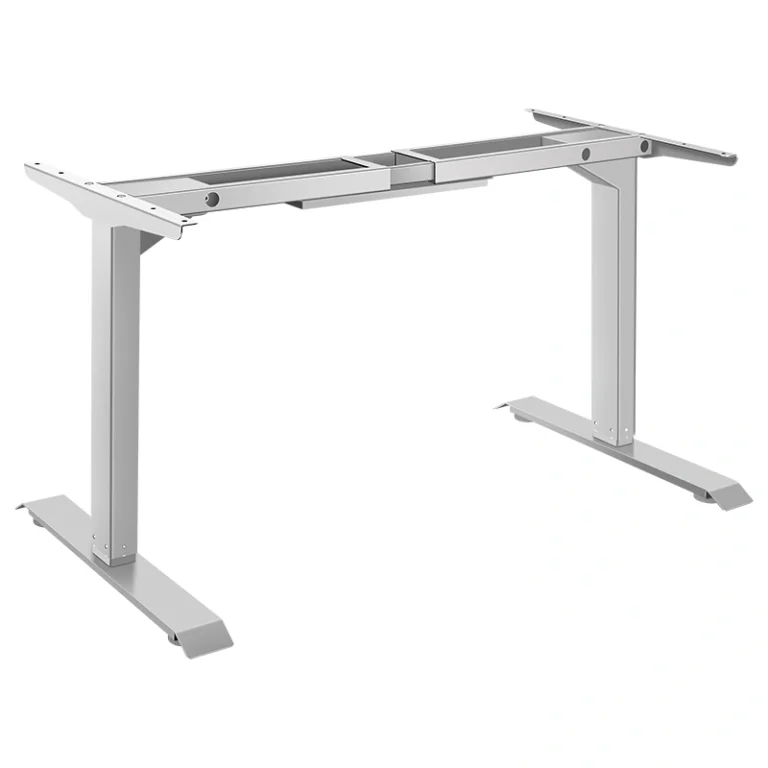
2-Stage vs 3-Stage Electric Lifting Columns: Which is Best for Your Ergonomic Desk?
Confused between 2-stage and 3-stage lifting columns? Learn the key differences in height range, stability, and cost to choose the right motor for your standing desk.
When designing or upgrading a standing desk, one of the most critical components to consider is the lifting column. The choice between a 2-stage and 3-stage electric lifting column can significantly impact your desk’s functionality, accessibility, and user experience. This comprehensive guide will help you understand the key differences and determine which option best suits your needs.
Table of Contents
Understanding Electric Lifting Columns
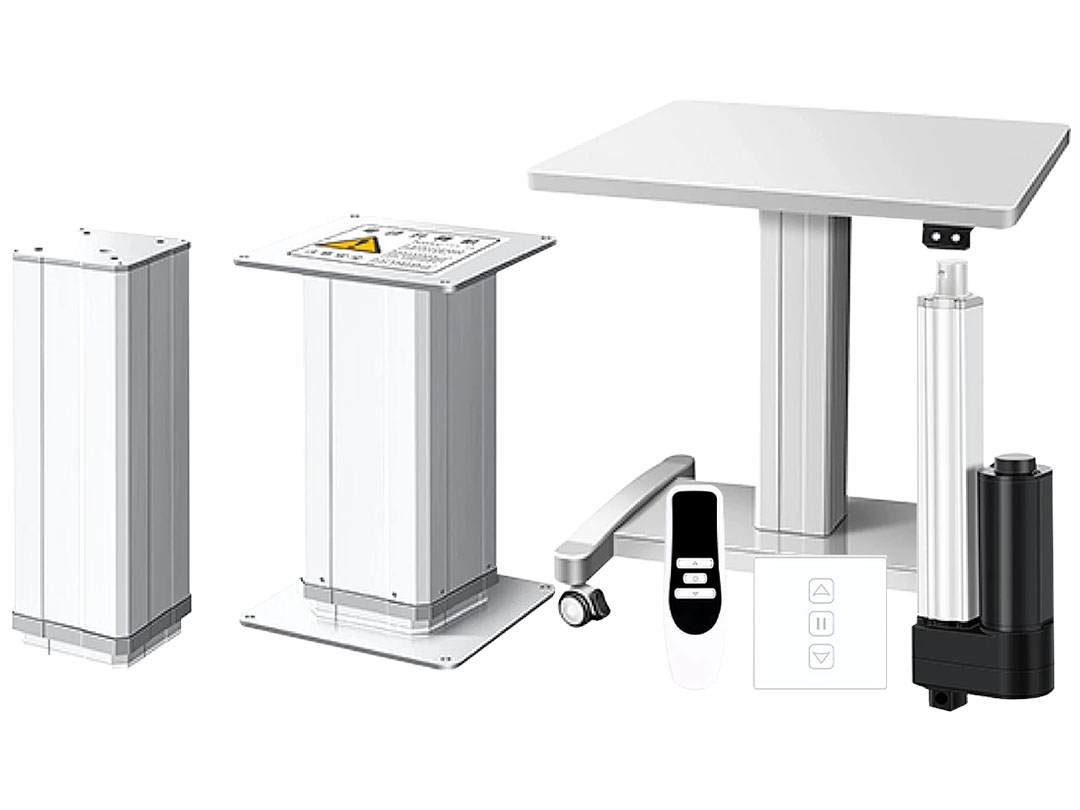
Electric lifting columns are the backbone of any adjustable standing desk. These sophisticated mechanisms use electric motors to raise and lower the desk surface, enabling users to switch between sitting and standing positions throughout the workday. The “stages” refer to the number of telescopic segments that extend and retract to achieve the desired height adjustment.
The distinction between 2-stage and 3-stage columns isn’t just a matter of complexity—it directly affects everything from minimum height capability to maximum lift range, making this decision crucial for both ergonomic comfort and accessibility.
What Is a 2-Stage Lifting Column?
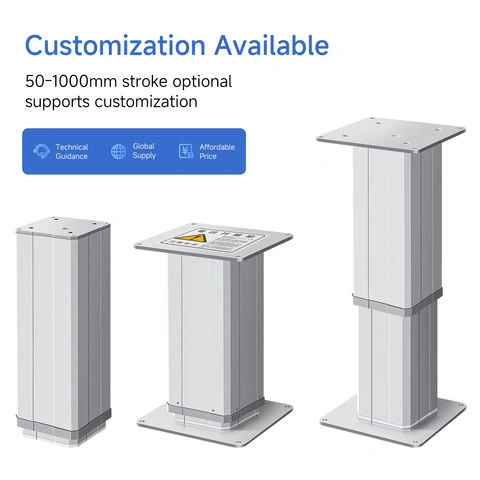
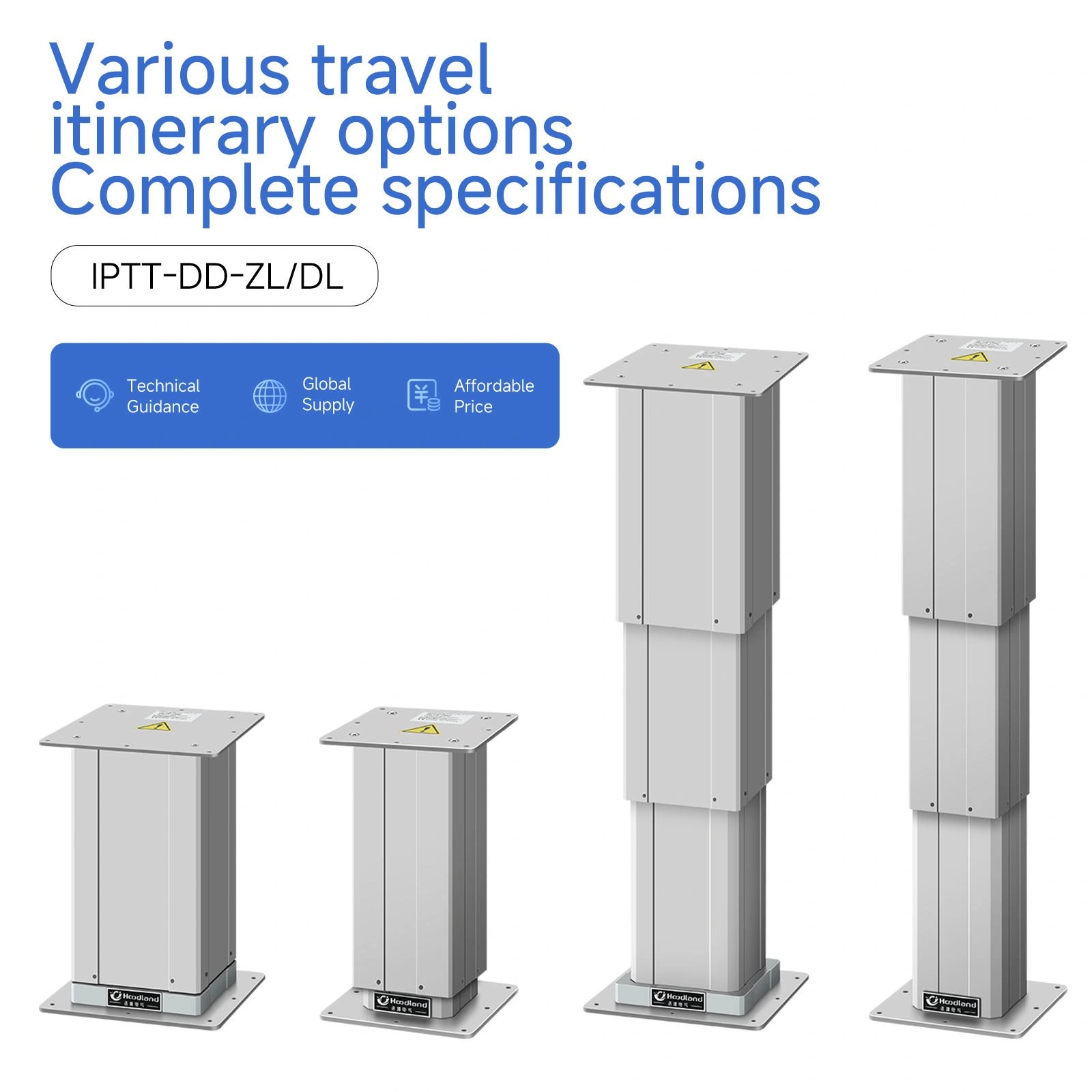
A 2-stage lifting column consists of two telescopic segments that slide within each other to adjust height. When extended, the inner segment emerges from the outer housing, creating the lifting motion. This design has been the traditional standard in the standing desk industry for years.
Characteristics of 2-Stage Columns
2-stage columns typically offer a moderate height adjustment range, usually spanning around 25-30 centimeters (10-12 inches). The simpler construction often results in a more budget-friendly price point, making these columns popular for entry-level and mid-range standing desk frames.
The mechanical simplicity of 2-stage designs generally means fewer potential points of failure and easier maintenance. For many users, especially those with standard height requirements and tighter budgets, 2-stage columns provide reliable performance without unnecessary complexity.
What Is a 3-Stage Lifting Column?
A 3-stage lifting column adds an additional telescopic segment to the design, creating a three-tiered extension mechanism. This extra stage allows for more dramatic height adjustments while maintaining a compact retracted height—similar to how a tripod collapses into a smaller form factor when fully retracted.
Advantages of 3-Stage Columns
Lower Initial Height: One of the most significant advantages of 3-stage columns is their ability to achieve a lower minimum height. This is particularly important for wheelchair users who require the desk to be at a lower position to comfortably roll beneath. It also benefits spaces with low ceiling clearance or architectural constraints.
Higher Maximum Lift Range: The additional telescopic stage enables 3-stage columns to reach substantially higher maximum heights. This makes them ideal for taller users who need the desk to reach a comfortable standing position, or for applications requiring significant vertical adjustment.
Smoother Extension: With multiple stages extending gradually, users often report a smoother and more controlled lifting experience. The progressive extension can feel more premium and engineered, though this is somewhat subjective.
Our IPY75 single column lift desk and IPY70 mobile stand-up desk showcase these 3-stage advantages, delivering exceptional height range flexibility for diverse applications.
Direct Comparison: 2-Stage vs 3-Stage
Feature
2-Stage Column
3-Stage Column
Minimum Height
Higher (typically 70-75cm)
Lower (typically 60-65cm)
Maximum Height
Limited (typically 115-120cm)
Higher (typically 125-135cm)
Height Range
25-30cm (10-12 inches)
40-50cm (16-20 inches)
Complexity
Simpler mechanism
More complex engineering
Cost
Generally lower
Generally higher
Smoothness
Good
Excellent
Accessibility
Limited
Excellent
Which Column Is Right for Your Application?
Choose a 2-Stage Column If:
Budget is a primary concern: 2-stage columns typically cost less, making them excellent for cost-conscious projects or bulk deployments
Standard height requirements: If your users fall within average height ranges and your space has standard ceiling clearances
Simplicity is preferred: For applications where minimal complexity translates to easier maintenance and troubleshooting
Fixed configurations: When designing single-position standing desks without extreme height variation needs
Choose a 3-Stage Column If:
Accessibility is paramount: Wheelchair users require lower desk heights to roll beneath comfortably
Tall users are your audience: The extended height range accommodates users over 6 feet tall more effectively
Variable applications: When the same desk frame might be used in different settings with varying height requirements
Premium positioning: Higher-end 3-stage columns can differentiate your product offering as a premium solution
Real-World Applications
Healthcare and Accessibility Settings
In healthcare environments and offices designed for accessibility, 3-stage lifting columns have become the standard. The lower minimum height ensures that individuals using wheelchairs can approach the desk comfortably without strain or awkward positioning. This inclusivity factor alone makes 3-stage columns the clear choice for ADA-compliant installations.
Professional Office Environments
Many modern offices now accommodate diverse workforce demographics, including both shorter and taller employees. A 3-stage standing desk frame provides the flexibility to serve this diverse population without requiring multiple desk configurations. The investment in superior height range pays dividends in employee comfort and productivity.
Home Office and Residential Use
Home offices often present unique challenges—varied ceiling heights, furniture placement constraints, and users of different heights sharing the same space. 3-stage electric lifting columns address these variables elegantly, making them increasingly popular in residential applications.
Making the Decision
The choice between 2-stage and 3-stage lifting columns ultimately depends on your specific requirements and user demographics. Consider these questions:
Who are your primary users?
If wheelchair accessibility matters, 3-stage is essential.
What is your height range requirement?
Taller users or variable populations need 3-stage flexibility.
What is your budget constraint?
2-stage offers reliable performance at a lower price point.
How important is smoothness of operation?
3-stage columns often provide a more refined extension feel.
What are your space constraints?
Lower minimum heights from 3-stage columns help in constrained spaces.
Is a 3-stage lifting column significantly more stable than a 2-stage one?
While both are engineered for stability, 3-stage columns generally offer superior rigidity at maximum heights due to increased segment overlap. However, for standard desk heights, a high-quality 2-stage column provides excellent stability for typical office use.
Can 2-stage columns accommodate shorter users or children?
2-stage columns usually have a minimum height of 70-75cm, which may be too high for children or shorter individuals. For a more inclusive height range (starting at 60-65cm), a 3-stage column is the better choice.
Is there a difference in adjustment speed between the two?
Generally, yes. 3-stage columns are often equipped with more advanced motor systems that allow for faster and smoother transitions, typically moving 25% to 33% faster than standard 2-stage models.
Which column type is more cost-effective for large office fit-outs?
The 2-stage column is the most cost-effective solution for bulk deployments where users fall within average height ranges and premium features like ultra-low height or high-speed travel are not strictly required.
Conclusion
Both 2-stage and 3-stage electric lifting columns have their place in the standing desk market. The 2-stage option provides reliable, cost-effective performance for standard applications, while 3-stage columns like our IPY70 and IPY75 deliver superior flexibility, accessibility, and extended height range.
For manufacturers and businesses designing adjustable desks, the decision should align with target user needs. If your application demands the lowest possible minimum height, the highest maximum lift, or premium positioning, 3-stage columns represent the clear choice. For standard applications where budget plays a larger role, 2-stage columns continue to serve reliably.
Explore our range of lifting columns and electric lifting columns to find the perfect solution for your standing desk frame requirements. We also offer comprehensive standing desks and frames, L-shaped desk frames, and standing desk frames options to complete your project.
Not sure which lifting capacity fits your project? Contact our engineering team for a free technical consultation and bulk pricing.
Selecting the right electric linear actuator or lifting column is critical for your project's performance. As a professional Motion Control & Automation Manufacturer, our engineers help you customize load capacity, stroke length, and IP ratings based on your specific application. Share your technical requirements for a tailored solution.
ActuLift supports end-to-end customization, from structural design and stroke parameters to branding and casing finishes, helping you build a powerful brand identity.
Rapid Response & Prototyping
We understand the importance of speed in B2B procurement, utilizing optimized production workflows to ensure efficient responses from sample development to bulk delivery.
Stable Quality & Traceability
With ISO9001 quality assurance, every product—from material entry to final factory testing—is recorded in our electronic logs, ensuring high consistency in delivered goods.