The Ultimate Guide to Electric Linear Actuators (2026 Edition)
This comprehensive 2026 guide explores the fundamental principles, technical specifications, and diverse applications of electric linear actuators. From comparing 12V vs. 24V systems to decoding IP protection ratings and synchronization techniques, learn how to select and maintain the perfect motion control solution for industrial, medical, and smart home automation.
Master electric linear actuators in 2026: principles, selection, voltage, and IP protection ratings explained. Includes technical specifications and practical applications.
Table of Contents
1. Introduction: What Is an Electric Linear Actuator?
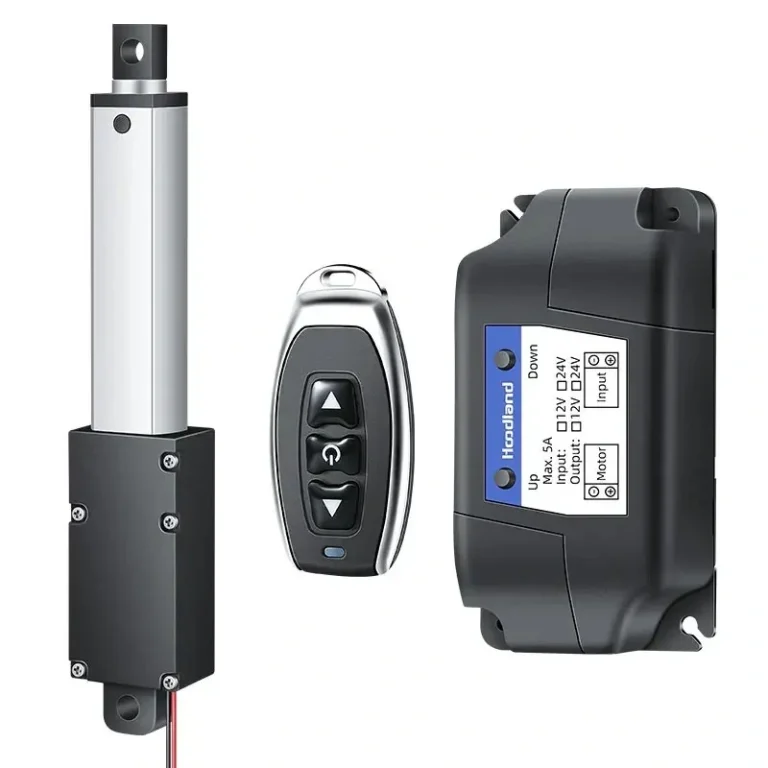
An electric linear actuator is a mechanical device that converts electrical energy into precise linear (straight-line) motion. Unlike hydraulic or pneumatic systems, electric linear actuators offer cleaner operation, easier control, and greater precision—making them the preferred choice across industrial automation, medical equipment, furniture design, and renewable energy systems.
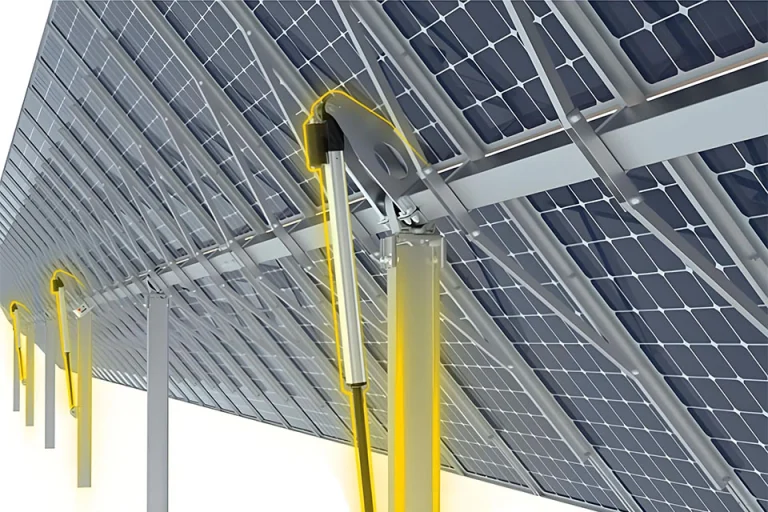
In 2026, the global linear actuator market continues to expand driven by automation demand, smart factory initiatives, and the growth of renewable energy applications like solar tracking systems. Understanding how to select and apply these devices is essential for engineers, designers, and procurement professionals alike.
This comprehensive guide covers everything you need to know about electric linear actuators—from fundamental working principles to advanced selection criteria, installation best practices, and troubleshooting techniques.
2. Working Principle: How Electric Linear Actuators Convert Rotary Motion to Linear Motion
Electric linear actuators operate through a sophisticated conversion process that transforms the rotational output of an electric motor into controlled linear motion. Understanding this principle is fundamental to selecting the right actuator for your application.
The Core Conversion Mechanism
At its heart, an electric linear actuator consists of three primary components working in sequence:
Motor: The electric motor (typically DC brushless or brushed) generates rotational force (torque) when electrical current is applied.
Gear Train: A series of gears reduces motor speed while increasing torque. This gear reduction is crucial because linear actuators require high force at low speeds—far different from the high-speed, low-torque output of direct motor operation.
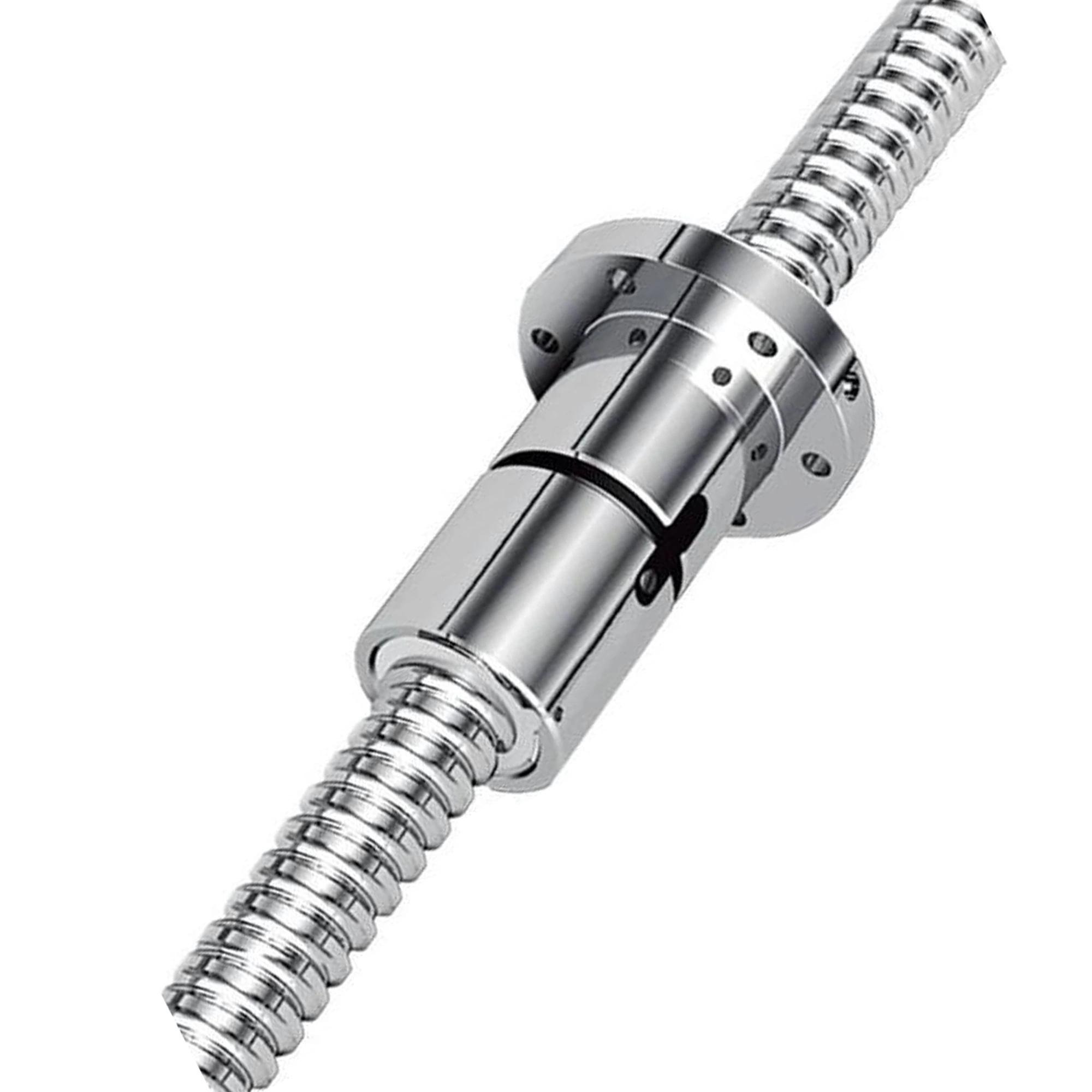
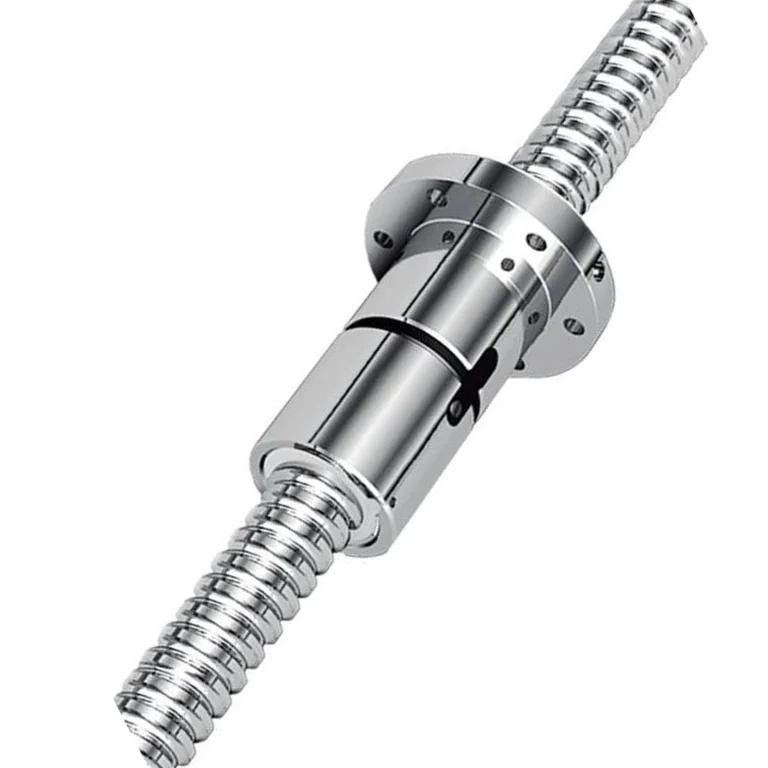
Lead Screw or Ball Screw: The heart of the conversion mechanism. The rotational motion from the gear train drives a threaded shaft (lead screw) or ball-bearing screw. As the screw rotates, a nut traveling along the threads converts this rotation into linear movement.
Key Mechanical Concepts
Lead Angle: The angle of the screw thread determines how much linear travel occurs per rotation. A higher lead angle means faster linear movement but typically less lifting force.
Self-Locking vs. Non-Self-Locking: Some actuator designs offer self-locking capability, meaning the load stays in position when power is removed. This is critical for safety applications. For applications requiring backdriving, understanding the static self-locking force in linear actuators is essential.
Efficiency: Ball screw actuators typically achieve 90%+ efficiency, while lead screw actuators range from 25-50% efficiency. This affects power consumption and heat generation.
3. Types of Electric Linear Actuators
Choosing the right actuator type is critical for optimal performance. Each design offers distinct advantages for specific applications.
3.1 Inline Linear Actuators
Inline (or “直列式”) actuators feature the motor mounted in line with the screw shaft. This compact design is ideal for space-constrained applications where the actuator must fit within narrow envelopes.
Best for: Cabinetry, medical equipment, automotive applications, confined industrial spaces
Characteristics:
Compact footprint
Lower cost compared to parallel designs
Limited motor size options
Typical force ranges: 100N to 2000N
3.2 Parallel Linear Actuators
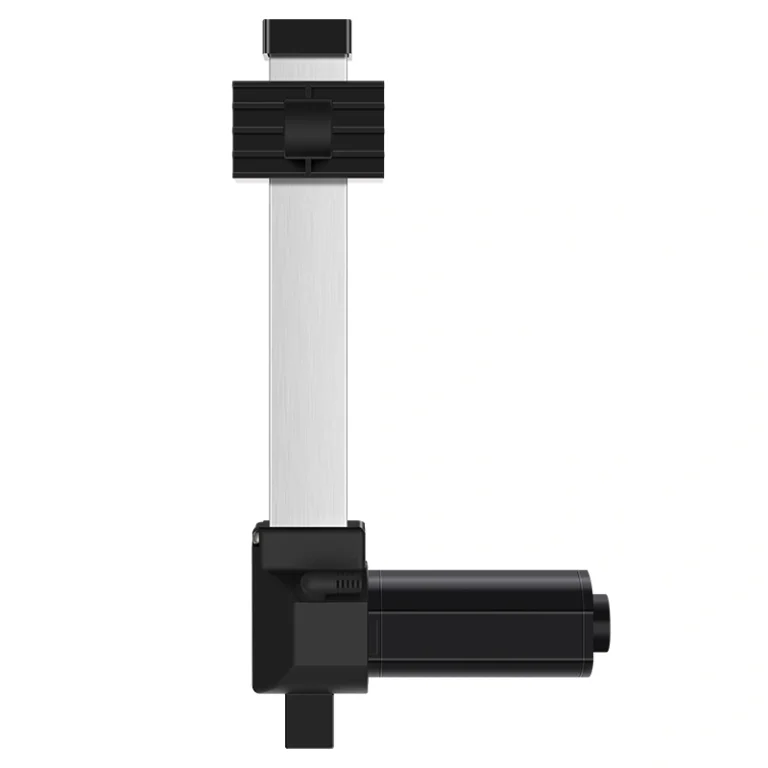
In parallel configurations, the motor mounts perpendicular to the screw, connected via a gearbox. This design allows for larger motors and higher force capabilities.
Best for: Heavy-duty industrial applications,升降柱 (lifting column) systems, automotive lifts
Characteristics:
Higher force capacity (up to 10,000N+)
More flexible mounting options
Larger envelope size
Better heat dissipation
3.3 Lifting Columns
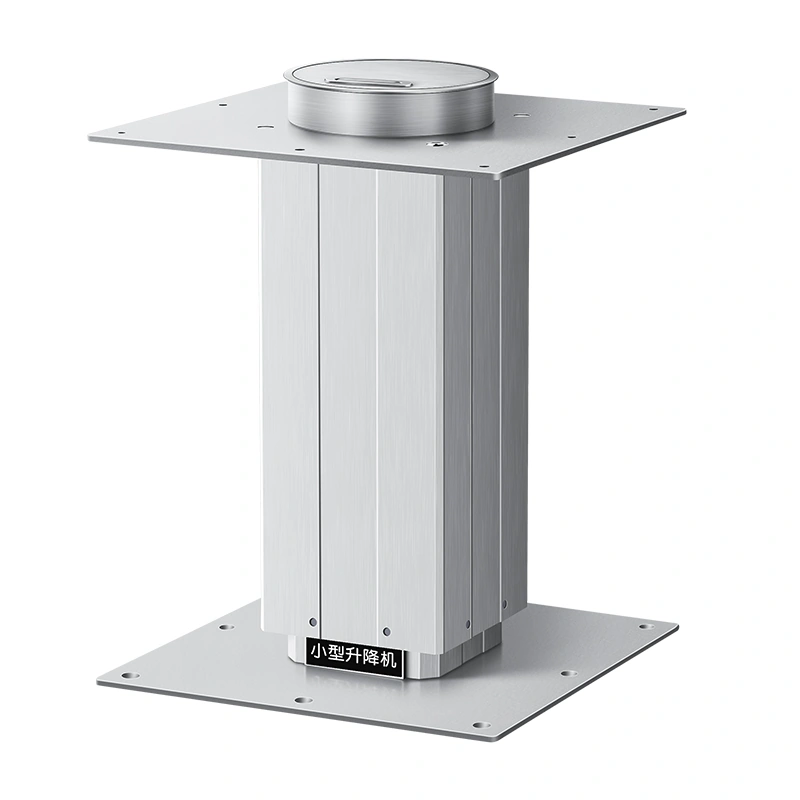
Lifting columns (升降柱) are multi-stage actuators designed specifically for vertical lifting applications. They feature nested tube sections that extend telescopically.
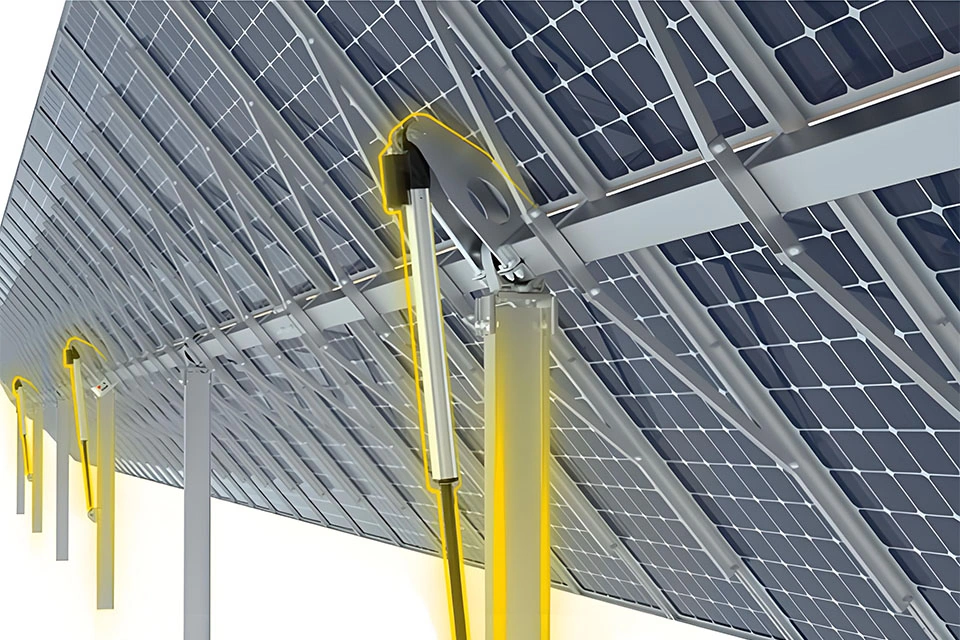
Best for: Adjustable-height desks, patient lifts, industrial work stations, solar tracking
Characteristics:
Multiple stages (typically 2-4)
Smooth, stable lifting motion
High load capacity
Esthetic appearance for consumer products
3.4 Telescopic Linear Actuators
Telescopic actuators offer the longest stroke lengths through nested barrel sections. They’re designed for applications requiring significant linear travel in compact retracted lengths.
Best for: Heavy-duty industrial equipment, mining machinery, large door operators
Characteristics:
Extended stroke lengths (up to 2+ meters)
Higher cost complexity
Requires careful alignment
Higher load capacities
3.5 Heavy-Duty vs. Micro Linear Actuators
The market spans from miniature actuators for medical devices to massive industrial actuators for heavy machinery. Understanding the difference helps in heavy-duty vs. micro linear actuators selection:
Category
Force Range
Typical Applications
Micro
10-200N
Medical devices, consumer electronics, small robotics
Standard
200-2000N
Furniture, HVAC, light industrial
Heavy-Duty
2000-10,000N+
Industrial presses, aerospace, marine, solar trackers
Voltage selection is one of the most critical decisions in actuator selection. The choice impacts everything from power supply requirements to performance characteristics.
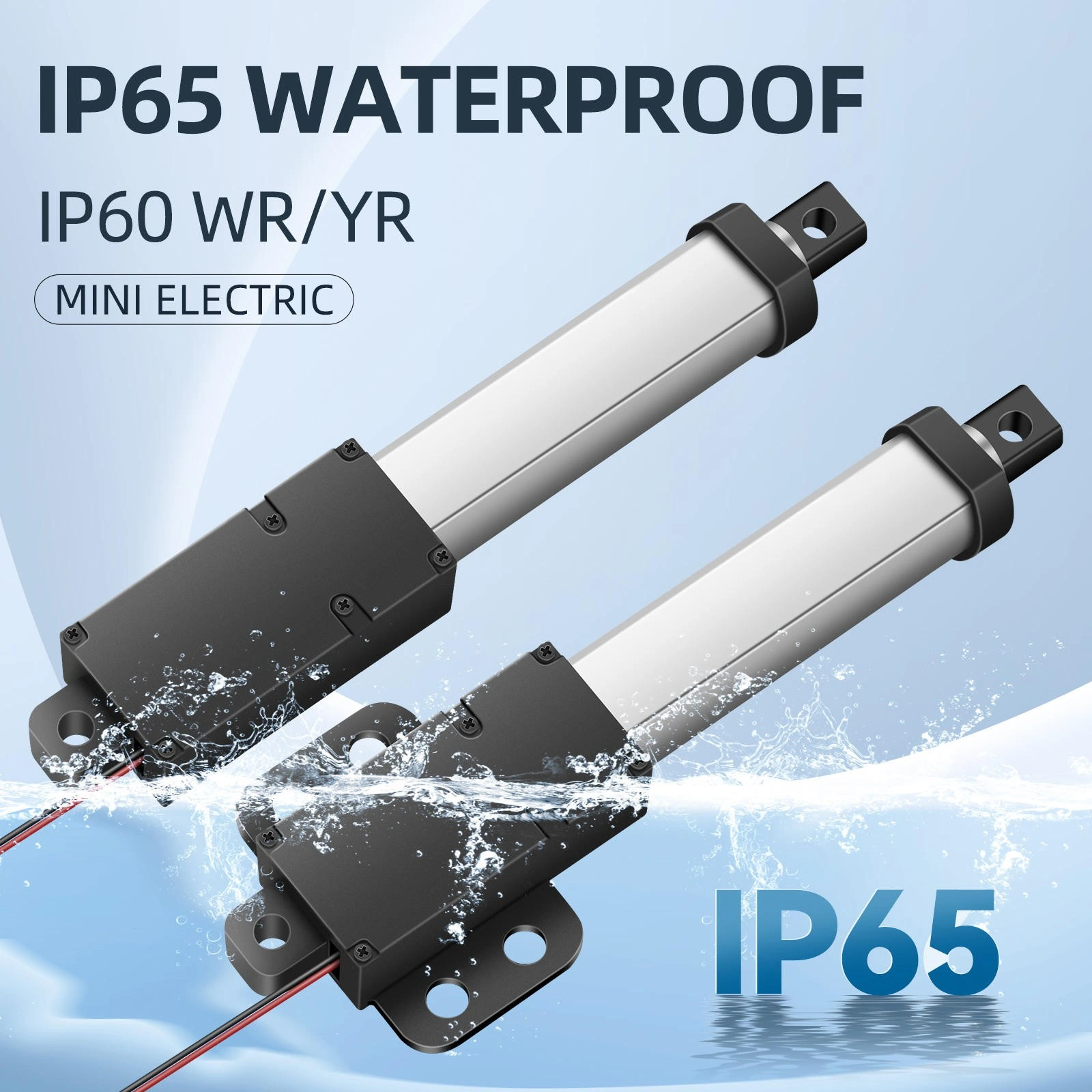
IP (Ingress Protection) ratings define how well an actuator is protected against solid objects and liquids. This specification is crucial for applications in harsh environments.
IP66/IP67: Protected against powerful water jets and temporary submersion
Marine applications
Heavy industrial washing
Flood-prone areas
IP68: Continuous submersion
Underwater installations
Deep water monitoring equipment
Specialized marine systems
4.3 Force and Load Capacity
Force capacity, measured in Newtons (N) or pounds (lbs), defines how much weight an actuator can move. Selection requires calculating the actual load plus a safety factor (typically 1.5-2x).
Calculation Example:
If your application requires lifting 500kg:
Force in Newtons: 500kg × 9.81 = 4,905N
With 1.5 safety factor: 4,905 × 1.5 = 7,358N
Select actuator rated at minimum 8,000N
4.4 Speed
Linear speed, measured in mm/s or inches per second, directly impacts cycle times and productivity. There’s typically an inverse relationship between speed and force—higher force actuators run slower.
Typical Speed Ranges:
Micro actuators: 1-5 mm/s
Standard actuators: 5-15 mm/s
High-speed actuators: 15-40 mm/s
4.5 Stroke Length
Stroke length determines how far the actuator extends. Standard ranges include 50mm to 600mm, with specialized actuators offering longer strokes.
Selection Considerations:
Always specify stroke with 10-20mm clearance beyond required travel
Longer strokes increase cost and reduce maximum force
Consider retracted length for packaging constraints
4.6 Duty Cycle
Duty cycle defines what percentage of time an actuator can operate at full load without overheating. Understanding actuator duty cycle is critical for application success.
5. Selection Guide: How to Choose the Right Linear Actuator
Selecting the right actuator requires systematic evaluation of your application’s requirements. Follow this step-by-step guide to make an informed decision.
Step 1: Define the Application Environment
Questions to answer:
Indoor or outdoor use?
Exposure to dust, moisture, or chemicals?
Temperature range requirements?
Clean room or wash-down environment?
Step 2: Determine Force Requirements
Calculation method:
Calculate total load weight (in kg or lbs)
Convert to Newtons: Weight (kg) × 9.81 = Force (N)
Apply safety factor: Force × 1.5 to 2.0
Select actuator with rated force exceeding this value
Squeaking: Lack of lubrication—apply appropriate lubricant
Rattling: Loose mounting or hardware—tighten connections
Clicking: Limit switch issues—inspect and adjust
Actuator Won’t Move
Diagnostic steps:
Verify power supply is on and voltage correct
Check control signals from upstream system
Inspect fuse or circuit breaker
Test motor directly (bypassing controls)
Look for physical obstructions
Positioning Inaccuracy
Check position feedback device (potentiometer/Hall sensor)
Verify controller calibration
Inspect for binding or contamination
Check for loose couplings or connections
Overheating
Reduce duty cycle/operation frequency
Verify ambient temperature within specifications
Check for obstructions to heat dissipation
Verify voltage is not excessive
8.3 When to Replace
Consider replacement when:
Performance has degraded significantly
Repairs cost more than replacement
Safety concerns arise
Control systems are obsolete
9. Frequently Asked Questions (FAQ)
What Is the Difference Between 12V and 24V Linear Actuators?
The primary differences lie in power delivery and application suitability. 24V linear actuators typically offer higher force and speed capabilities, making them the industrial standard. 12V linear actuators excel in mobile and automotive applications where vehicle battery power is available. The choice depends on your power infrastructure, performance requirements, and application environment.
What IP Rating Do I Need for Outdoor Applications?
For outdoor use, minimum IP65 rating is recommended to ensure protection against dust and water jets. If the actuator will face harsh weather conditions or potential submersion, consider IP66 or IP67 ratings. Our detailed guide on IP43 vs IP54 vs IP65 linear actuators helps you select the appropriate protection level for your specific environment.
How Do I Calculate the Force Required for My Application?
Calculate required force using this formula: Determine load weight in kilograms Multiply by 9.81 to convert to Newtons Apply a safety factor of 1.5-2.0 Select an actuator rated above this value Example: 300kg load × 9.81 × 1.5 safety factor = 4,415N minimum rati
What Is Duty Cycle and Why Does It Matter?
Duty cycle represents the percentage of time an actuator can operate continuously without overheating. A 10% duty cycle means the actuator can run for 10 seconds, then must rest for 90 seconds. Exceeding duty cycle causes thermal overload and premature failure. Understanding actuator duty cycle is essential for selecting the right actuator for your operational pattern.
How Do I Synchronize Two Linear Actuators?
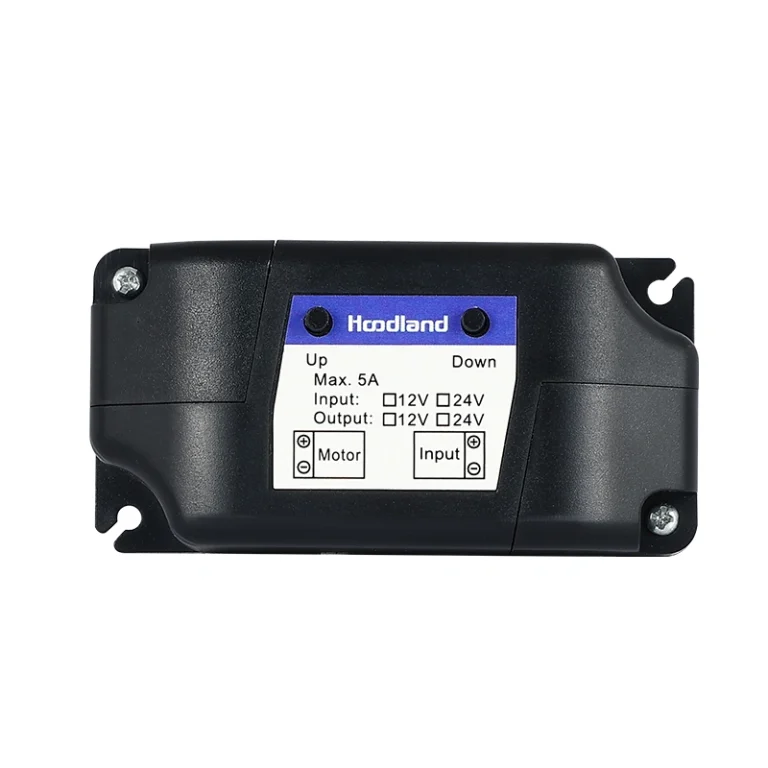
Synchronizing multiple actuators requires position feedback devices—typically Hall sensors. Both actuators must have matching specifications, and the controller must read both position signals to adjust speed and maintain equal extension. Learn more about how Hall sensors enable synchronized linear motion for precise multi-actuator coordination.
10. Conclusion
Electric linear actuators have become indispensable components across countless industrial, commercial, and consumer applications. Their ability to provide precise, clean, and controllable linear motion makes them the preferred choice over hydraulic and pneumatic alternatives in most modern applications.
Key takeaways from this guide:
Selection Fundamentals: Choosing the right actuator requires careful evaluation of force requirements, speed, stroke length, voltage, and duty cycle. Never select based on specifications alone—understand your actual operational needs.
Environmental Considerations: IP rating selection must match your application environment. Under-specifying protection leads to premature failure; over-specifying increases cost unnecessarily.
Quality Matters: Leading manufacturers like TiMOTION, FIRGELLI, LINAK, and JIECANG have established reputations for reliability. Investing in quality actuators reduces maintenance costs and downtime.
Control Integration: Modern applications increasingly require sophisticated control capabilities. Position feedback, synchronization, and programmability enable advanced automation strategies.
Maintenance is Prevention: Regular inspection and maintenance extend actuator life significantly. Address issues promptly to prevent cascade failures.
As we move through 2026, the demand for electric linear actuators will continue growing alongside automation adoption, renewable energy expansion, and smart product development. Understanding these devices positions you to make informed decisions for your current and future projects.
Ready to select your linear actuator? Browse our complete range of linear actuators or contact our technical team for personalized consultation.
Selecting the right electric linear actuator or lifting column is critical for your project's performance. As a professional Motion Control & Automation Manufacturer, our engineers help you customize load capacity, stroke length, and IP ratings based on your specific application. Share your technical requirements for a tailored solution.
ActuLift supports end-to-end customization, from structural design and stroke parameters to branding and casing finishes, helping you build a powerful brand identity.
Rapid Response & Prototyping
We understand the importance of speed in B2B procurement, utilizing optimized production workflows to ensure efficient responses from sample development to bulk delivery.
Stable Quality & Traceability
With ISO9001 quality assurance, every product—from material entry to final factory testing—is recorded in our electronic logs, ensuring high consistency in delivered goods.