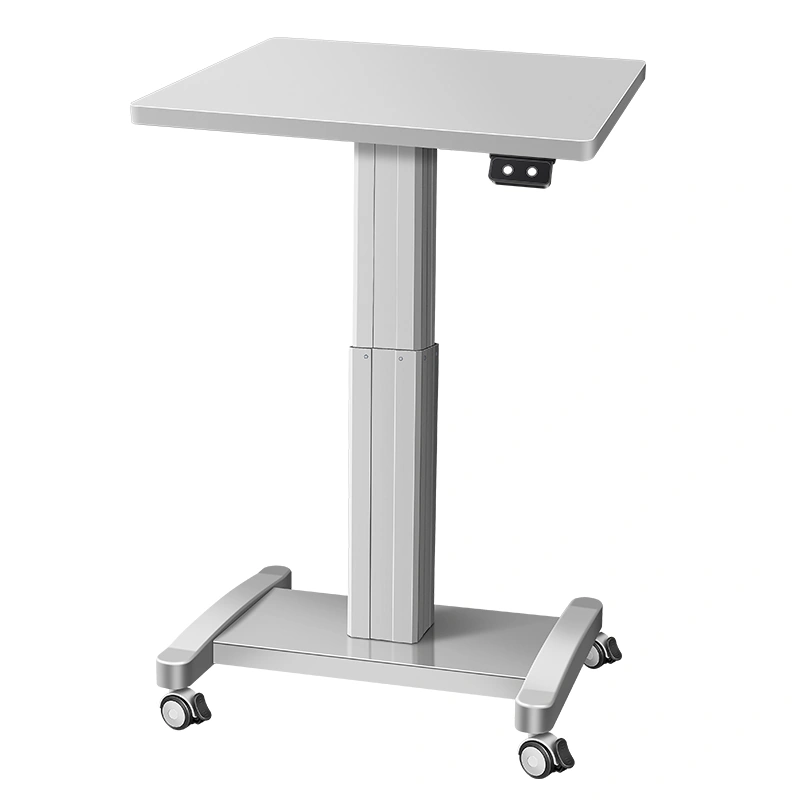
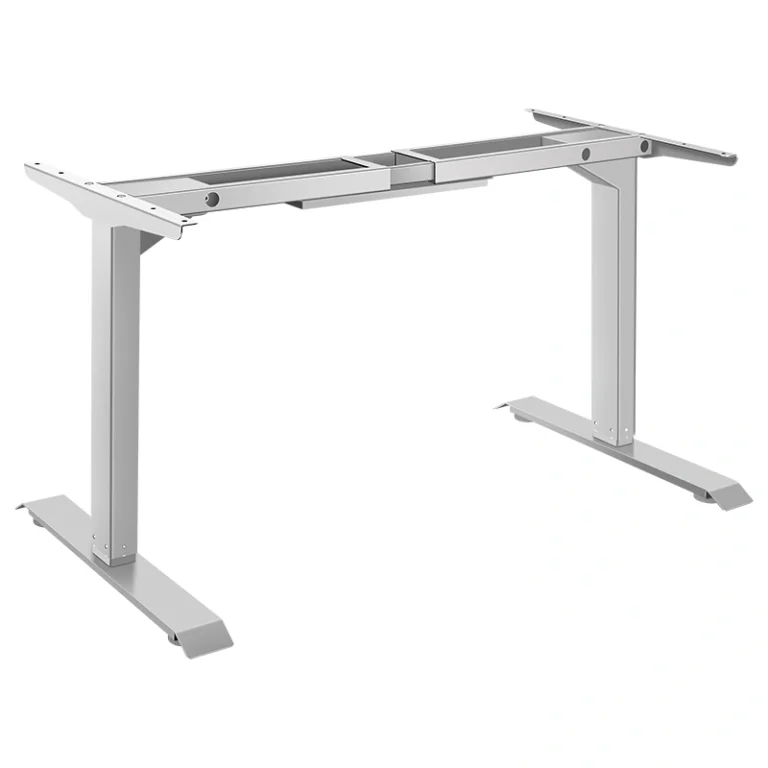
The rise of the remote work revolution and the growing awareness of ergonomics in the workplace has created an unprecedented demand for electric standing desks. For businesses looking to source wholesale standing desk frames for their office furniture inventory, distributor networks, or corporate procurement programs, selecting the right B2B standing desk manufacturer has become a critical decision that directly impacts customer satisfaction, return rates, and long-term profitability.
Unlike consumer purchasing, B2B buyers must evaluate suppliers through a fundamentally different lens. You’re not just buying one desk—you’re establishing a partnership that will scale with your business. The wrong choice means dealing with warranty claims, customer complaints, and damaged reputation. The right choice means reliable products, consistent quality, and a supplier who understands your business needs.
This comprehensive guide examines the seven essential features every B2B buyer should evaluate when selecting an electric standing desk frame supplier. Whether you’re a furniture distributor, office equipment wholesaler, or a company furnishing multiple locations, these criteria will help you identify manufacturers who deliver real value.
Table of Contents
1. Load Capacity: The Foundation of Reliability
Load capacity represents the maximum weight an electric standing desk frame can support safely and consistently. This specification directly determines which desktop surfaces and accessories your customers can use without compromising performance or safety.
What to look for: A commercial-grade electric standing desk frame should support a minimum of 150 lbs (68 kg), with premium models offering 200 lbs (90 kg) or more. For B2B applications, always prioritize frames that exceed typical office requirements—this provides a safety margin that protects against unexpected loads from dual monitors, heavy equipment, or customers who push the limits.
Why it matters for B2B buyers: In commercial environments, desks face unpredictable usage patterns. Employees may place heavy workstations, multiple monitors, or equipment on desks without considering weight limits. A frame with robust load capacity reduces warranty claims, prevents mechanical failures, and maintains smooth height adjustment operations over years of daily use.
Evaluation criteria: Request load capacity specifications from potential suppliers and verify testing documentation. Look for frames rated for continuous use rather than intermittent peak loads. The difference matters—frames designed for commercial durability will outperform consumer-grade products in demanding office environments.
2. Dual Motors: Power and Performance
The motor system fundamentally determines how well an electric standing desk frame performs over time. Dual motor configurations have become the industry standard for commercial-grade products, offering superior lifting power and reliability compared to single-motor designs.
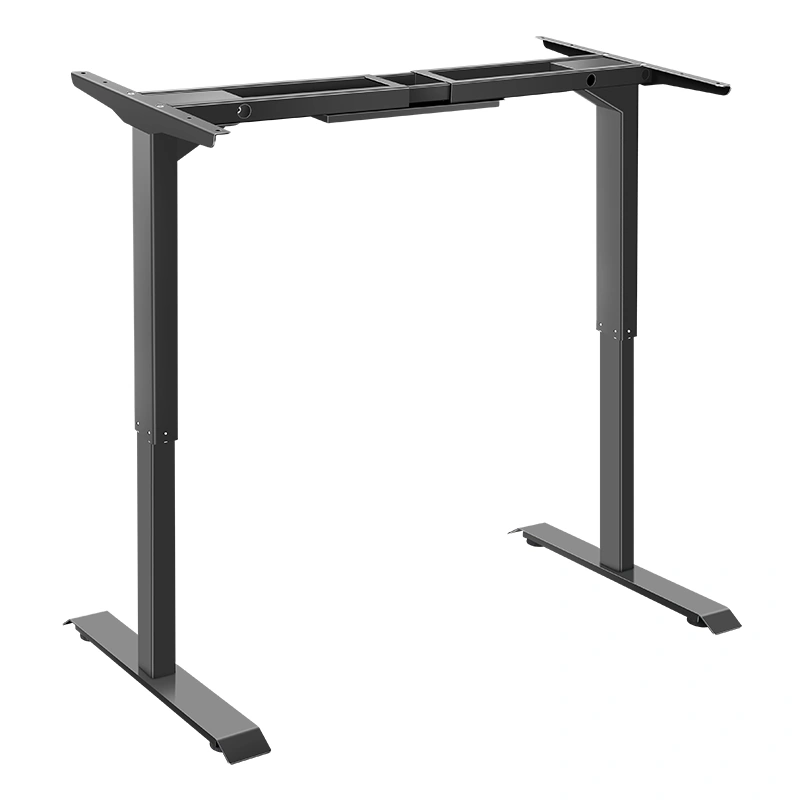
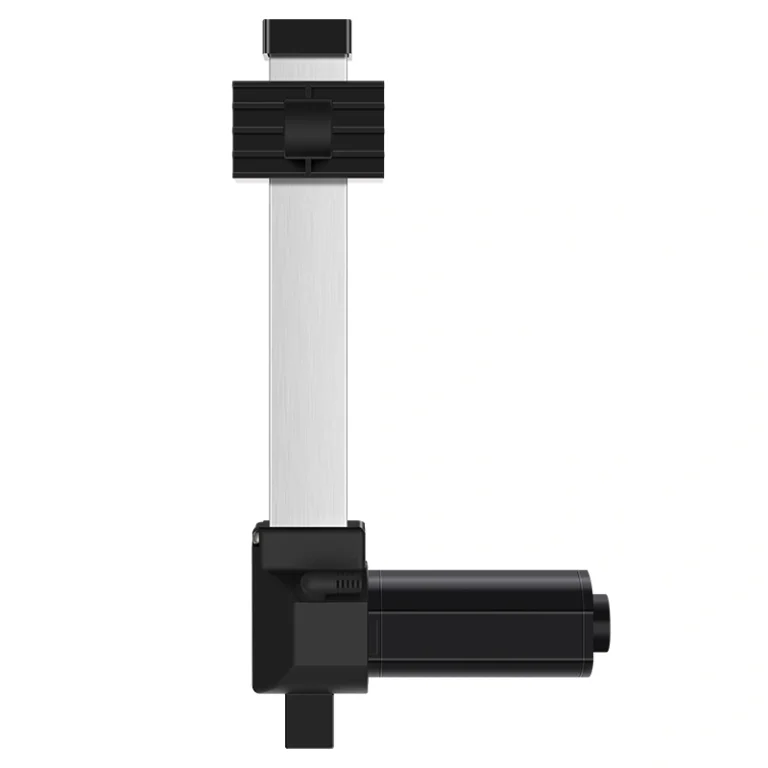
What to look for: Quality dual motor systems feature two independent motors—one in each leg column—that work in synchronization to raise and lower the desk. This design distributes the workload evenly, reduces motor strain, extends operational lifespan, and provides consistent performance even under heavy loads.
Why it matters for B2B buyers: Single-motor systems often struggle with heavier desktops or uneven loads, leading to slower adjustment speeds, increased noise, and premature motor wear. In B2B contexts where desks experience continuous daily use by multiple users, dual motors deliver the reliability that protects your brand reputation and minimizes service calls.
Evaluation criteria: Ask suppliers about motor specifications including power output, duty cycle ratings, and testing protocols. Premium motors should operate smoothly at speeds of 1.5 inches per second or faster while maintaining stability. Request information about motor warranty periods—this often indicates manufacturer confidence in product durability.
3. Anti-Collision and Gyroscope Functionality: Safety First
Modern electric standing desk frames incorporate advanced safety technologies that detect and respond to obstacles during height adjustment. Anti-collision systems (sometimes called obstacle detection or gyroscope functionality) prevent accidents, protect equipment, and ensure user safety in busy office environments.
What to look for: Responsive anti-collision systems should stop the desk’s movement within milliseconds of detecting resistance. More advanced implementations use gyroscopic sensors or pressure-sensitive technology to identify obstacles from multiple angles—above, below, and around the desk’s path.
Why it matters for B2B buyers: Office environments present countless collision risks: partitions, chairs, bags, equipment, and even people. Without reliable anti-collision functionality, desks can damage office furniture, create safety hazards, or cause injuries. This feature protects your customers’ investments and shields your business from liability concerns.
Evaluation criteria: Test anti-collision systems personally when possible, or request detailed documentation of testing methods and response times. The best systems will stop movement instantly and reverse slightly upon detection. Ask suppliers about false-positive rates—a quality system detects real obstacles without interrupting normal operation.
4. Low Noise Operation: Professional Environment Standards
In professional office settings, noise matters more than most buyers realize. A desk that squeaks, whines, or rumbles during height adjustment disrupts focused work environments, creates embarrassing moments in client meetings, and signals poor quality to discerning users.
What to look for: Premium electric standing desk frames operate at noise levels below 50 decibels during adjustment—comparable to a quiet conversation or background office noise. The best manufacturers achieve this through precision motor engineering, high-quality gear systems, and intelligent speed control that prevents jarring movements.
Why it matters for B2B buyers: When you’re furnishing executive offices, conference rooms, or open-plan workspaces, the sound profile of desk operation reflects on your entire procurement decision. Quiet operation demonstrates attention to detail and quality standards. Conversely, noisy desks create complaints, particularly in environments where concentration and professionalism matter.
Evaluation criteria: Request noise level specifications and, if possible, audio samples or demonstration units. Look for frames using brushless DC motors and lubrication-free gear systems—these technologies typically deliver quieter operation with less maintenance requirements over time.
5. Customization Capabilities: Meeting Diverse Client Needs
The ability to customize electric standing desk frames differentiates commodity products from premium offerings. B2B buyers need flexibility to match diverse client requirements, brand preferences, and application-specific needs across their customer base.
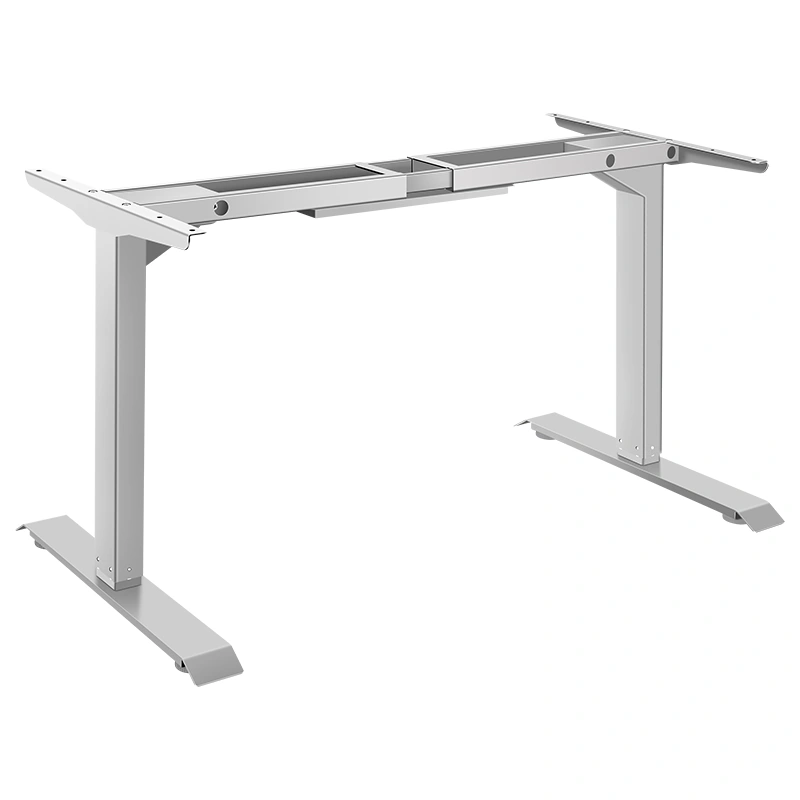
What to look for: Comprehensive customization options should include adjustable width ranges to accommodate various desktop sizes, color and finish options for brand consistency, control panel configurations, cable management integration, and the ability to work with different desktop materials and thicknesses.
Why it matters for B2B buyers: Your clients aren’t all the same. A corporate headquarters needs different specifications than a startup co-working space. A luxury office requires different aesthetics than a cost-conscious facility. Suppliers who offer extensive customization options allow you to serve diverse market segments without managing multiple vendor relationships.
Evaluation criteria: Review the supplier’s customization catalog and request samples of previous custom orders. Evaluate minimum order quantities for custom configurations—some manufacturers require prohibitive volumes for meaningful customization. The ideal partner offers flexibility without excessive premiums.
6. Height Adjustment Range: Ergonomic Versatility
The height adjustment range determines how low and how high the desk can position the work surface. This specification directly impacts ergonomic suitability across a diverse workforce with varying body types, seated and standing preferences, and accessibility requirements.
What to look for: Quality commercial frames offer height ranges from approximately 24 inches to 50 inches (60-127 cm), accommodating users from the 5th percentile female to the 95th percentile male in both seated and standing positions. Look for frames with memory presets that allow multiple users to save their preferred heights.
Why it matters for B2B buyers: Office environments employ diverse workers. A desk with insufficient adjustment range leaves some employees with poor ergonomics—either too high when seated or too low when standing. This limitation creates discomfort, potential health issues, and complaints that reflect poorly on your procurement decision.
Evaluation criteria: Test adjustment ranges personally and compare specifications across suppliers. Verify that the full range operates smoothly without binding or instability at extremes. Consider whether preset memory functions meet multi-user workplace requirements—some systems support 2-4 memory positions while premium options offer more.
7. Stability and Construction Quality: Built to Last
The overall construction quality and stability of an electric standing desk frame determines how well it performs over years of daily commercial use. This encompasses the materials used, engineering design, manufacturing precision, and structural integrity under various loading conditions.
What to look for: Premium frames use industrial-grade steel or aluminum components with thick-walled leg columns, reinforced crossbars, and precision-machined joint connections. Look for frames that feel substantial when handled—heavy weight often indicates quality materials. Check for features like anti-wobble designs, levelers for uneven floors, and robust control systems.
Why it matters for B2B buyers: In commercial environments, desks face constant use, occasional abuse, and years of continuous operation. A wobbly or unstable desk creates negative impressions, disrupts work with annoying movements, and fails quickly under commercial demands. Construction quality directly impacts total cost of ownership through maintenance costs, replacement rates, and customer satisfaction.
Evaluation criteria: Request detailed material specifications and manufacturing process documentation. Look for certifications like BIFMA or EN compliance that indicate testing to commercial standards. When possible, assemble and test sample units—stability is immediately apparent during actual use. Evaluate the supplier’s warranty terms as an indicator of confidence in construction quality.
Why is a dual-motor system preferred over a single-motor for B2B use?
Dual motors provide more lifting power, better synchronization, and higher reliability under heavy loads, which is essential for varied commercial office environments.
What is the significance of BIFMA certification in standing desk frames?
BIFMA standards ensure the product has undergone rigorous testing for safety, durability, and structural performance specifically for commercial-grade furniture.
How does the adjustment speed affect the user experience?
A speed of 1.5 inches per second or faster allows for seamless transitions between sitting and standing, encouraging users to utilize the ergonomic benefits without disrupting their workflow.
Conclusion: Making an Informed B2B Sourcing Decision
Selecting the right standing desk frame supplier for your B2B operations requires balancing multiple factors: product quality, customization options, pricing structures, and partnership capabilities. The seven features examined in this guide provide a comprehensive framework for evaluating manufacturers and differentiating quality suppliers from those offering compromised products.
When assessing potential B2B standing desk manufacturer partners, remember that the lowest price rarely delivers the best long-term value. Frames that skimp on motor quality, load capacity, or construction materials create hidden costs through warranty claims, customer complaints, and damaged relationships. Premium suppliers may require higher initial investments but deliver returns through reliability, reduced service burden, and strong customer satisfaction.
Take time to request product samples, verify specifications with documentation, and communicate directly with manufacturers about your specific business requirements. The ideal supplier acts as a partner—understanding your market, supporting your growth, and helping you serve your customers effectively.
Your choice of electric standing desk frame supplier impacts not just your product line, but every workspace you help create. Choose quality. Choose reliability. Choose a partner who understands B2B excellence.
Contact reputable B2B standing desk frame manufacturers today to request product catalogs, sample evaluations, and partnership discussions tailored to your business needs.
Get Expert Insights on Industrial Motion Control
Selecting the right electric linear actuator or lifting column is critical for your project's performance. As a professional Motion Control & Automation Manufacturer, our engineers help you customize load capacity, stroke length, and IP ratings based on your specific application. Share your technical requirements for a tailored solution.
ActuLift supports end-to-end customization, from structural design and stroke parameters to branding and casing finishes, helping you build a powerful brand identity.
Rapid Response & Prototyping
We understand the importance of speed in B2B procurement, utilizing optimized production workflows to ensure efficient responses from sample development to bulk delivery.
Stable Quality & Traceability
With ISO9001 quality assurance, every product—from material entry to final factory testing—is recorded in our electronic logs, ensuring high consistency in delivered goods.