Columnas Elevadoras Eléctricas vs Manuales para Carros Médicos
Elegir entre columnas de elevación eléctricas y manuales es una decisión crítica para el diseño de carros médicos. Esta guía compara la columna eléctrica IPTT-DD y la columna manual IPTT-SD, analizando costos, impacto ergonómico y eficiencia del flujo de trabajo para ayudar a las instalaciones de salud a optimizar sus estaciones de trabajo móviles.
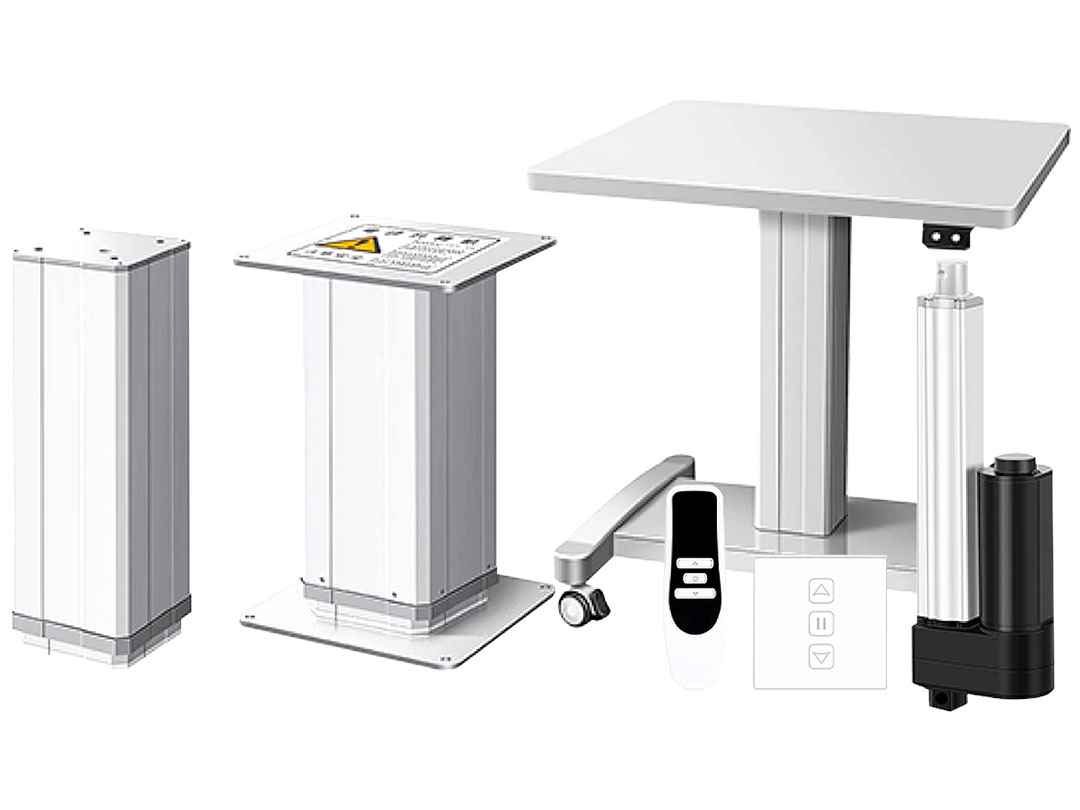
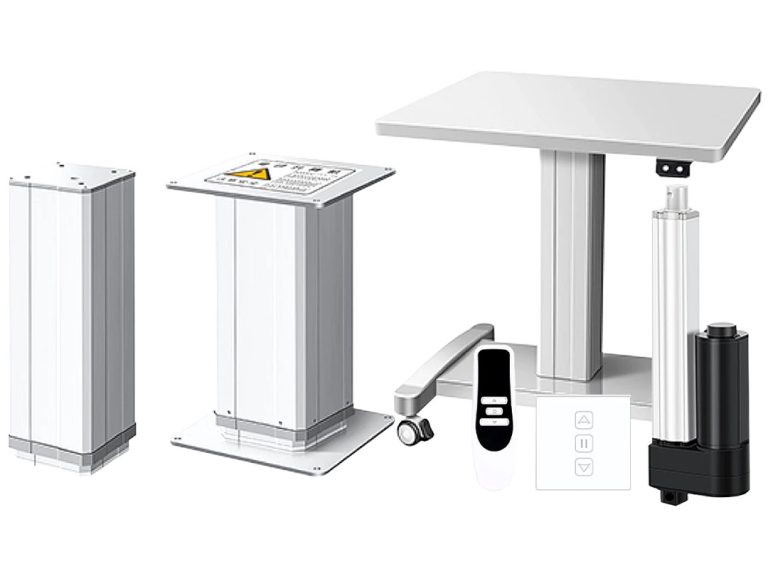
When evaluating height-adjustable carts, desks or workstations for care-related or medical environments, lifting-column architecture is one component decision within the finished equipment. The choice typically comes down to two main categories: columnas elevadoras eléctricas (como el columna elevadora eléctrica IPTT-DD) y columnas de elevación manual (como el columna de elevación telescópica IPTT-SD).
The comparison should consider adjustment frequency, required load and travel, manual effort, power and control architecture, retention or holding behavior, service access, maintenance and the finished-device validation plan. This article compares IPTT-DD and IPTT-SD as configurable OEM candidates; it does not establish medical suitability for a finished cart, desk or device.
Tabla de Contenidos
Entendiendo las Dos Opciones
¿Qué es una Columna de Elevación Manual?
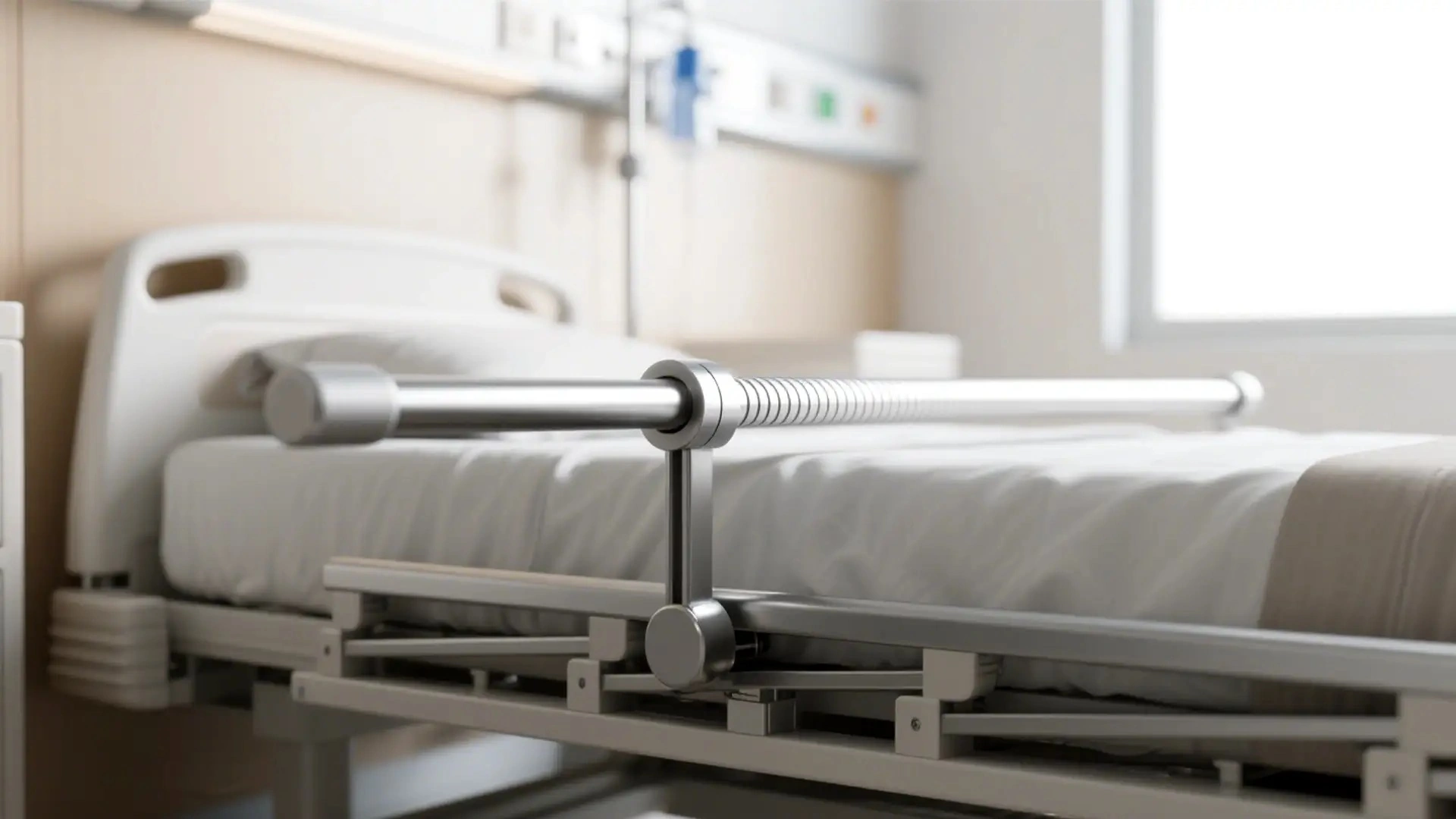
IPTT-SD is a configurable manual telescopic lifting-column platform. Confirm the selected build’s adjustment method, locking or retention method, required operating force, load, travel, mounting geometry, adjustment frequency and lifecycle rather than assuming a spring or gas-strut architecture.
Características clave:
No se requiere fuente de energía
Electrical drive and controller may not be required; compare the actual configured BOM and quotation
Manual adjustment and locking/retention method must be confirmed for the selected build
Working/holding load and stability are configuration-specific; do not infer a lighter-duty limit from the manual architecture alone
¿Qué es una Columna de Elevación Eléctrica?
IPTT-DD is a configurable electric lifting-column platform. Motorized adjustment can support powered height changes, but load, travel, speed, controller, feedback, synchronization, duty cycle and positioning behavior must be confirmed for the selected build and finished mechanism.
Características clave:
Alimentado por electricidad o batería
Ajuste de altura con botón
Control functions, feedback and any preset behavior depend on the selected controller and configuration
Rated load depends on the selected column configuration; do not infer higher capacity from electric drive alone
Análisis de Costos: Inversión Inicial vs. Valor a Largo Plazo
Precio de Compra Inicial
La diferencia más evidente es el costo inicial. Columnas de elevación manual generalmente tienen un precio de compra más bajo porque carecen de motores, sistemas de control y componentes eléctricos. Para instalaciones con restricciones presupuestarias o aquellas que equipan múltiples carros, esto puede ser una ventaja significativa.
Do not apply a universal percentage cost gap between manual and electric columns. Compare the quoted column, controller or locking hardware, power system, wiring, assembly, service requirements and expected production quantity for the specific project.
An electric architecture adds motor/control components, while a manual architecture may require different mechanical adjustment and retention hardware. Total cost should be compared at the finished-system level rather than assumed from the column type.
Costos Ocultos a Considerar
Más allá del precio de compra, considera estos factores:
Comparison item
Manual IPTT-SD
Electric IPTT-DD
Adjustment architecture
Confirm manual adjustment and locking/retention method
Confirm motor, controller and control method
Power / wiring
No electric column drive required; finished equipment may still have other electrical systems
Compatible power supply, wiring and controller required
Load / travel
Configuration-specific; verify selected build
Configuration-specific; verify selected build
Mantenimiento
Inspect mechanical adjustment, locking/retention, mounting and wear
Inspect mechanical system plus motor, wiring and controller as applicable
Commercial comparison
Use current configured quotation and lifecycle/service assumptions
Use current configured quotation and lifecycle/service assumptions
Para carros de enfermería que se mueven entre habitaciones, considera si las opciones a batería son prácticas en comparación con sistemas manuales que funcionan en cualquier lugar.
Conveniencia y Usabilidad en Entornos de Atención Médica
Impacto en el Flujo de Trabajo Diario
In care-related workflows, adjustment frequency, required operator effort, control access and equipment availability can affect usability. Compare the two architectures against the actual use case rather than assuming one is inherently better for healthcare.
Electric lifting columns may be evaluated when:
Múltiples usuarios comparten el mismo equipo durante el día
The project defines a positioning requirement that can be validated with the selected column, controller and mechanism
Se necesitan ajustes rápidos entre pacientes
Reduced manual adjustment effort is an explicit equipment requirement
A compatible electric control can reduce the manual effort required to change height. The actual adjustment time, control interface and usability should be measured on the finished cart under representative load and user conditions.
Manual lifting columns may be evaluated when:
A non-powered adjustment architecture fits the project’s risk, service and workflow requirements
El acceso a energía es limitado o poco fiable
La aplicación requiere ajustes ocasionales, no frecuentes
The configured manual solution meets the project requirements and commercial target
A manual column avoids dependence on the column’s own electric drive and controller, but finished-equipment reliability still depends on the complete mechanical design, locking/retention method, mounting, wear and maintenance.
Ergonomía y Comodidad del Usuario
Motorized height adjustment can reduce the manual force needed for the height-change task, but ergonomic benefit depends on control placement, adjustment frequency, cart layout, user population and the complete workflow. Validate the finished equipment rather than assigning a general healthcare ergonomics benefit to the column alone.
For a manual column, measure the actual adjustment force and confirm the locking/retention behavior of the selected configuration. Do not assume a gas spring, a specific operating force or a lighter-duty application unless those details are documented.
Application-Specific Evaluation
Evaluation for Nursing Carts
Para carros de enfermería que se mueven por toda una instalación y sirven para múltiples propósitos:
Eléctrico (IPTT-DD): Evaluate when frequent powered adjustment is required; confirm controller functions, adjustment time, load, travel and finished-cart validation. Do not assume preset heights unless the selected control configuration provides them.
Manual (IPTT-SD): Evaluate when a manual adjustment/retention method fits the required adjustment frequency, operator force, load and service model.
Evaluation for Medical Examination Desks
Para escritorios médicos donde se examinan pacientes de varios tamaños:
Eléctrico (IPTT-DD): Evaluate if powered adjustment is required, then define and validate the positioning tolerance, control behavior, load, stability and finished-device safety requirements.
Manual (IPTT-SD): Evaluate if its manual adjustment force, retention method, load and workflow fit the specific equipment requirements.
Evaluation for Workstations with Limited Power Access
Para estaciones de trabajo en áreas donde el acceso a la energía es complicado:
Manual (IPTT-SD): Does not require an electric column drive/controller; confirm that the manual adjustment and retention method fit the use case.
Eléctrico (IPTT-DD): Requires a compatible power/control architecture; confirm supply, wiring, battery strategy if applicable, EMC/electrical integration and service access.
Tomando su Decisión: Consideraciones Clave
Al elegir entre columnas de elevación eléctricas y manuales para sus carros y escritorios médicos, pregúntese estas preguntas:
¿Con qué frecuencia necesitará ajustarse la altura?
Define the expected adjustments per hour or shift and the required adjustment time. Frequent adjustment may favor powered control, but the decision also depends on load, operator effort, power architecture, control requirements and finished-equipment validation.
¿Quién usará el equipo?
Define the intended user population, reach, control access and acceptable manual adjustment force. Validate the finished cart or workstation with representative users instead of assuming electric or manual is automatically more ergonomic.
What should be included in the cost comparison?
Compare configured column price, controller or locking hardware, power system, wiring, assembly, maintenance, service access, spares and expected lifecycle. Do not apply a universal percentage difference between manual and electric columns.
How should reliability be compared?
Define required lifecycle, load, adjustment frequency, environment, failure behavior and maintenance plan, then validate the selected manual or electric configuration. Mechanical simplicity or electric control alone does not establish finished-equipment reliability.
¿Están las fuentes de energía fácilmente disponibles?
For an electric column, confirm supply voltage, wiring, controller and any battery/charging strategy. A manual column removes the electric column drive requirement but still needs validated adjustment, locking/retention and mechanical integration.
Conclusión: ¿Cuál es el adecuado para usted?
Ambas columnas de elevación manual como el IPTT-SD y columnas elevadoras eléctricas como el IPTT-DD tienen su lugar en entornos de atención médica. La elección correcta depende de sus necesidades específicas, presupuesto y aplicación.
Consider manual IPTT-SD when:
El presupuesto es una preocupación principal
El acceso a la energía es limitado
Los ajustes de altura son infrecuentes
The project can validate the manual adjustment, retention, wear and maintenance behavior for the required risk level
Consider electric IPTT-DD when:
Se necesitan ajustes de altura frecuentes
Múltiples usuarios de diferentes alturas comparten el equipo
A defined positioning/control requirement can be validated with the selected electric configuration
Powered adjustment is expected to support the documented workflow and is validated on the finished equipment
Neither architecture is universally preferred for healthcare equipment. Compare the selected IPTT-DD or IPTT-SD against the finished equipment’s load, travel, adjustment frequency, controls or retention method, operator effort, power architecture, maintenance, risk controls and validation requirements.
Planning a height-adjustable cart or workstation? Share the load, travel, adjustment frequency, control or retention method, power architecture, mounting, environment, documentation and validation requirements for configuration review.
Standards & Regulatory Context
IEC 60601-1:2005+A1:2012+A2:2020: General requirements for basic safety and essential performance for medical electrical equipment; applicability to the finished product and any collateral/particular standards must be determined by the responsible manufacturer.
Ergonomics / occupational-safety context: identify the applicable workplace, medical-device and equipment requirements for the target market; do not treat a generic lifting-column comparison as ergonomic or medical approval.
Obtenga Perspectivas Expertas sobre Control del Movimiento Industrial
Seleccionar el actuador lineal eléctrico o columna de elevación es crítico para el rendimiento de su proyecto. Como fabricante profesional de Control de Movimiento y Automatización, nuestros ingenieros le ayudan a personalizar la capacidad de carga, la longitud de la carrera y las clasificaciones IP según su aplicación específica. Comparta sus requisitos técnicos para una solución a medida.
ActuLift apoya la personalización de extremo a extremo, desde el diseño estructural y los parámetros de recorrido hasta la marca y los acabados de la carcasa, ayudándote a construir una potente identidad de marca.
Respuesta rápida y prototipado
Entendemos la importancia de la rapidez en la adquisición B2B, utilizando flujos de trabajo de producción optimizados para asegurar respuestas eficientes desde el desarrollo de muestras hasta la entrega a granel.
Quality Documentation & Traceability
Quality and traceability requirements vary by project. Ask ActuLift for the applicable inspection records, product specifications, drawings and available compliance documentation for the selected model and order.