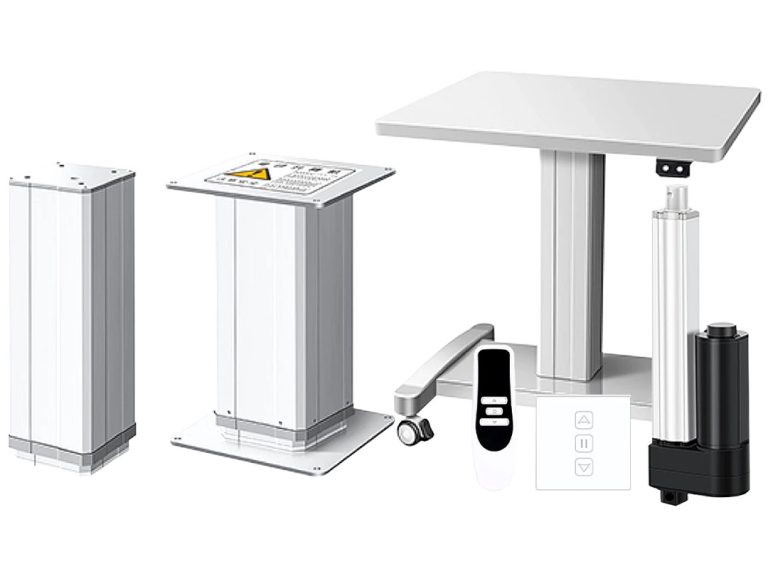
Lựa chọn giữa cột nâng điện và nâng tay là quyết định quan trọng cho thiết kế xe đẩy y tế. Hướng dẫn này so sánh cột điện IPTT-DD và cột tay IPTT-SD, phân tích chi phí, tác động công thái học và hiệu suất quy trình làm việc để giúp các cơ sở chăm sóc sức khỏe tối ưu hóa các trạm làm việc di động của họ.
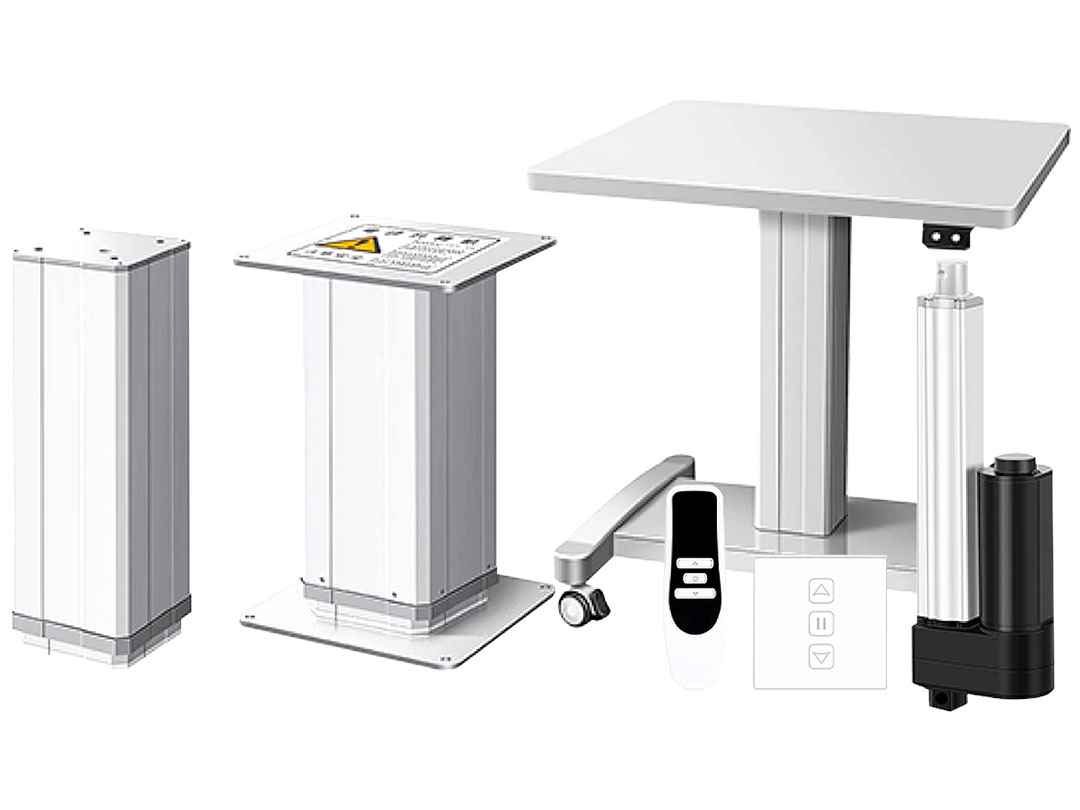
When evaluating height-adjustable carts, desks or workstations for care-related or medical environments, lifting-column architecture is one component decision within the finished equipment. The choice typically comes down to two main categories: cột nâng điện (như Cột nâng điện IPTT-DD) và cột nâng tay (như cột nâng telescopic IPTT-SD).
The comparison should consider adjustment frequency, required load and travel, manual effort, power and control architecture, retention or holding behavior, service access, maintenance and the finished-device validation plan. This article compares IPTT-DD and IPTT-SD as configurable OEM candidates; it does not establish medical suitability for a finished cart, desk or device.
Mục lục
Hiểu hai lựa chọn
Cột nâng tay là gì?
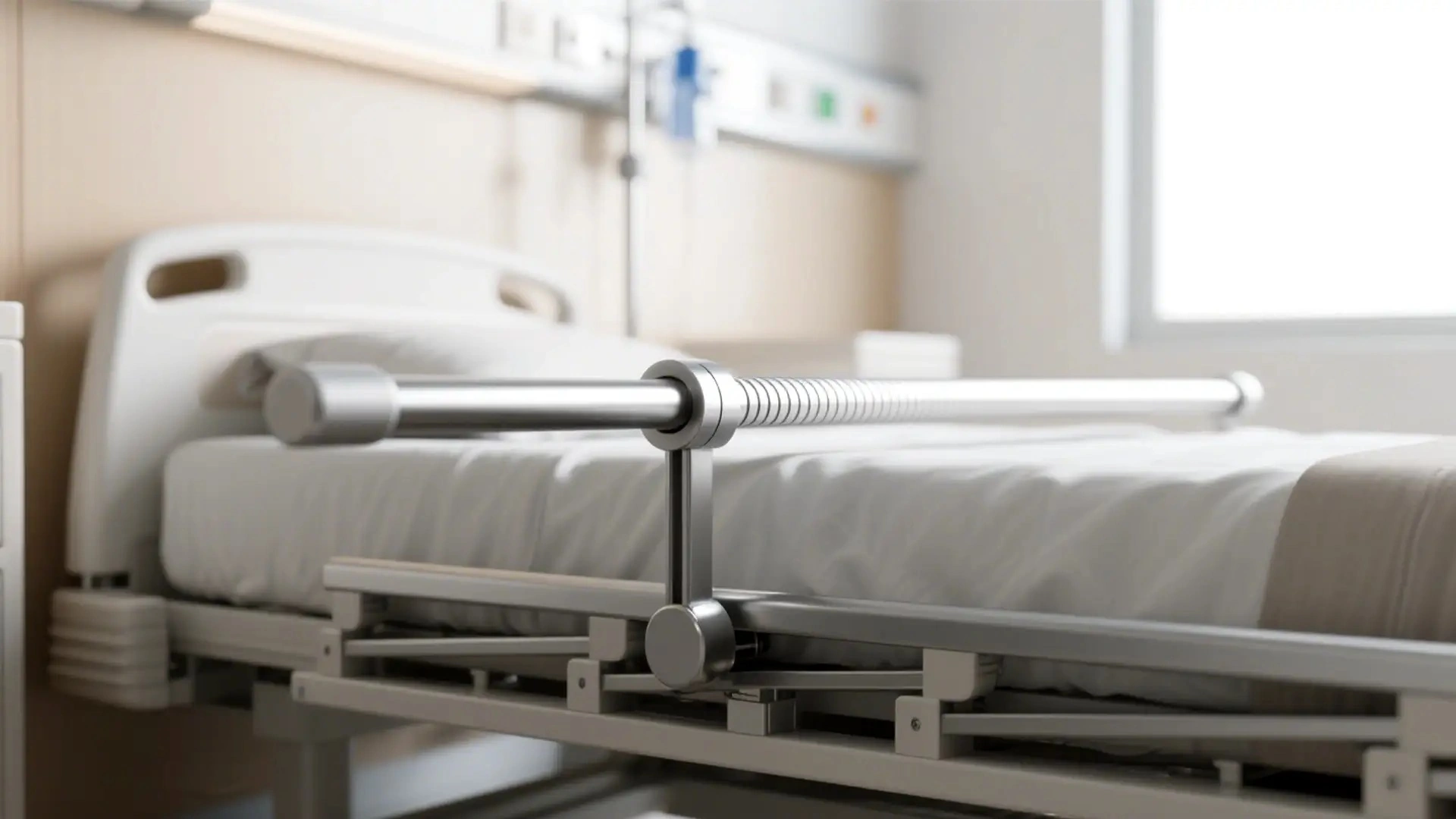
IPTT-SD is a configurable manual telescopic lifting-column platform. Confirm the selected build’s adjustment method, locking or retention method, required operating force, load, travel, mounting geometry, adjustment frequency and lifecycle rather than assuming a spring or gas-strut architecture.
Các đặc điểm chính:
Không cần nguồn điện
Electrical drive and controller may not be required; compare the actual configured BOM and quotation
Manual adjustment and locking/retention method must be confirmed for the selected build
Working/holding load and stability are configuration-specific; do not infer a lighter-duty limit from the manual architecture alone
Cột nâng điện là gì?
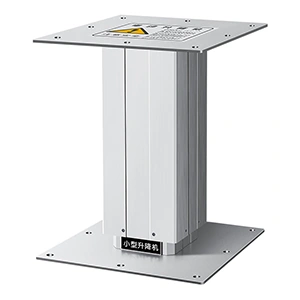
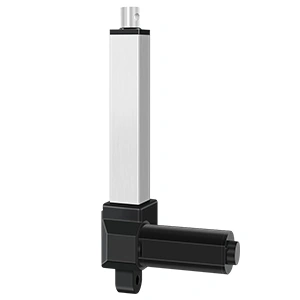
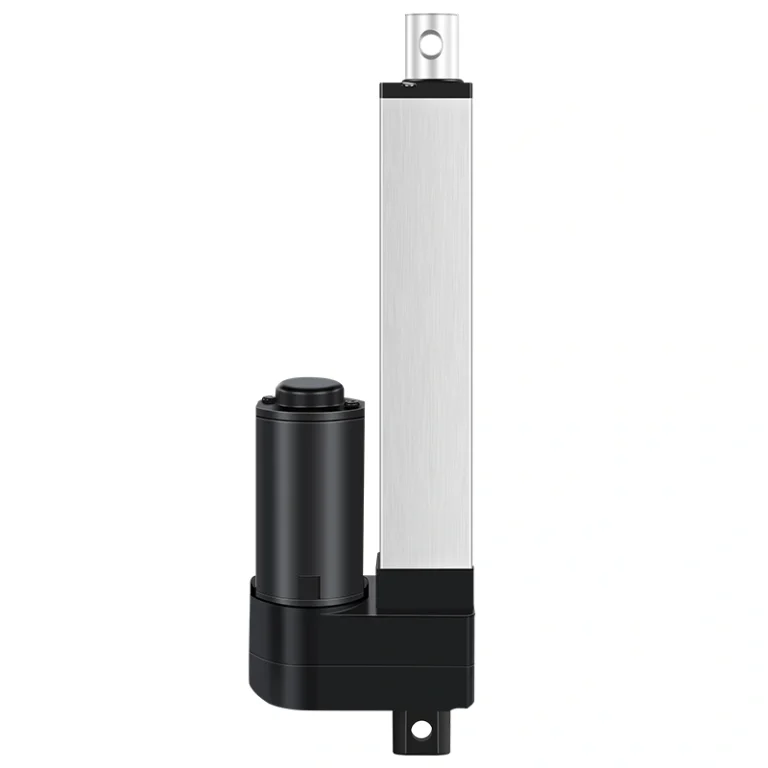
IPTT-DD is a configurable electric lifting-column platform. Motorized adjustment can support powered height changes, but load, travel, speed, controller, feedback, synchronization, duty cycle and positioning behavior must be confirmed for the selected build and finished mechanism.
Các đặc điểm chính:
Chạy bằng điện hoặc pin
Điều chỉnh chiều cao bằng nút nhấn
Control functions, feedback and any preset behavior depend on the selected controller and configuration
Rated load depends on the selected column configuration; do not infer higher capacity from electric drive alone
Phân tích chi phí: Đầu tư ban đầu so với giá trị lâu dài
Giá mua ban đầu
Sự khác biệt rõ ràng nhất là chi phí ban đầu. Cột nâng thủ công thường có giá mua thấp hơn vì chúng thiếu động cơ, hệ thống điều khiển và linh kiện điện tử. Đối với các cơ sở có hạn chế ngân sách hoặc những nơi trang bị nhiều xe, điều này có thể là một lợi thế đáng kể.
Do not apply a universal percentage cost gap between manual and electric columns. Compare the quoted column, controller or locking hardware, power system, wiring, assembly, service requirements and expected production quantity for the specific project.
An electric architecture adds motor/control components, while a manual architecture may require different mechanical adjustment and retention hardware. Total cost should be compared at the finished-system level rather than assumed from the column type.
Chi phí ẩn cần cân nhắc
Ngoài giá mua, hãy xem xét những yếu tố này:
Comparison item
Manual IPTT-SD
Electric IPTT-DD
Adjustment architecture
Confirm manual adjustment and locking/retention method
Confirm motor, controller and control method
Power / wiring
No electric column drive required; finished equipment may still have other electrical systems
Compatible power supply, wiring and controller required
Load / travel
Configuration-specific; verify selected build
Configuration-specific; verify selected build
Bảo trì
Inspect mechanical adjustment, locking/retention, mounting and wear
Inspect mechanical system plus motor, wiring and controller as applicable
Commercial comparison
Use current configured quotation and lifecycle/service assumptions
Use current configured quotation and lifecycle/service assumptions
Đối với xe đẩy y tế di chuyển giữa các phòng, hãy xem xét liệu các tùy chọn chạy bằng pin có thực tế hơn so với các hệ thống thủ công có thể hoạt động ở bất cứ đâu.
Tiện lợi và khả năng sử dụng trong các thiết lập chăm sóc sức khỏe
Tác động đến quy trình làm việc hàng ngày
In care-related workflows, adjustment frequency, required operator effort, control access and equipment availability can affect usability. Compare the two architectures against the actual use case rather than assuming one is inherently better for healthcare.
Electric lifting columns may be evaluated when:
Nhiều người dùng chia sẻ cùng một thiết bị suốt cả ngày
The project defines a positioning requirement that can be validated with the selected column, controller and mechanism
Cần điều chỉnh nhanh chóng giữa các bệnh nhân
Reduced manual adjustment effort is an explicit equipment requirement
A compatible electric control can reduce the manual effort required to change height. The actual adjustment time, control interface and usability should be measured on the finished cart under representative load and user conditions.
Manual lifting columns may be evaluated when:
A non-powered adjustment architecture fits the project’s risk, service and workflow requirements
Tình trạng cung cấp điện hạn chế hoặc không ổn định
Ứng dụng yêu cầu điều chỉnh thỉnh thoảng, không thường xuyên
The configured manual solution meets the project requirements and commercial target
A manual column avoids dependence on the column’s own electric drive and controller, but finished-equipment reliability still depends on the complete mechanical design, locking/retention method, mounting, wear and maintenance.
Công thái học và sự thoải mái của người dùng
Motorized height adjustment can reduce the manual force needed for the height-change task, but ergonomic benefit depends on control placement, adjustment frequency, cart layout, user population and the complete workflow. Validate the finished equipment rather than assigning a general healthcare ergonomics benefit to the column alone.
For a manual column, measure the actual adjustment force and confirm the locking/retention behavior of the selected configuration. Do not assume a gas spring, a specific operating force or a lighter-duty application unless those details are documented.
Application-Specific Evaluation
Evaluation for Nursing Carts
Đối với xe đẩy y tế di chuyển khắp cơ sở và phục vụ nhiều mục đích:
Điện (IPTT-DD): Evaluate when frequent powered adjustment is required; confirm controller functions, adjustment time, load, travel and finished-cart validation. Do not assume preset heights unless the selected control configuration provides them.
Thủ công (IPTT-SD): Evaluate when a manual adjustment/retention method fits the required adjustment frequency, operator force, load and service model.
Evaluation for Medical Examination Desks
Đối với các bàn y tế nơi mà bệnh nhân có kích thước khác nhau được kiểm tra:
Điện (IPTT-DD): Evaluate if powered adjustment is required, then define and validate the positioning tolerance, control behavior, load, stability and finished-device safety requirements.
Thủ công (IPTT-SD): Evaluate if its manual adjustment force, retention method, load and workflow fit the specific equipment requirements.
Evaluation for Workstations with Limited Power Access
Đối với các trạm làm việc ở các khu vực mà truy cập điện gặp khó khăn:
Thủ công (IPTT-SD): Does not require an electric column drive/controller; confirm that the manual adjustment and retention method fit the use case.
Điện (IPTT-DD): Requires a compatible power/control architecture; confirm supply, wiring, battery strategy if applicable, EMC/electrical integration and service access.
Quyết định của bạn: Các yếu tố chính
Khi lựa chọn giữa các cột nâng điện và tay nâng cho xe y tế và bàn làm việc của bạn, hãy tự hỏi bản thân những câu hỏi này:
Mức cao có cần điều chỉnh thường xuyên không?
Define the expected adjustments per hour or shift and the required adjustment time. Frequent adjustment may favor powered control, but the decision also depends on load, operator effort, power architecture, control requirements and finished-equipment validation.
Ai sẽ sử dụng thiết bị?
Define the intended user population, reach, control access and acceptable manual adjustment force. Validate the finished cart or workstation with representative users instead of assuming electric or manual is automatically more ergonomic.
What should be included in the cost comparison?
Compare configured column price, controller or locking hardware, power system, wiring, assembly, maintenance, service access, spares and expected lifecycle. Do not apply a universal percentage difference between manual and electric columns.
How should reliability be compared?
Define required lifecycle, load, adjustment frequency, environment, failure behavior and maintenance plan, then validate the selected manual or electric configuration. Mechanical simplicity or electric control alone does not establish finished-equipment reliability.
Nguồn điện có sẵn dễ dàng không?
For an electric column, confirm supply voltage, wiring, controller and any battery/charging strategy. A manual column removes the electric column drive requirement but still needs validated adjustment, locking/retention and mechanical integration.
Kết luận: Cái nào phù hợp với bạn?
Cả hai cột nâng tay như IPTT-SD và cột nâng điện như IPTT-DD đều có vị trí của chúng trong các cơ sở chăm sóc sức khỏe. Sự lựa chọn đúng phụ thuộc vào nhu cầu cụ thể, ngân sách và ứng dụng của bạn.
Consider manual IPTT-SD when:
Ngân sách là mối quan tâm chính
Việc truy cập điện bị hạn chế
Các điều chỉnh chiều cao không thường xuyên
The project can validate the manual adjustment, retention, wear and maintenance behavior for the required risk level
Consider electric IPTT-DD when:
Cần điều chỉnh chiều cao thường xuyên
Nhiều người dùng với chiều cao khác nhau chia sẻ thiết bị
A defined positioning/control requirement can be validated with the selected electric configuration
Powered adjustment is expected to support the documented workflow and is validated on the finished equipment
Neither architecture is universally preferred for healthcare equipment. Compare the selected IPTT-DD or IPTT-SD against the finished equipment’s load, travel, adjustment frequency, controls or retention method, operator effort, power architecture, maintenance, risk controls and validation requirements.
Vẫn chưa chắc chắn? Khám phá toàn bộ danh mục của chúng tôi cột nâng hoặc tìm hiểu thêm về cột nâng điện cho các ứng dụng chăm sóc sức khỏe. Danh mục của chúng tôi healthcare and medical-equipment project category can be used to review candidate components; final suitability remains a finished-system responsibility.
Planning a height-adjustable cart or workstation? Share the load, travel, adjustment frequency, control or retention method, power architecture, mounting, environment, documentation and validation requirements for configuration review.
Standards & Regulatory Context
IEC 60601-1:2005+A1:2012+A2:2020: General requirements for basic safety and essential performance for medical electrical equipment; applicability to the finished product and any collateral/particular standards must be determined by the responsible manufacturer.
Ergonomics / occupational-safety context: identify the applicable workplace, medical-device and equipment requirements for the target market; do not treat a generic lifting-column comparison as ergonomic or medical approval.
Nhận Thông tin Chuyên gia về Kiểm soát Chuyển động Công nghiệp
ActuLift hỗ trợ tùy chỉnh từ đầu đến cuối, từ thiết kế cấu trúc và tham số hành trình đến thương hiệu và hoàn thiện vỏ, giúp bạn xây dựng bản sắc thương hiệu mạnh mẽ.
Phản hồi nhanh & Tạo mẫu
Chúng tôi hiểu tầm quan trọng của tốc độ trong việc mua sắm B2B, sử dụng quy trình sản xuất được tối ưu hóa để đảm bảo phản hồi hiệu quả từ phát triển mẫu đến giao hàng số lượng lớn.
Quality Documentation & Traceability
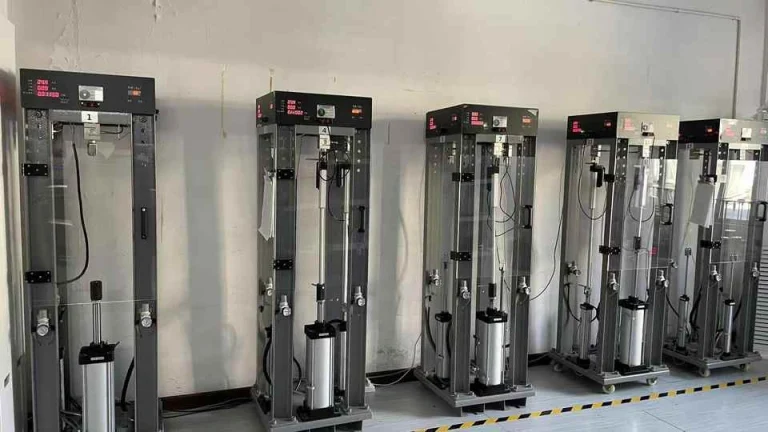
Quality and traceability requirements vary by project. Ask ActuLift for the applicable inspection records, product specifications, drawings and available compliance documentation for the selected model and order.