الأعمدة الكهربائية مقابل الأعمدة اليدوية لسيارات الإسعاف الطبية
اختيار بين الأعمدة الكهربائية واليدوية هو قرار حاسم لتصميم عربات الطبية. هذه الدليل يقارن بين العمود الكهربائي IPTT-DD والعمود اليدوي IPTT-SD، ويحليل التكلفة، وأثر الهندسة البشرية، وكفاءة سير العمل لمساعدة المرافق الصحية على تحسين محطات العمل المتنقلة.
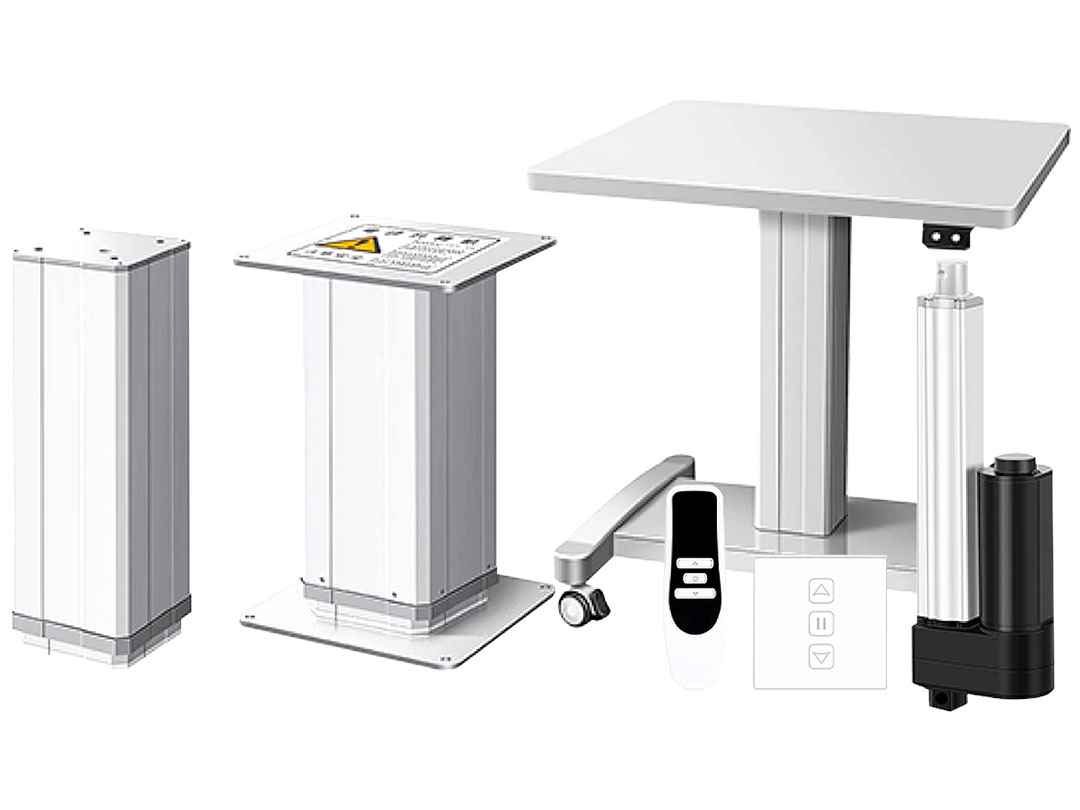
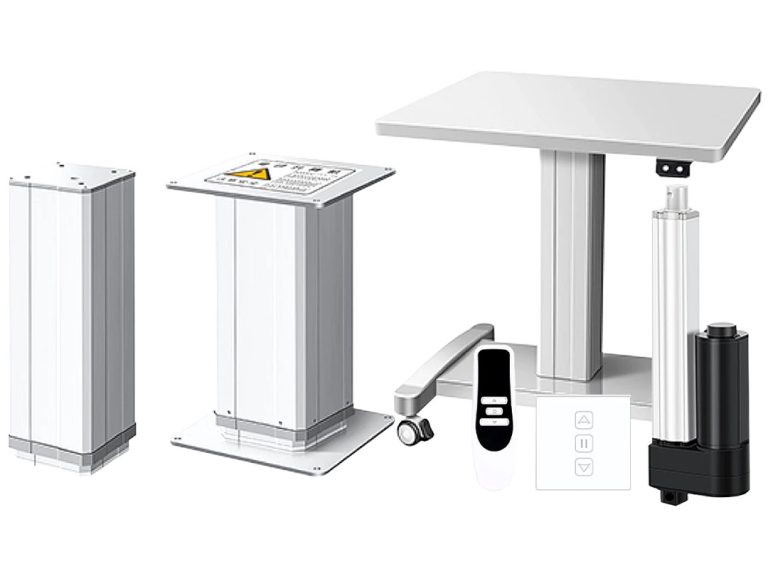
When evaluating height-adjustable carts, desks or workstations for care-related or medical environments, lifting-column architecture is one component decision within the finished equipment. The choice typically comes down to two main categories: أعمدة رفع كهربائية (مثل عمود الرفع الكهربائي IPTT-DD) و الأعمدة اليدوية للرفع (مثل العمود التلسكوبي IPTT-SD).
The comparison should consider adjustment frequency, required load and travel, manual effort, power and control architecture, retention or holding behavior, service access, maintenance and the finished-device validation plan. This article compares IPTT-DD and IPTT-SD as configurable OEM candidates; it does not establish medical suitability for a finished cart, desk or device.
جدول المحتويات
فهم الخيارين
ما هو العمود اليدوي لرفع الوزن؟
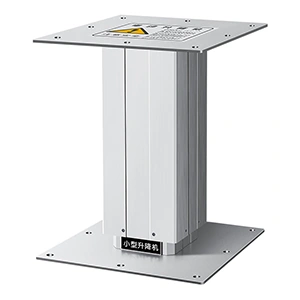
IPTT-SD is a configurable manual telescopic lifting-column platform. Confirm the selected build’s adjustment method, locking or retention method, required operating force, load, travel, mounting geometry, adjustment frequency and lifecycle rather than assuming a spring or gas-strut architecture.
الخصائص الرئيسية:
لا حاجة لمصدر طاقة
Electrical drive and controller may not be required; compare the actual configured BOM and quotation
Manual adjustment and locking/retention method must be confirmed for the selected build
Working/holding load and stability are configuration-specific; do not infer a lighter-duty limit from the manual architecture alone
ما هو العمود الكهربائي لرفع الوزن؟
IPTT-DD is a configurable electric lifting-column platform. Motorized adjustment can support powered height changes, but load, travel, speed, controller, feedback, synchronization, duty cycle and positioning behavior must be confirmed for the selected build and finished mechanism.
الخصائص الرئيسية:
تشغيل بواسطة الكهرباء أو البطارية
تعديل الارتفاع بزر ضغط
Control functions, feedback and any preset behavior depend on the selected controller and configuration
Rated load depends on the selected column configuration; do not infer higher capacity from electric drive alone
تحليل التكلفة: الاستثمار الأولي مقابل القيمة طويلة الأجل
سعر الشراء الأولي
الفرق الأكثر وضوحًا هو التكلفة الأولية. أعمدة الرفع اليدوية عادة ما تكون بسعر شراء أقل لأنها تفتقر إلى المحركات وأنظمة التحكم والمكونات الكهربائية. بالنسبة للمرافق ذات القيود المالية أو تلك التي تجهز عدة عربات، يمكن أن يكون هذا ميزة كبيرة.
Do not apply a universal percentage cost gap between manual and electric columns. Compare the quoted column, controller or locking hardware, power system, wiring, assembly, service requirements and expected production quantity for the specific project.
An electric architecture adds motor/control components, while a manual architecture may require different mechanical adjustment and retention hardware. Total cost should be compared at the finished-system level rather than assumed from the column type.
التكاليف الخفية التي يجب أخذها في الاعتبار
بعيدًا عن سعر الشراء، ضع في اعتبارك هذه العوامل:
Comparison item
Manual IPTT-SD
Electric IPTT-DD
Adjustment architecture
Confirm manual adjustment and locking/retention method
Confirm motor, controller and control method
Power / wiring
No electric column drive required; finished equipment may still have other electrical systems
Compatible power supply, wiring and controller required
Load / travel
Configuration-specific; verify selected build
Configuration-specific; verify selected build
صيانة
Inspect mechanical adjustment, locking/retention, mounting and wear
Inspect mechanical system plus motor, wiring and controller as applicable
Commercial comparison
Use current configured quotation and lifecycle/service assumptions
Use current configured quotation and lifecycle/service assumptions
لـ عربات التمريض التي تتحرك بين الغرف، فكر فيما إذا كانت الخيارات التي تعمل بالبطارية عملية مقارنة بالأنظمة اليدوية التي تعمل في أي مكان.
الراحة وسهولة الاستخدام في البيئات الصحية
أثر سير العمل اليومي
In care-related workflows, adjustment frequency, required operator effort, control access and equipment availability can affect usability. Compare the two architectures against the actual use case rather than assuming one is inherently better for healthcare.
Electric lifting columns may be evaluated when:
يشارك مستخدمون متعددون نفس المعدات طوال اليوم
The project defines a positioning requirement that can be validated with the selected column, controller and mechanism
مطلوب تعديلات سريعة بين المرضى
Reduced manual adjustment effort is an explicit equipment requirement
A compatible electric control can reduce the manual effort required to change height. The actual adjustment time, control interface and usability should be measured on the finished cart under representative load and user conditions.
Manual lifting columns may be evaluated when:
A non-powered adjustment architecture fits the project’s risk, service and workflow requirements
الوصول إلى الطاقة محدود أو غير موثوق
التطبيق يتطلب تعديلات عرضية وليست متكررة
The configured manual solution meets the project requirements and commercial target
A manual column avoids dependence on the column’s own electric drive and controller, but finished-equipment reliability still depends on the complete mechanical design, locking/retention method, mounting, wear and maintenance.
الهندسة البشرية وراحة المستخدم
Motorized height adjustment can reduce the manual force needed for the height-change task, but ergonomic benefit depends on control placement, adjustment frequency, cart layout, user population and the complete workflow. Validate the finished equipment rather than assigning a general healthcare ergonomics benefit to the column alone.
For a manual column, measure the actual adjustment force and confirm the locking/retention behavior of the selected configuration. Do not assume a gas spring, a specific operating force or a lighter-duty application unless those details are documented.
Application-Specific Evaluation
Evaluation for Nursing Carts
لـ عربات التمريض التي تتحرك داخل منشأة وتخدم أغراضًا متعددة:
كهربائي (IPTT-DD): Evaluate when frequent powered adjustment is required; confirm controller functions, adjustment time, load, travel and finished-cart validation. Do not assume preset heights unless the selected control configuration provides them.
يدوي (IPTT-SD): Evaluate when a manual adjustment/retention method fits the required adjustment frequency, operator force, load and service model.
Evaluation for Medical Examination Desks
لـ مكاتب طبية حيث يتم فحص المرضى بمقاسات مختلفة:
كهربائي (IPTT-DD): Evaluate if powered adjustment is required, then define and validate the positioning tolerance, control behavior, load, stability and finished-device safety requirements.
يدوي (IPTT-SD): Evaluate if its manual adjustment force, retention method, load and workflow fit the specific equipment requirements.
Evaluation for Workstations with Limited Power Access
بالنسبة لمحطات العمل في المناطق التي يكون فيها الوصول إلى الطاقة تحديًا:
يدوي (IPTT-SD): Does not require an electric column drive/controller; confirm that the manual adjustment and retention method fit the use case.
كهربائي (IPTT-DD): Requires a compatible power/control architecture; confirm supply, wiring, battery strategy if applicable, EMC/electrical integration and service access.
اتخاذ القرار: اعتبارات رئيسية
عند الاختيار بين الأعمدة الكهربائية واليدوية لسياراتك الطبية ومكاتبك، اسأل نفسك هذه الأسئلة:
كم مرة سيحتاج إلى التعديل في الارتفاع؟
Define the expected adjustments per hour or shift and the required adjustment time. Frequent adjustment may favor powered control, but the decision also depends on load, operator effort, power architecture, control requirements and finished-equipment validation.
من سيستخدم المعدات؟
Define the intended user population, reach, control access and acceptable manual adjustment force. Validate the finished cart or workstation with representative users instead of assuming electric or manual is automatically more ergonomic.
What should be included in the cost comparison?
Compare configured column price, controller or locking hardware, power system, wiring, assembly, maintenance, service access, spares and expected lifecycle. Do not apply a universal percentage difference between manual and electric columns.
How should reliability be compared?
Define required lifecycle, load, adjustment frequency, environment, failure behavior and maintenance plan, then validate the selected manual or electric configuration. Mechanical simplicity or electric control alone does not establish finished-equipment reliability.
هل مصادر الطاقة متاحة بسهولة؟
For an electric column, confirm supply voltage, wiring, controller and any battery/charging strategy. A manual column removes the electric column drive requirement but still needs validated adjustment, locking/retention and mechanical integration.
استنتاج: أيهما مناسب لك؟
كلاهما الأعمدة اليدوية للرفع مثل IPTT-SD و أعمدة رفع كهربائية مثل IPTT-DD لهما مكانهما في إعدادات الرعاية الصحية. الاختيار الصحيح يعتمد على احتياجاتك المحددة، وميزانيتك، وتطبيقك.
Consider manual IPTT-SD when:
الميزانية تمثل مصدر قلق رئيسي
الوصول إلى الطاقة محدود
تعديلات الارتفاع نادرة
The project can validate the manual adjustment, retention, wear and maintenance behavior for the required risk level
Consider electric IPTT-DD when:
تعديلات الارتفاع متكررة
مستخدمون متعددون بأطوال مختلفة يشاركون المعدات
A defined positioning/control requirement can be validated with the selected electric configuration
Powered adjustment is expected to support the documented workflow and is validated on the finished equipment
Neither architecture is universally preferred for healthcare equipment. Compare the selected IPTT-DD or IPTT-SD against the finished equipment’s load, travel, adjustment frequency, controls or retention method, operator effort, power architecture, maintenance, risk controls and validation requirements.
Planning a height-adjustable cart or workstation? Share the load, travel, adjustment frequency, control or retention method, power architecture, mounting, environment, documentation and validation requirements for configuration review.
Standards & Regulatory Context
IEC 60601-1:2005+A1:2012+A2:2020: General requirements for basic safety and essential performance for medical electrical equipment; applicability to the finished product and any collateral/particular standards must be determined by the responsible manufacturer.
Ergonomics / occupational-safety context: identify the applicable workplace, medical-device and equipment requirements for the target market; do not treat a generic lifting-column comparison as ergonomic or medical approval.
احصل على رؤى الخبراء في التحكم في الحركة الصناعية
اختيار محرك خطي كهربائي أو عمود الرفع أمر حاسم لأداء مشروعك. بصفتك محترفًا مصنع لتكنولوجيا التحكم في الحركة والأوتوماتيكية، يساعدك مهندسونا في تخصيص سعة الحمولة وطول الشوط وتصنيفات IP بناءً على تطبيقك المحدد. شارك متطلباتك الفنية للحصول على حل مخصص.
تدعم أكتوليفت التخصيص من البداية إلى النهاية، من التصميم الهيكلي ومعلمات الشوط إلى العلامة التجارية واللمسات النهائية للحالات، مما يساعدك على بناء هوية علامة تجارية قوية.
استجابة سريعة ونماذج أولية
نفهم أهمية السرعة في الشراء بين الشركات، باستخدام تدفقات إنتاج محسّنة لضمان استجابة فعالة من تطوير العينات إلى التسليم بالجملة.
Quality Documentation & Traceability
Quality and traceability requirements vary by project. Ask ActuLift for the applicable inspection records, product specifications, drawings and available compliance documentation for the selected model and order.