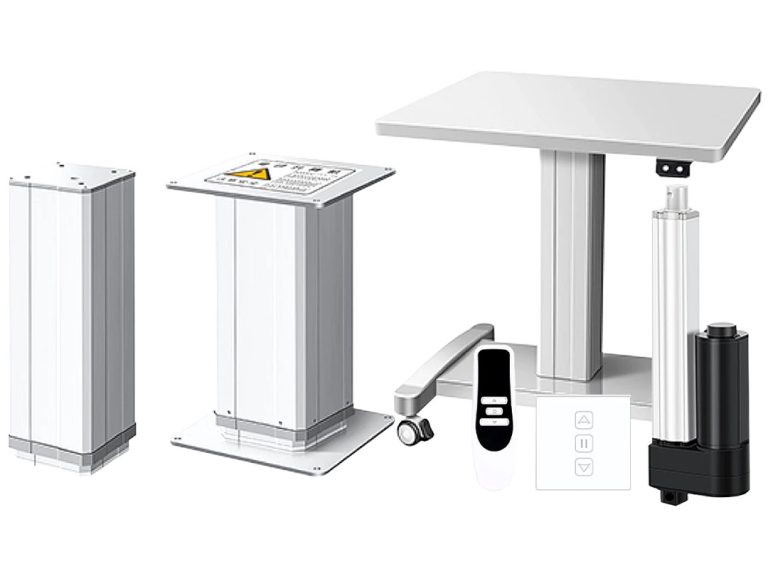
Tıbbi Arabalar için Elektrikli vs Manuel Kaldırma Sütunları
Elektrikli ve manuel yükseklik sütunları arasında seçim yapmak, tıbbi araba tasarımı için kritik bir karardır. Bu kılavuz, maliyet, ergonomik etki ve iş akışı verimliliğini analiz ederek IPTT-DD elektrikli sütun ve IPTT-SD manuel sütunu karşılaştırmaktadır. Bu, sağlık tesislerinin mobil çalışma istasyonlarını optimize etmelerine yardımcı olur.
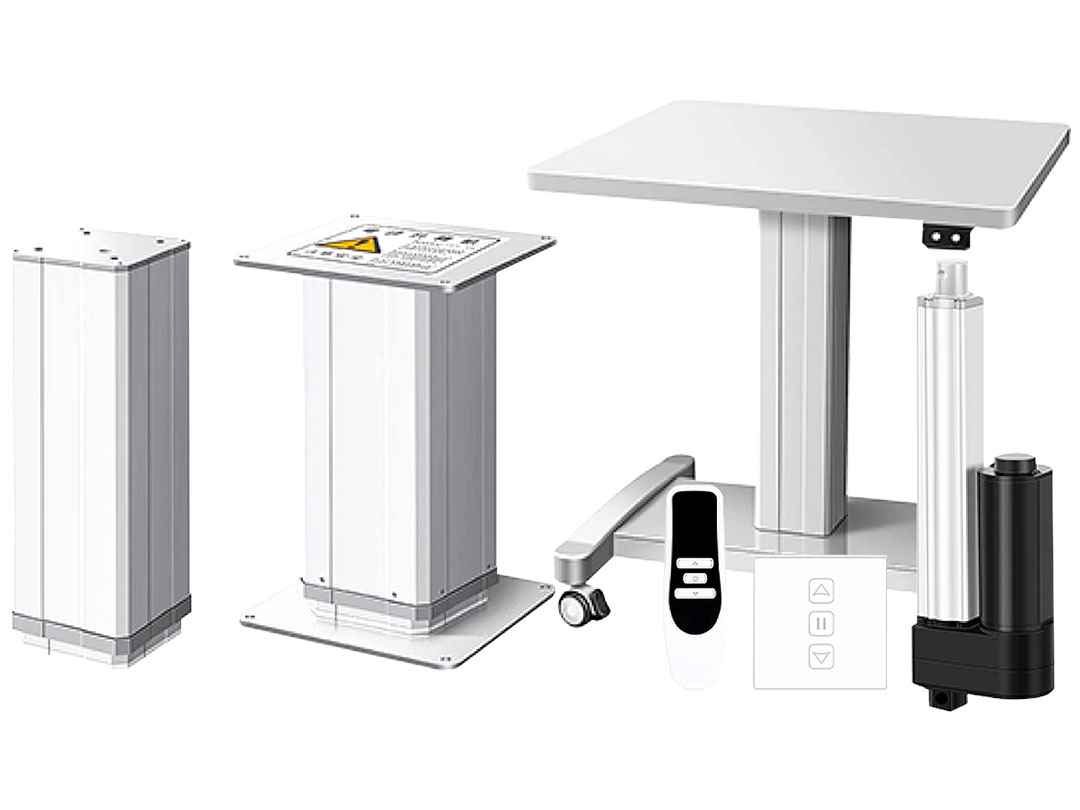
When evaluating height-adjustable carts, desks or workstations for care-related or medical environments, lifting-column architecture is one component decision within the finished equipment. The choice typically comes down to two main categories: elektrikli kaldırma sütunları (örneğin, IPTT-DD elektrikli kaldırma sütunu) ve manuel yükseklik sütunları (örneğin, IPTT-SD teleskopik kaldırma sütunu).
The comparison should consider adjustment frequency, required load and travel, manual effort, power and control architecture, retention or holding behavior, service access, maintenance and the finished-device validation plan. This article compares IPTT-DD and IPTT-SD as configurable OEM candidates; it does not establish medical suitability for a finished cart, desk or device.
İçindekiler
İki Seçeneği Anlama
Manuel Yükseklik Sütunu Nedir?
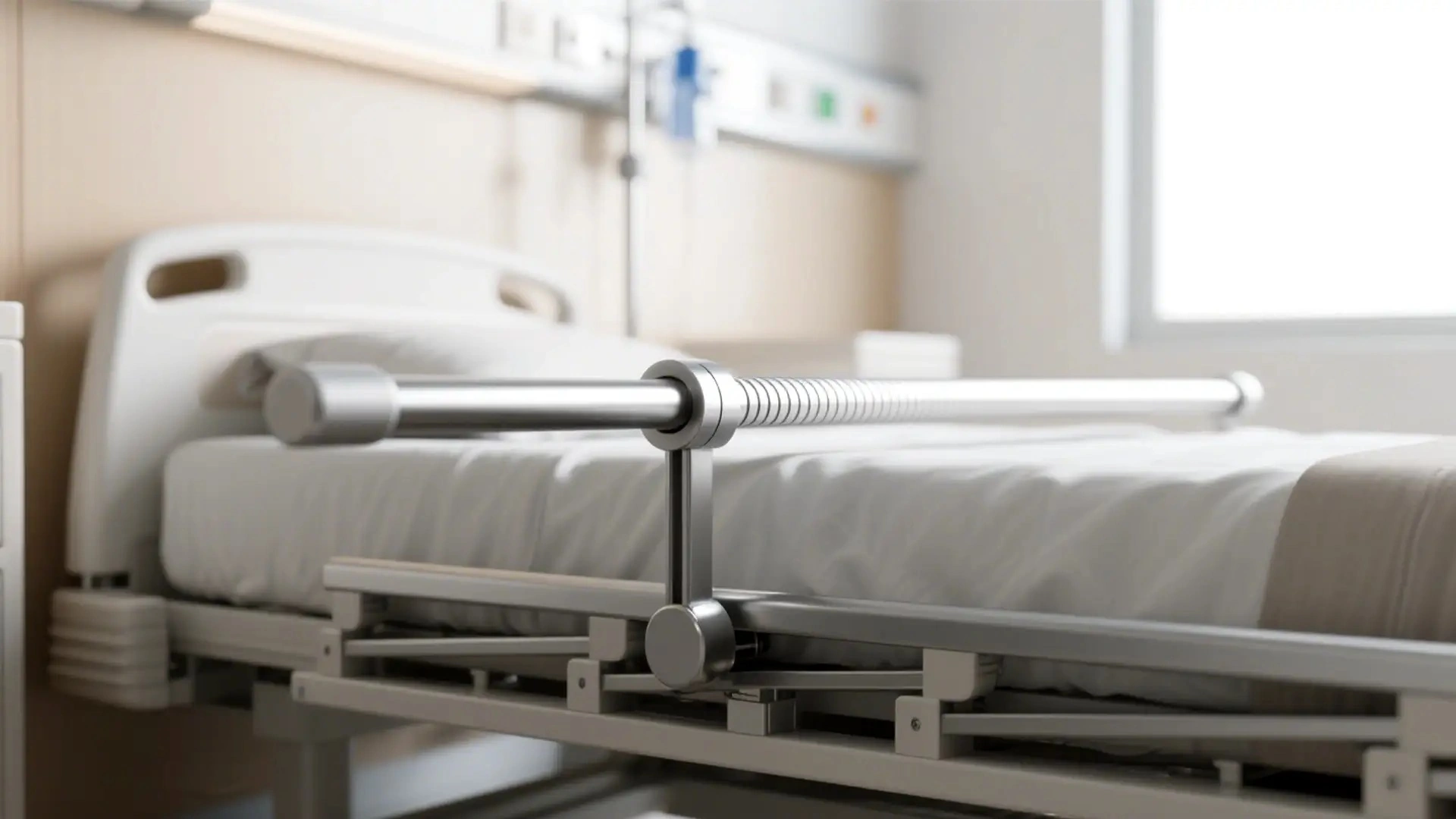
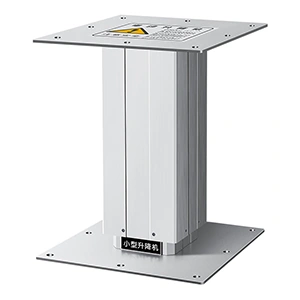
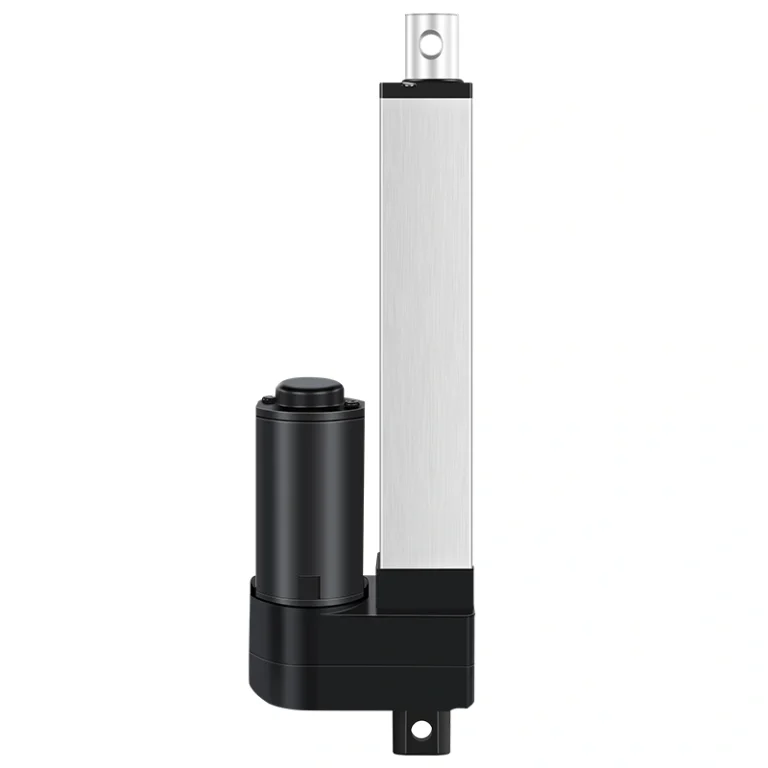
IPTT-SD is a configurable manual telescopic lifting-column platform. Confirm the selected build’s adjustment method, locking or retention method, required operating force, load, travel, mounting geometry, adjustment frequency and lifecycle rather than assuming a spring or gas-strut architecture.
Anahtar özellikler:
Güç kaynağı gerekmez
Electrical drive and controller may not be required; compare the actual configured BOM and quotation
Manual adjustment and locking/retention method must be confirmed for the selected build
Working/holding load and stability are configuration-specific; do not infer a lighter-duty limit from the manual architecture alone
Elektrikli Yükseklik Sütunu Nedir?
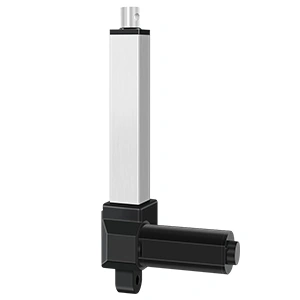
IPTT-DD is a configurable electric lifting-column platform. Motorized adjustment can support powered height changes, but load, travel, speed, controller, feedback, synchronization, duty cycle and positioning behavior must be confirmed for the selected build and finished mechanism.
Anahtar özellikler:
Elektrik veya pil ile çalışır
Butona basarak yükseklik ayarı
Control functions, feedback and any preset behavior depend on the selected controller and configuration
Rated load depends on the selected column configuration; do not infer higher capacity from electric drive alone
Maliyet Analizi: Başlangıç Yatırımı ve Uzun Vadeli Değer
Başlangıç Satın Alma Fiyatı
En belirgin fark, başlangıç maliyetidir. Manuel yükseklik sütunları genellikle motor, kontrol sistemleri ve elektrik bileşenleri bulunmadığı için daha düşük satın alma fiyatına sahiptir. Bütçe kısıtlamaları olan veya birden fazla araba donatan tesisler için bu önemli bir avantaj olabilir.
Do not apply a universal percentage cost gap between manual and electric columns. Compare the quoted column, controller or locking hardware, power system, wiring, assembly, service requirements and expected production quantity for the specific project.
An electric architecture adds motor/control components, while a manual architecture may require different mechanical adjustment and retention hardware. Total cost should be compared at the finished-system level rather than assumed from the column type.
Dikkate Alınması Gereken Gizli Maliyetler
Satın alma fiyatının ötesinde, bu faktörleri dikkate alın:
Comparison item
Manual IPTT-SD
Electric IPTT-DD
Adjustment architecture
Confirm manual adjustment and locking/retention method
Confirm motor, controller and control method
Power / wiring
No electric column drive required; finished equipment may still have other electrical systems
Compatible power supply, wiring and controller required
Load / travel
Configuration-specific; verify selected build
Configuration-specific; verify selected build
Bakım
Inspect mechanical adjustment, locking/retention, mounting and wear
Inspect mechanical system plus motor, wiring and controller as applicable
Commercial comparison
Use current configured quotation and lifecycle/service assumptions
Use current configured quotation and lifecycle/service assumptions
İçin hemşirelik arabaları odalar arasında hareket eden, pillerle çalışan seçeneklerin pratik olup olmadığını göz önünde bulundurun, her yerde çalışan manuel sistemlerle karşılaştırın.
Sağlık Hizmetlerinde Kolaylık ve Kullanılabilirlik
Günlük Çalışma Akışı Üzerindeki Etki
In care-related workflows, adjustment frequency, required operator effort, control access and equipment availability can affect usability. Compare the two architectures against the actual use case rather than assuming one is inherently better for healthcare.
Electric lifting columns may be evaluated when:
Birden fazla kullanıcı gün boyunca aynı ekipmanı paylaşıyor
The project defines a positioning requirement that can be validated with the selected column, controller and mechanism
Hastalar arasında hızlı ayarlamalar gereklidir
Reduced manual adjustment effort is an explicit equipment requirement
A compatible electric control can reduce the manual effort required to change height. The actual adjustment time, control interface and usability should be measured on the finished cart under representative load and user conditions.
Manual lifting columns may be evaluated when:
A non-powered adjustment architecture fits the project’s risk, service and workflow requirements
Güç erişimi sınırlı veya güvenilmez olduğunda
Uygulama ara sıra, sık ayarlama gerektiriyorsa
The configured manual solution meets the project requirements and commercial target
A manual column avoids dependence on the column’s own electric drive and controller, but finished-equipment reliability still depends on the complete mechanical design, locking/retention method, mounting, wear and maintenance.
Ergonomi ve Kullanıcı Konforu
Motorized height adjustment can reduce the manual force needed for the height-change task, but ergonomic benefit depends on control placement, adjustment frequency, cart layout, user population and the complete workflow. Validate the finished equipment rather than assigning a general healthcare ergonomics benefit to the column alone.
For a manual column, measure the actual adjustment force and confirm the locking/retention behavior of the selected configuration. Do not assume a gas spring, a specific operating force or a lighter-duty application unless those details are documented.
Application-Specific Evaluation
Evaluation for Nursing Carts
İçin hemşirelik arabaları tesis içinde hareket eden ve çoklu amaçlar için hizmet eden:
Elektrikli (IPTT-DD): Evaluate when frequent powered adjustment is required; confirm controller functions, adjustment time, load, travel and finished-cart validation. Do not assume preset heights unless the selected control configuration provides them.
Manuel (IPTT-SD): Evaluate when a manual adjustment/retention method fits the required adjustment frequency, operator force, load and service model.
Evaluation for Medical Examination Desks
İçin tıbbi masalar farklı boyutlardaki hastaların muayene edildiği yerler:
Elektrikli (IPTT-DD): Evaluate if powered adjustment is required, then define and validate the positioning tolerance, control behavior, load, stability and finished-device safety requirements.
Manuel (IPTT-SD): Evaluate if its manual adjustment force, retention method, load and workflow fit the specific equipment requirements.
Evaluation for Workstations with Limited Power Access
Güç erişiminin zor olduğu bölgelerdeki çalışma istasyonları için:
Manuel (IPTT-SD): Does not require an electric column drive/controller; confirm that the manual adjustment and retention method fit the use case.
Elektrikli (IPTT-DD): Requires a compatible power/control architecture; confirm supply, wiring, battery strategy if applicable, EMC/electrical integration and service access.
Kararınızı Verirken: Anahtar Kriterler
Tıbbi arabalar ve masalar için elektrikli ve manuel kaldırma kolonları arasında seçim yaparken kendinize bu soruları sorun:
Yükseklik ne sıklıkla ayarlanacak?
Define the expected adjustments per hour or shift and the required adjustment time. Frequent adjustment may favor powered control, but the decision also depends on load, operator effort, power architecture, control requirements and finished-equipment validation.
Ekipmanı kim kullanacak?
Define the intended user population, reach, control access and acceptable manual adjustment force. Validate the finished cart or workstation with representative users instead of assuming electric or manual is automatically more ergonomic.
What should be included in the cost comparison?
Compare configured column price, controller or locking hardware, power system, wiring, assembly, maintenance, service access, spares and expected lifecycle. Do not apply a universal percentage difference between manual and electric columns.
How should reliability be compared?
Define required lifecycle, load, adjustment frequency, environment, failure behavior and maintenance plan, then validate the selected manual or electric configuration. Mechanical simplicity or electric control alone does not establish finished-equipment reliability.
Güç kaynakları kolayca erişilebilir mi?
For an electric column, confirm supply voltage, wiring, controller and any battery/charging strategy. A manual column removes the electric column drive requirement but still needs validated adjustment, locking/retention and mechanical integration.
Sonuç: Hangisi Sizin İçin Uygun?
Her ikisi de manuel yükseklik sütunları IPTT-SD gibi elektrikli kaldırma sütunları IPTT-DD gibi sağlık hizmetleri ortamlarında yer alır. Doğru seçim, belirli ihtiyaçlarınıza, bütçenize ve uygulamanıza bağlıdır.
Consider manual IPTT-SD when:
Bütçe birincil bir endişe ise
Güç erişimi kısıtlıysa
Yükseklik ayarları nadiren yapılıyorsa
The project can validate the manual adjustment, retention, wear and maintenance behavior for the required risk level
Consider electric IPTT-DD when:
Sık sık yükseklik ayarları gerekiyorsa
Farklı yüksekliklere sahip birden fazla kullanıcı ekipmanı paylaşıyorsa
A defined positioning/control requirement can be validated with the selected electric configuration
Powered adjustment is expected to support the documented workflow and is validated on the finished equipment
Neither architecture is universally preferred for healthcare equipment. Compare the selected IPTT-DD or IPTT-SD against the finished equipment’s load, travel, adjustment frequency, controls or retention method, operator effort, power architecture, maintenance, risk controls and validation requirements.
Planning a height-adjustable cart or workstation? Share the load, travel, adjustment frequency, control or retention method, power architecture, mounting, environment, documentation and validation requirements for configuration review.
Standards & Regulatory Context
IEC 60601-1:2005+A1:2012+A2:2020: General requirements for basic safety and essential performance for medical electrical equipment; applicability to the finished product and any collateral/particular standards must be determined by the responsible manufacturer.
Ergonomics / occupational-safety context: identify the applicable workplace, medical-device and equipment requirements for the target market; do not treat a generic lifting-column comparison as ergonomic or medical approval.
Endüstriyel Hareket Kontrolü Üzerine Uzman Görüşleri Alın
Doğru elektrikli lineer aktüatörü veya yükseltme kolonunu seçmek projenizin performansı için kritik öneme sahiptir. Bir profesyonel olarak Hareket Kontrolü ve Otomasyon Üreticisi, mühendislerimiz özel uygulamanıza bağlı olarak yük kapasitesi, strok uzunluğu ve IP derecelendirmelerini özelleştirmenize yardımcı olur. Özelleştirilmiş bir çözüm için teknik gereksinimlerinizi paylaşın.
ActuLift, yapısal tasarım ve stro giriş parametrelerinden markalamaya ve kasa bitimlerine kadar uçtan uca özelleştirmeyi destekler, güçlü bir marka kimliği oluşturmanıza yardımcı olur.
Hızlı Yanıt & Prototipleme
B2B tedarikinde hızın önemini anlıyoruz, örnek geliştirmeden toptan teslimata kadar verimli yanıtlar sağlamak için optimize edilmiş üretim iş akışlarını kullanıyoruz.
Quality Documentation & Traceability
Quality and traceability requirements vary by project. Ask ActuLift for the applicable inspection records, product specifications, drawings and available compliance documentation for the selected model and order.