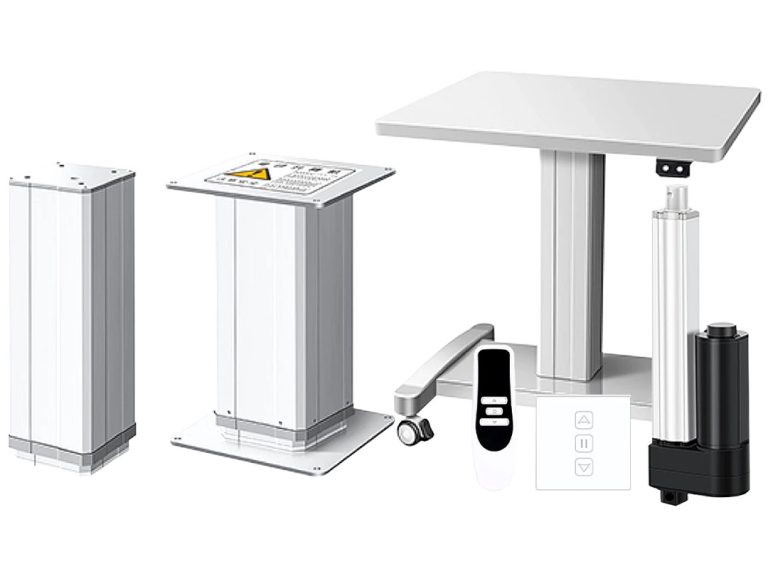
Электрические против ручных подъемных колонн для медицинских тележек
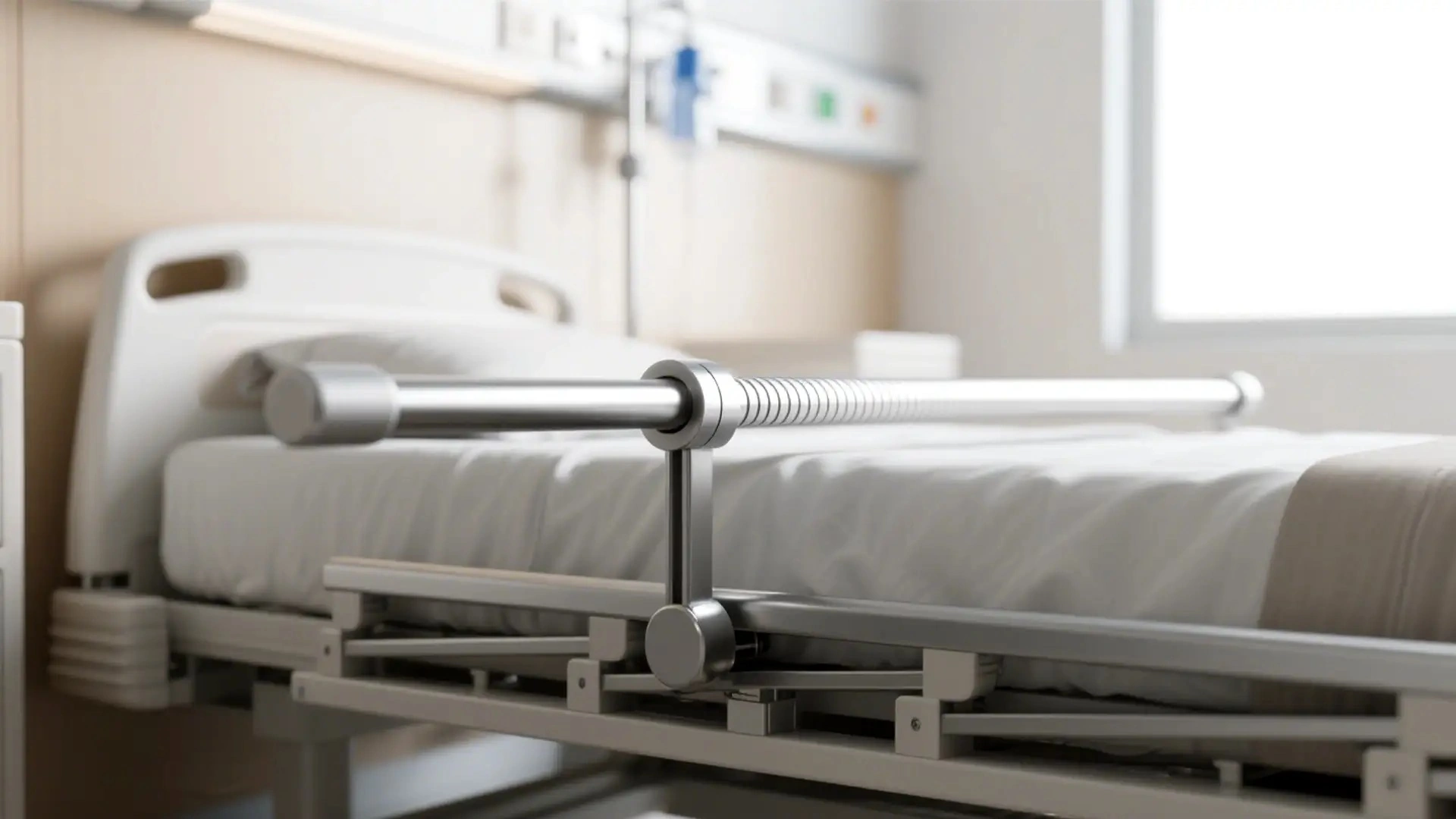
Выбор между электрическими и ручными подъемными колоннами — это критическое решение для проектирования медицинских тележек. Этот гид сравнивает электрическую колонну IPTT-DD и ручную колонну IPTT-SD, анализируя затраты, эргономическое влияние и эффективность рабочих процессов, чтобы помочь медицинским учреждениям оптимизировать свои мобильные рабочие места.
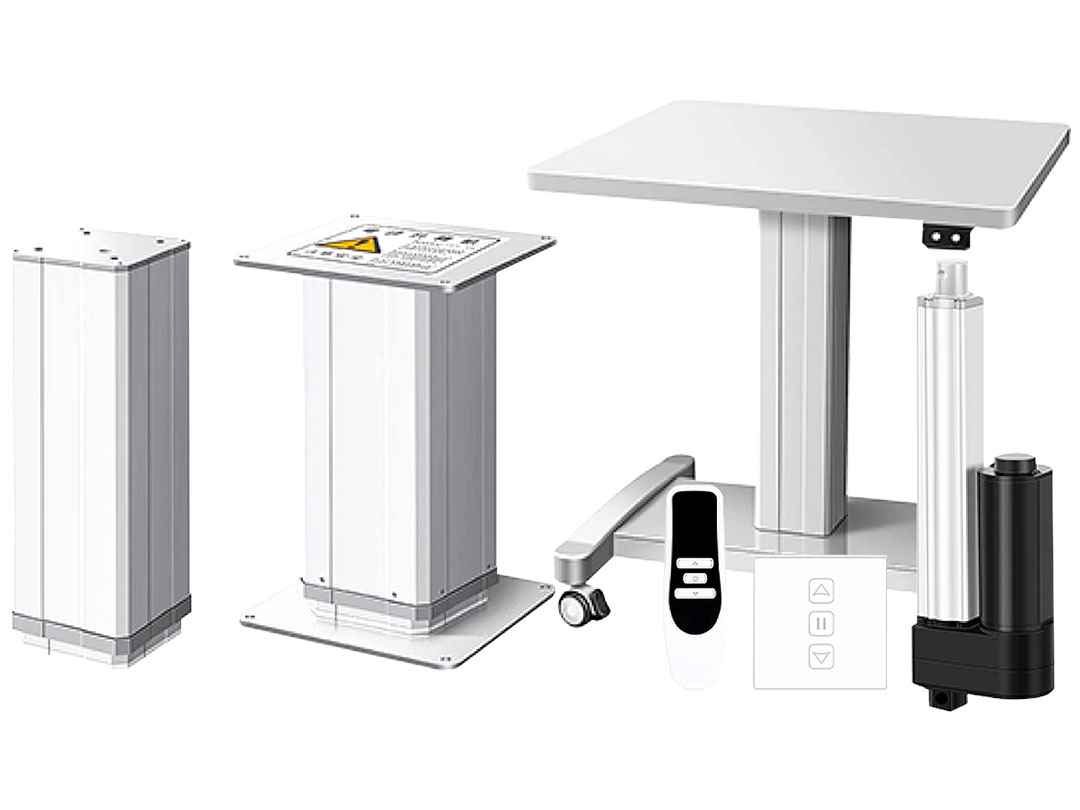
When evaluating height-adjustable carts, desks or workstations for care-related or medical environments, lifting-column architecture is one component decision within the finished equipment. The choice typically comes down to two main categories: электрические подъемные колонны (например, Электрическая подъемная колонна IPTT-DD) и ручные подъемные колонны (например, телескопическая подъемная колонна IPTT-SD).
The comparison should consider adjustment frequency, required load and travel, manual effort, power and control architecture, retention or holding behavior, service access, maintenance and the finished-device validation plan. This article compares IPTT-DD and IPTT-SD as configurable OEM candidates; it does not establish medical suitability for a finished cart, desk or device.
Содержание
Понимание двух вариантов
Что такое ручная подъемная колонна?
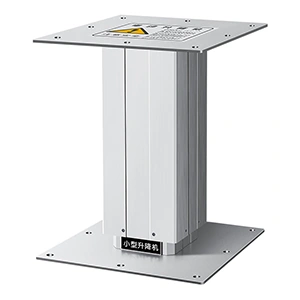
IPTT-SD is a configurable manual telescopic lifting-column platform. Confirm the selected build’s adjustment method, locking or retention method, required operating force, load, travel, mounting geometry, adjustment frequency and lifecycle rather than assuming a spring or gas-strut architecture.
Ключевые характеристики:
Не требуется источник питания
Electrical drive and controller may not be required; compare the actual configured BOM and quotation
Manual adjustment and locking/retention method must be confirmed for the selected build
Working/holding load and stability are configuration-specific; do not infer a lighter-duty limit from the manual architecture alone
Что такое электрическая подъемная колонна?
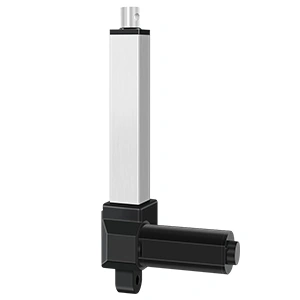
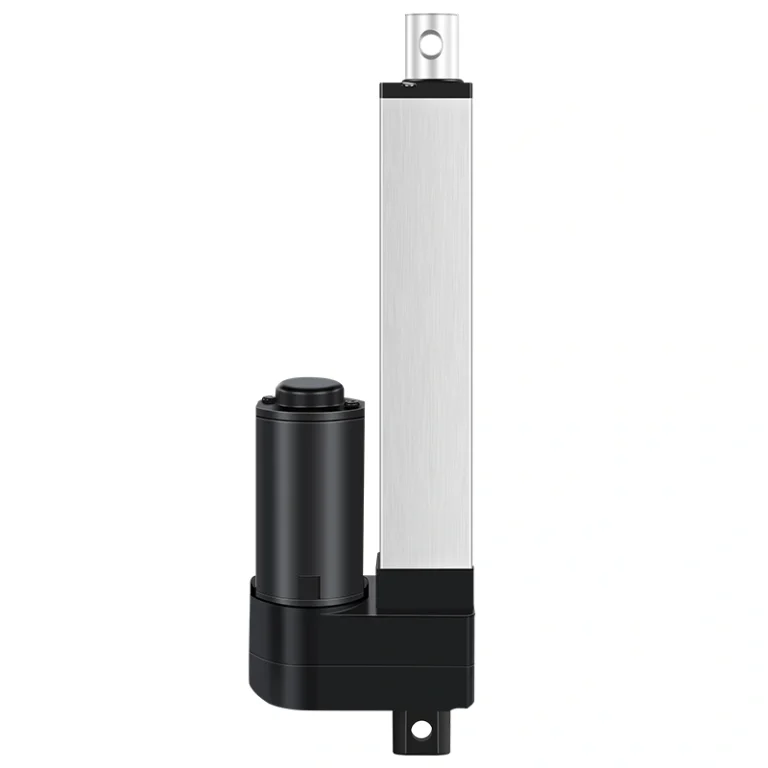
IPTT-DD is a configurable electric lifting-column platform. Motorized adjustment can support powered height changes, but load, travel, speed, controller, feedback, synchronization, duty cycle and positioning behavior must be confirmed for the selected build and finished mechanism.
Ключевые характеристики:
Работает от электричества или батареи
Регулировка высоты одной кнопкой
Control functions, feedback and any preset behavior depend on the selected controller and configuration
Rated load depends on the selected column configuration; do not infer higher capacity from electric drive alone
Анализ затрат: первоначальные инвестиции против долгосрочной ценности
Начальная покупная цена
Самое очевидное различие — это первоначальные затраты. Ручные подъемные колонны обычно имеют более низкую покупную цену, поскольку в них отсутствуют моторы, системы управления и электрические компоненты. Для учреждений с ограниченным бюджетом или тех, кто оснащает несколько тележек, это может быть значительным преимуществом.
Do not apply a universal percentage cost gap between manual and electric columns. Compare the quoted column, controller or locking hardware, power system, wiring, assembly, service requirements and expected production quantity for the specific project.
An electric architecture adds motor/control components, while a manual architecture may require different mechanical adjustment and retention hardware. Total cost should be compared at the finished-system level rather than assumed from the column type.
Скрытые затраты, которые следует учитывать
Помимо цены покупки, рассмотрите эти факторы:
Comparison item
Manual IPTT-SD
Electric IPTT-DD
Adjustment architecture
Confirm manual adjustment and locking/retention method
Confirm motor, controller and control method
Power / wiring
No electric column drive required; finished equipment may still have other electrical systems
Compatible power supply, wiring and controller required
Load / travel
Configuration-specific; verify selected build
Configuration-specific; verify selected build
Обслуживание
Inspect mechanical adjustment, locking/retention, mounting and wear
Inspect mechanical system plus motor, wiring and controller as applicable
Commercial comparison
Use current configured quotation and lifecycle/service assumptions
Use current configured quotation and lifecycle/service assumptions
Для медицинских тележек которые перемещаются между комнатами, подумайте, насколько практичны варианты с аккумуляторами по сравнению с ручными системами, которые работают везде.
Удобство и простота использования в медицинских учреждениях
Влияние на повседневные рабочие процессы
In care-related workflows, adjustment frequency, required operator effort, control access and equipment availability can affect usability. Compare the two architectures against the actual use case rather than assuming one is inherently better for healthcare.
Electric lifting columns may be evaluated when:
Несколько пользователей используют одно и то же оборудование в течение дня
The project defines a positioning requirement that can be validated with the selected column, controller and mechanism
Нужны быстрые настройки между пациентами
Reduced manual adjustment effort is an explicit equipment requirement
A compatible electric control can reduce the manual effort required to change height. The actual adjustment time, control interface and usability should be measured on the finished cart under representative load and user conditions.
Manual lifting columns may be evaluated when:
A non-powered adjustment architecture fits the project’s risk, service and workflow requirements
Доступ к электроэнергии ограничен или ненадежен
Приложение требует случайных, а не частых настроек
The configured manual solution meets the project requirements and commercial target
A manual column avoids dependence on the column’s own electric drive and controller, but finished-equipment reliability still depends on the complete mechanical design, locking/retention method, mounting, wear and maintenance.
Эргономика и комфорт для пользователя
Motorized height adjustment can reduce the manual force needed for the height-change task, but ergonomic benefit depends on control placement, adjustment frequency, cart layout, user population and the complete workflow. Validate the finished equipment rather than assigning a general healthcare ergonomics benefit to the column alone.
For a manual column, measure the actual adjustment force and confirm the locking/retention behavior of the selected configuration. Do not assume a gas spring, a specific operating force or a lighter-duty application unless those details are documented.
Application-Specific Evaluation
Evaluation for Nursing Carts
Для медицинских тележек которые перемещаются по учреждению и служат нескольким целям:
Электрический (IPTT-DD): Evaluate when frequent powered adjustment is required; confirm controller functions, adjustment time, load, travel and finished-cart validation. Do not assume preset heights unless the selected control configuration provides them.
Ручной (IPTT-SD): Evaluate when a manual adjustment/retention method fits the required adjustment frequency, operator force, load and service model.
Evaluation for Medical Examination Desks
Для медицинские столы где обследуются пациенты разных размеров:
Электрический (IPTT-DD): Evaluate if powered adjustment is required, then define and validate the positioning tolerance, control behavior, load, stability and finished-device safety requirements.
Ручной (IPTT-SD): Evaluate if its manual adjustment force, retention method, load and workflow fit the specific equipment requirements.
Evaluation for Workstations with Limited Power Access
Для рабочих мест в районах, где доступ к электроэнергии затруднен:
Ручной (IPTT-SD): Does not require an electric column drive/controller; confirm that the manual adjustment and retention method fit the use case.
Электрический (IPTT-DD): Requires a compatible power/control architecture; confirm supply, wiring, battery strategy if applicable, EMC/electrical integration and service access.
Принятие решения: ключевые моменты
При выборе между электрическими и ручными подъемными колоннами для ваших медицинских тележек и столов, задайте себе эти вопросы:
Как часто потребуется регулировать высоту?
Define the expected adjustments per hour or shift and the required adjustment time. Frequent adjustment may favor powered control, but the decision also depends on load, operator effort, power architecture, control requirements and finished-equipment validation.
Кто будет использовать оборудование?
Define the intended user population, reach, control access and acceptable manual adjustment force. Validate the finished cart or workstation with representative users instead of assuming electric or manual is automatically more ergonomic.
What should be included in the cost comparison?
Compare configured column price, controller or locking hardware, power system, wiring, assembly, maintenance, service access, spares and expected lifecycle. Do not apply a universal percentage difference between manual and electric columns.
How should reliability be compared?
Define required lifecycle, load, adjustment frequency, environment, failure behavior and maintenance plan, then validate the selected manual or electric configuration. Mechanical simplicity or electric control alone does not establish finished-equipment reliability.
Доступны ли источники питания?
For an electric column, confirm supply voltage, wiring, controller and any battery/charging strategy. A manual column removes the electric column drive requirement but still needs validated adjustment, locking/retention and mechanical integration.
Заключение: что подходит именно вам?
Оба ручные подъемные колонны как IPTT-SD и электрические подъемные колонны как IPTT-DD имеют своё место в здравоохранении. Правильный выбор зависит от ваших конкретных потребностей, бюджета и применения.
Consider manual IPTT-SD when:
Бюджет является основной проблемой
Доступ к электросети ограничен
Регулировка высоты происходит редко
The project can validate the manual adjustment, retention, wear and maintenance behavior for the required risk level
Consider electric IPTT-DD when:
Часто требуется регулировка высоты
Несколько пользователей разных ростов используют оборудование
A defined positioning/control requirement can be validated with the selected electric configuration
Powered adjustment is expected to support the documented workflow and is validated on the finished equipment
Neither architecture is universally preferred for healthcare equipment. Compare the selected IPTT-DD or IPTT-SD against the finished equipment’s load, travel, adjustment frequency, controls or retention method, operator effort, power architecture, maintenance, risk controls and validation requirements.
Planning a height-adjustable cart or workstation? Share the load, travel, adjustment frequency, control or retention method, power architecture, mounting, environment, documentation and validation requirements for configuration review.
Standards & Regulatory Context
IEC 60601-1:2005+A1:2012+A2:2020: General requirements for basic safety and essential performance for medical electrical equipment; applicability to the finished product and any collateral/particular standards must be determined by the responsible manufacturer.
Ergonomics / occupational-safety context: identify the applicable workplace, medical-device and equipment requirements for the target market; do not treat a generic lifting-column comparison as ergonomic or medical approval.
Получите экспертные рекомендации по промышленному управлению движением
Выбор правильного электрического линейного актуатора или подъемную колонну критически важен для производительности вашего проекта. Как профессиональный Производитель управления движением и автоматизации, наши инженеры помогут вам настроить грузоподъемность, длину хода и рейтинги IP в зависимости от ваших конкретных приложений. Поделитесь своими техническими требованиями для индивидуального решения.
ActuLift поддерживает полную индивидуализацию, от структурного проектирования и параметров хода до брендинга и отделки корпусов, помогая вам создать мощную идентичность бренда.
Быстрый ответ и прототипирование
Мы понимаем важность скорости в B2B закупках, используя оптимизированные производственные потоки для обеспечения эффективных ответов от разработки образцов до массовых поставок.
Quality Documentation & Traceability
Quality and traceability requirements vary by project. Ask ActuLift for the applicable inspection records, product specifications, drawings and available compliance documentation for the selected model and order.