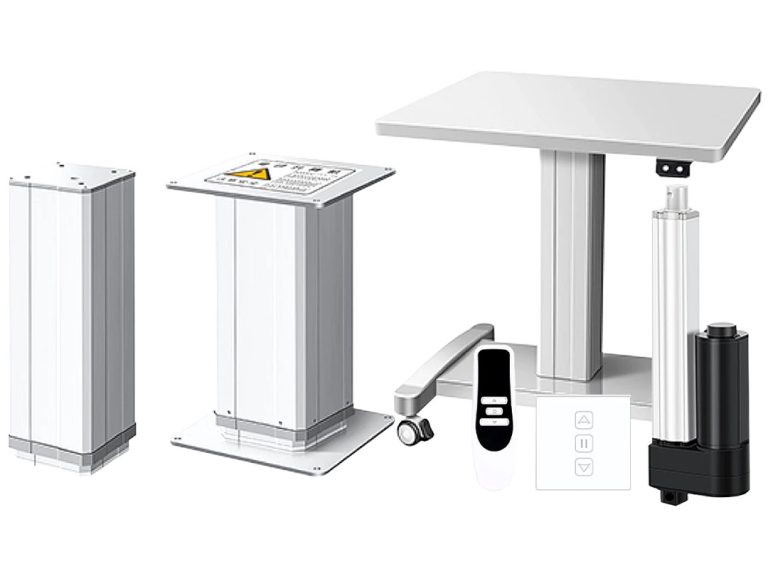
Colunas de Levantamento Elétricas vs Manuais para Carrinhos Médicos
Escolher entre colunas de levantamento elétrico e manual é uma decisão crítica para o design de carrinhos médicos. Este guia compara a coluna elétrica IPTT-DD e a coluna manual IPTT-SD, analisando custo, impacto ergonômico e eficiência do fluxo de trabalho para ajudar as instalações de saúde a otimizar suas estações de trabalho móveis.
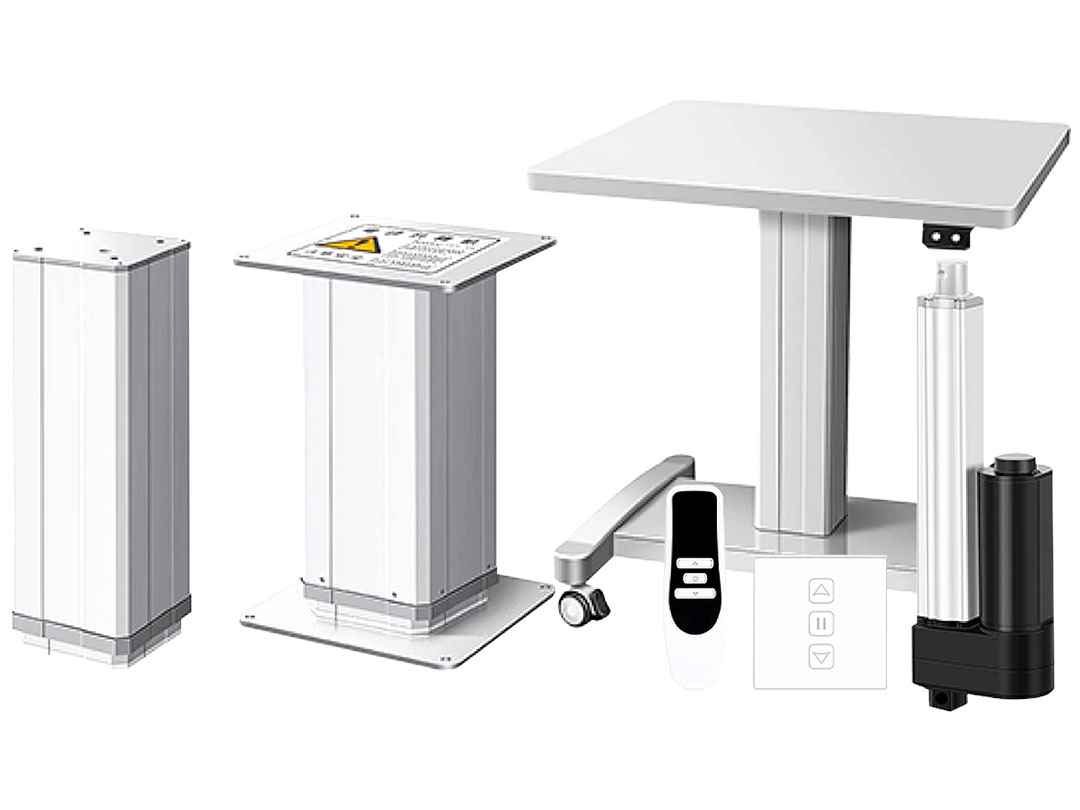
When evaluating height-adjustable carts, desks or workstations for care-related or medical environments, lifting-column architecture is one component decision within the finished equipment. The choice typically comes down to two main categories: colunas de elevação elétricas (como o coluna de elevação elétrica IPTT-DD) e colunas de levantamento manuais (como o coluna de levantamento telescópica IPTT-SD).
The comparison should consider adjustment frequency, required load and travel, manual effort, power and control architecture, retention or holding behavior, service access, maintenance and the finished-device validation plan. This article compares IPTT-DD and IPTT-SD as configurable OEM candidates; it does not establish medical suitability for a finished cart, desk or device.
Tabela de Conteúdos
Entendendo as Duas Opções
O que é uma Coluna de Levantamento Manual?
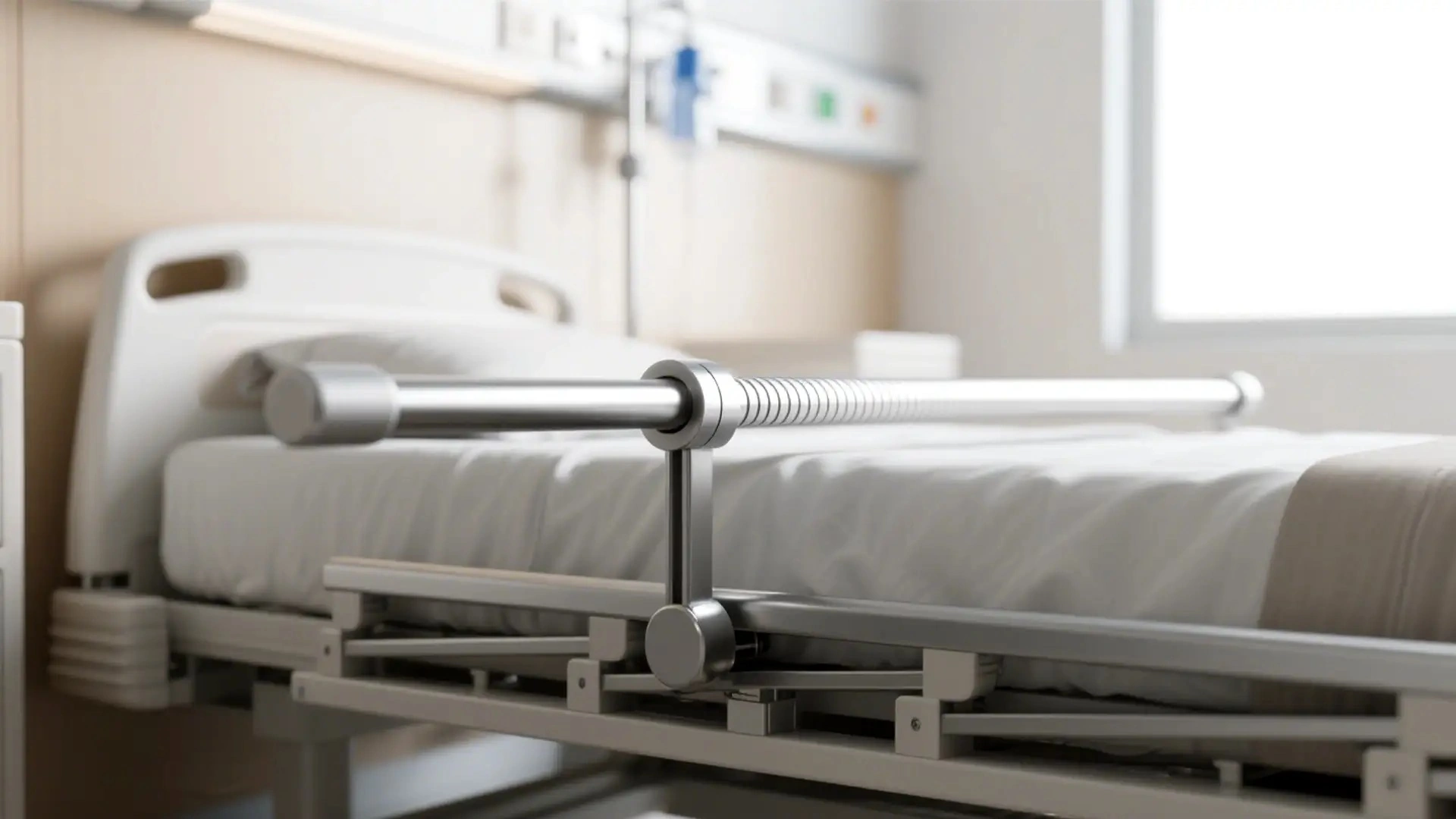
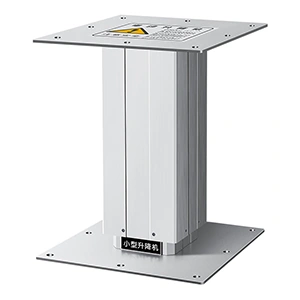
IPTT-SD is a configurable manual telescopic lifting-column platform. Confirm the selected build’s adjustment method, locking or retention method, required operating force, load, travel, mounting geometry, adjustment frequency and lifecycle rather than assuming a spring or gas-strut architecture.
Características principais:
Nenhuma fonte de energia necessária
Electrical drive and controller may not be required; compare the actual configured BOM and quotation
Manual adjustment and locking/retention method must be confirmed for the selected build
Working/holding load and stability are configuration-specific; do not infer a lighter-duty limit from the manual architecture alone
O que é uma Coluna de Levantamento Elétrico?
IPTT-DD is a configurable electric lifting-column platform. Motorized adjustment can support powered height changes, but load, travel, speed, controller, feedback, synchronization, duty cycle and positioning behavior must be confirmed for the selected build and finished mechanism.
Características principais:
Movido a eletricidade ou bateria
Ajuste de altura por botão
Control functions, feedback and any preset behavior depend on the selected controller and configuration
Rated load depends on the selected column configuration; do not infer higher capacity from electric drive alone
Análise de Custos: Investimento Inicial vs. Valor a Longo Prazo
Preço de Compra Inicial
A diferença mais aparente é o custo inicial. Colunas de levantamento manuais geralmente têm um preço de compra mais baixo porque não possuem motores, sistemas de controle e componentes elétricos. Para instalações com restrições orçamentárias ou aquelas que equipam vários carrinhos, isso pode ser uma vantagem significativa.
Do not apply a universal percentage cost gap between manual and electric columns. Compare the quoted column, controller or locking hardware, power system, wiring, assembly, service requirements and expected production quantity for the specific project.
An electric architecture adds motor/control components, while a manual architecture may require different mechanical adjustment and retention hardware. Total cost should be compared at the finished-system level rather than assumed from the column type.
Custos Ocultos a Considerar
Além do preço de compra, considere esses fatores:
Comparison item
Manual IPTT-SD
Electric IPTT-DD
Adjustment architecture
Confirm manual adjustment and locking/retention method
Confirm motor, controller and control method
Power / wiring
No electric column drive required; finished equipment may still have other electrical systems
Compatible power supply, wiring and controller required
Load / travel
Configuration-specific; verify selected build
Configuration-specific; verify selected build
Manutenção
Inspect mechanical adjustment, locking/retention, mounting and wear
Inspect mechanical system plus motor, wiring and controller as applicable
Commercial comparison
Use current configured quotation and lifecycle/service assumptions
Use current configured quotation and lifecycle/service assumptions
Para carrinhos de enfermagem que se movem entre os quartos, considere se as opções com bateria são práticas em comparação com sistemas manuais que funcionam em qualquer lugar.
Conveniência e Usabilidade em Ambientes de Saúde
Impacto no Fluxo de Trabalho Diário
In care-related workflows, adjustment frequency, required operator effort, control access and equipment availability can affect usability. Compare the two architectures against the actual use case rather than assuming one is inherently better for healthcare.
Electric lifting columns may be evaluated when:
Vários usuários compartilham o mesmo equipamento ao longo do dia
The project defines a positioning requirement that can be validated with the selected column, controller and mechanism
Ajustes rápidos são necessários entre pacientes
Reduced manual adjustment effort is an explicit equipment requirement
A compatible electric control can reduce the manual effort required to change height. The actual adjustment time, control interface and usability should be measured on the finished cart under representative load and user conditions.
Manual lifting columns may be evaluated when:
A non-powered adjustment architecture fits the project’s risk, service and workflow requirements
O acesso à energia é limitado ou não confiável
A aplicação requer ajustes ocasionais, não frequentes
The configured manual solution meets the project requirements and commercial target
A manual column avoids dependence on the column’s own electric drive and controller, but finished-equipment reliability still depends on the complete mechanical design, locking/retention method, mounting, wear and maintenance.
Ergonomia e Conforto do Usuário
Motorized height adjustment can reduce the manual force needed for the height-change task, but ergonomic benefit depends on control placement, adjustment frequency, cart layout, user population and the complete workflow. Validate the finished equipment rather than assigning a general healthcare ergonomics benefit to the column alone.
For a manual column, measure the actual adjustment force and confirm the locking/retention behavior of the selected configuration. Do not assume a gas spring, a specific operating force or a lighter-duty application unless those details are documented.
Application-Specific Evaluation
Evaluation for Nursing Carts
Para carrinhos de enfermagem que se movem por uma instalação e servem múltiplos propósitos:
Elétrico (IPTT-DD): Evaluate when frequent powered adjustment is required; confirm controller functions, adjustment time, load, travel and finished-cart validation. Do not assume preset heights unless the selected control configuration provides them.
Manual (IPTT-SD): Evaluate when a manual adjustment/retention method fits the required adjustment frequency, operator force, load and service model.
Evaluation for Medical Examination Desks
Para mesas médicas onde pacientes de vários tamanhos são examinados:
Elétrico (IPTT-DD): Evaluate if powered adjustment is required, then define and validate the positioning tolerance, control behavior, load, stability and finished-device safety requirements.
Manual (IPTT-SD): Evaluate if its manual adjustment force, retention method, load and workflow fit the specific equipment requirements.
Evaluation for Workstations with Limited Power Access
Para estações de trabalho em áreas onde o acesso à energia é desafiador:
Manual (IPTT-SD): Does not require an electric column drive/controller; confirm that the manual adjustment and retention method fit the use case.
Elétrico (IPTT-DD): Requires a compatible power/control architecture; confirm supply, wiring, battery strategy if applicable, EMC/electrical integration and service access.
Tomando Sua Decisão: Considerações Chave
Ao escolher entre colunas de elevação elétricas e manuais para seus carrinhos e mesas médicas, pergunte a si mesmo estas questões:
Com que frequência a altura precisará ser ajustada?
Define the expected adjustments per hour or shift and the required adjustment time. Frequent adjustment may favor powered control, but the decision also depends on load, operator effort, power architecture, control requirements and finished-equipment validation.
Quem usará o equipamento?
Define the intended user population, reach, control access and acceptable manual adjustment force. Validate the finished cart or workstation with representative users instead of assuming electric or manual is automatically more ergonomic.
What should be included in the cost comparison?
Compare configured column price, controller or locking hardware, power system, wiring, assembly, maintenance, service access, spares and expected lifecycle. Do not apply a universal percentage difference between manual and electric columns.
How should reliability be compared?
Define required lifecycle, load, adjustment frequency, environment, failure behavior and maintenance plan, then validate the selected manual or electric configuration. Mechanical simplicity or electric control alone does not establish finished-equipment reliability.
As fontes de energia estão prontamente disponíveis?
For an electric column, confirm supply voltage, wiring, controller and any battery/charging strategy. A manual column removes the electric column drive requirement but still needs validated adjustment, locking/retention and mechanical integration.
Conclusão: Qual é o Certo para Você?
Ambos colunas de levantamento manuais como o IPTT-SD e colunas de elevação elétricas como o IPTT-DD têm seu lugar em ambientes de saúde. A escolha certa depende de suas necessidades específicas, orçamento e aplicação.
Consider manual IPTT-SD when:
O orçamento for uma preocupação primária
O acesso à energia for limitado
Os ajustes de altura forem infrequentes
The project can validate the manual adjustment, retention, wear and maintenance behavior for the required risk level
Consider electric IPTT-DD when:
Frequentemente forem necessários ajustes de altura
Múltiplos usuários de diferentes alturas compartilharem o equipamento
A defined positioning/control requirement can be validated with the selected electric configuration
Powered adjustment is expected to support the documented workflow and is validated on the finished equipment
Neither architecture is universally preferred for healthcare equipment. Compare the selected IPTT-DD or IPTT-SD against the finished equipment’s load, travel, adjustment frequency, controls or retention method, operator effort, power architecture, maintenance, risk controls and validation requirements.
Planning a height-adjustable cart or workstation? Share the load, travel, adjustment frequency, control or retention method, power architecture, mounting, environment, documentation and validation requirements for configuration review.
Standards & Regulatory Context
IEC 60601-1:2005+A1:2012+A2:2020: General requirements for basic safety and essential performance for medical electrical equipment; applicability to the finished product and any collateral/particular standards must be determined by the responsible manufacturer.
Ergonomics / occupational-safety context: identify the applicable workplace, medical-device and equipment requirements for the target market; do not treat a generic lifting-column comparison as ergonomic or medical approval.
Obtenha Insights de Especialistas em Controle de Movimento Industrial
Selecionar o atuador linear elétrico ou coluna de elevação é crítico para o desempenho do seu projeto. Como um fabricante profissional de Controle de Movimento & Automação, nossos engenheiros ajudam você a personalizar a capacidade de carga, comprimento de curso e classificações IP com base em sua aplicação específica. Compartilhe seus requisitos técnicos para uma solução sob medida.
A ActuLift apoia a personalização de ponta a ponta, desde o design estrutural e parâmetros de curso até branding e acabamentos de carcaça, ajudando você a construir uma identidade de marca poderosa.
Resposta Rápida & Prototipagem
Entendemos a importância da rapidez na aquisição B2B, utilizando fluxos de produção otimizados para garantir respostas eficientes desde o desenvolvimento de amostras até a entrega em massa.
Quality Documentation & Traceability
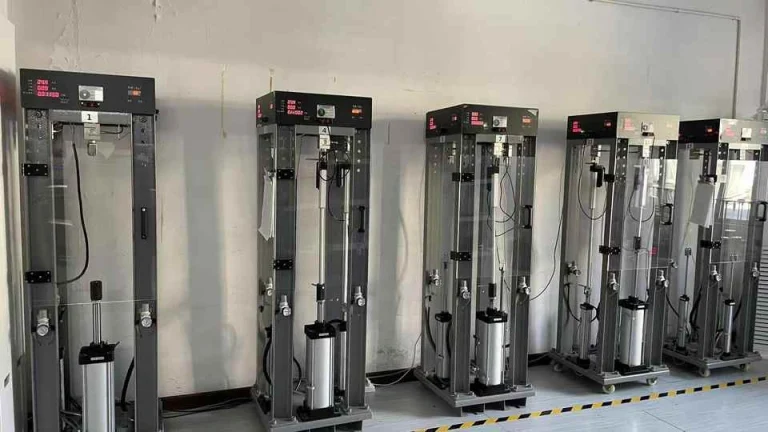
Quality and traceability requirements vary by project. Ask ActuLift for the applicable inspection records, product specifications, drawings and available compliance documentation for the selected model and order.