Electric vs Manual Lifting Columns for Medical Carts
Choosing between electric and manual lifting columns is a critical decision for medical cart design. This guide compares the IPTT-DD electric column and IPTT-SD manual column, analyzing cost, ergonomic impact, and workflow efficiency to help healthcare facilities optimize their mobile workstations.
When designing or upgrading medical carts and desks, one of the most important decisions is choosing the right lifting column. The choice typically comes down to two main categories: electric lifting columns (like the IPTT-DD electric lifting column) and manual lifting columns (like the IPTT-SD telescopic lift column).
This decision impacts not only the immediate budget but also daily workflow efficiency, maintenance costs, and user satisfaction. In this article, we’ll break down the key differences to help you make an informed decision for your healthcare facility.
Table of Contents
Understanding the Two Options
What Is a Manual Lifting Column?
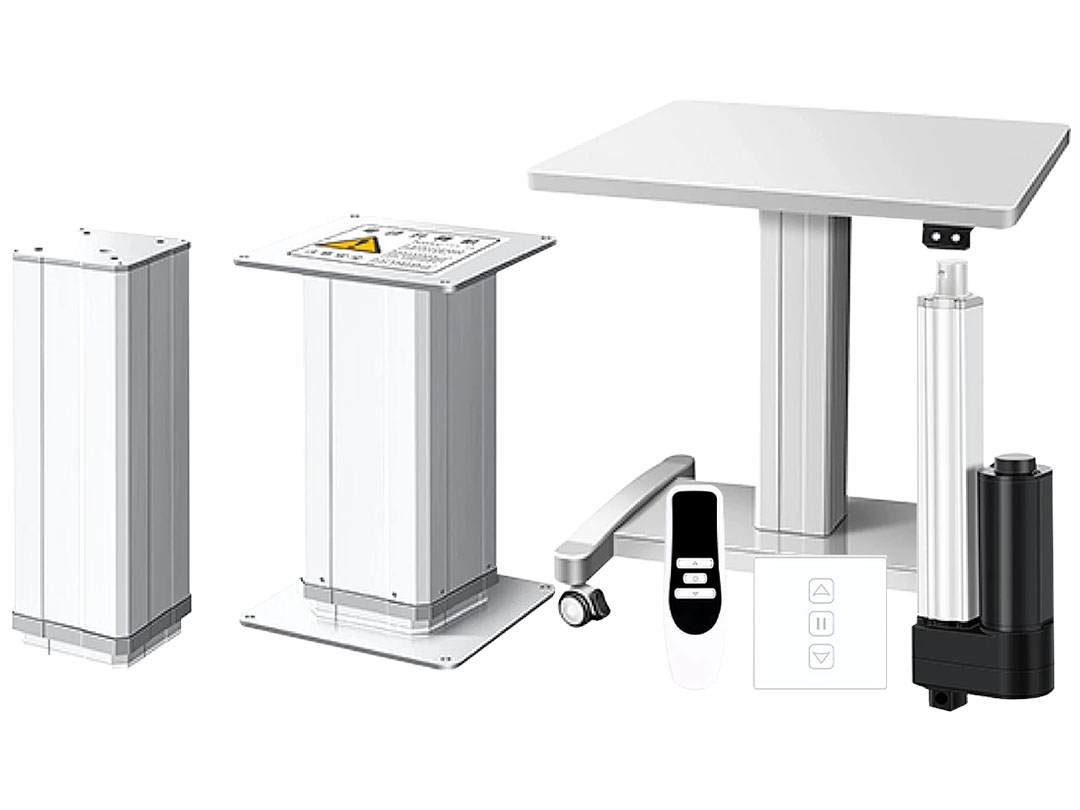
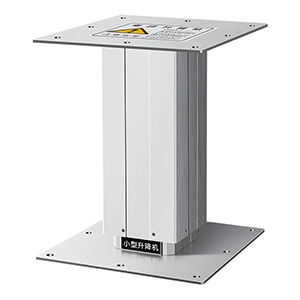
A manual lifting column, such as the IPTT-SD, uses a mechanical system—typically a spring or gas strut—to adjust height. Users simply push or pull the surface to raise or lower it to the desired position. These columns are designed for applications where simplicity and reliability are paramount.
Key characteristics:
No power source required
Lower initial purchase price
Simple mechanical operation
Suitable for lighter-duty applications
What Is an Electric Lifting Column?
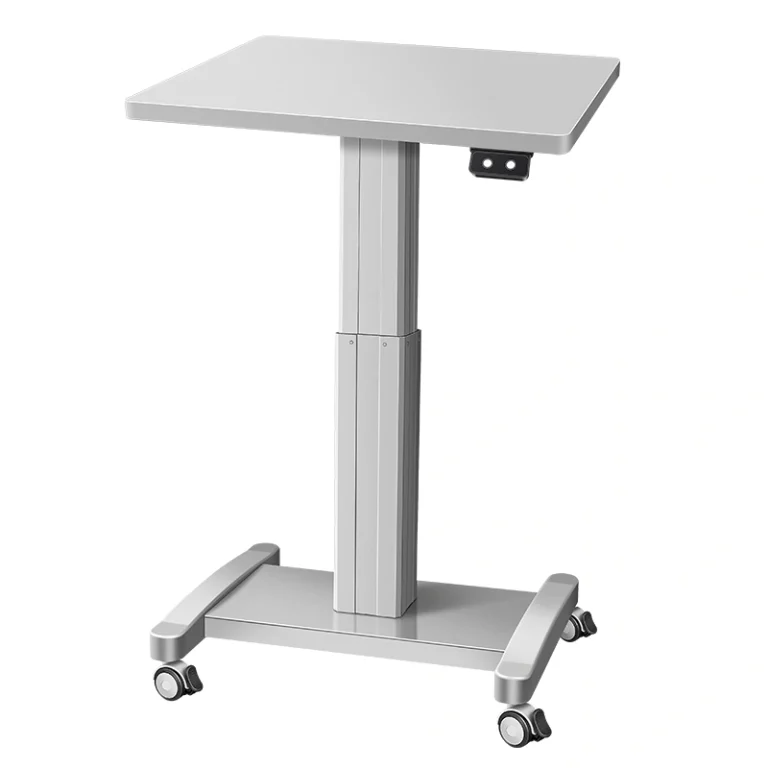
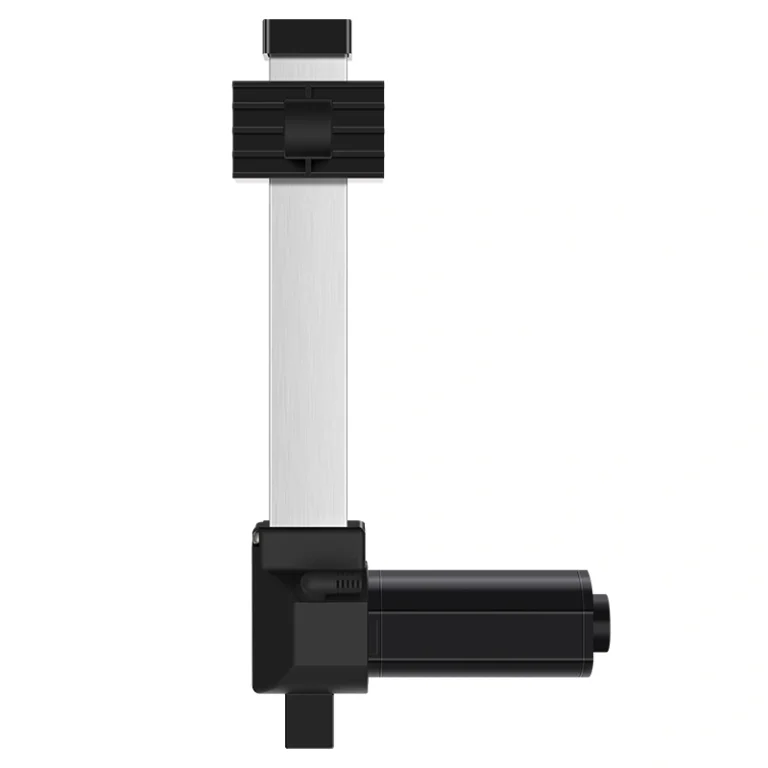
An electric lifting column, like the IPTT-DD, uses an electric motor to adjust height at the touch of a button. These systems offer precise positioning and are ideal for environments where frequent adjustments are needed throughout the day.
Key characteristics:
Powered by electricity or battery
Push-button height adjustment
Programmable height presets
Higher load capacity options
Cost Analysis: Initial Investment vs. Long-Term Value
Initial Purchase Price
The most apparent difference is the upfront cost. Manual lifting columns generally have a lower purchase price because they lack motors, control systems, and electrical components. For facilities with budget constraints or those outfitting multiple carts, this can be a significant advantage.
Manual lifting columns typically cost 40-60% less than their electric counterparts initially.
On the other hand, electric lifting columns like the IPTT-DD come with a higher price tag due to the motor, drive system, and electronics. However, this investment often pays off in other areas.
Hidden Costs to Consider
Beyond the purchase price, consider these factors:
Cost Factor
Manual (IPTT-SD)
Electric (IPTT-DD)
Installation
Simple, no wiring
May require electrical work
Maintenance
Minimal (occasional lubrication)
Motor/electronic servicing
Energy Costs
None
Electricity or battery replacement
Downtime
Low
Potential electronic failures
For nursing carts that move between rooms, consider whether battery-powered options are practical versus manual systems that work anywhere.
Convenience and Usability in Healthcare Settings
Daily Workflow Impact
In a busy healthcare environment, convenience can directly affect staff efficiency and patient care. Here’s how each option performs in real-world scenarios:
Electric lifting columns shine in applications where:
Multiple users share the same equipment throughout the day
Precise height positioning is critical (e.g., examination desks)
The push-button operation of the IPTT-DD means nurses can adjust cart height in seconds without interrupting their workflow. This is particularly valuable in hospitals where staff members of different heights use the same equipment.
Manual lifting columns excel when:
Reliability is more important than speed
Power access is limited or unreliable
The application requires occasional, not frequent, adjustments
Budget constraints prevent electric options
The mechanical simplicity of the IPTT-SD means there’s no worry about dead batteries or electrical failures mid-procedure.
Ergonomics and User Comfort
Electric lifting columns often win on ergonomics. Staff members don’t need to exert physical effort to adjust height, reducing strain and fatigue during long shifts. This is particularly important for medical carts that nurses push around all day.
However, modern manual lifting columns have improved significantly. Many now feature smooth-acting gas springs that require minimal force, making them a viable ergonomic option for lighter applications.
Application-Specific Recommendations
Best for Nursing Carts
For nursing carts that move throughout a facility and serve multiple purposes:
Electric (IPTT-DD): Ideal if the cart will be used by many staff members who need quick adjustments between patients. The ability to save preset heights is valuable in fast-paced environments.
Manual (IPTT-SD): Suitable for more basic applications where the cart serves a single purpose or height adjustment is infrequent.
Best for Medical Examination Desks
For medical desks where patients of various sizes are examined:
Electric (IPTT-DD): Highly recommended. The precise positioning and easy adjustment improve patient comfort and examination efficiency.
Manual (IPTT-SD): Acceptable for low-volume settings or temporary setups.
Best for Workstations with Limited Power Access
For workstations in areas where power access is challenging:
Manual (IPTT-SD): The clear winner. No electrical requirements means placement flexibility.
Electric (IPTT-DD): Requires careful planning for power access or battery management.
Making Your Decision: Key Considerations
When choosing between electric and manual lifting columns for your medical carts and desks, ask yourself these questions:
How often will height need to be adjusted?
If multiple times per hour, electric makes sense.
Who will use the equipment?
Different staff members with varying heights benefit from quick electric adjustments.
What’s the budget?
Consider both immediate and long-term costs.
How critical is reliability?
In critical care settings, the simplicity of manual may be advantageous.
Are power sources readily available?
Consider battery life and charging logistics.
Conclusion: Which Is Right for You?
Both manual lifting columns like the IPTT-SD and electric lifting columns like the IPTT-DD have their place in healthcare settings. The right choice depends on your specific needs, budget, and application.
Choose manual (IPTT-SD) if:
Budget is a primary concern
Power access is limited
Height adjustments are infrequent
Maximum reliability is critical
Choose electric (IPTT-DD) if:
Frequent height adjustments are needed
Multiple users of different heights share equipment
Precise positioning is important
Workflow efficiency is a priority
For most modern healthcare facilities, the convenience and efficiency of electric lifting columns like the IPTT-DD justify the additional investment. However, for specific applications or budget-conscious implementations, the IPTT-SD telescopic lift column remains an excellent, reliable choice.
Ready to upgrade your medical carts? Contact our team for personalized recommendations based on your specific requirements.
References & Sources
ISO 60601-1: Medical electrical equipment – General requirements for basic safety and essential performance.
HIMSS (Healthcare Information and Management Systems Society): Guidelines on nursing workstation ergonomics and clinician burnout prevention.
OSHA (Occupational Safety and Health Administration): Ergonomic standards for lifting and workstation height in healthcare settings.
Get Expert Insights on Industrial Motion Control
Selecting the right electric linear actuator or lifting column is critical for your project's performance. As a professional Motion Control & Automation Manufacturer, our engineers help you customize load capacity, stroke length, and IP ratings based on your specific application. Share your technical requirements for a tailored solution.
ActuLift supports end-to-end customization, from structural design and stroke parameters to branding and casing finishes, helping you build a powerful brand identity.
Rapid Response & Prototyping
We understand the importance of speed in B2B procurement, utilizing optimized production workflows to ensure efficient responses from sample development to bulk delivery.
Stable Quality & Traceability
With ISO9001 quality assurance, every product—from material entry to final factory testing—is recorded in our electronic logs, ensuring high consistency in delivered goods.